
Last updated November 5, 2026
 Sweep & inspection
 Caps & crowns
 Flue relining
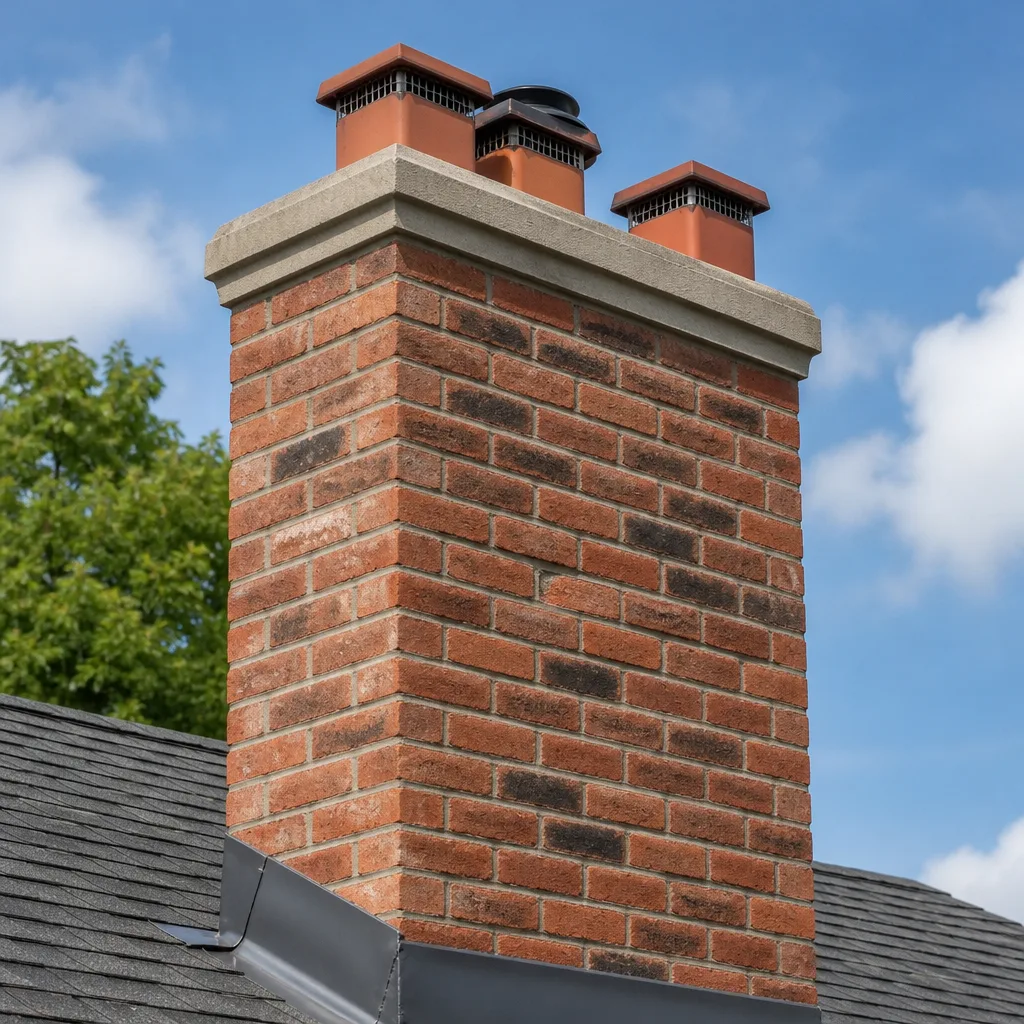 Masonry repair
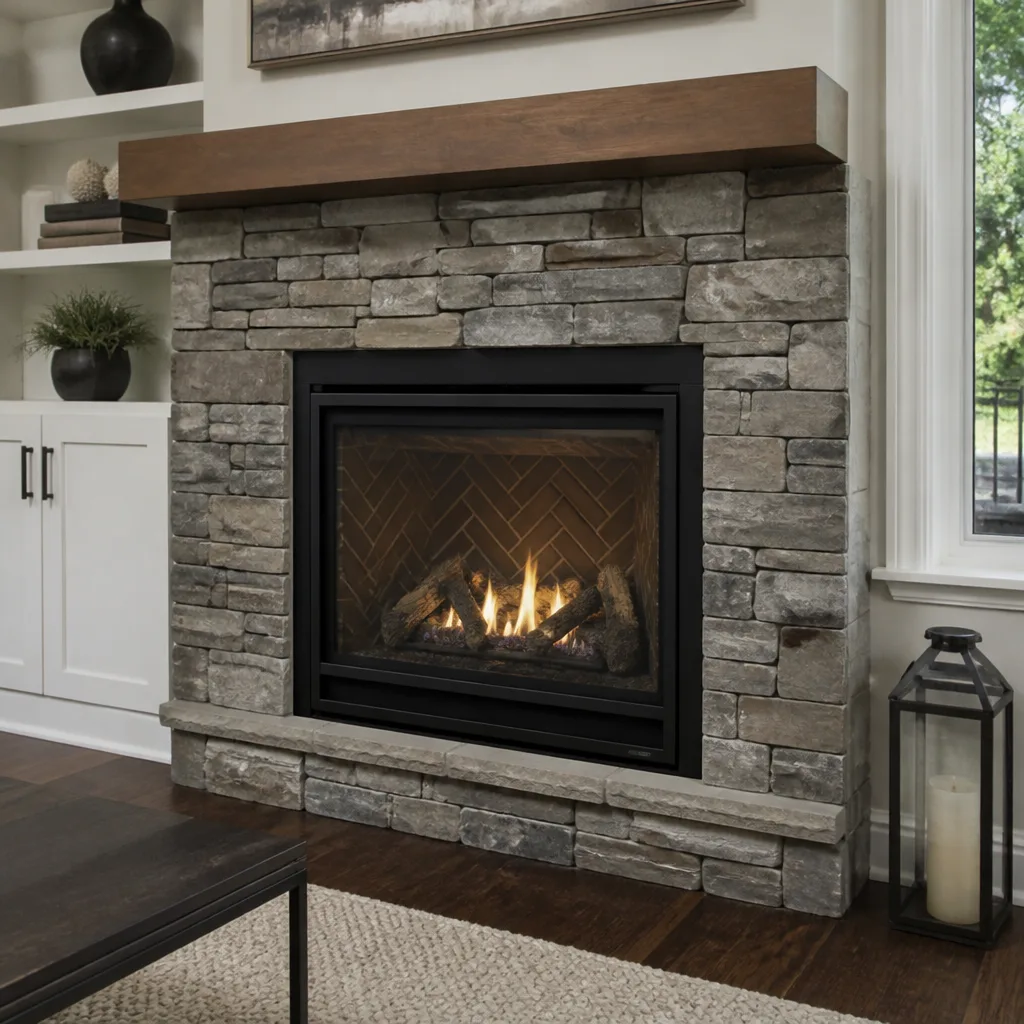 Gas fireplace service
Level 1 sweep and inspection to the NFPA 211 annual standard - flue, crown, cap, and flashing checked and photographed
Chimney sweep logs do not sweep chimneys. They loosen some creosote - which then falls where a brush and vacuum still have to collect it.
Chimney Cleaning Emergency Preparedness Guide for La Mesa Homes
A chimney fire in a masonry flue can burn at over 2,000°F. That is hot enough to crack terra cotta liner tiles in seconds and transfer enough heat through the surrounding brick to ignite wall framing within minutes. Most La Mesa homeowners have smoke alarms, fire extinguishers, and an evacuation plan, but almost none have thought through what a chimney fire actually looks like, sounds like, or requires in the first ninety seconds. This guide walks through the realistic scenario: what happens, what to do first, what to do after, and how to prepare before Santa Ana season turns a routine fire into something you think about for the rest of your life.
Quick Answer
If you suspect a chimney fire in your La Mesa home, close the damper if you can reach it safely, get everyone out of the house, and call 911 immediately. Do not pour water on the fire or into the firebox. After the fire is out, do not use the fireplace again until a professional completes a Level 2 chimney inspection, which is required by code after any chimney fire. Preparation before the season includes a professional chimney sweep, a spark-arresting cap, and a Chimfex-style suppressant kept within reach of the firebox.
Styles & brands we work with
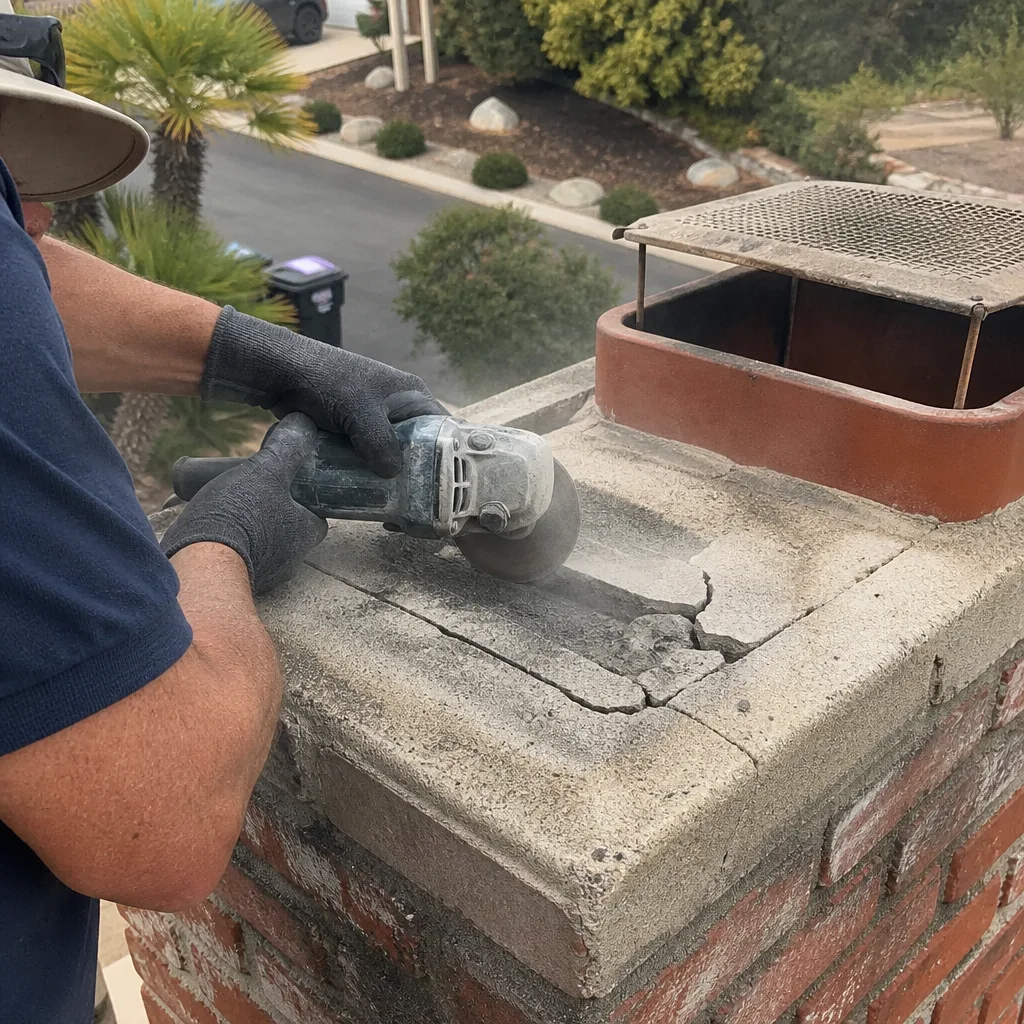
- Sweep & inspection
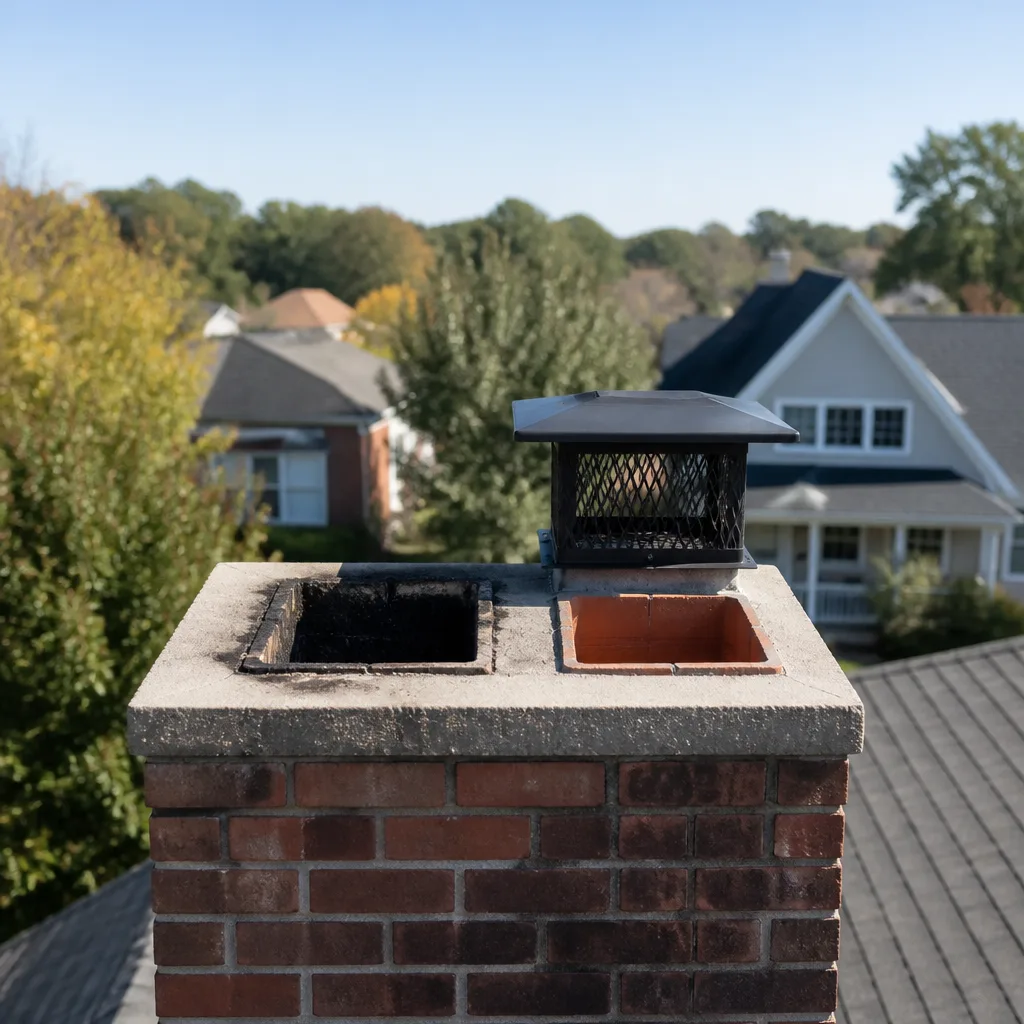
- Caps & crowns
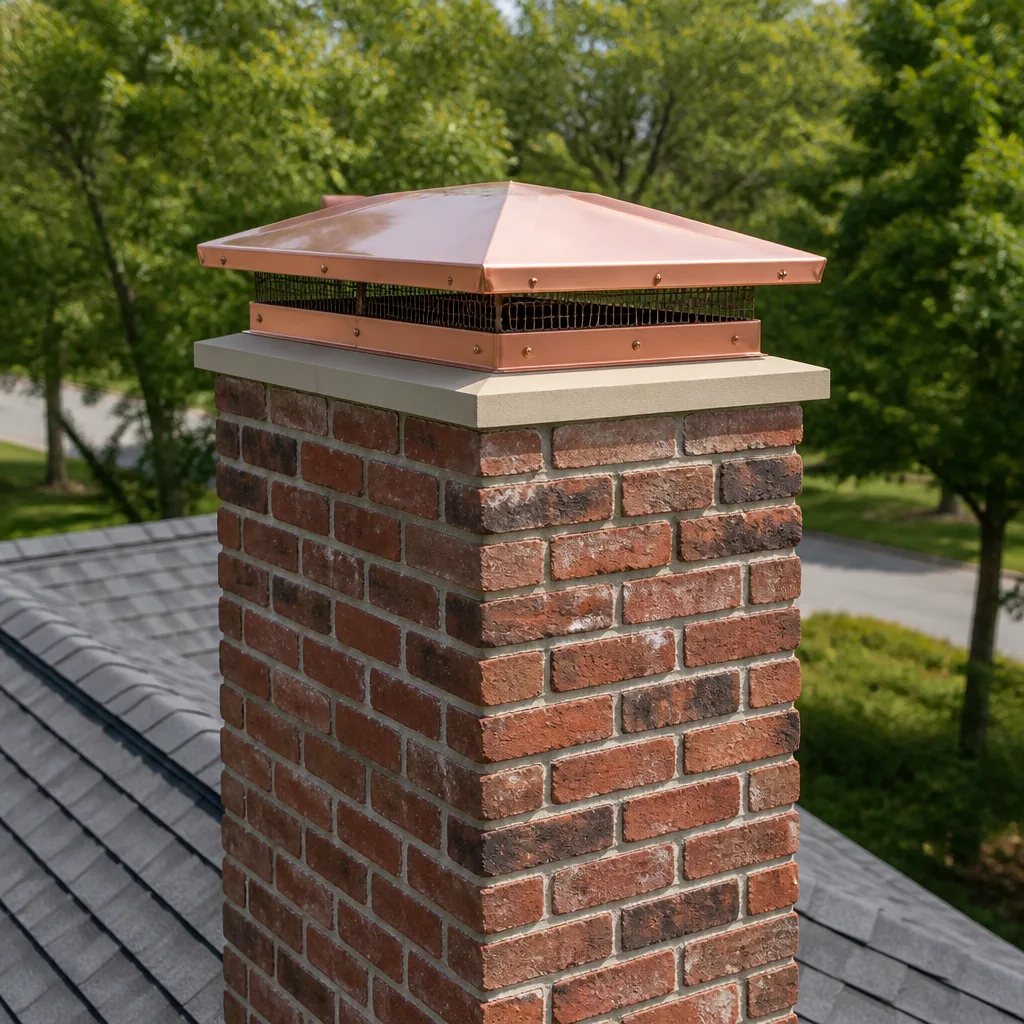
- Flue relining
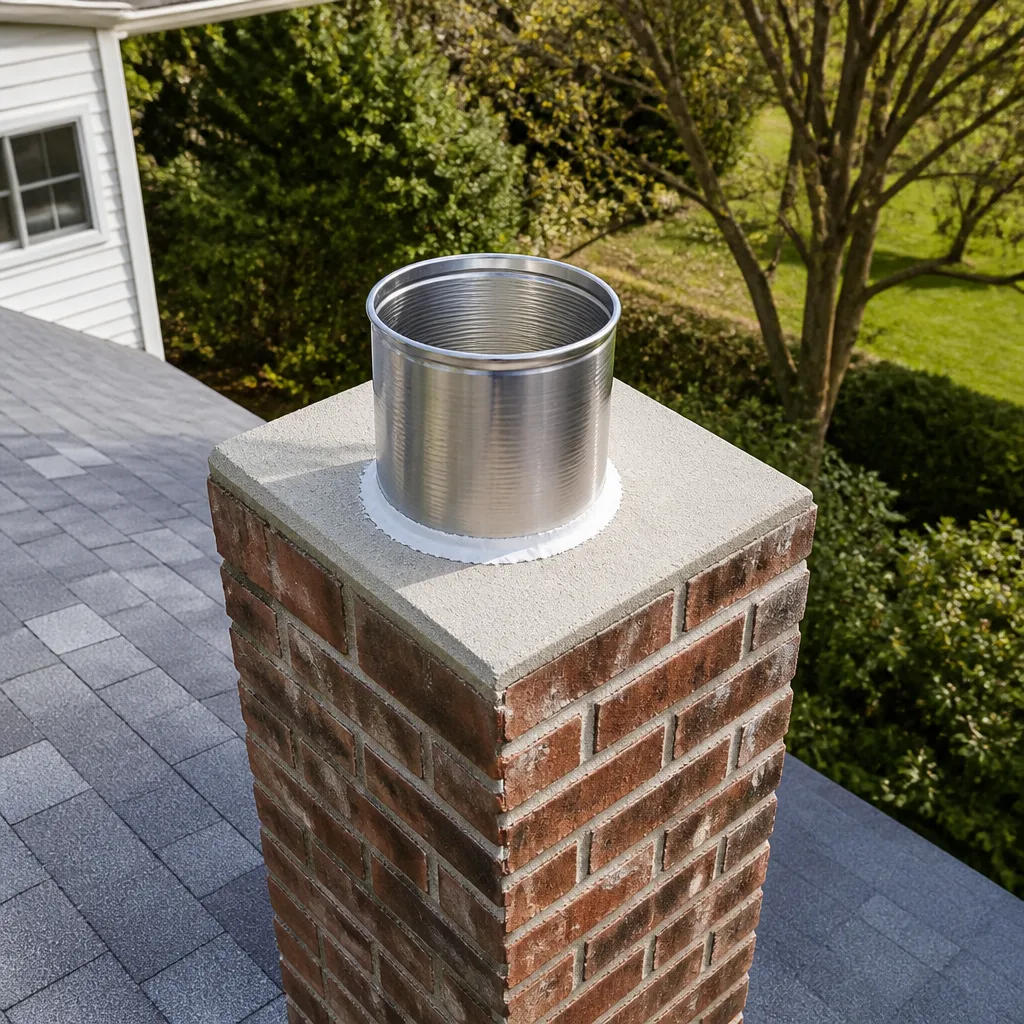
- Masonry repair
- Gas fireplace service
Table of Contents
- How to Recognize an Active Chimney Fire
- The Correct Immediate Response Sequence
- Post-Fire Protocol Before Reusing the Fireplace
- Pre-Season Emergency Preparation for La Mesa Homes
- Why Santa Ana Conditions Change Your Risk Profile
- Spark Arrestors and California Code Requirements
- Common Mistakes to Avoid
- When to Call a Professional
How to Recognize an Active Chimney Fire
A normal fireplace fire makes a soft crackle. A chimney fire makes a sound most people describe as a freight train or a low jet engine, and once you have heard it, you will never confuse the two. The sound comes from air being pulled through the flue at combustion-driven velocity, and it often rattles the damper assembly. It is loud enough to hear from an adjacent room, sometimes from outside the house.
There are three sensory signs that distinguish a chimney fire from normal combustion:
- Roaring sound: A deep, continuous rumble or roar coming from the chimney, not the firebox. It does not rise and fall with the logs. It is steady and mechanical, which is why people reach for the freight-train comparison.
- Intense radiant heat: You will feel heat radiating through the firebox opening and the surrounding masonry face at a level that feels wrong. A normal fire warms the room. A chimney fire feels like standing near an industrial oven, and the brick or stone facing may be too hot to touch within a minute or two.
- Visible sparks or flames from the cap: Look outside at the chimney top. If you see a shower of sparks, dense smoke with an orange glow, or actual flame coming out of the flue, the fire has reached the top and is now throwing embers into the air. This is the point where it becomes a structure-fire risk to your roof and to neighboring properties.
Less obvious signs include chunks of creosote falling into the firebox, a popping sound from the flue, or a sudden change in the color of the smoke from gray-white to dark and oily. Any one of these alone is worth investigating. Two or three together means you are in the middle of an active chimney fire.
La Mesa’s older housing stock matters here. Many homes in the city were built between the 1950s and 1970s, and a fair number still have original masonry chimneys with clay tile liners. Those liners crack under thermal shock, and the gaps let heat and flame reach the mortar joints and the wooden framing around the chimney chase. We have seen the inside of enough of these flues to know that a clean chimney rarely has this problem, while a neglected one is a loaded question.
The Correct Immediate Response Sequence
Your first decisions in a chimney fire should follow a specific order, and each step has a reason. Here is the sequence we recommend for any La Mesa homeowner:
- Close the damper if you can reach it without getting close to the firebox. This cuts off the air supply that is feeding the chimney fire. Less oxygen means lower burn intensity. Do not reach over a hot firebox or put your face near the opening. If the damper handle is hot or you have any hesitation, skip this step and move to step two.
- Evacuate everyone from the house and call 911 from outside. A chimney fire can breach the flue liner and enter the attic or wall framing faster than most people expect. The fire department needs to be on the way before you do anything else. Tell the dispatcher it is a chimney fire, not a regular house fire, because that changes the response priorities.
- Do not use water. Water poured into a hot flue produces steam, and steam expands violently inside a confined masonry or metal space. The thermal shock can crack the liner or blow apart sections of the flue. The same goes for spraying water from a garden hose down the chimney. You will make the fire worse or turn a contained flue fire into a structural fire.
- Move vehicles away from the driveway and clear access to the house. Fire crews in La Mesa need to get close to the structure, and a car parked in the way costs them time. If you can safely move a vehicle, do it while someone else is on the phone with dispatch.
- Do not re-enter the house until the fire department tells you it is safe. Chimney fires sometimes smolder inside the flue or the surrounding framing long after the visible flames are gone. The department will check with thermal imaging. Let them do their job.
What you choose not to do matters as much as what you do. Most chimney fire injuries and escalations come from homeowners trying to fight the fire themselves. You are not fighting this fire. You are getting people out and letting professionals handle it.
Post-Fire Protocol Before Reusing the Fireplace
After the fire is out, the fireplace is not usable until a qualified inspector has looked inside the flue. This is not a suggestion. After any chimney fire, building codes and the National Fire Protection Association standard require a Level 2 inspection before the fireplace returns to service. The purpose of that inspection is not to tell you whether the chimney is dirty. It is to determine whether the structure survived the thermal event.
Here is what the inspector is specifically looking for:
- Liner cracks and separations: Terra cotta tiles crack under rapid temperature rise. A Level 2 inspection uses video scanning equipment to see every foot of the flue interior. Hairline cracks are often a replacement signal, because creosote and heat will find them again.
- Mortar joint damage: The joints between flue tiles can spall or open up during a chimney fire. Gaps create paths for flame and gas to reach the brick structure around the flue, and from there the framing.
- War damage beyond the flue: The inspector checks the smoke chamber, the damper assembly, the firebox refractory panels, and the chimney crown. Heat stress shows up in all of these places.
- Clearance to combustibles: The fire may have degraded the thermal barrier between the masonry and the wooden framing. This is the hidden risk that thermal imaging is meant to find.
If the liner is damaged, a full tear-out and rebuild is not always the answer. In many cases, a resurfacing system like HeatShield can restore a damaged clay liner without a full replacement, provided the damage is within the product’s design limits. For chimneys with more extensive damage or complex offsets, a DuraFlex flexible liner can reline the flue and give you a new stainless interior. The point is that the inspection comes first, and the repair recommendation should be tied to what the camera actually shows you. Never accept a liner recommendation without seeing the scan footage.
We do this work in La Mesa and the surrounding area, and we make a point of showing customers the video from their own flue before we talk about repair options. If a company will not show you the footage, get a second opinion.
Pre-Season Emergency Preparation for La Mesa Homes
The best way to survive a chimney fire is to make it unlikely, and the best backup is to be ready when it happens anyway. Here is a pre-season preparation checklist that works for La Mesa’s climate and housing stock:
- Schedule a professional chimney sweep before the first fire of the season. A clean flue does not have the creosote accumulation that feeds a chimney fire. The National Fire Protection Association recommends cleaning when creosote reaches 1/8 inch of buildup, and for most regular fireplace users that means once a year. If you burn a lot of softwood or unseasoned wood, you may need it more often.
- Keep a chimney fire suppressant near the firebox, not in a kitchen drawer across the house. A product like Chimfex works by dropping into the firebox and releasing a gas that starves the fire of oxygen. It is not a substitute for calling 911, but it can buy you time. Store it where an adult can grab it in seconds, and replace it after its expiration date.
- Know your flue dimensions. When you call a sweep or a repair company, they will ask. You can find them on the tag from your last inspection, or measure the flue opening at the firebox if you know what you are looking at. Having the numbers posted near the firebox saves time during a service call.
- Post service contact information near the firebox. When your fireplaces goes down during the first cold snap of the year, you do not want to be searching for a phone number. Write it down and tape it to the wall beside the mantel or inside the firewood storage area. Call (833) 593-6651. We answer 24/7. Fast dispatch from 7am to 7pm, Sunday through Friday.
- Check your smoke and carbon monoxide detectors. Both are part of the same safety system. A chimney fire produces smoke and carbon monoxide before it shows visible flame, and detectors give you early warning. Replace batteries at the start of every burn season.
Finally, take a hard look at what you burn. Unseasoned wood is the single biggest contributor to rapid creosote accumulation. La Mesa does not get cold enough to justify burning wet wood out of desperation. Buy or split your firewood at least six months ahead, store it covered, and burn hot fires that do not smolder. A hot fire produces less creosote and is easier on the chimney.
Why Santa Ana Conditions Change Your Risk Profile
La Mesa sits far enough inland that it feels the full force of Santa Ana winds every fall. Those winds are warm, dry, and steady, and they arrive during the exact season when people start lighting fireplaces again. The interaction between Santa Ana conditions and fireplace use creates a genuine elevated risk for chimney fires in this city, and most homeowners do not think about it until they see smoke on the horizon.
The mechanisms are straightforward:
- High wind speeds create strong draft through the flue. The same wind that dries out vegetation also pulls air through your chimney at a higher rate. That means more oxygen to the fire, a faster burn, and a hotter flue. A chimney that would burn at a manageable 400°F on a calm night can run at 800°F or more on a Santa Ana evening, and that is the range where creosote ignites.
- Low humidity makes creosote more flammable. Creosote is a tar-like residue with a variable water content. Dry Santa Ana conditions reduce that water content, which lowers its ignition temperature. The same buildup that smoldered harmlessly through a damp coastal winter can flash over when the air is dry and the wind is pushing flame up the flue.
- Ember cast becomes a property-level threat. If a chimney fire reaches the cap and starts throwing sparks, those sparks land on roofs, in gutters, and on dry landscaping. In Santa Ana conditions, that is how a contained chimney fire becomes a wildland-urban interface event. La Mesa has canyons and brush-covered hillsides, and a single ember landing in the wrong place creates a problem far bigger than your fireplace.
This is not a reason to avoid using your fireplace. It is a reason to treat chimney maintenance as a fire-safety obligation, not a courtesy. A clean flue with an intact liner and a functioning spark arrestor changes the math entirely. A dirty flue with a missing cap and cracked tiles turns a Santa Ana evening into a roll of the dice.
Spark Arrestors and California Code Requirements
A properly installed stainless steel cap with an integrated spark arrestor is the single most effective piece of passive fire protection you can add to a chimney in La Mesa. It reduces the chance of floating embers leaving the flue, and it keeps out rain, debris, and animals that can block the flue and cause its own set of problems.
Here is what to look for:
- Stainless steel construction. Galvanized caps rust and fall apart in a season or two. Stainless steel holds up in direct sun and wind exposure, and it does not react with the acidic compounds in creosote smoke.
- Mesh gauge that meets California standards. The mesh around the cap should be 5/8 inch to 3/4 inch openings. That is small enough to stop embers while still allowing adequate draft. Mesh that is too fine clogs with creosote and restricts airflow, which makes the fireplace burn dirty and can create a backdraft situation.
- Proper sizing and attachment. The cap must fit the outside dimensions of the flue tile or the top of a liner. A cap that is too small restricts draft. One that is too large lets embers sneak around the edges. It should be mechanically fastened, not just set in place with dabs of adhesive that fail under heat cycling.
In our experience, the most common spark arrestor problem we find in La Mesa homes is a cap that was installed decades ago and has rusted through, or a cap that was never installed in the first place. Older masonry chimneys often predate modern cap requirements, and many homeowners simply never added one. That is a quick fix with a meaningful impact on fire safety.
Sweep, inspect, repair, and cap. The same crew that cleans your chimney can assess the cap, replace it if needed, and make sure the spark arrestor is doing its job. One call covers the whole system.
Common Mistakes to Avoid
- Pouring water on a chimney fire. Water hitting a hot flue creates explosive steam and thermal shock. It cracks liners and can send hot creosote and embers into the house. The fire department has the training and the right equipment. You do not.
- Reusing the fireplace without a post-fire inspection. The flue may look fine from the firebox. It is not fine. Hidden liner damage is invisible to the eye and will fail the next time you burn hot. A Level 2 inspection is mandatory after any chimney fire, and skipping it is how houses burn down twice.
- Treating the chimney as separate from the roof and the landscape. In La Mesa, a chimney fire is not just about the flue. It is about what happens when an ember lands on a wood shake roof or in dry brush. Your chimney, your roof, and your defensible space are one system during Santa Ana season.
- Waiting until the first cold snap to schedule a sweep. Every sweep company in San Diego County gets flooded with calls the same week the weather turns. That backlog means some people burn for a month with a dirty chimney because they could not get on the schedule. Call before you need the fireplace.
- Burning anything other than seasoned firewood. Construction scraps, treated lumber, wrapping paper, and cardboard all produce byproducts that coat the flue faster than normal firewood. Some of them release compounds that corrode metal liners. Burn seasoned hardwood only.
- Ignoring the dryer vent because it is not a fireplace. The same house that gets a careful chimney inspection every year often has a dryer vent that has not been touched in a decade. Lint is combustible, and a clogged dryer vent is a structure fire waiting to happen. If you are doing fire-safety prep for the house, include the dryer vent cleaning on the same list.
When to Call a Professional
Call a professional if you see creosote buildup thicker than a pencil line on the firebox walls, if you smell a campfire-like odor from the chimney when the fireplace is not in use, if you notice cracked or missing mortar joints on the chimney exterior, or if you have just bought a home in La Mesa and have no record of when the chimney was last cleaned. Any of these signals means the system needs eyes on it before the next fire. If you have already experienced a chimney fire, the answer is automatic: schedule a Level 2 inspection before you even think about burning again. Chimney Cleaning La Mesa offers free estimates in La Mesa and the surrounding area. Call (833) 593-6651. We answer 24/7. Fast dispatch from 7am to 7pm, Sunday through Friday.
See the difference
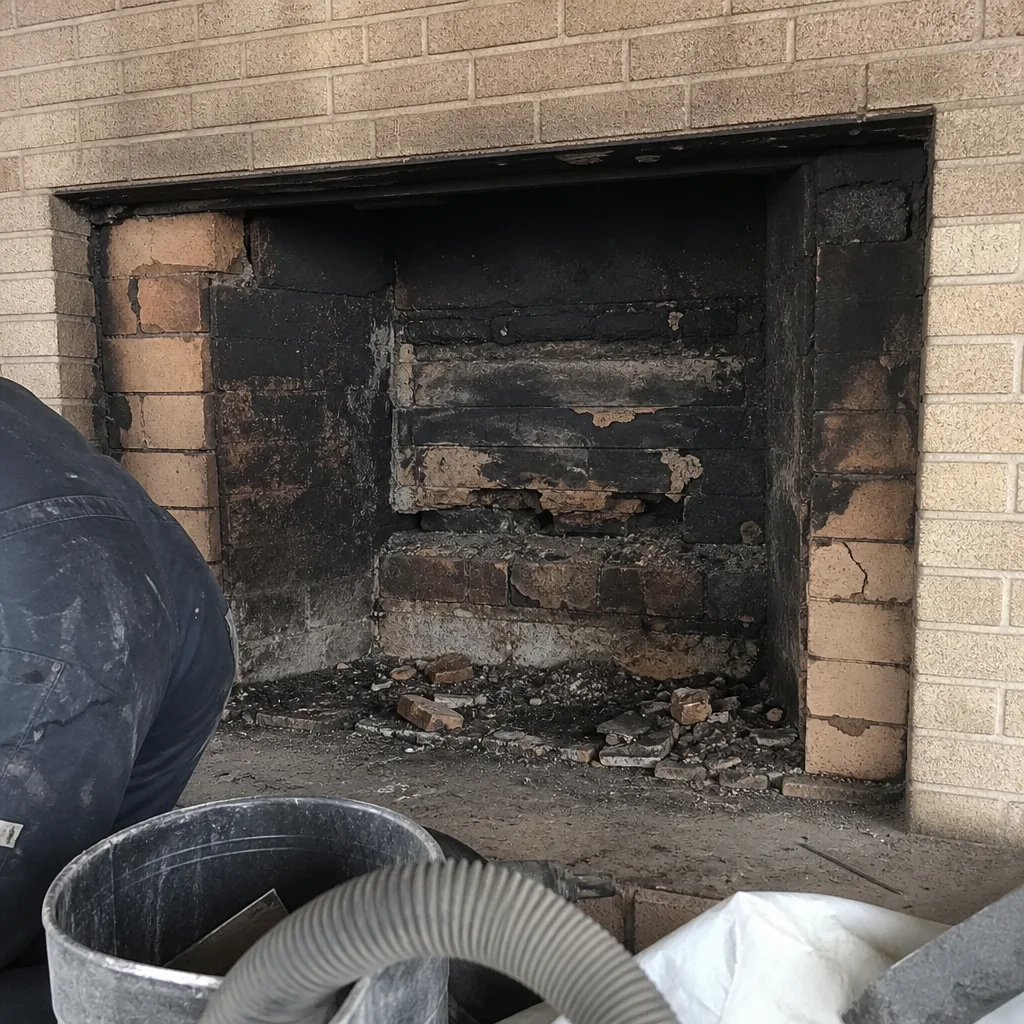 Before
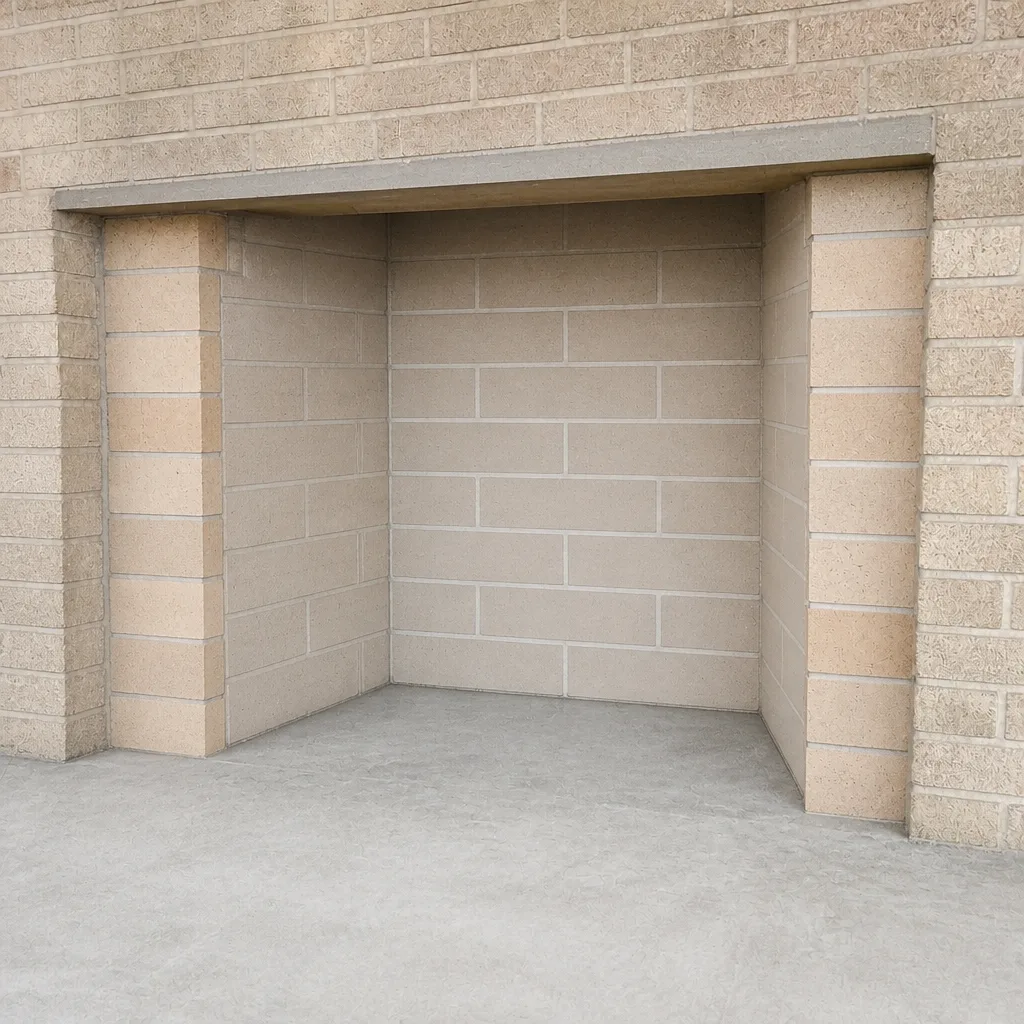 After
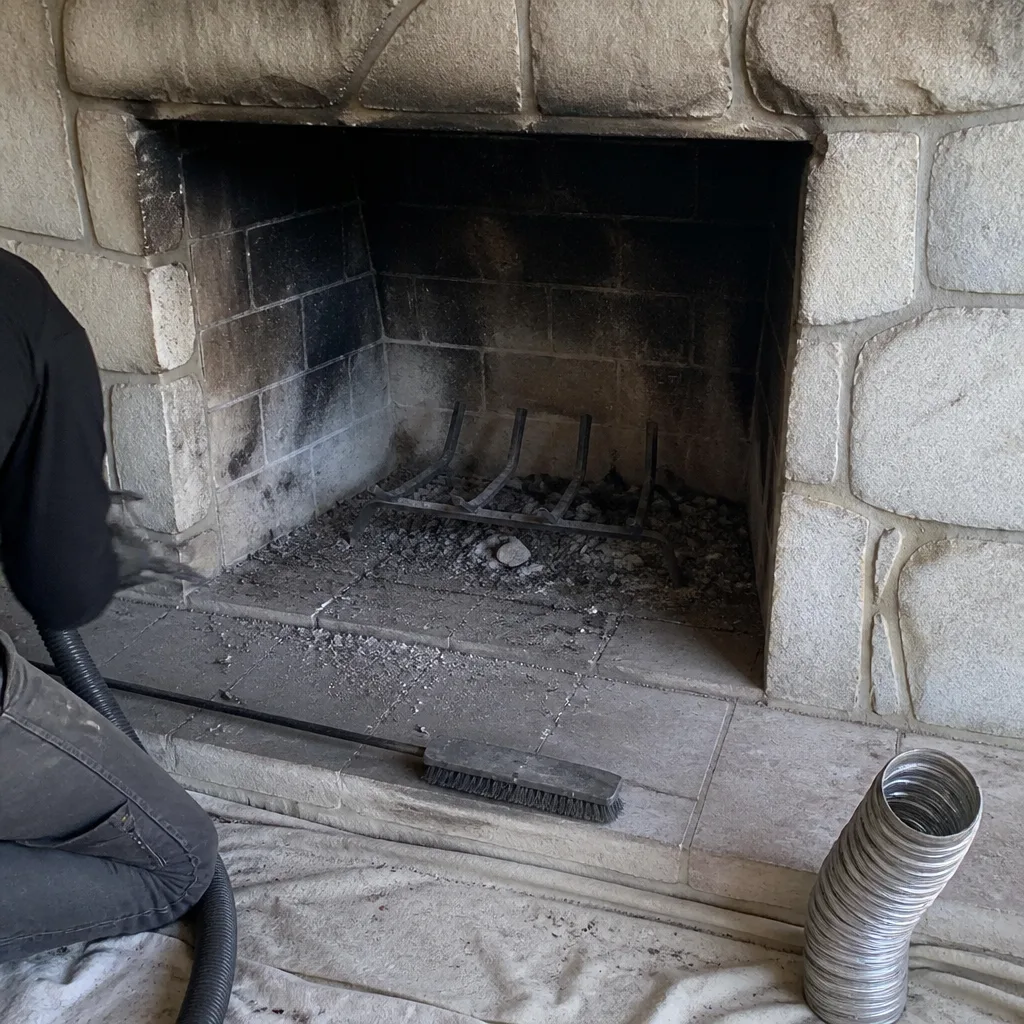 Before
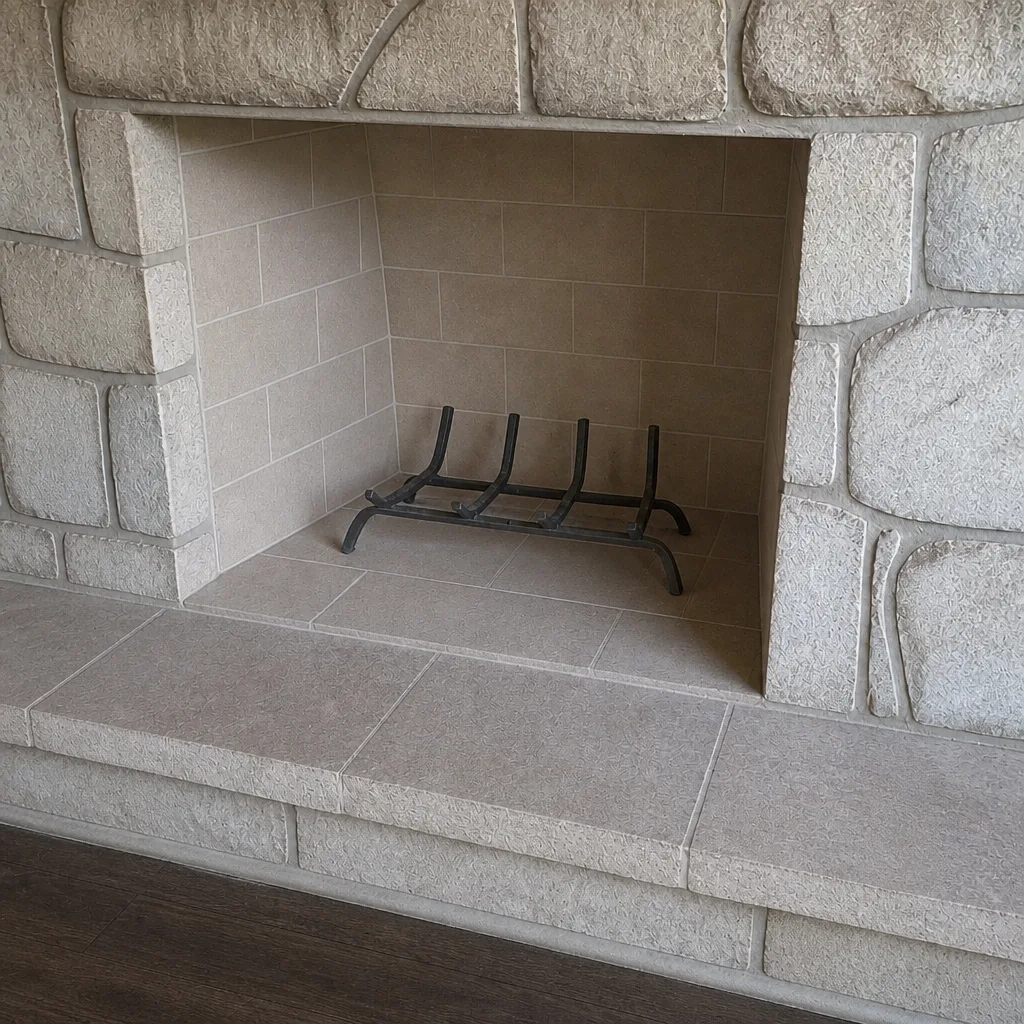 After
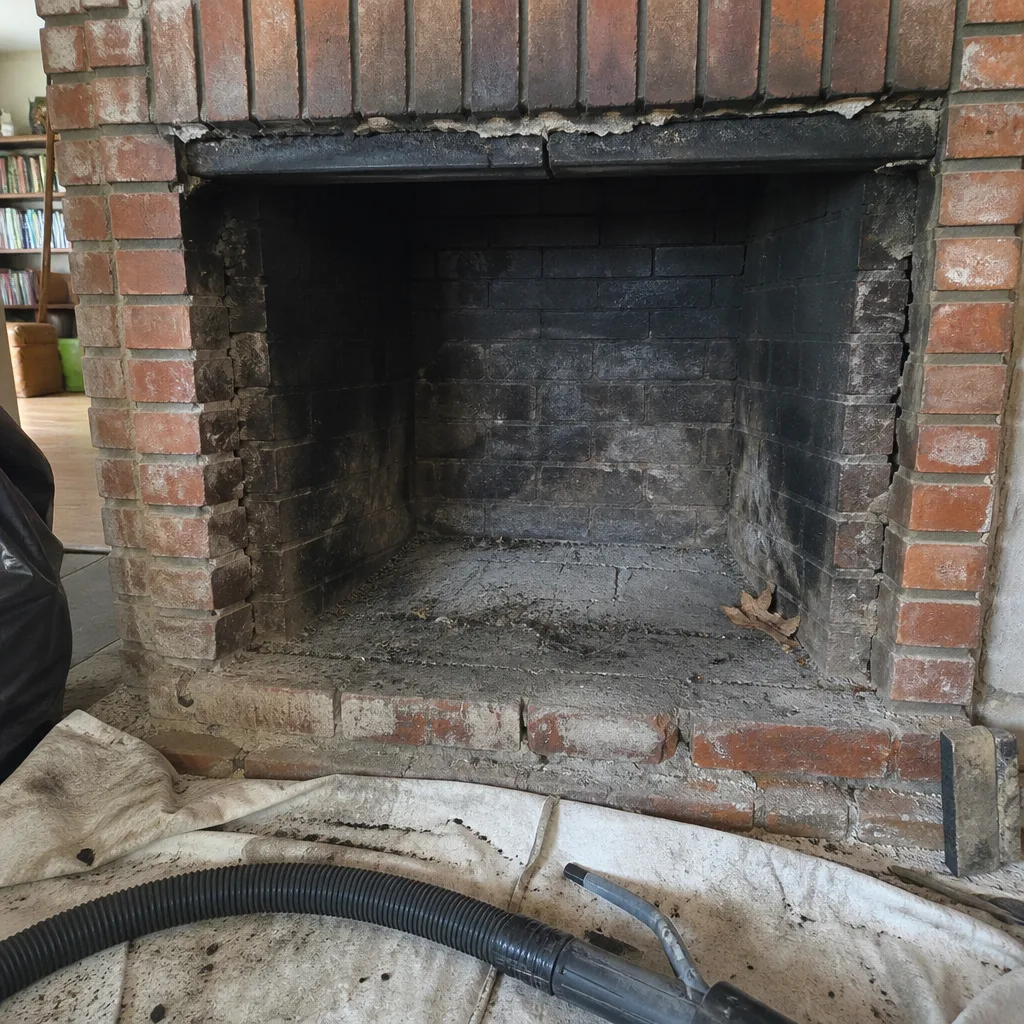 Before
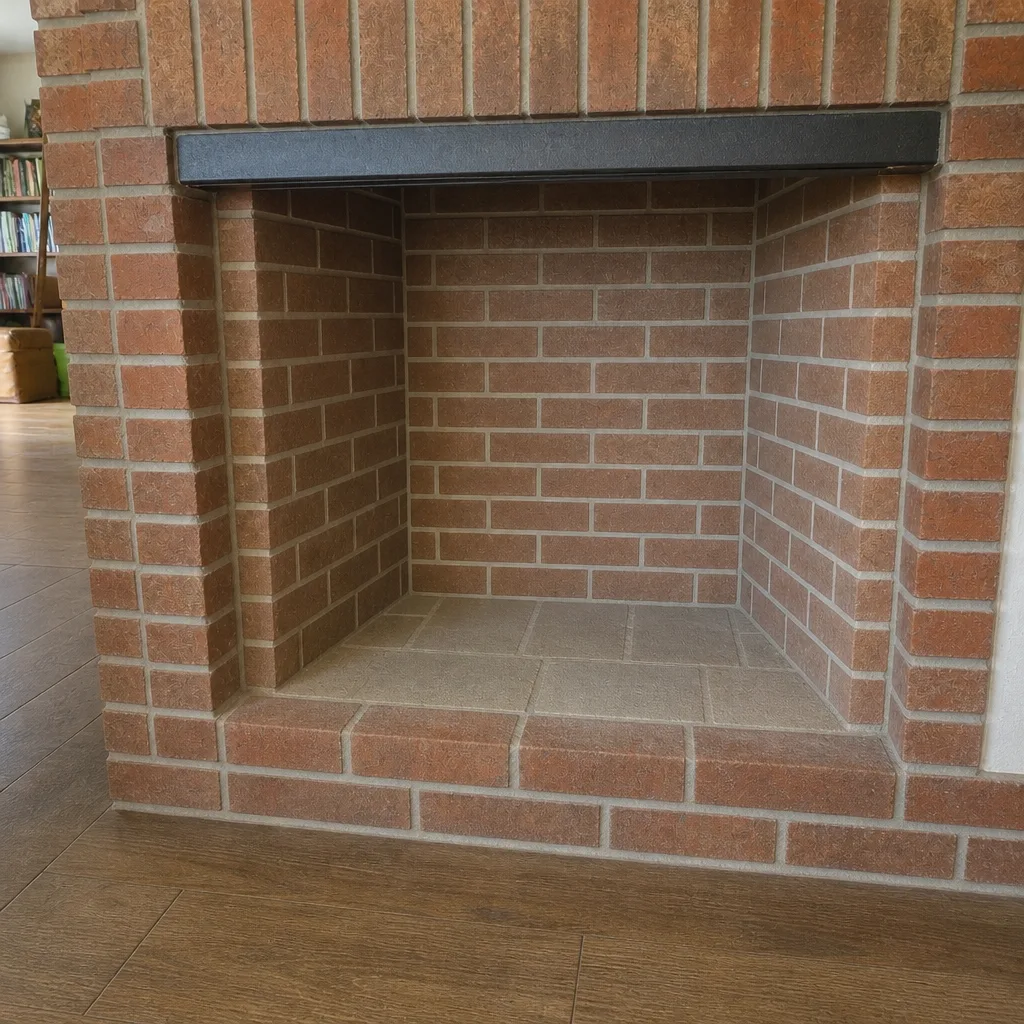 After
Frequently Asked Questions
You will usually hear a loud roaring sound from the chimney, feel intense heat radiating from the firebox, and possibly see sparks or flames coming from the chimney cap outside. Any combination of these signs means call 911 and evacuate.
Close the damper if you can reach it safely, get everyone out of the house, and call 911 from outside. Do not pour water on the fire. Stay out until the fire department clears the structure.
A typical Level 2 chimney inspection in the La Mesa area runs between $150 and $350 depending on the chimney height and accessibility. Chimney Cleaning La Mesa offers free estimates, and we’ll give you a written quote before any inspection work begins.
Not until a professional completes a Level 2 inspection and confirms the liner and mortar joints are intact. Using the fireplace before that inspection risks a second fire that can spread into the framing and become a full structure fire.
For most La Mesa homes that use the fireplace regularly during the winter months, once a year is the right interval. If you burn softwood, use the fireplace more than three nights a week, or have an older flue, you may need twice-a-year cleaning. A visual inspection during the sweep will tell you.
Get a professional chimney sweep before the season starts, keep a chimney fire suppressant near the firebox, check that your smoke and carbon monoxide detectors work, and make sure your spark arrestor cap is in good condition. The combination of a clean flue and a functional cap removes the two biggest risk factors in La Mesa’s windy fall conditions.
The Bottom Line
Chimney fires are not a remote possibility for La Mesa homeowners. The combination of older masonry chimneys, Santa Ana winds, and a burn season that starts right when those winds arrive creates a risk profile that deserves more attention than most people give it. The preparation is straightforward: clean the flue before the season, cap it with a proper spark arrestor, know what an active chimney fire looks and sounds like, and have a response plan that starts with closing the damper and ends with calling 911 from outside. After any chimney fire, the fireplace is off-limits until a Level 2 inspection proves the structure survived. No exceptions. If the inspection shows liner damage, restoration options like HeatShield or DuraFlex relining can often save the chimney without a full rebuild. The goal is not to fear your fireplace. It is to respect it enough to prepare for the one night it misbehaves.
For a professional Chimney Cleaning La Mesa service, call (833) 593-6651. We answer 24/7. Fast dispatch from 7am to 7pm, Sunday through Friday. Serving La Mesa and the surrounding communities with sweeps, inspections, and repairs that keep your home burning safely.
Written by the team at Chimney Cleaning La Mesa, serving La Mesa since 2013.