

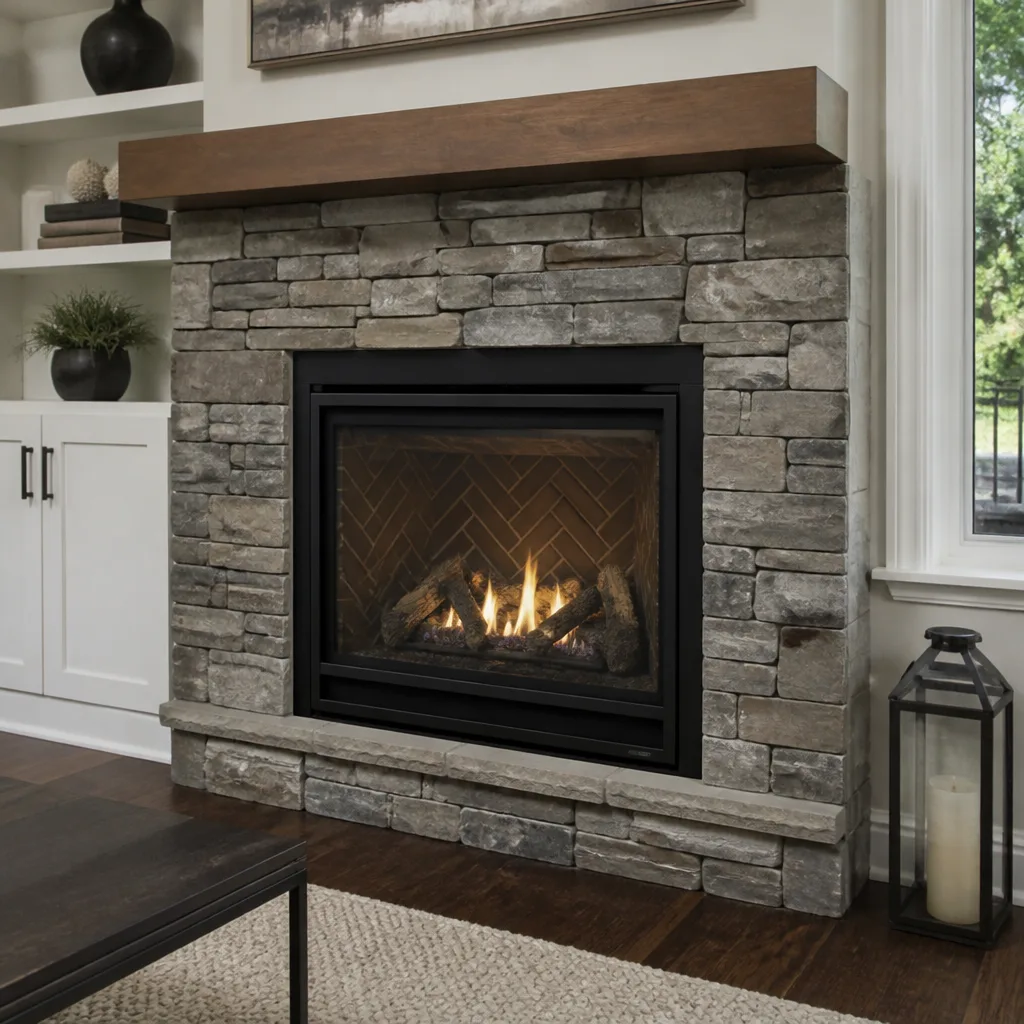
 Gas fireplace service
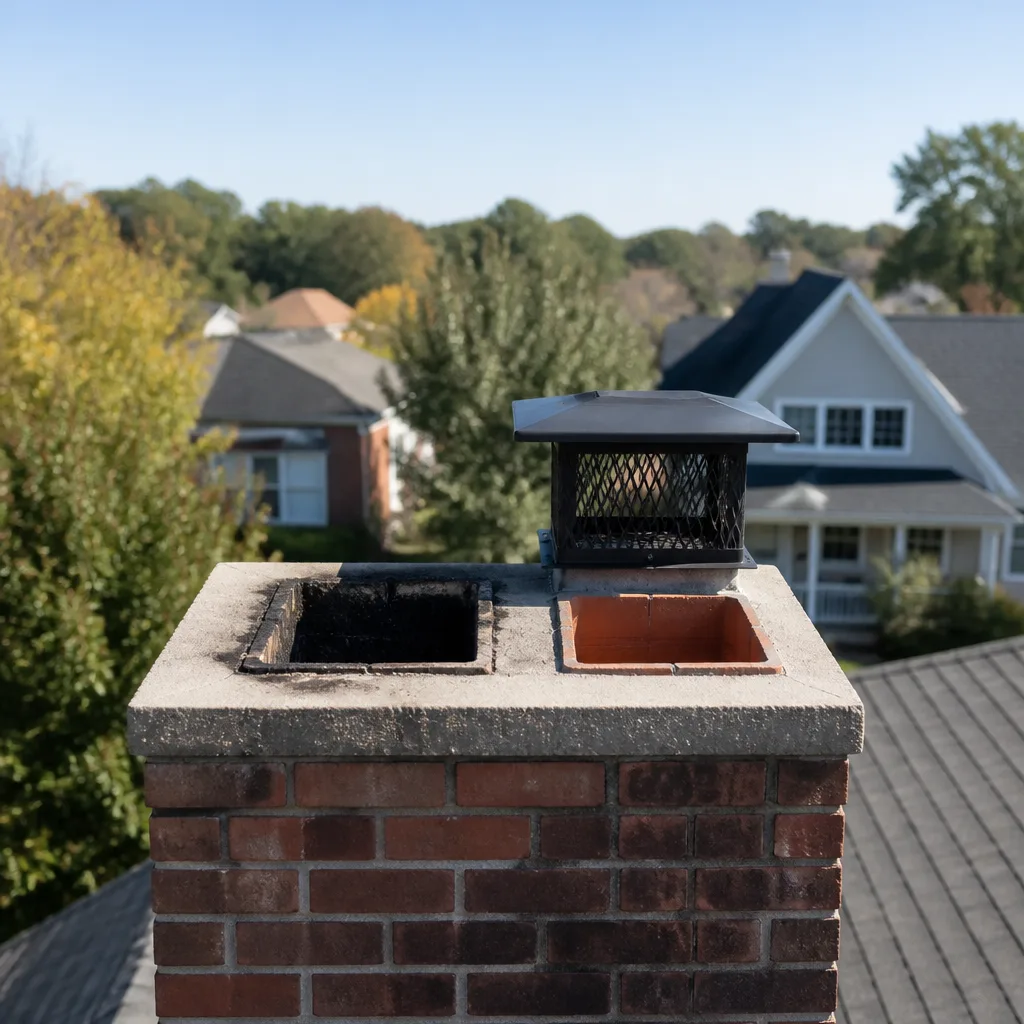 Sweep & inspection
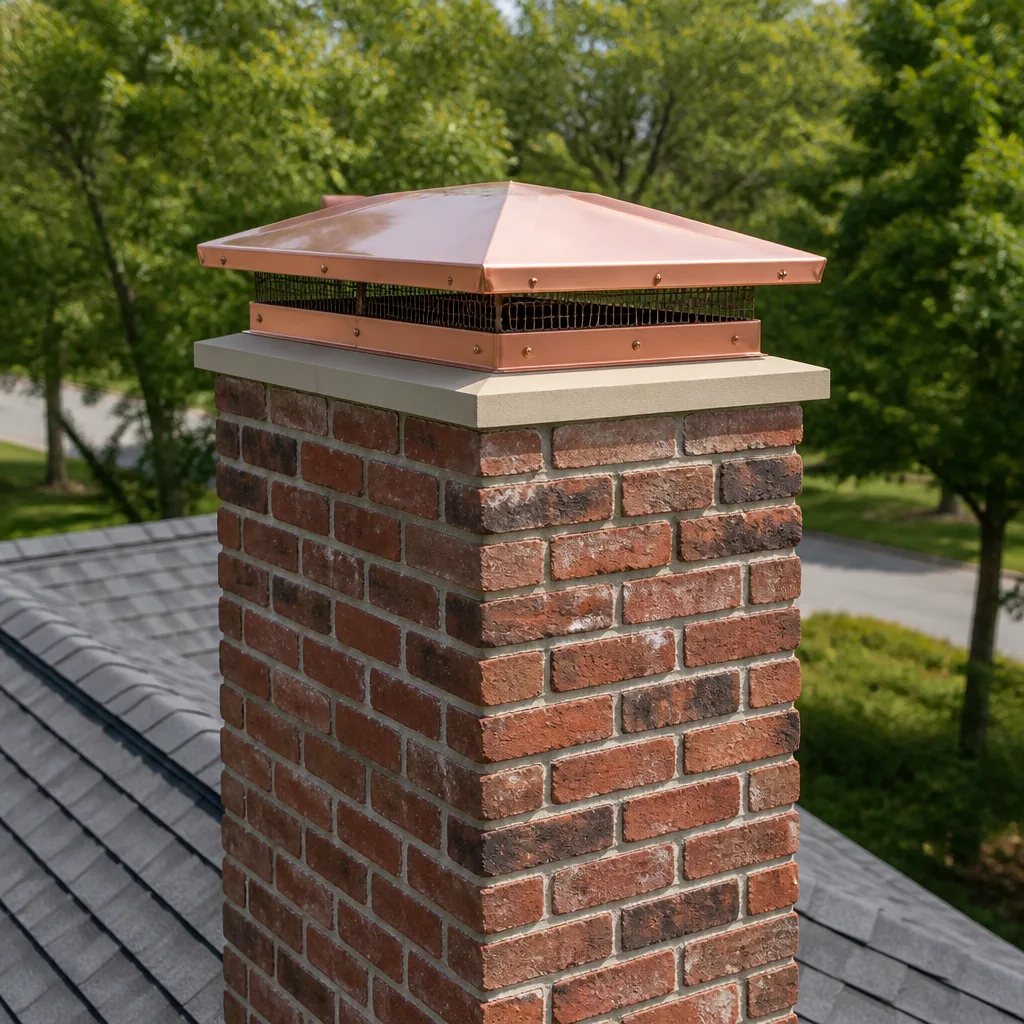 Caps & crowns
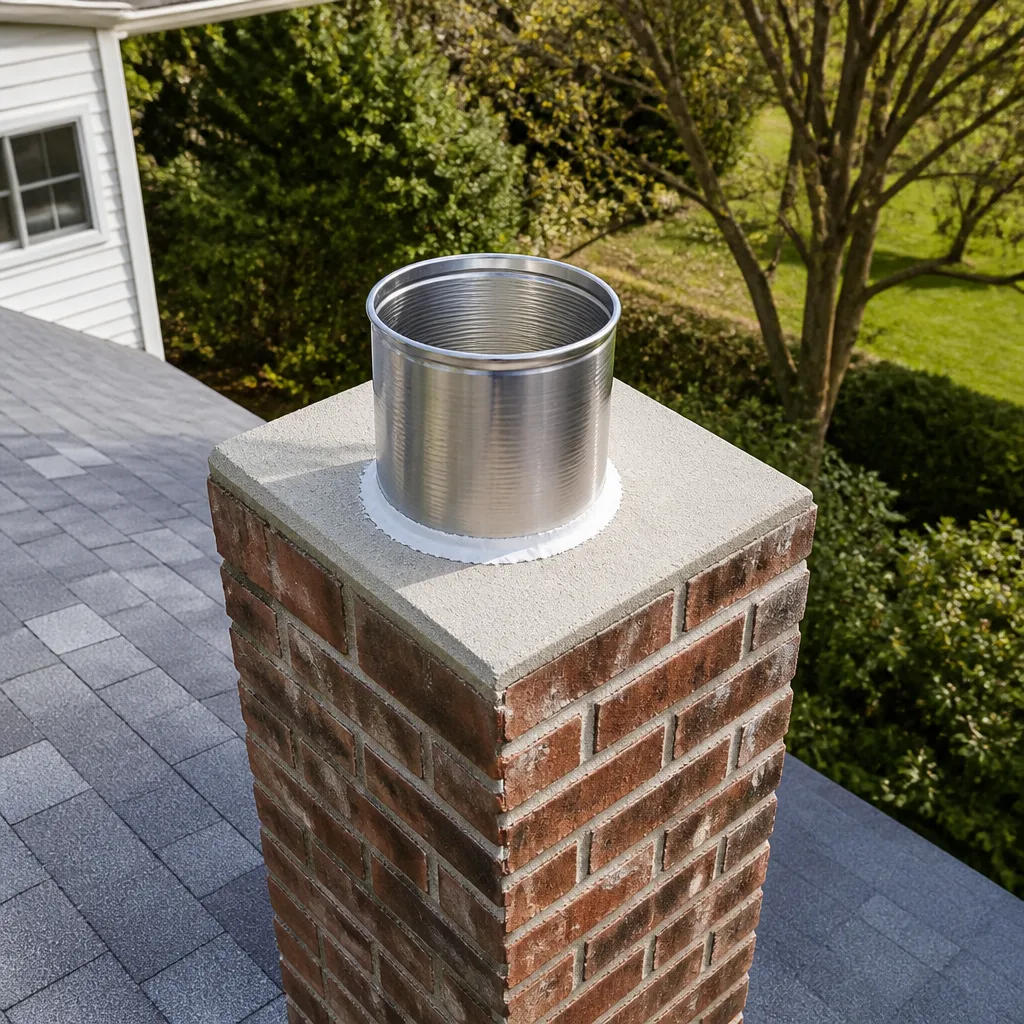 Flue relining
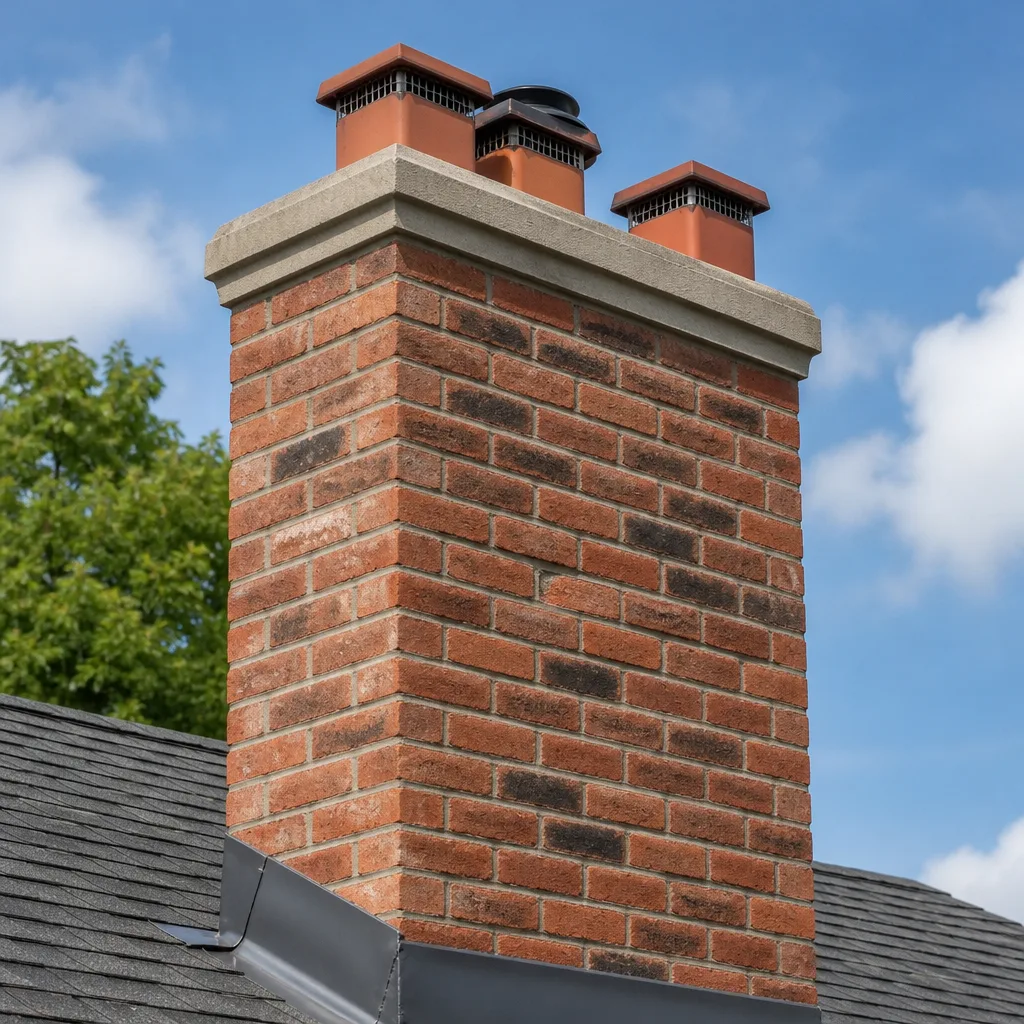 Masonry repair
Level 1 sweep and inspection to the NFPA 211 annual standard - flue, crown, cap, and flashing checked and photographed
Chimney sweep logs do not sweep chimneys. They loosen some creosote - which then falls where a brush and vacuum still have to collect it.
Why La Mesa Homeowners Choose HeatShield Chimney Cleaning
We provide independent HeatShield chimney cleaning, inspection, and repair across La Mesa, working on cast-in-place ceramic liners in ranch homes, foothill builds, and older bungalows throughout the city. Our crews use HeatShield Cerfractory Flue Sealant and resurfacing mortar when a liner can be saved, and we’re honest when it can’t. That repair-or-replace judgment, backed by camera inspection, is what sets our HeatShield work apart. We are not affiliated with, authorized by, or endorsed by HeatShield. We’re an independent chimney company that knows the product well enough to service it correctly in La Mesa’s coastal-influenced climate. Call (833) 593-6651 for a free estimate. We answer 24/7. Fast dispatch from 7am to 7pm, Sunday through Friday.
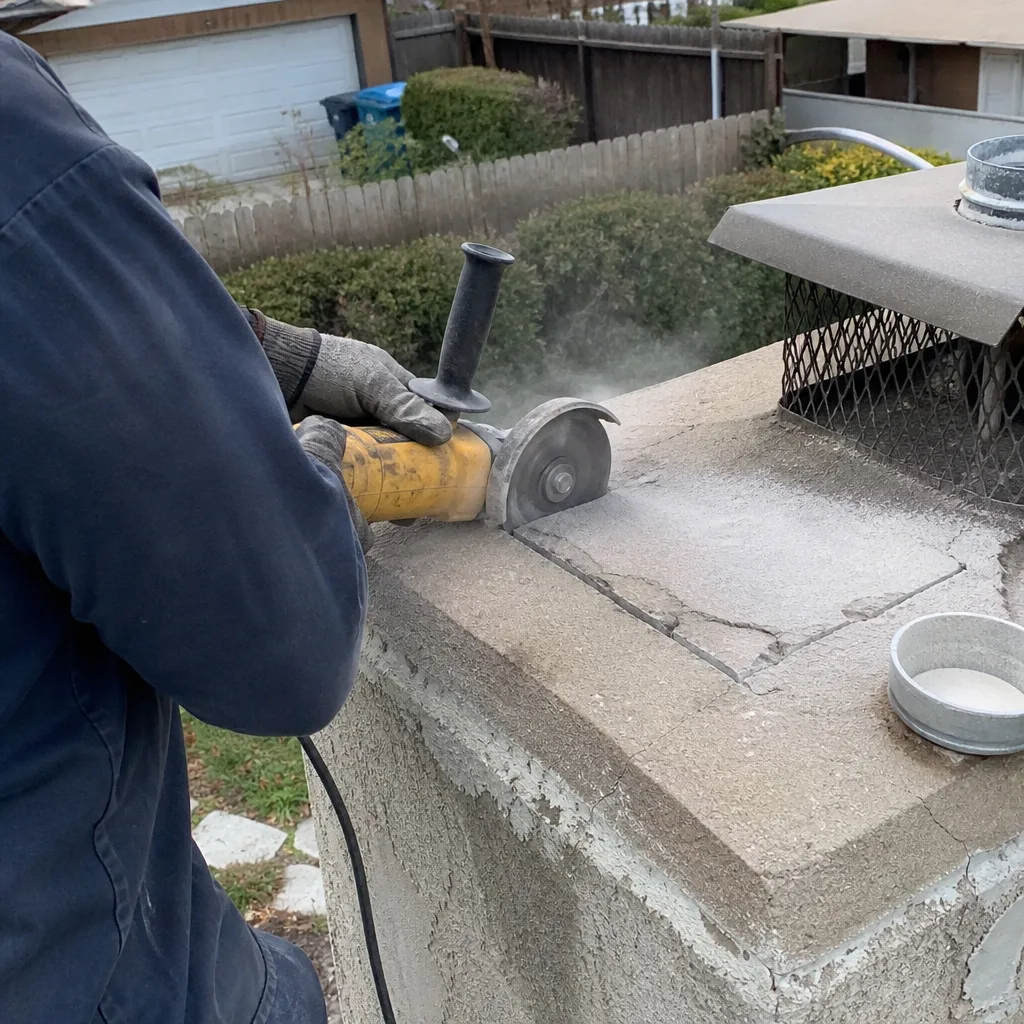
Why Trust Chimney Cleaning La Mesa for Your HeatShield Chimney Cleaning?
HeatShield is a flue resurfacing product, and working with it correctly takes more than a brush and a flashlight. A liner that’s debonding at the tile interface, a smoke chamber with rough parging that traps creosote, a flue collar showing hairline cracking from thermal cycling: those are the failures we look for before we ever touch the surface. Lance McCoy grew up in the Grossmont area of La Mesa and trained in HVAC and building systems technology at Grossmont College. He spent years working through fireplace and chimney service across San Diego County before starting Chimney Cleaning La Mesa in 2013. That background means our techs understand the difference between a HeatShield liner that’s dirty and one that’s quietly failing, and they know how to clean the ceramic surface without scouring it. We show you the camera footage. We explain what we found. Then we tell you straight whether recoating makes sense or whether you’re throwing money at a liner that’s already gone.
Styles & brands we work with
- Sweep & inspection
- Caps & crowns
- Flue relining
- Masonry repair
- Gas fireplace service
Common HeatShield Chimney Cleaning Problems We Fix in La Mesa
HeatShield liners fail in predictable ways, especially in La Mesa’s older masonry chimneys. Here’s what we typically find during a cleaning or Level 2 inspection:
- Cracking and spalling at the flue collar and smoke chamber transition. Thermal cycling from occasional winter fires, combined with the subtle seismic movement common in La Mesa’s foothill homes, stresses the ceramic lining where the firebox narrows into the flue. Hairline cracks here widen over time, and spalled fragments can drop into the smoke shelf. This is where we start looking on any mid-century ranch with an original masonry chimney.
- Debonding from the original clay tile substrate. The coastal moisture that rolls up from the marine layer toward Mount Helix doesn’t stay outside. It works into masonry pores, and over years it contributes to the HeatShield lining separating from the original clay tile behind it. During inspection, those areas sound hollow when tapped. A debonded section traps heat and moisture and eventually cracks.
- Deteriorated smoke chamber parging. The smoke chamber is the roughest part of any chimney to clean well, and when the HeatShield parging there degrades, it leaves a rough, porous surface. Sticky creosote from slow-burning fires adheres to it, and the buildup becomes corrosive. Re-parching the smoke chamber isn’t a cosmetic fix. It’s the difference between a flue that stays clean for a season and one that’s re-coated with creosote within weeks.
- Surface erosion from acidic condensates. In gas-converted fireplaces or wood stoves run at low burn rates, the exhaust doesn’t get hot enough to carry moisture out of the flue. That moisture condenses on the HeatShield surface and turns mildly acidic. Over time it pits and erodes the ceramic, leaving a rough, gritty texture. A homeowner might notice a white, chalky film, or the liner surface feels like fine sandpaper. That’s chemical erosion, not just soot.
- Creosote adhesion on rough or spalled areas. Once the HeatShield surface loses its smoothness, everything sticks to it. Stage two creosote, the flaky, tar-like kind, bonds to pits and spalled sections and becomes difficult to remove without damaging the liner further. In La Mesa’s dryer eastern neighborhoods, where Santa Ana winds carry fine ash into uncapped chimneys, that ash mixes with creosote and forms a gritty paste that accelerates surface wear.
HeatShield Parts & Our Repair-vs-Replace Approach
When a HeatShield lining is structurally sound but showing surface wear, we use genuine HeatShield repair materials to recoat or patch the damaged area. That means HeatShield Cerfractory Flue Sealant for small cracks and gaps, and HeatShield Resurfacing Mortar for larger spalled or eroded sections. We are not a HeatShield dealer, and we don’t claim to stock original equipment manufacturer parts. What we do is assess the liner’s structural integrity first. If the lining has debonded from the original clay tile, recoating the surface won’t fix what’s underneath. In those cases, we’ll recommend a quality aftermarket ceramic or stainless liner, and we’ll explain why patching would be wasted money. If the liner can be saved, we’ll prep the surface properly and reapply. Our stance is simple: restore before replacing, but never patch a liner that’s already failed at the interface. The written estimate sets the final price, and it reflects what the camera showed us, not a guess. Call (833) 593-6651 to schedule an inspection.
Our HeatShield Service Process – Step by Step
Every HeatShield job in La Mesa follows the same sequence. Here’s how it works:
- 1
Visual and camera inspection. We start with a Level 2 inspection when the situation calls for it, running a camera through the flue to document the HeatShield surface condition, check for debonding at the tile interface, and measure creosote buildup. You see the footage with us, in real time.
- 2
Surface prep. If we’re recoating or patching, we remove creosote and soot from the affected area without aggressive abrasives that would scour the ceramic. Loose, spalled material comes out. The surface gets conditioned so the repair material bonds correctly.
- 3
Repair or reapplication. We apply HeatShield resurfacing mortar or Cerfractory sealant to the prepared area, working it into cracks and rebuilding the smoke chamber parging where needed. Then we check for voids and ensure the repaired surface is smooth and contiguous.
- 4
Verification test. After the material sets, we run the camera again to confirm the repair is solid, the flue path is clear, and there’s no remaining creosote pocket or debonded section. You get the before and after.
- 5
Written condition report. We document what we found, what we did, and what we’d watch going forward. No scary upselling, just an honest record of the liner’s condition.
We were called to a 1950s ranch-style home in La Mesa where the homeowner had a HeatShield-cast liner behind a wood-burning insert and was noticing a smoky smell on cool evenings. During a Level 2 inspection, our tech found the ceramic lining had debonded along one seam in the smoke chamber, creating a pocket where creosote had built up and was seeping through. We removed the creosote, prepped and re-coated the affected area with HeatShield resurfacing mortar, and sealed the smoke chamber. The homeowner reported the smell was gone and the insert drafted noticeably better.
See the difference
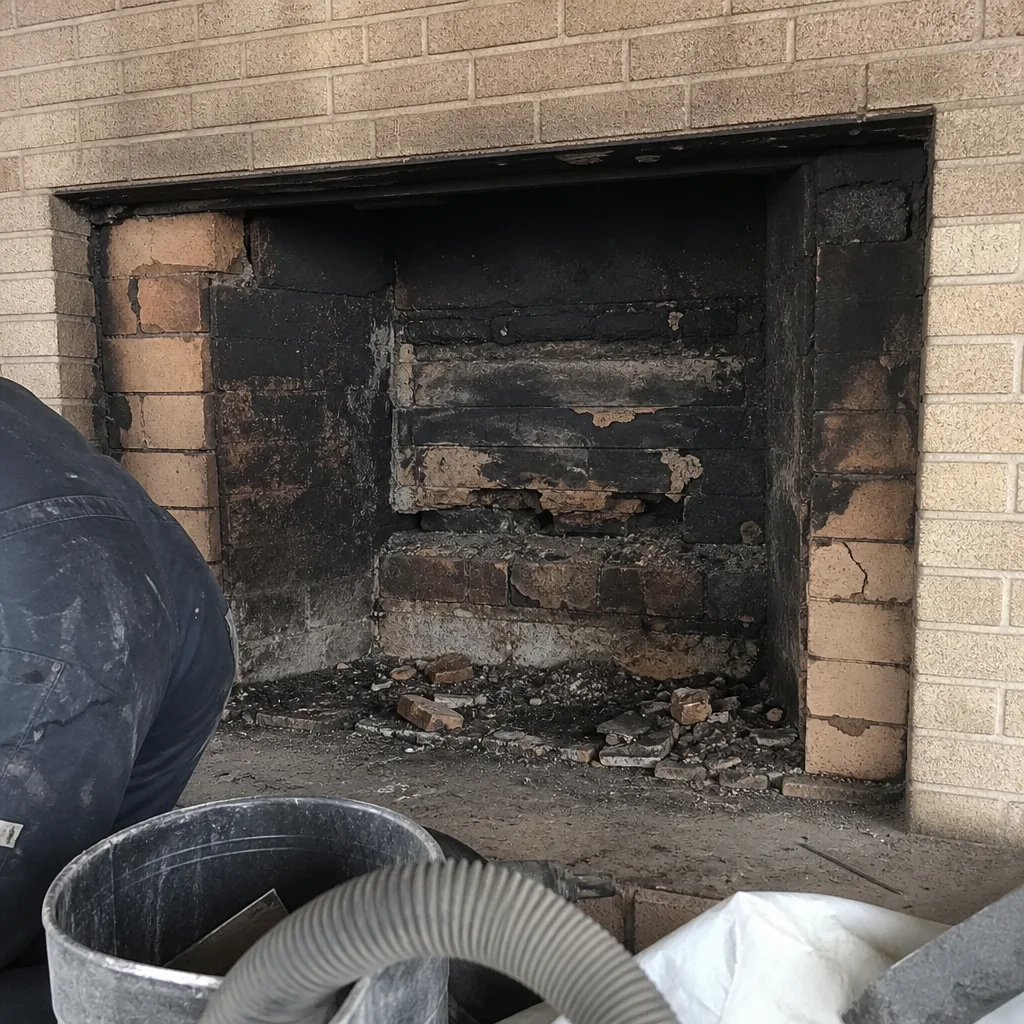 Before
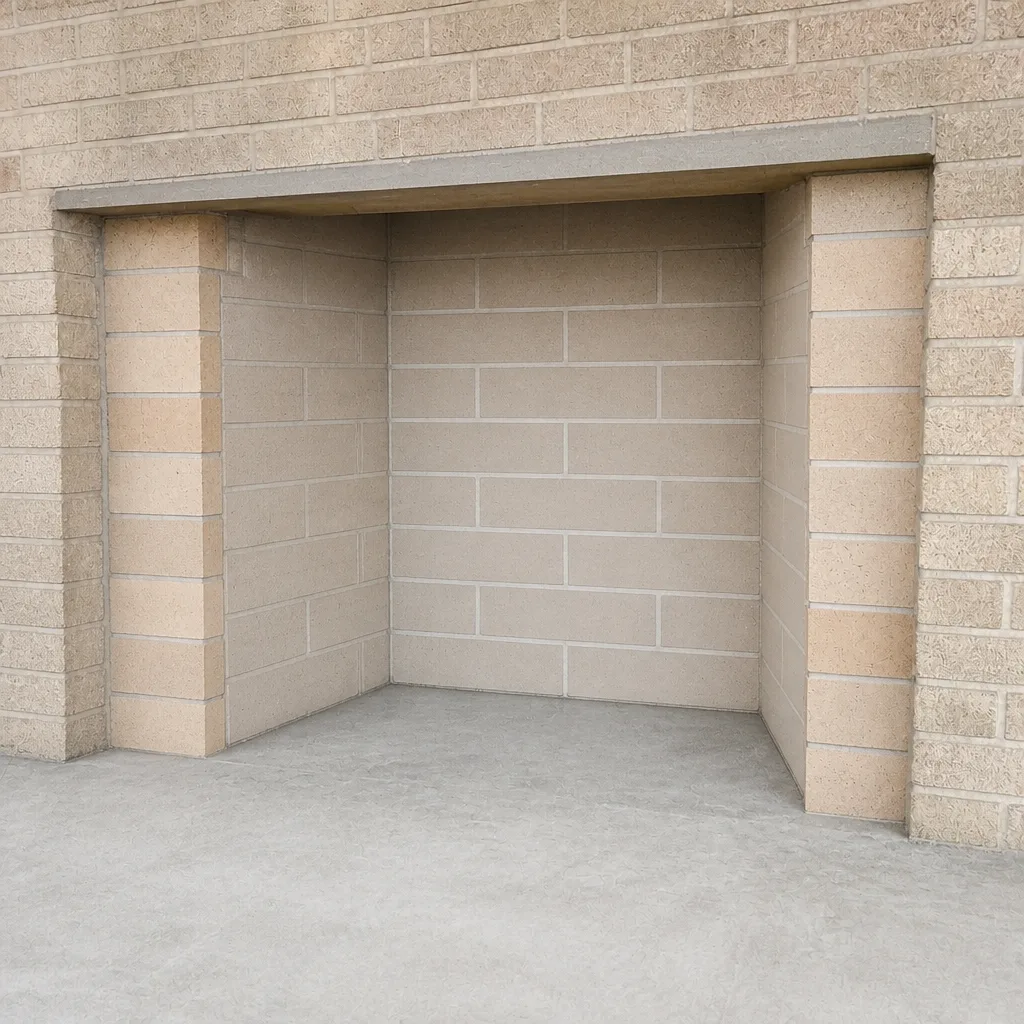 After
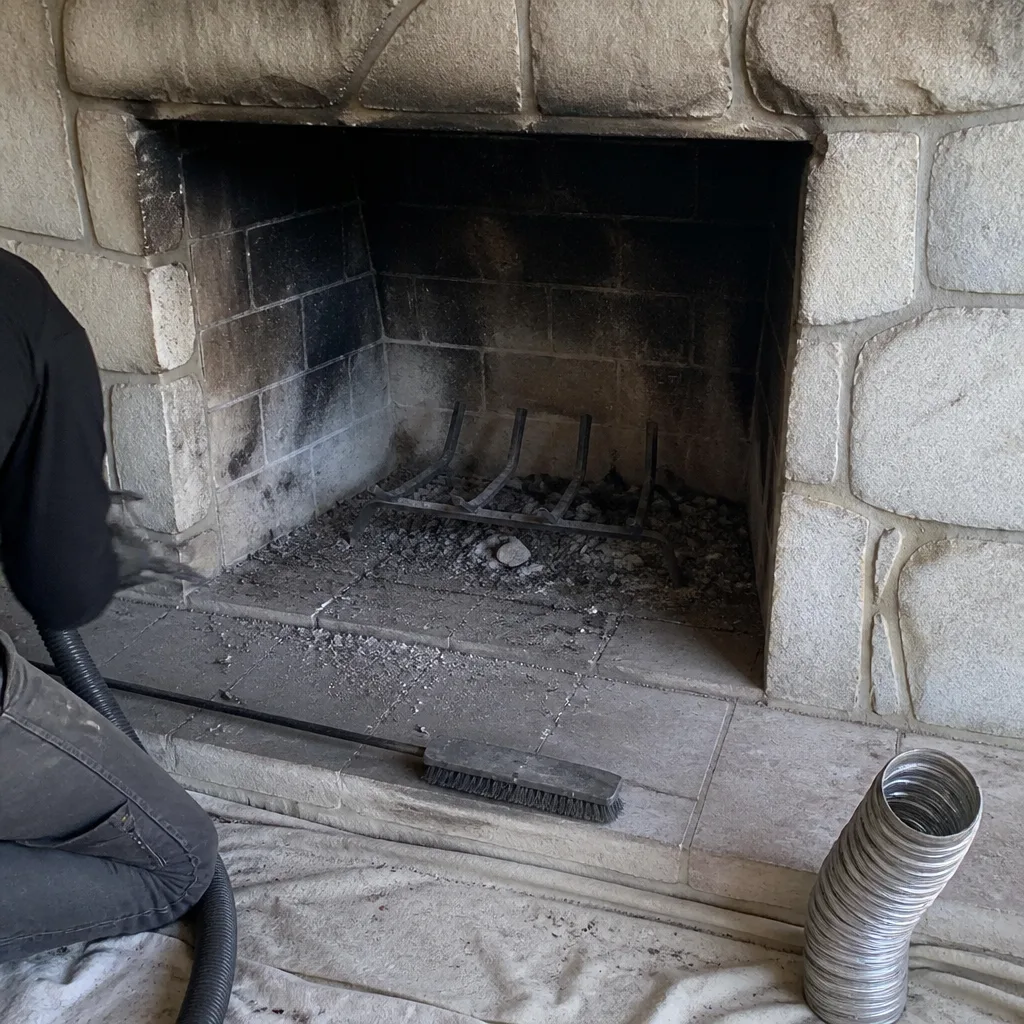 Before
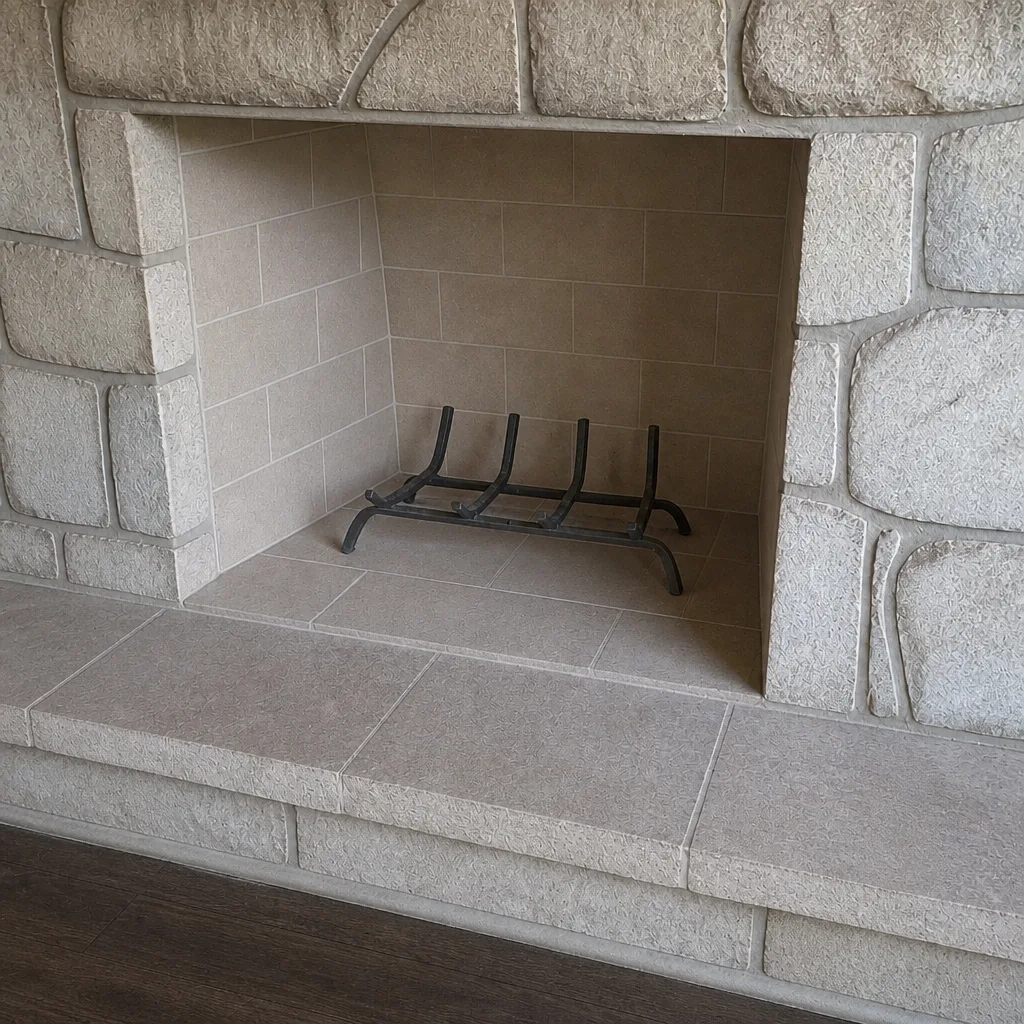 After
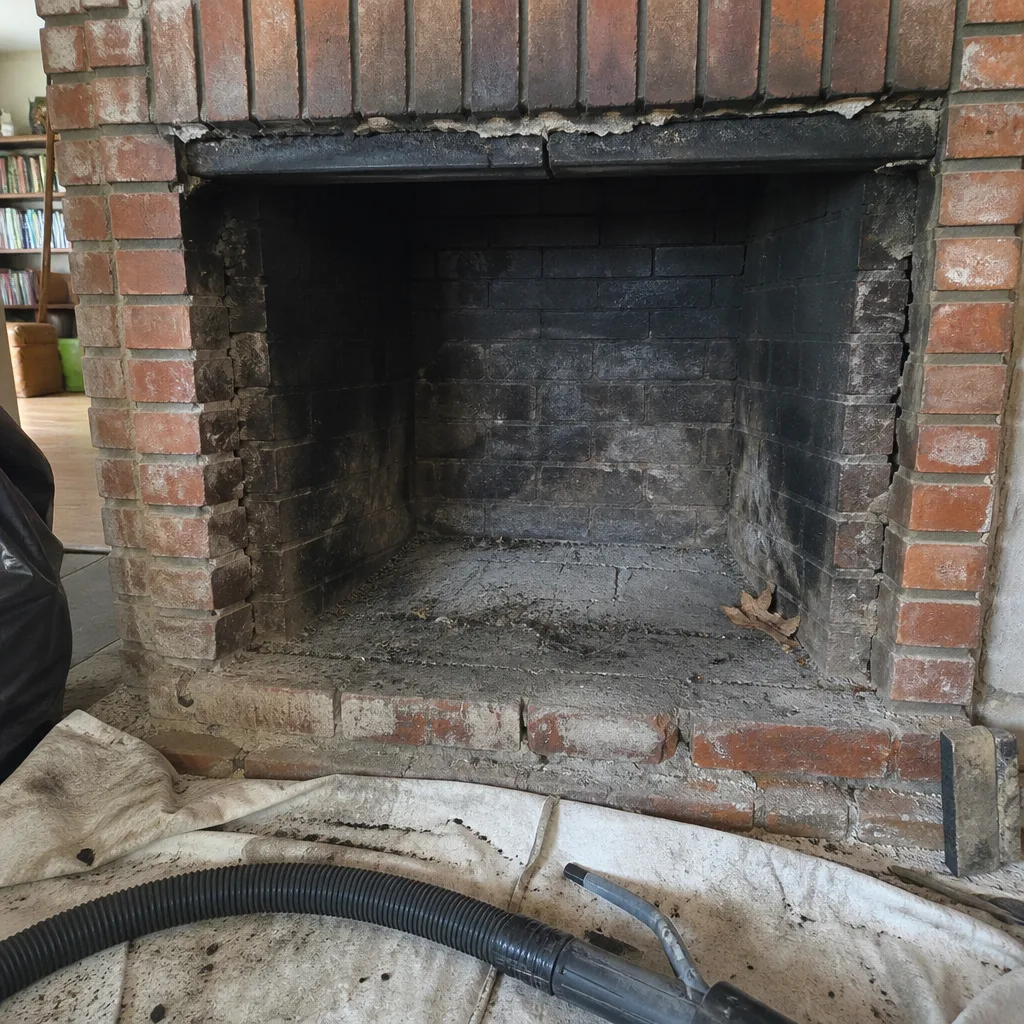 Before
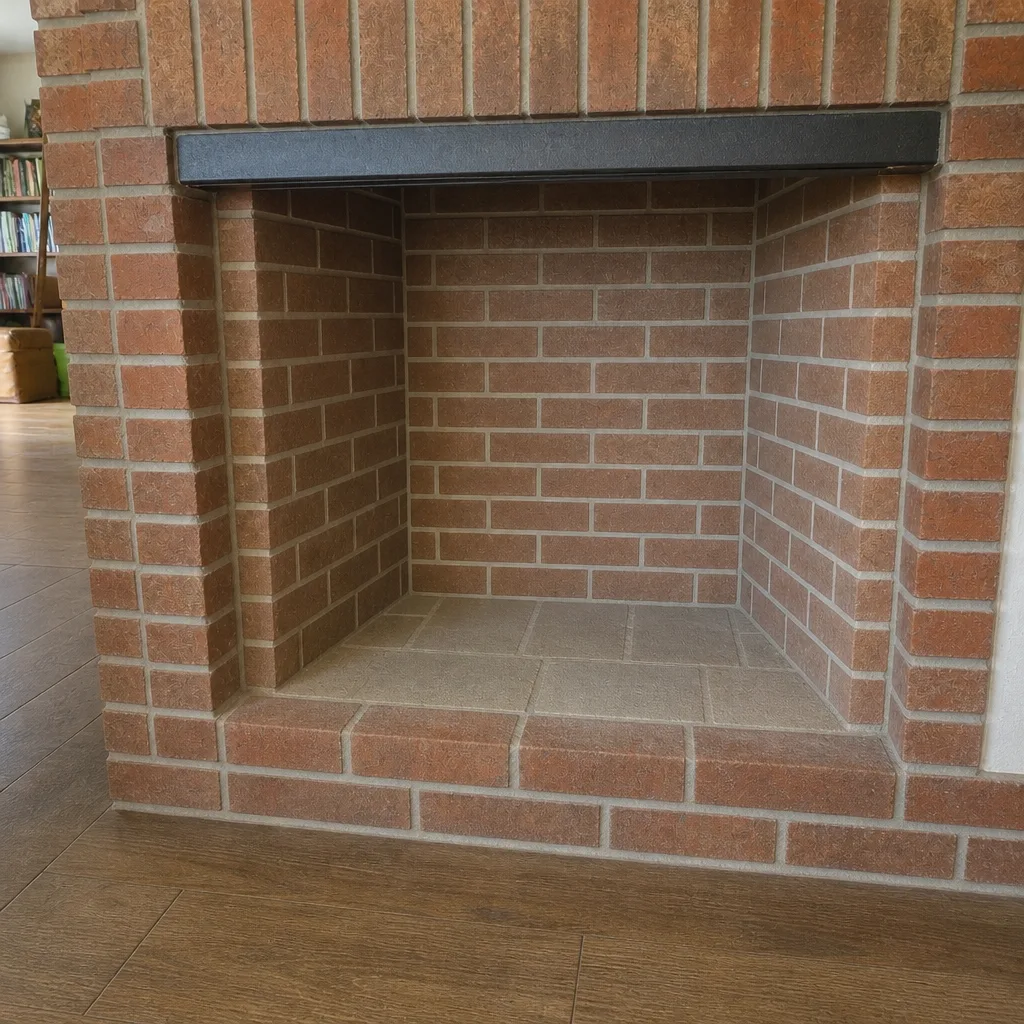 After
HeatShield Products We Service & Install in La Mesa
We work with HeatShield flue resurfacing systems in La Mesa’s existing masonry chimneys. That includes the original HeatShield ceramic chimney liner, the cast-in-place Cerfractory Flue Sealant system, and the HeatShield Smoke Chamber Repair System. Our crews handle cleaning, inspection, surface repair, recoating, and smoke chamber parging on these systems. We don’t claim to stock a parts inventory. We assess your existing liner, determine whether it can be restored, and apply the correct HeatShield repair material when restoration is the right call. For La Mesa homeowners with original clay tile flues in 1950s-70s builds, that often means a HeatShield lining done properly the first time, not a recurring patch job.
We Also Service These Brands
HeatShield is one part of a broader toolkit. We also work with DuraFlex flexible liner systems for chimneys with complex offsets or older masonry, and Gelco chimney products for specific repair applications. That matters because a HeatShield liner isn’t always the right solution, and having multiple professional-grade options means we recommend what actually fits your chimney, not just the one product we happen to know.
FAQs – HeatShield Chimney Cleaning Service in La Mesa
No. We are an independent HeatShield service provider. We are not affiliated with, authorized by, or endorsed by the manufacturer. What we are is experienced: our techs have worked on HeatShield ceramic liners across La Mesa for years and know the product’s failure modes well. We repair and service HeatShield equipment with quality materials that fit it, and we tell you plainly when repair makes sense and when it doesn’t.
Yes, in most cases a Level 2 camera inspection shows us exactly what’s happening inside a HeatShield liner. We look for hollow-sounding sections that indicate debonding from the original clay tile, hairline cracking at the flue collar, spalled fragments on the smoke shelf, and surface erosion from acidic condensates. The camera doesn’t lie, and we show you the footage as we go. Call (833) 593-6651 to schedule an inspection. We answer 24/7. Fast dispatch from 7am to 7pm, Sunday through Friday.
It depends on whether the HeatShield lining is still bonded to the original tile substrate. If the ceramic surface is worn but structurally intact, recoating with HeatShield resurfacing mortar is usually the more cost-conscious route. If the lining has separated from the tile behind it, no surface patch will fix that, and a new stainless or aftermarket ceramic liner is the honest recommendation. We’ll show you the camera evidence either way before you decide. Call (833) 593-6651 for a free estimate.
That gritty texture usually points to acidic condensation eating at the ceramic surface. It happens most often in gas-converted fireplaces or wood stoves run at low burn rates, where exhaust cools before it exits and moisture condenses on the liner. In La Mesa’s mild winters, occasional short fires make this more common than people expect. The rough surface then traps creosote and accelerates erosion. It’s repairable if caught early, but left alone, it deepens into pitting that compromises the liner.
HeatShield liners work with fireplace inserts, but the insert’s exhaust temperature and condensation profile change how the liner ages. We inspect the flue collar and smoke chamber transition carefully on insert installations, because those are the spots where thermal stress concentrates. If the liner was cast around an existing insert flue, we check for debonding at the connection point. The prep matters, and we’ll tell you what your specific setup needs.
We clean HeatShield liners with methods that remove creosote without aggressive abrasives. Rotary cleaning with the wrong head, or scraping with metal tools, can gouge the ceramic surface and create exactly the rough texture you don’t want. We use gentler mechanical methods and chemical treatments when the creosote is stage two or sticky, then inspect the surface under camera to confirm we didn’t leave damage behind. The liner should come out clean, not scoured. Call (833) 593-6651 to book a sweep and inspection.
HeatShield chimney cleaning in La Mesa varies by what we find: a standard sweep and visual check runs on a different scale than a cleaning that includes smoke chamber repair or recoating. Because every liner’s condition is different, we price per job by written estimate after inspection. The estimate is free. Call (833) 593-6651 and we’ll get you an exact number. We answer 24/7. Fast dispatch from 7am to 7pm, Sunday through Friday.
Book Your HeatShield Service in La Mesa, CA
If you have a HeatShield-lined chimney in La Mesa and want it cleaned, inspected, or repaired by a crew that knows the product, call (833) 593-6651. The estimate is free. We answer 24/7. Fast dispatch from 7am to 7pm, Sunday through Friday. A clean flue isn’t a luxury – it’s just what a fireplace owes you for trusting it.
Written by Lance McCoy, Owner at Chimney Cleaning La Mesa, serving La Mesa since 2013.