
Last updated November 4, 2026
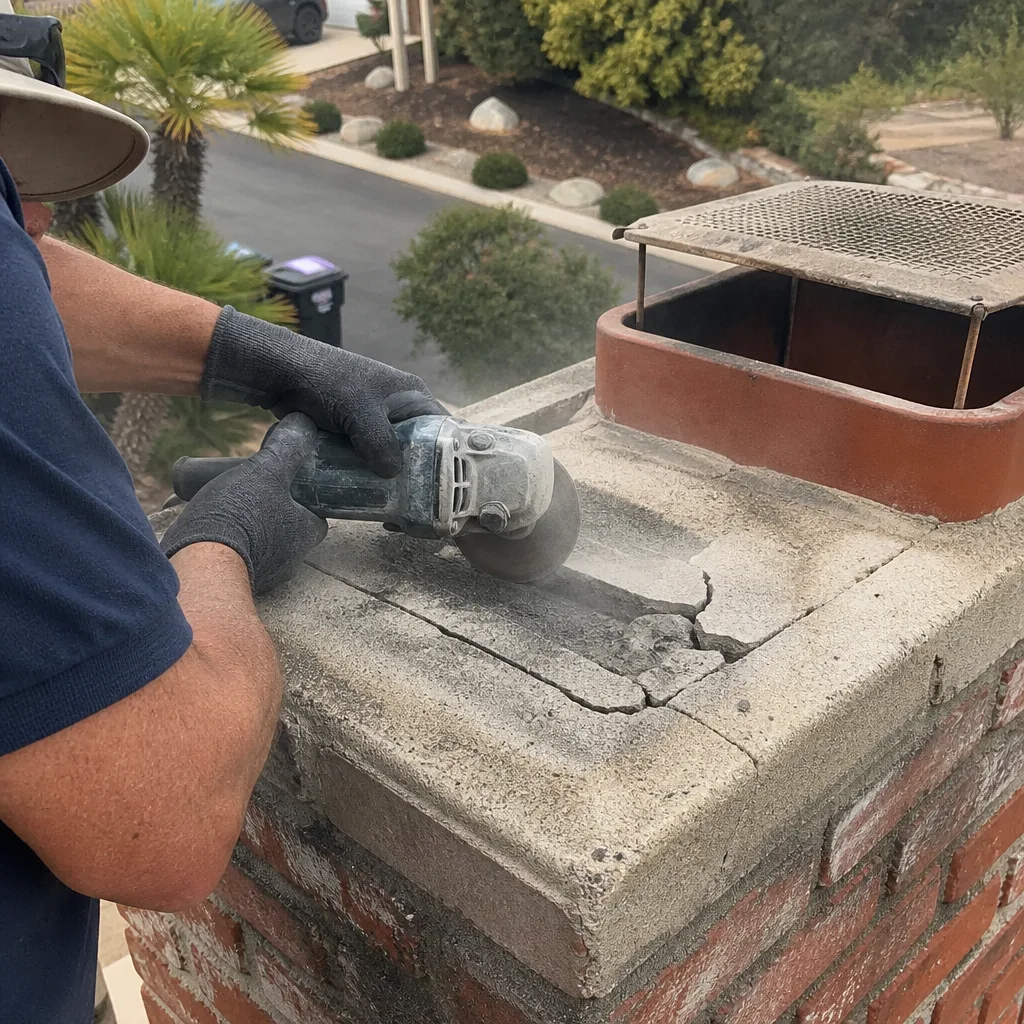
 Sweep & inspection
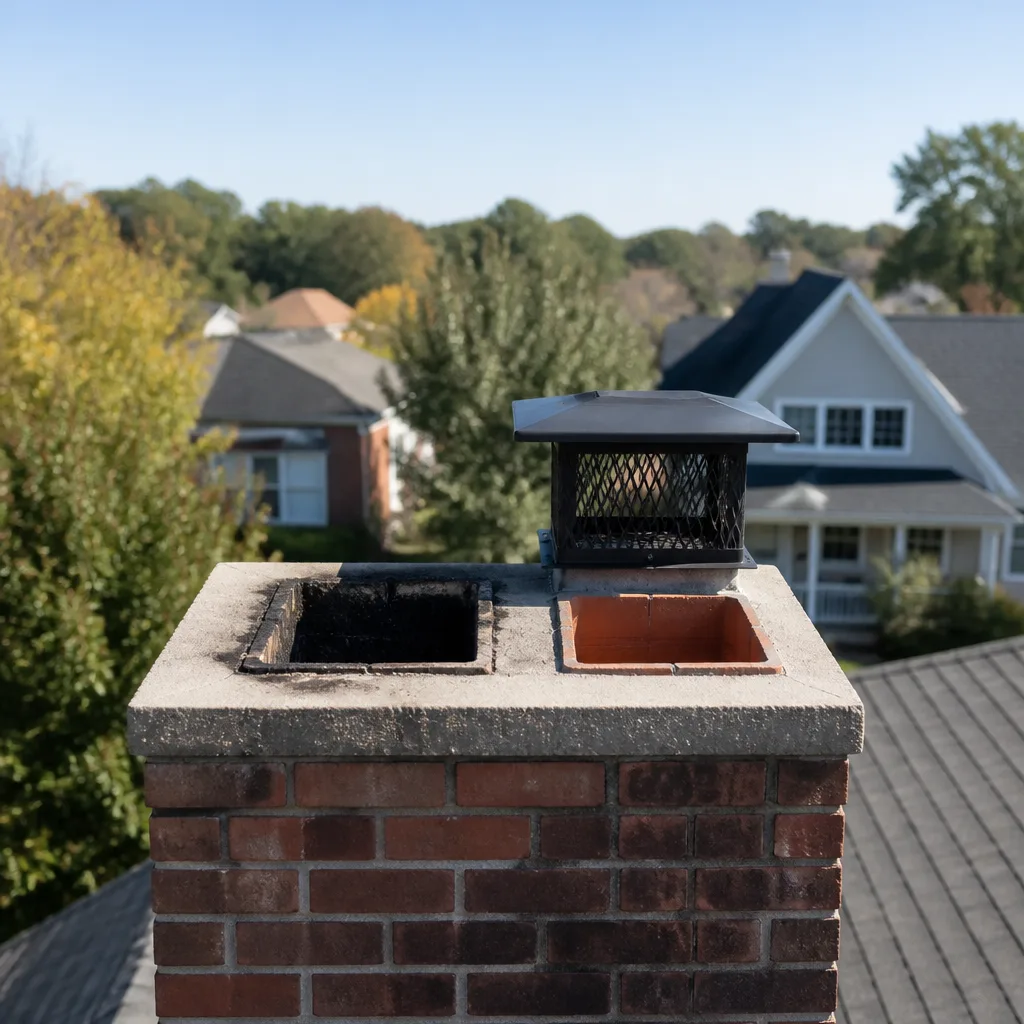
 Caps & crowns
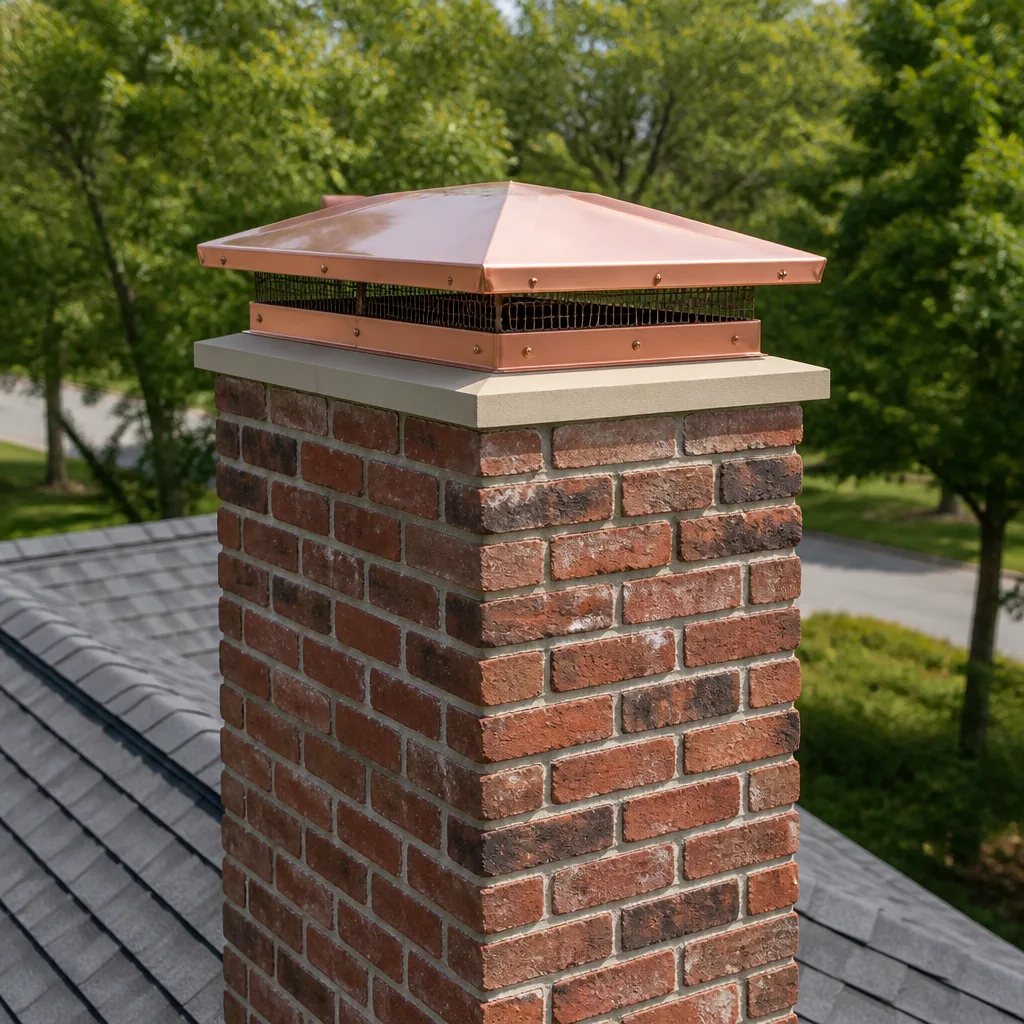
 Flue relining
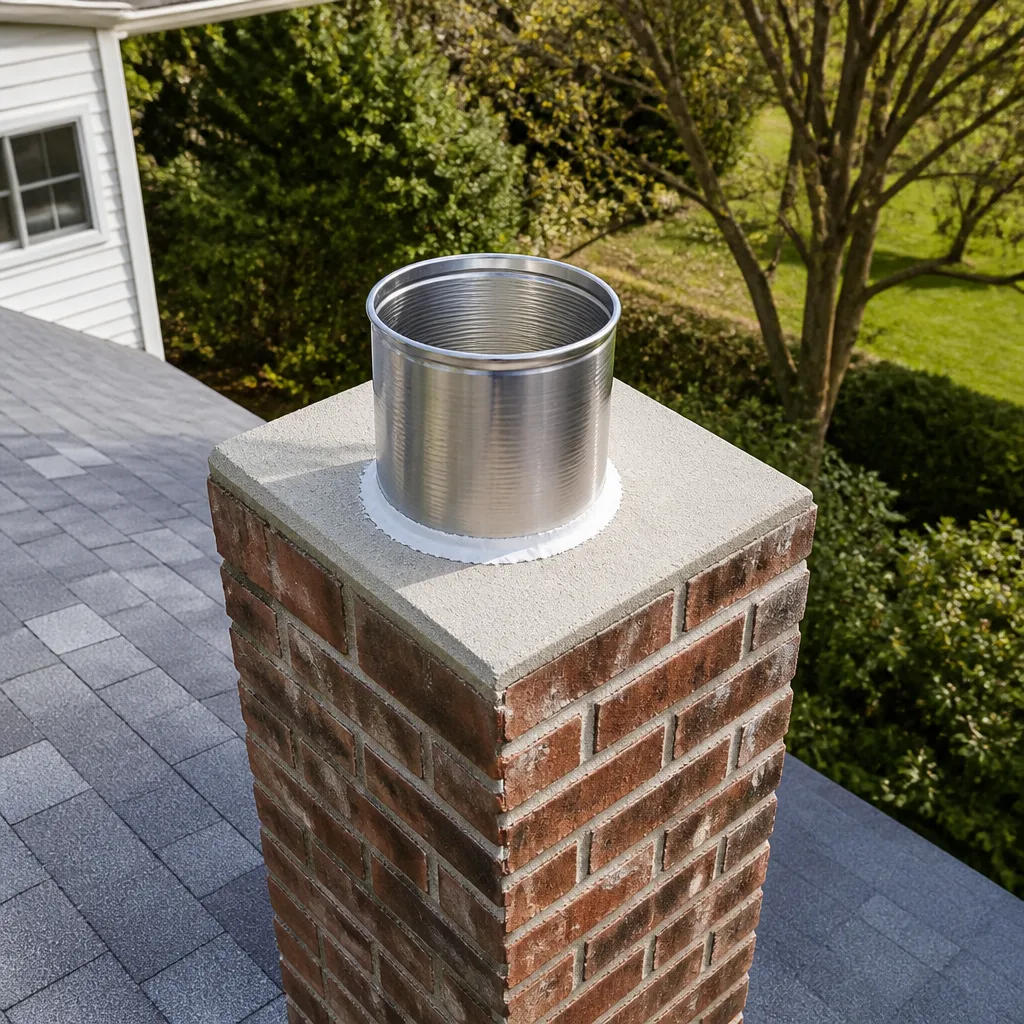
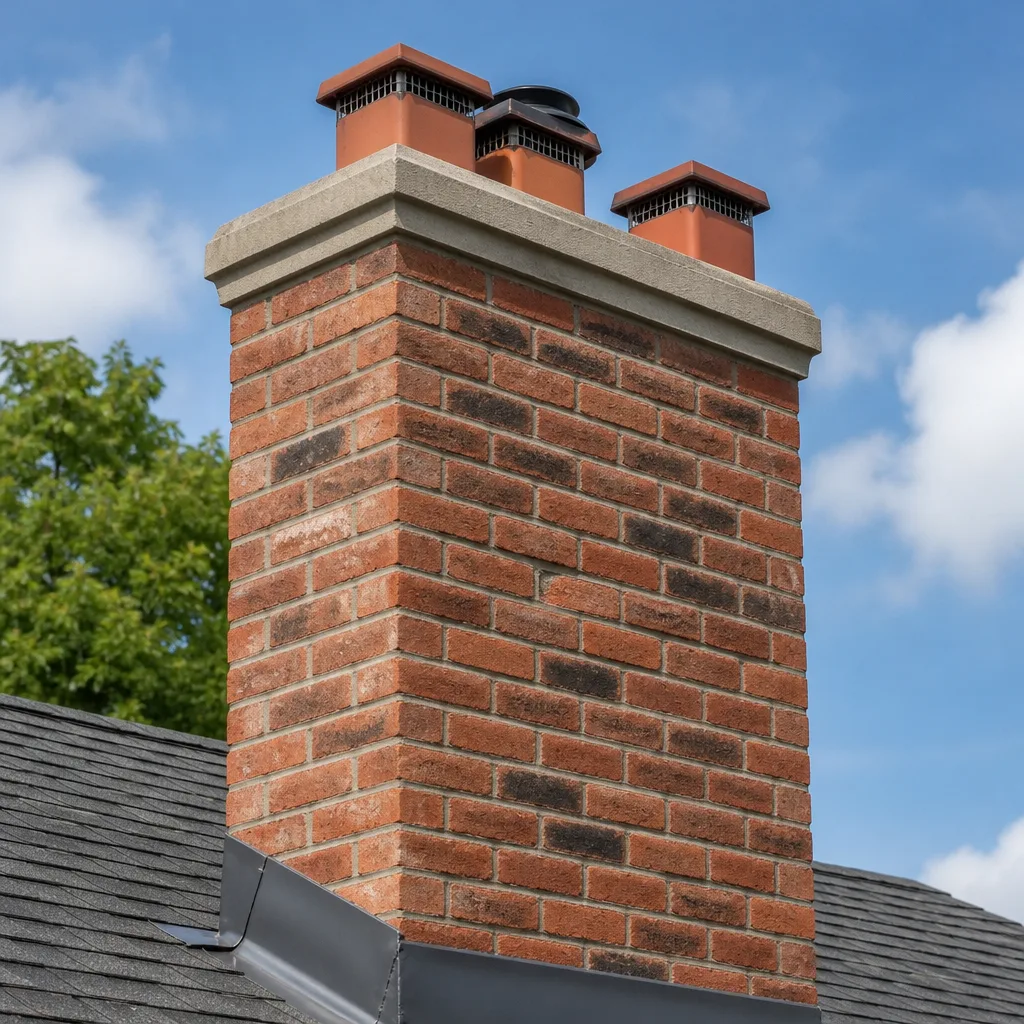 Masonry repair
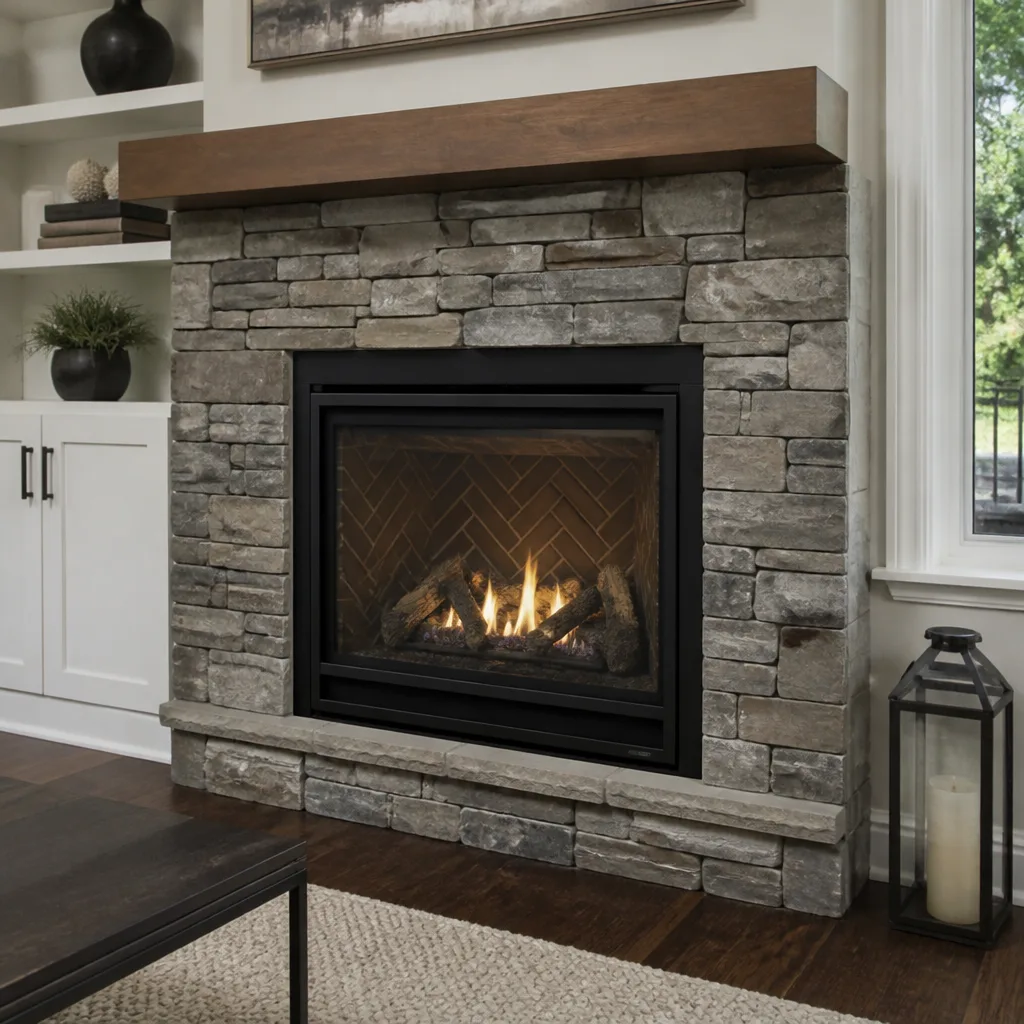 Gas fireplace service
Level 1 sweep and inspection to the NFPA 211 annual standard - flue, crown, cap, and flashing checked and photographed
Chimney sweep logs do not sweep chimneys. They loosen some creosote - which then falls where a brush and vacuum still have to collect it.
Seasonal Chimney Cleaning Care for La Mesa: Year-Round Homeowner’s Guide
Most chimney maintenance advice you’ll find online was written for New England or the Midwest, where the burning season runs from October through April and the off-season means idle months. La Mesa doesn’t work that way. Our fireplace season is shorter, more intermittent, and interrupted by Santa Ana winds, marine-layer humidity shifts, and the occasional wildfire smoke event that backfills your flue even when you haven’t lit a fire in weeks. This guide breaks the year into the two seasons that actually matter here: fire-season preparation in late summer, and post-season recovery in spring. You’ll learn what belongs in each window, what you can safely skip, and when a chimney sweep in La Mesa needs to take a closer look.
Quick Answer
Chimney care in La Mesa works on a two-season calendar, not four. Schedule your main chimney sweep and inspection in August or September, before Santa Ana fire-weather season peaks in October. Then do a lighter recovery sweep and dryer vent check in March or April, after winter use and before the marine layer settles in for late spring. One full-service visit per year is the minimum; two targeted visits per year is the smarter schedule for regular fireplace users.
Styles & brands we work with
- Sweep & inspection
- Caps & crowns
- Flue relining
- Masonry repair
- Gas fireplace service
Table of Contents
- La Mesa’s Two-Season Chimney Calendar
- Late-Summer Prep: What August and September Demand
- What Santa Ana Winds Deposit in an Unprotected Flue
- Marine Layer and Humidity: Effects on La Mesa Masonry
- Wildfire Smoke Events: What Backfills and What to Check
- Spring Recovery: The Post-Season Sweep
- Why Bundling Dryer Vent Cleaning Saves Money in Spring
- Common Mistakes to Avoid
- When to Call a Professional
- Frequently Asked Questions
La Mesa’s Two-Season Chimney Calendar
Forget fall, winter, spring, summer. What actually governs chimney maintenance in La Mesa is fire risk and wind. The calendar that matters runs like this:
- August to September: Pre-fire-season preparation. This is when Santa Ana wind patterns start building toward their October peak, and it’s the window to get your flue cleaned, inspected, and any liner or masonry issues addressed before the first Red Flag Warning.
- October to January: Active use season. Fires are lit on cooler evenings, often sporadically. Santa Ana winds peak in October and November, carrying fine debris into unprotected flues.
- February to March: Wind-down and marine-layer transition. Use drops off, humidity starts creeping up as the coastal influence strengthens. Creosote from winter fires sits in the flue, absorbing moisture.
- March to April: Post-season recovery. This is the right time for a second sweep if you burned regularly, plus a dryer vent check. The goal is to leave the system clean and dry through the summer idle months.
- May to July: Off-season idle. Minimal activity, but the chimney cap and crown still face sun exposure and the occasional marine-layer damp spell. This is when minor masonry issues reveal themselves slowly.
The mistake many La Mesa homeowners make is treating chimney care as a single fall ritual. A sweep in October still helps, but if you’re burning before that first sweep, you’re lighting fires in a flue you haven’t verified is clean. And if you only sweep once a year in fall, the creosote from December and January fires sits through the humid spring, where it can set up and become harder to remove later. Two lighter touchpoints beat one heavy one.
Late-Summer Prep: What August and September Demand
August in La Mesa can feel like the wrong time to think about fireplaces. It’s hot, dry, and the last thing on your mind is the first fire of the season. That’s exactly why it’s the right time. Most chimney companies are less booked in August than they will be in October, when every homeowner in San Diego County simultaneously realizes fire-weather season has arrived. Booking your sweep in August or early September means you’re ready before the first cool evening, not waiting two weeks for an appointment while the Santa Ana forecast starts climbing.
Here’s what a late-summer chimney prep in La Mesa should include:
- A full mechanical sweep of the flue, removing creosote, soot, and anything that got deposited since your last cleaning. Even if you haven’t burned in months, the flue may have collected debris from wind, birds, or tiny critters.
- A visual and camera inspection of the flue liner, looking for cracks, spalling, or gaps in the mortar. If the liner is damaged, this is the time to address it, before use season puts heat and pressure on it.
- A chimney cap check. The cap is your first line of defense against Santa Ana debris. A missing or damaged cap in September means an open flue in October.
- A dryer vent assessment, because the same dry, static-heavy months that build dust in your flue also build lint in your dryer exhaust. If the dryer vent hasn’t been cleaned in over a year, include it now.
In our experience, the homeowners who schedule in late summer are the ones who never deal with an emergency in November. They also tend to catch liner issues before they become urgent, which means more options. A liner with minor spalling can sometimes be restored with HeatShield resurfacing instead of a full replacement. A liner left through another hot season may not have that option.
What Santa Ana Winds Deposit in an Unprotected Flue
Santa Ana winds are the defining weather feature of La Mesa’s fall. They blow hot, dry air from the desert toward the coast, often gusting to forty or fifty miles per hour in exposed canyons and ridgelines. And they carry everything airborne with them: dust, fine sand, eucalyptus bark, palm fronds, dried leaves, and sometimes embers from fires burning to the east.
If your chimney cap is intact, most of that debris bounces off or blows over. If the cap is missing, damaged, or loosely fitted, the flue acts as a collection tube. Fine dust and sand sift down and coat the smoke shelf. Bark and leaf fragments wedge into offsets. Bird droppings, which are corrosive, dry onto the flue walls. The result is a flue that’s dirtier in October than it was in May, without a single fire having been lit.
The problem compounds on the first burn. Dry, accumulated debris ignites faster than creosote and can create a quick, hot flare that stresses the liner. Even if it doesn’t ignite, it smokes heavily and can force smoke back into the living space if the draft is sluggish. A late-summer sweep clears all of this before it meets heat.
One thing we tell homeowners in La Mesa: check your cap before October every year, even if you skip the sweep. A good cap costs far less than the repairs that follow a season of wind-driven debris accumulation.
Marine Layer and Humidity: Effects on La Mesa Masonry
La Mesa sits inland enough to avoid the constant salt air of the coast, but close enough to feel the marine layer’s humidity spikes, especially in late spring and early summer. Morning overcast, afternoon sun, evening damp. That cycle matters for masonry chimneys.
Here’s the mechanism. Creosote is hygroscopic, meaning it absorbs moisture from humid air. When the marine layer settles over La Mesa in May and June, creosote left in the flue from winter fires pulls in that moisture and becomes sticky, then hardens as the day’s heat dries it out. That hardened, glazed creosote is much harder to remove than the soft, flaky stage that a spring sweep would have taken off easily. This is the single best argument for a March or April sweep after a season of regular burning: you remove the creosote before the humid season bakes it on.
Masonry itself also responds to the humidity cycle. Brick and mortar expand slightly when damp and contract when dry. In an older La Mesa chimney with original mortar, repeated cycles can accelerate mortar joint deterioration. The chimney doesn’t crumble overnight, but small cracks in the crown or joints widen gradually. A spring inspection catches these early, when repointing or crown repair is straightforward. Left through another year, the same cracks become a structural problem.
If your flue liner is clay tile, the same expansion-contraction cycle works on the grout between tiles. Small gaps between flue tiles are a known weak point in older masonry chimneys, and they’re exactly the kind of thing a camera inspection is designed to find. HeatShield resurfacing can seal these small gaps without replacing the entire liner, which is a far more practical fix for the typical La Mesa home.
Wildfire Smoke Events: What Backfills and What to Check
La Mesa homeowners don’t need to live next to a wildfire to feel its effects. When fires burn in the backcountry to the east, or further north in the county, smoke and ash travel for dozens of miles on the same desert winds that define our fall. That smoke settles into every opening it can find, and a chimney flue is a vertical opening that’s essentially designed to draw air upward.
After a significant smoke event, your chimney may contain:
- Fine ash residue settled on the smoke shelf and damper, which can produce an acrid smell when you light the first fire afterward.
- Smoke odor that seeps into the living space even when the fireplace is cold, especially on warmer days when the chimney draws upward.
- Debris from wind that accompanied the smoke event, adding to any existing accumulation in the flue.
The practical guidance after a regional smoke event is simple. If you smell smoke in your living room and you haven’t lit a fire, that’s an indicator the chimney is backfilling. A sweep will remove the ash and odor source. If you’re planning to burn soon after a smoke event, a quick visual check of the cap and flue is worth doing, and a full sweep is the thorough option.
You don’t need to panic after every smoke event. But you also shouldn’t assume a clean flue from last season is still clean if Santa Ana winds have been carrying ash through the county. Ash is fine, light, and travels far.
Spring Recovery: The Post-Season Sweep
By March, most La Mesa fireplaces have been used consistently since November, then tapered off. That’s a season of creosote accumulation, no matter how well you burn. A spring sweep removes it at its softest, easiest-to-remove stage, before the humid season hardens it. This is the most efficient sweep you’ll get all year, and it leaves the system ready for the summer idle months with no odor and no residual residue.
A spring recovery sweep should include:
- Full mechanical brushing of the flue from the roof or from below, depending on the chimney’s configuration. All creosote and soot from winter burning comes out.
- Smoke chamber and smoke shelf cleaning, where fine ash and creosote collect most heavily.
- Damper inspection and lubrication if applicable. Dampers that are sticky from creosote make the first fire of fall harder to start and control.
- Cap and crown check for any damage that developed over the windy winter months.
- A camera pass of the liner, comparing against any prior inspection. If you had a spring inspection last year, that’s a useful baseline for spotting new cracks or spalling.
You might wonder whether two sweeps a year is overkill. For a household that burns regularly from November through February, it isn’t. The spring sweep is lighter, quicker, and cheaper than a fall sweep that has to cut through seasoned creosote. And it positions you to skip the fall rush if your August prep was thorough, leaving only a quick pre-season check in September.
Why Bundling Dryer Vent Cleaning Saves Money in Spring
There’s a structural reason dryer vent cleaning belongs in your spring chimney maintenance: the same technician, the same truck, the same service call. When our crew is already at your home for a post-season chimney sweep, adding a dryer vent cleaning takes a fraction of the time it would as a standalone visit. That’s the practical saving.
But there’s also a safety reason. A clogged dryer vent is a lint-fed fire hazard that builds up gradually, exactly the way a dirty chimney does. In La Mesa’s dry late-summer months, static electricity builds easily, and fine lint ignites more readily than most people expect. The National Fire Protection Association has long identified dryer vent cleaning as a core home fire-prevention task, and it’s one of the most commonly neglected maintenance items in any home.
Here’s the logic for spring bundling:
- One call, one appointment. You’re already scheduling a chimney sweep. The dryer vent is five to ten minutes of work with the right tooling, done by the same crew.
- You clear two fire risks in a single day. Chimney fire risk and dryer vent fire risk are the two most common combustion-exhaust hazards in a home. Addressing both at once closes both gaps.
- The spring timeline works. Dryer lint accumulates fastest in winter, when clothes are heavier and drying cycles run longer. A spring cleaning clears that winter load before summer’s dry heat.
We work with Famco ventilation components when we handle dryer exhaust systems, which means the fittings, caps, and ducts we install are the same hardware professional HVAC and restoration contractors use. That matters because a dryer vent is not a trivial plastic tube. The termination cap, the duct run, and the connections all need to be fire-rated and properly sealed. Professional-trade materials, not big-box substitutes.
Common Mistakes to Avoid
- Waiting until October for the first sweep. October is peak Santa Ana season and peak chimney-service demand. Booking in August or early September gets you ahead of both. A September sweep also means your first fire of the season goes into a verified-clean flue.
- Skipping the chimney cap check. A missing cap in La Mesa means a flue full of wind-blown debris by November. The cap is the single most cost-effective protective component on your chimney, and it’s worth checking every single year.
- Burning after a wildfire smoke event without inspecting. Ash backfill in a chimney is invisible from the living room. If you smell smoke when the fireplace is cold, the flue needs attention before your next burn.
- Assuming one fall sweep covers the whole year. If you burn regularly through winter, creosote builds through January and February, then sits in the flue through the humid spring. A spring sweep removes it while it’s soft, instead of leaving it to harden into glazed creosote.
- Ignoring the dryer vent because it’s “not a chimney.” The dryer vent carries combustion exhaust and lint out of your home. It’s a fire hazard when clogged, and it’s best handled in the same service call as your chimney sweep.
- Skipping the camera inspection to save money. A brush cleans; a camera shows you the liner condition. Without a camera pass, you can’t know whether the liner is developing the cracks and spalling that become replacements later.
- Letting a small masonry crack ride through another year. La Mesa’s humidity cycle widens small cracks quietly. A minor crown repair in spring prevents a structural masonry repair later. The math favors early action.
When to Call a Professional
Call a professional when you see or smell something you can’t explain from the living room. Smoke in the house with the damper open. A strong smell from the fireplace when it’s cold. Flaking mortar or brick on the chimney exterior. A cap that’s visibly missing or damaged. A dryer that takes longer than forty-five minutes to finish a normal load, or a laundry room that gets unusually warm. These are signals, not background noise.
Chimney Cleaning La Mesa offers free estimates throughout the La Mesa area. If you’re not sure whether your chimney needs work, that’s exactly what an estimate answers. Call (833) 593-6651. We answer 24/7. Fast dispatch from 7am to 7pm, Sunday through Friday.
Frequently Asked Questions
The best time to schedule a chimney sweep in La Mesa is August or September, before Santa Ana fire-weather season peaks in October and before the fall rush on chimney companies. A second, lighter sweep in March or April is recommended for households that burn regularly through winter. Call (833) 593-6651 to book either window.
A chimney should be swept at least once per year, and twice per year is the better schedule for La Mesa homeowners who burn more than once a week during the cooler months. The annual minimum is a pre-season sweep in late summer. The spring sweep removes winter creosote before the humid season bakes it on. Call (833) 593-6651 for an exact assessment of your fireplace’s needs.
Not necessarily. Small cracks and gaps in a flue liner can often be restored with HeatShield resurfacing, which seals the damaged areas without a full liner replacement. The decision depends on the extent and location of the damage, which is why a camera inspection matters. We certify and apply HeatShield flue-liner resurfacing, and we’ll show you the camera evidence before recommending any work.
Yes. Santa Ana winds carry fine dust, sand, bark, and leaf debris that accumulates in any unprotected flue. If your chimney cap is missing or damaged, the flue acts as a collection tube during October and November wind events. A pre-season sweep in September clears all of it before your first fire. Call (833) 593-6651 to book a sweep and cap check.
Yes. Smoke and fine ash from fires burning in the county or backcountry travel far on seasonal winds and can backfill a chimney even when your own fireplace isn’t in use. If you smell smoke in your living room with the fireplace cold, that’s a sign the chimney has taken in ash and debris. A sweep removes the residue and odor source.
A standard chimney sweep in La Mesa typically falls in the range of $150 to $300, depending on the chimney’s height, liner type, and condition. A Level 2 camera inspection is additional. The written estimate sets the final price, and the estimate itself is free. Call (833) 593-6651 for a specific quote for your home.
The Bottom Line
La Mesa doesn’t have four chimney seasons, and the homeowners who treat it like they do end up paying for it. September is the month that matters: sweep, inspect, cap check, liner check. March is the second act: post-season sweep, dryer vent bundle, humid-season prevention. Between those two anchors, the year takes care of itself. Skip October as a starting point for chimney work. Skip the idea that one fall sweep covers everything. And never skip the camera inspection, because the liner is where the real decisions live. We name the brands we use because we stand behind them: HeatShield for liner restoration, DuraFlex for flexible relining systems, Famco for ventilation components. One call covers your chimney and your dryer vent.
Written by the team at Chimney Cleaning La Mesa, serving La Mesa since 2013.
See the difference
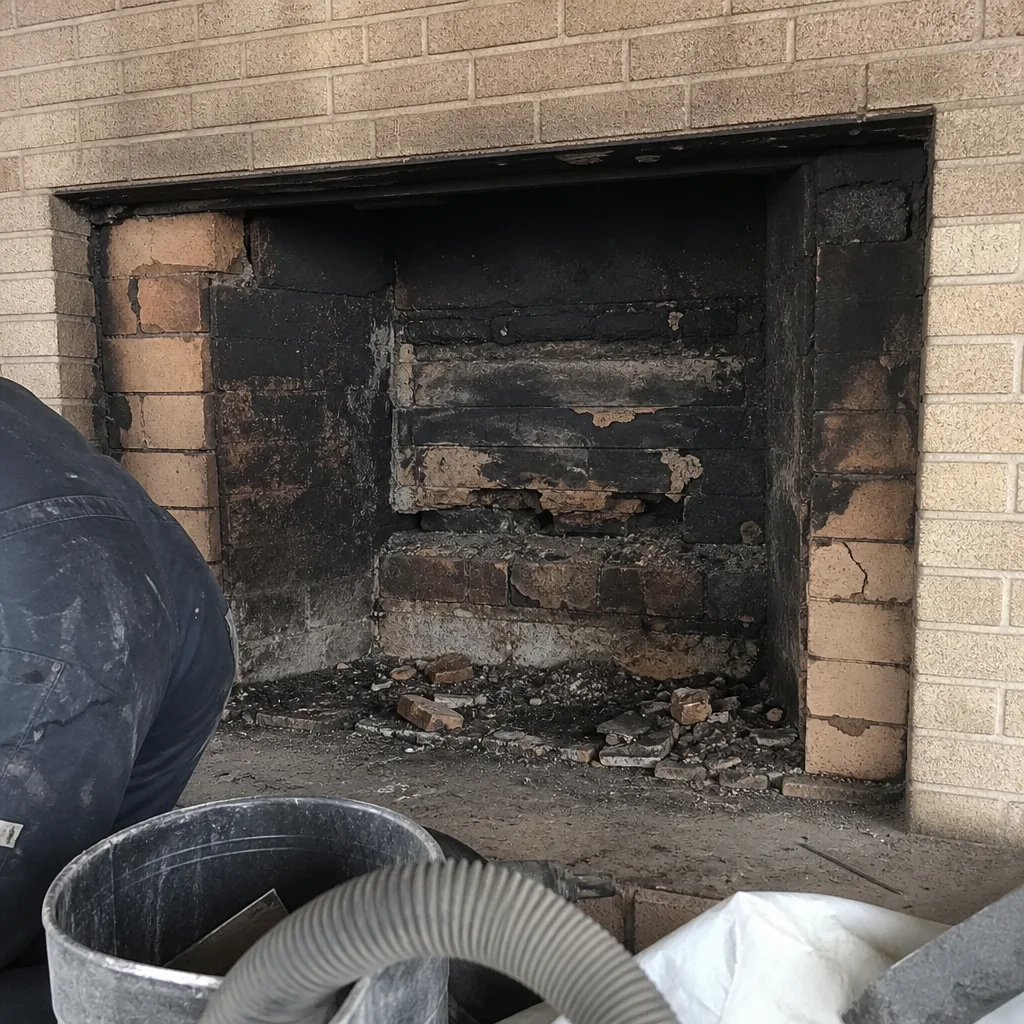 Before
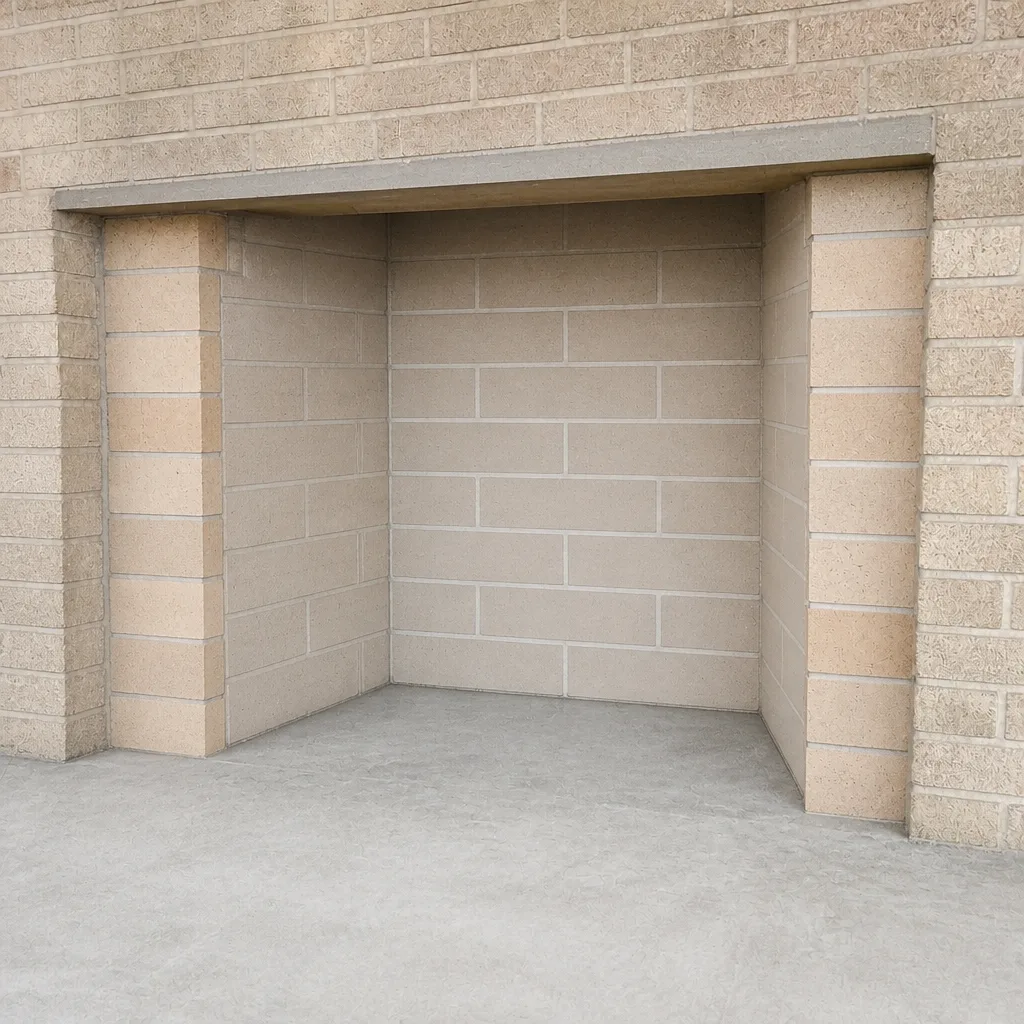 After
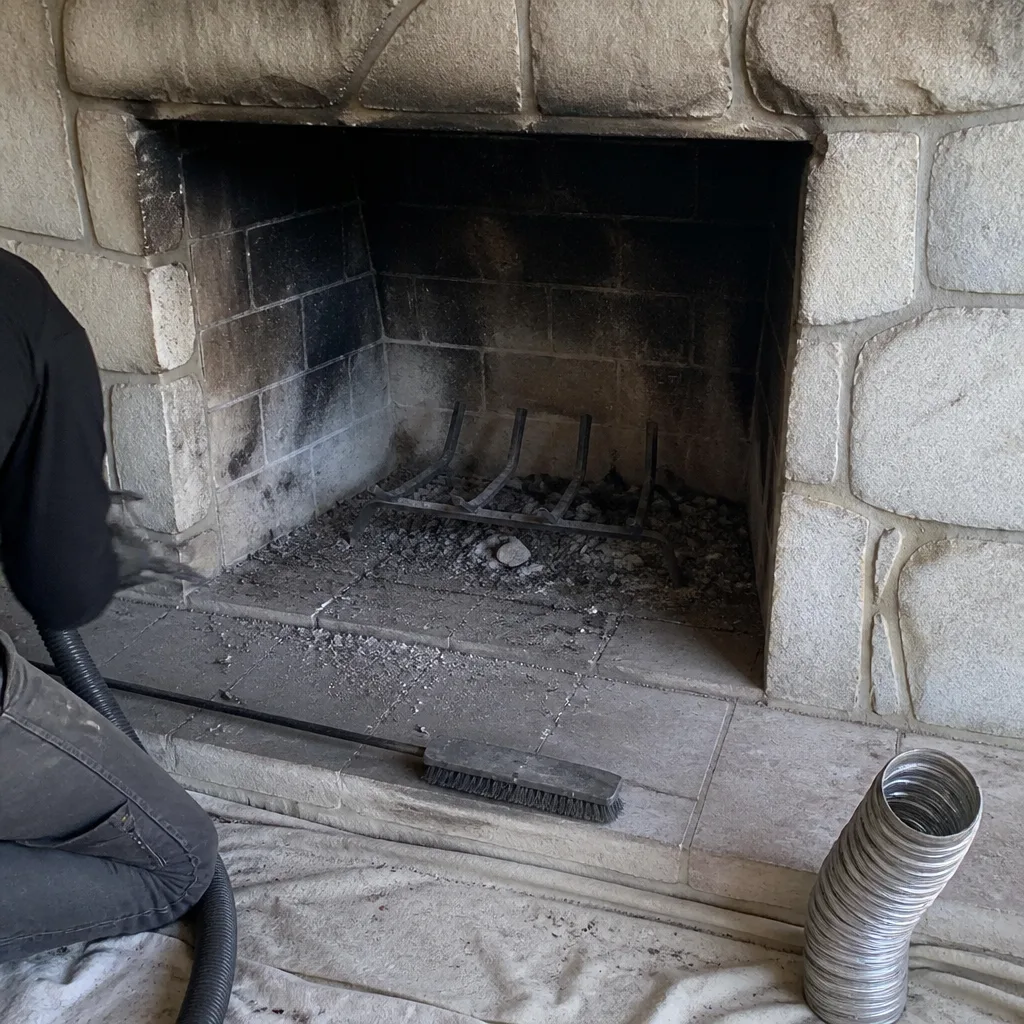 Before
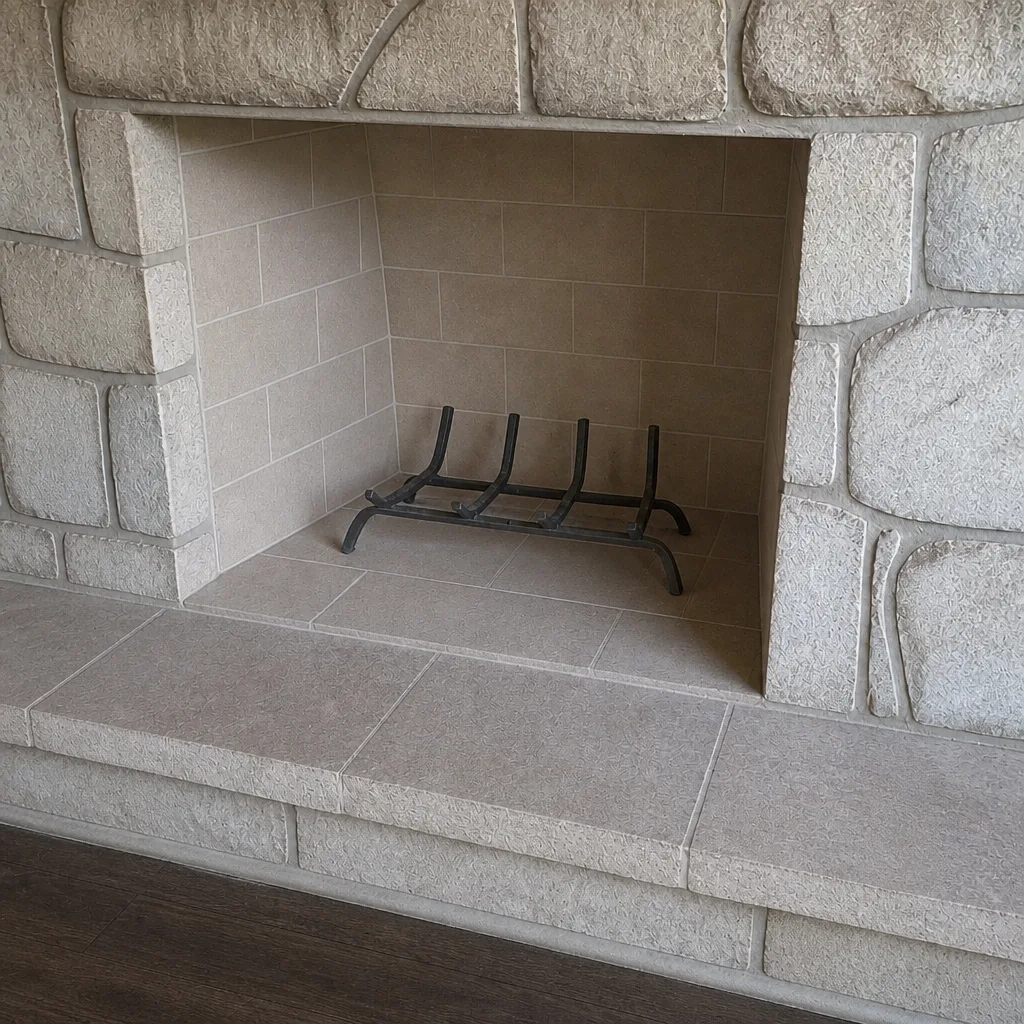 After
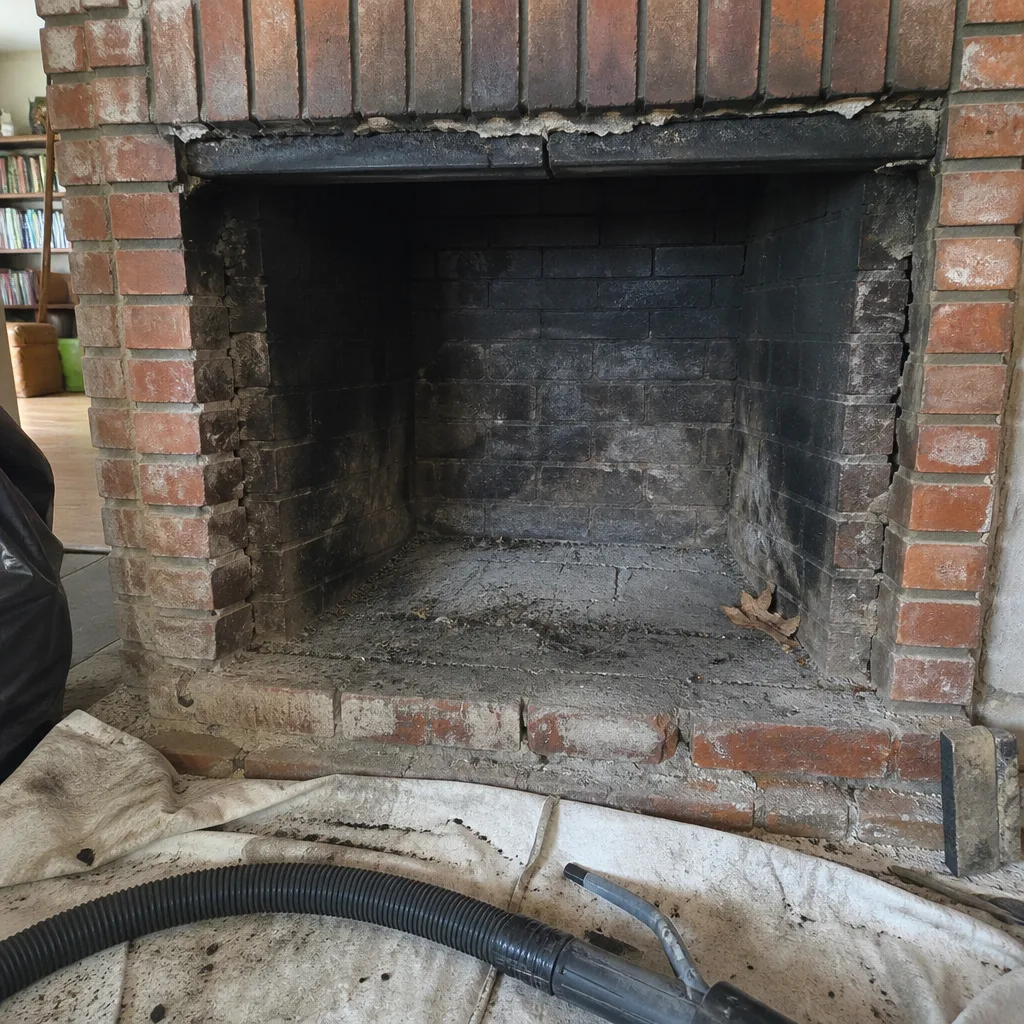 Before
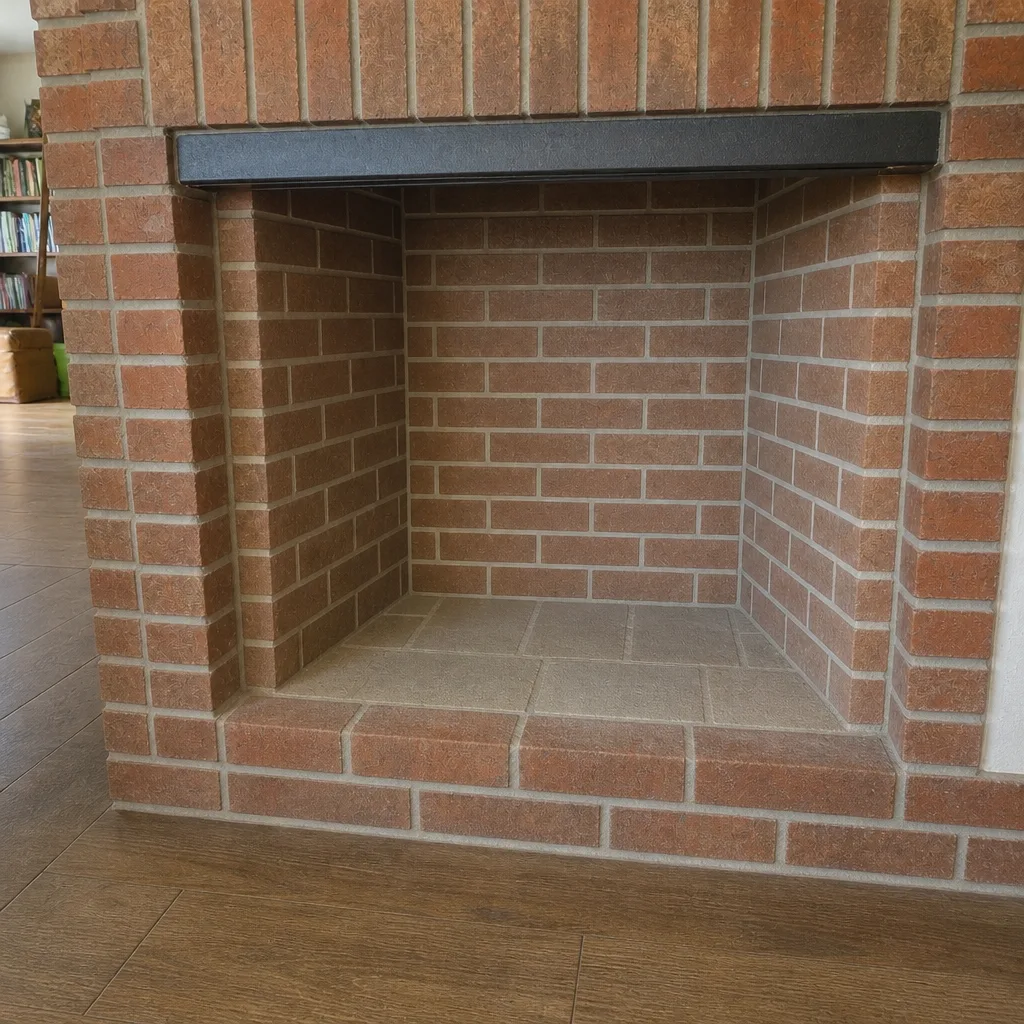 After