
Last updated November 4, 2026
 Sweep & inspection
 Caps & crowns
 Flue relining
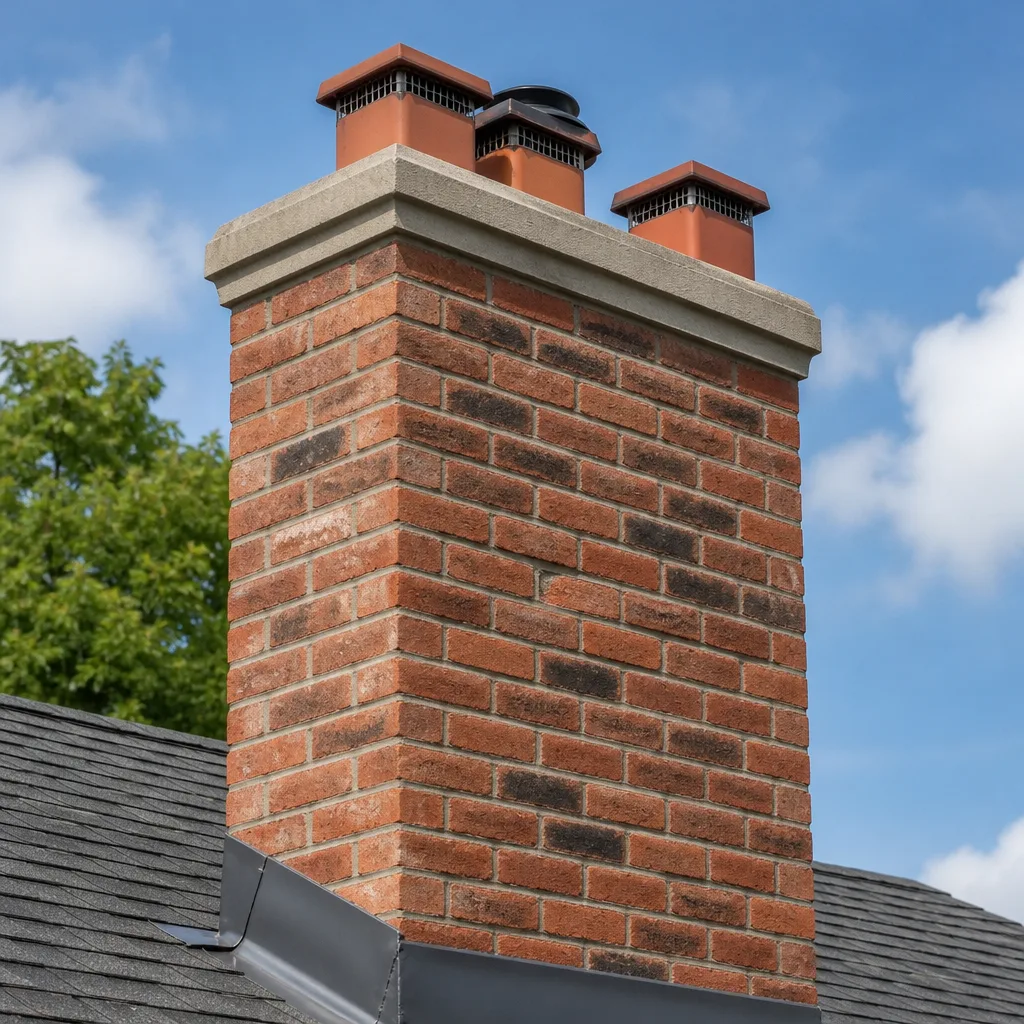 Masonry repair
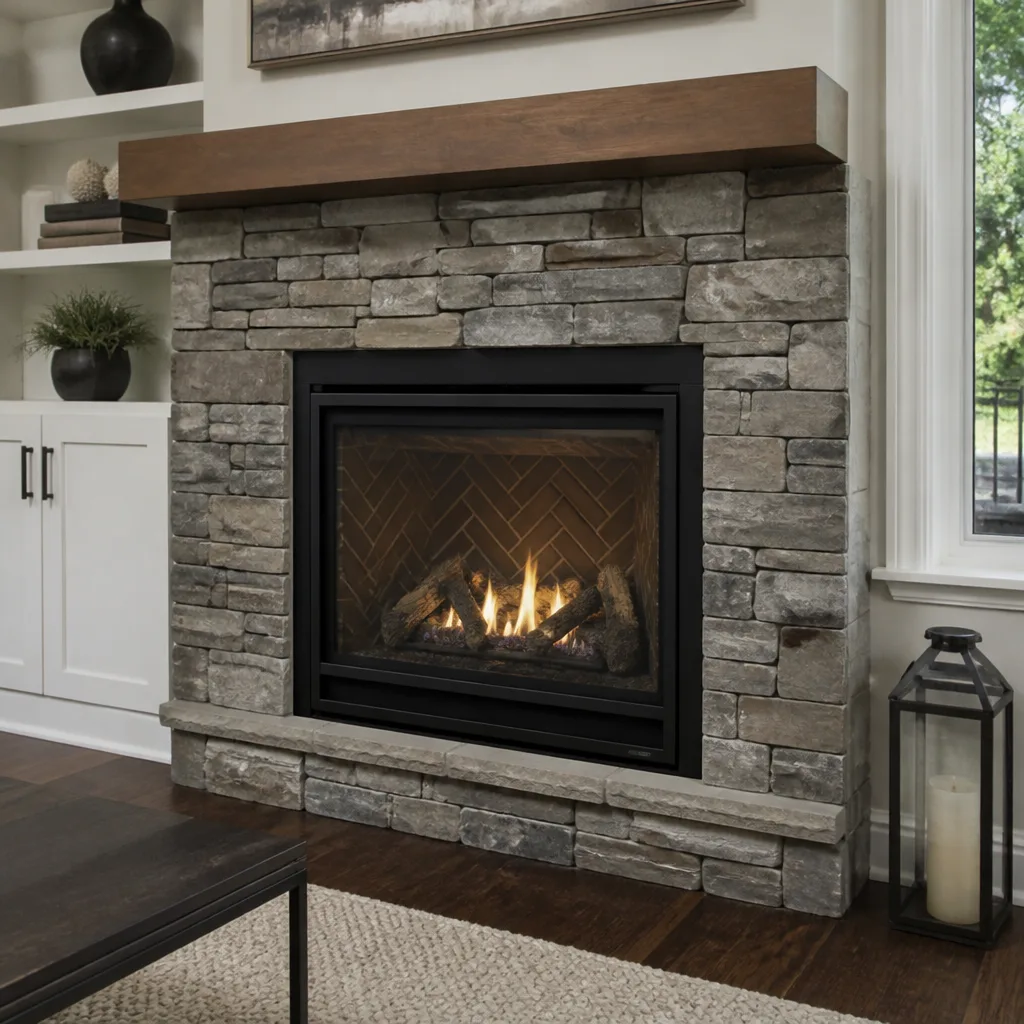 Gas fireplace service
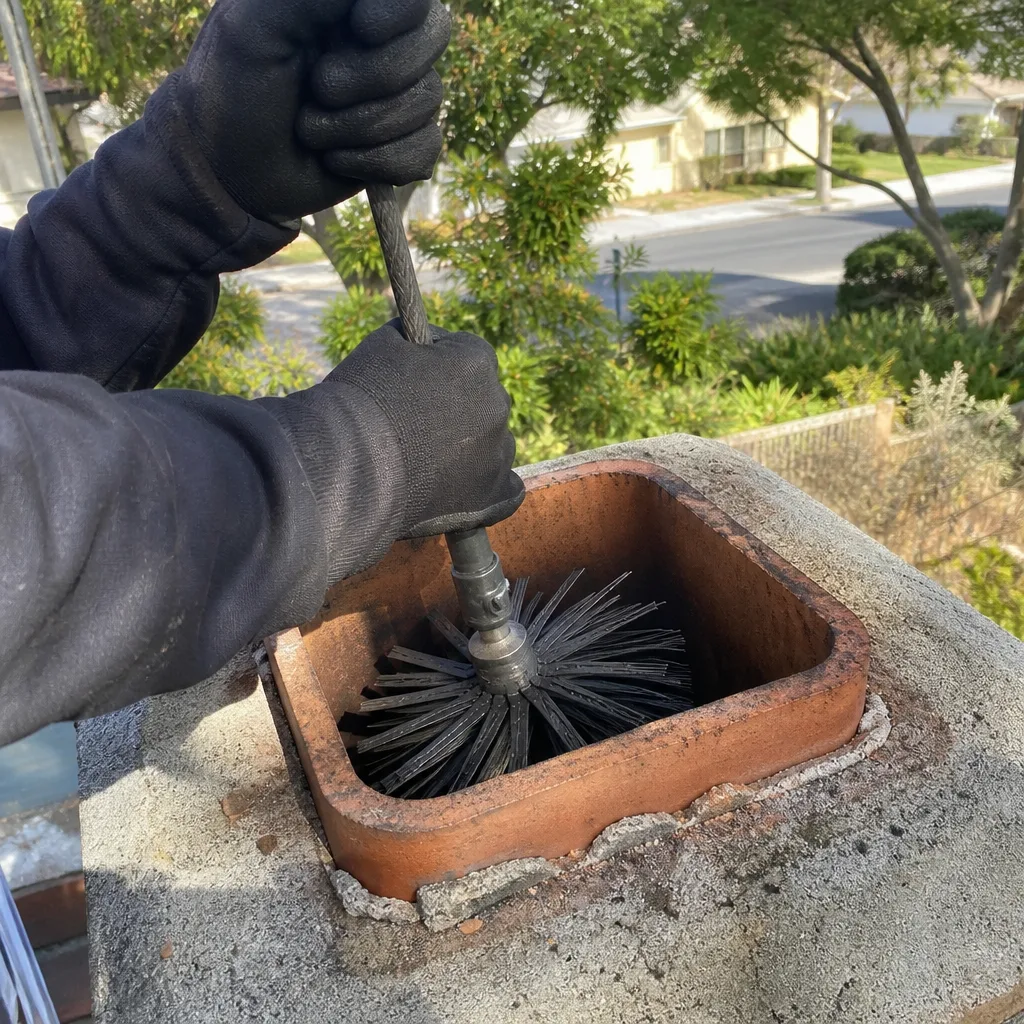
Level 1 sweep and inspection to the NFPA 211 annual standard - flue, crown, cap, and flashing checked and photographed
Chimney sweep logs do not sweep chimneys. They loosen some creosote - which then falls where a brush and vacuum still have to collect it.
How to Hire a Chimney Cleaning Contractor in La Mesa: A Step-by-Step Guide
Most homeowners assume that hiring a chimney sweep means calling the first name that comes up on a search and hoping for the best. But in La Mesa, where older single-story homes with wood-burning fireplaces are common, the person who shows up with a brush and a shop vac often lacks the credentials to do much more than knock soot loose. The real dividing line isn’t the price. It’s whether the contractor can prove three things before setting foot on your roof. This guide walks through exactly what to verify, what questions to ask, and what a legitimate report should look like when the job is done.
Quick Answer
To hire a chimney cleaning contractor in La Mesa, verify three credentials before booking: a current CSIA certification, an active California contractor’s license with the right classification, and liability insurance in the contractor’s own name. Then confirm who actually performs the work, ask what equipment the crew uses, and insist on a written inspection report with photos. A qualified sweep charges a flat price by the job, never by the hour, and should be able to show credentials before the appointment, not after.
Styles & brands we work with
- Sweep & inspection
- Caps & crowns
- Flue relining
- Masonry repair
- Gas fireplace service
Table of Contents
- The Three Credentials You Must Verify
- Red-Flag Language in Ads and Quotes
- Equipment Questions That Separate Pros from Pretenders
- How to Structure a Quote Request for Honest Comparisons
- What a Legitimate Post-Service Report Should Include
- La Mesa-Specific Considerations for Chimney Work
- Common Mistakes to Avoid
- When to Call a Professional
- Frequently Asked Questions
The Three Credentials You Must Verify
CSIA certification is the floor, not the ceiling. It means the technician passed a written exam and demonstrated a working knowledge of chimney systems, codes, and safety practices. It does not mean the person who arrives at your door actually holds it. Some companies in San Diego County advertise CSIA-certified sweeps and then dispatch uncredentialed workers to do the physical cleaning while the certified name sits back at the office. Always ask for the certification number of the specific technician assigned to your job, not just the company’s certification.
The second credential is a California contractor’s license. In this state, any job over $500 in labor and materials legally requires a contractor’s license from the Contractors State License Board. Chimney work commonly falls under the C-61/D-40 limited specialty classification, though some companies hold a C-29 masonry license for structural repairs. You can check a license number at cslb.ca.gov in under two minutes. Look for the license status, the issue date, and whether there are any active citations or complaints. A company that hesitates to give you its license number or says it works under someone else’s license should be crossed off the list.
The third is liability insurance in the contractor’s own name. Ask for a certificate of insurance, not just a verbal assurance. The certificate should list the business you’re hiring as the named insured and cover workers’ compensation if the crew includes employees rather than independent contractors. In La Mesa, where many chimney companies operate as sole proprietorships, workers’ compensation laws have exceptions. A solo operator without employees may legally decline workers’ comp coverage, but liability insurance remains a requirement for anyone working above grade on your roofline.
Red-Flag Language in Ads and Quotes
Certain phrases in chimney cleaning advertisements and estimates should trigger immediate skepticism. They’re not random wording choices. They’re patterns that serve a single purpose: getting a low-credentialed crew through your door at a price that leaves no room for actual professional work.
- “Full inspection included free.” A real inspection involves cameras, written findings, and a technician’s trained eye. That labor has value and gets billed. When it’s offered as a free add-on, the sweep makes money somewhere else, usually by finding a problem you cannot verify. The free inspection is a sales tool, not a service.
- Pressure to replace a liner on the first visit. A legitimate chimney cleaning in La Mesa may reveal a deteriorated liner, but the recommendation comes with camera footage you can watch yourself. If the technician pulls out a price list for new liners before showing you a single photo, get a second opinion.
- Vague line items like “chimney service” or “maintenance package.” You cannot compare bids when the work isn’t itemized. A professional estimate lists the specific services being performed: sweeping the flue, inspecting the crown, checking the damper, evaluating the liner. Vague categories make it impossible to know what you paid for.
- Hourly pricing. Chimney cleaning is a flat-rate trade. A professional knows how long a standard flue takes and prices it accordingly. Hourly billing creates an incentive to work slowly and punishes you for an older chimney that takes longer.
Equipment Questions That Separate Pros from Pretenders
You can tell a lot about a chimney contractor by what they carry in the truck. Asking two or three specific questions about equipment before booking filters out the handymen who bought a brush at a hardware store last month. The investment in professional-grade tools is a strong signal that the company stays in the trade across seasons rather than picking up chimney work between other jobs.
First, ask about the vacuum system. A legitimate chimney sweep uses a high-powered dust collection unit, not a household shop vac. Professional units move enough air volume to capture fine soot particles rather than blowing them into your living room. Look for HEPA filtration, which is the same standard restoration contractors rely on for indoor air quality. The absence of a real dust collection system is a dealbreaker, not a negotiating point.
Second, ask what the technician uses for flue inspection. A level-one visual inspection with a flashlight is adequate for an annual sweep on a chimney that has not changed since last year. But if the sweep suspects damage, the next step is a camera system. A company that performs chimney sweep work without camera capability cannot verify the condition of a liner beyond what’s visible from the top and bottom. That’s a limitation you should know about before paying.
Third, ask which liner restoration products the company is certified to apply, if any. The chimney trade has developed alternatives to full liner replacement that preserve the original masonry flue without tearing out your chimney. Products like HeatShield and DuraFlex are professional-trade materials, not big-box substitutes. A contractor who uses them has access to a broader supply chain and more training than a typical local operator. A contractor who has never heard of them likely cannot offer the full spectrum of repairs a La Mesa homeowner with an older chimney may eventually need.
How to Structure a Quote Request for Honest Comparisons
The way you ask for a quote determines whether you can compare the results. Send the same written request to every contractor so each bid addresses the same scope. Start with a description of your chimney that includes the fuel type, the flue type if known, and the age of the house. Then list the specific services you want priced separately.
- Full mechanical sweep of the flue and smoke chamber, including removal of creosote from accessible surfaces.
- Level-one inspection with written findings and photos for every area examined, including the crown, cap, flashing, damper, firebox, and liner.
- Separate line items for any repairs the inspection identifies, with a note that no repair begins without your written approval.
- Confirmation that the price includes full dust protection for the room around the fireplace, including floor covering and sealing the firebox opening.
- The name and CSIA certification number of the specific technician assigned to the appointment.
When the bids come back, compare the line items rather than the bottom line. A lower total that omits the written report or the smoke chamber is not a better price. It’s a smaller scope. A higher total that includes camera inspection or a restoration product like HeatShield may reflect real additional value, not padding. The written estimate sets the final price, and any legitimate contractor stands behind it. The estimate is free when you call a company directly and ask for one.
What a Legitimate Post-Service Report Should Include
The work is not finished when the brushes are loaded back on the truck. A legitimate chimney contractor leaves you with a written report, and that report follows a consistent structure. If the technician hands you a receipt and says everything looked fine, you have not received the service you paid for. The report is the deliverable that documents what was cleaned, what was found, and what needs attention in the future.
A proper report starts with the property information and the date of service, including the specific flue serviced if the home has more than one. Then it summarizes the condition of the entire system: the cap, crown, flashing, brickwork, mortar joints, liner, smoke chamber, damper, firebox, and hearth. Each component gets a status notation such as serviceable, minor wear, or needs repair, along with a one or two sentence description of what the technician saw.
Photographs should accompany every finding. A professional sweep photographs the crown from the roof, the flue from both ends, the smoke chamber from the firebox, and any area where a problem is identified. Those photos go into the report as evidence of the condition found. We use camera documentation on every dryer vent cleaning job for the same reason: you should never have to take a contractor’s word for what’s inside a flue you cannot see. The written findings and the photos together give you a baseline you can compare against next year.
Finally, the report should recommend a follow-up interval based on usage, not a calendar. A fireplace burned three nights a week through the La Mesa winter needs a different schedule than one used twice a year for special occasions. A legitimate report gives you that interval and explains why. If the report ends with a pressure tactic instead of a recommendation, consider it a marketing document rather than a service record.
La Mesa-Specific Considerations for Chimney Work
La Mesa’s housing stock shapes the kind of chimney work homeowners need. The city has a high concentration of homes built between the 1950s and 1980s, many with original masonry chimneys that have seen forty to seventy years of thermal cycling. Mild winters mean chimneys here do not face the repeated freeze-thaw damage common in colder climates, but they do accumulate creosote at the same rate as anywhere else. A fireplace used regularly through the La Mesa winter still produces the same combustion byproducts.
The neighborhood mix matters when scheduling. Homes in the Mt. Helix and La Mesa Highlands areas sit on steeper lots with taller rooflines than the single-story ranch homes closer to downtown La Mesa. Taller chimneys mean longer flues and more surface area to clean, which affects the time on site and the price quote. A contractor who asks about roof height and chimney access before quoting is pricing honestly rather than using a one-size-fits-all number that will change on the day of service.
Local building code in La Mesa follows California state standards for chimney construction and repair, but any structural work requires a permit through the city’s building department. A cleaning and inspection does not. A contractor who recommends rebuilding a crown or replacing a firebox should be the one to tell you whether the scope triggers a permit, not the one who suggests doing it quietly without one. That’s the mark of someone who knows the local process.
One operational note for La Mesa homeowners: the phone is answered around the clock at (833) 593-6651, but crews are dispatched Sunday through Friday from 7am to 7pm, closed Saturday. When you call about scheduling, you’ll get a booking window that reflects the actual dispatch schedule, not a promise of someone at your door within the hour.
Common Mistakes to Avoid
- Hiring on price alone. A $79 special covers about enough labor to spread drop cloths and run a brush down the flue once. There is no room in that number for a written report, camera inspection, or a technician with real credentials. You get what a handyman can do in ninety minutes.
- Not verifying who actually shows up. Ask for the technician’s name and CSIA number before the appointment and confirm both at the door. If the person standing there cannot produce the certification, do not let them on the roof.
- Accepting verbal findings without photos. A professional documents everything. A verbal explanation of why you need a new liner is worthless without camera footage. We call this the show-me rule: no photo, no purchase.
- Skipping the smoke chamber. Some sweeps clean the flue and ignore the smoke chamber above the firebox. Creosote builds there too, and it’s a common ignition point. Ask specifically whether the quote includes smoke chamber cleaning.
- Paying upfront. A legitimate chimney cleaning company in La Mesa invoices after the work is complete. A demand for full payment before the appointment is a red flag that the company has no working capital because it has no repeat customers.
- Letting a sweep leave without the report. The written report is the whole point of hiring a professional rather than renting a brush. If the technician says the report will come later by email and never sends it, call and demand it. Then don’t hire that company again.
When to Call a Professional
Some chimney situations are obviously beyond what any homeowner should handle. Visible smoke entering the room during a fire, a strong odor of creosote in the house even when the fireplace is cold, or flaking masonry around the chimney’s exterior all warrant a professional assessment before the next burn. So does a fireplace that has gone more than two years without service, regardless of how little it has been used. Creosote is corrosive to masonry over time, and mild La Mesa winters do not slow that process down. Chimney Cleaning La Mesa offers free estimates for homeowners throughout La Mesa. Call (833) 593-6651 to schedule a sweep and inspection. We answer 24/7. Fast dispatch from 7am to 7pm, Sunday through Friday.
Frequently Asked Questions
A standard chimney sweep and level-one inspection for a single flue in La Mesa typically falls in the $200 to $350 range, depending on the height of the chimney, the amount of creosote present, and whether the firebox needs special attention. Steeper roofs and taller flues on homes in areas like Mt. Helix can push the higher end. Any quote well below that range should be examined carefully for what has been left out. Call (833) 593-6651 for an exact quote. We answer 24/7. Fast dispatch from 7am to 7pm, Sunday through Friday.
The rule the chimney trade uses is that a flue needs sweeping once the creosote layer reaches one-eighth inch, which for most La Mesa homeowners who burn wood twice a week through the winter means an annual service. Fireplaces used only occasionally may go two years between sweeps, but no longer. Schedule the sweep in early fall so the chimney is ready when the first cool nights arrive.
Skipping a chimney cleaning allows creosote to build up on the flue walls, and creosote is combustible. A thick enough layer can ignite inside the flue and create a chimney fire that damages the liner, cracks the masonry, and potentially spreads to the house. Annual sweeps keep the flue below the threshold where that risk becomes significant. The cost of the sweep is a fraction of what a liner repair or rebuild costs.
Yes, because the inspection catches problems that use does not create. Flashing leaks, cracked crowns, and deteriorated mortar joints happen regardless of how often you burn. In La Mesa’s mild winters, a homeowner may go months between fires and never notice that the cap has rusted through or a bird has built a nest in the flue. The yearly inspection catches those issues before they show up as water stains on the ceiling.
In many cases, yes. HeatShield is a cerfified resurfacing system that restores the interior surface of a damaged flue liner without removing the existing masonry. It’s a professional-trade material, not a big-box substitute, and it converts a full liner replacement into a same-day restoration in the right circumstances. A contractor with HeatShield certification can evaluate whether your liner is a candidate. The alternative, a DuraFlex flexible liner system, works well for older masonry chimneys with complex offsets where a rigid liner cannot navigate the bends.
Go to cslb.ca.gov and enter the license number the contractor gave you. The license record shows the current status, the classification, the issue and expiration dates, and any disciplinary actions. Match the business name on the license to the one on the estimate. Check that the classification covers chimney work. For chimney cleaning and basic repairs, look for the C-61/D-40 limited specialty classification. For structural repairs like rebuilding a firebox, a C-29 masonry license is the appropriate class. If the name on the license doesn’t match who you’re hiring, stop there and find someone else.
The Bottom Line
Hiring a chimney cleaning contractor in La Mesa comes down to the same principle as any trade: verify the credentials, confirm the scope, and get the findings in writing. CSIA certification, a California contractor’s license, and liability insurance are the three non-negotiables. Equipment that uses professional-grade filtration and inspection cameras separates the real operators from the handymen with a brush. A written report with photos is what makes the service worth paying for. If a company can’t show all three credentials, won’t itemize its quote, or hasn’t heard of the restoration products that are standard in the trade, call someone else. The phone line is (833) 593-6651 when you’re ready to book a sweep, and the estimate is always free, set per job by the written estimate.
Written by the team at Chimney Cleaning La Mesa, serving La Mesa since 2013.
See the difference
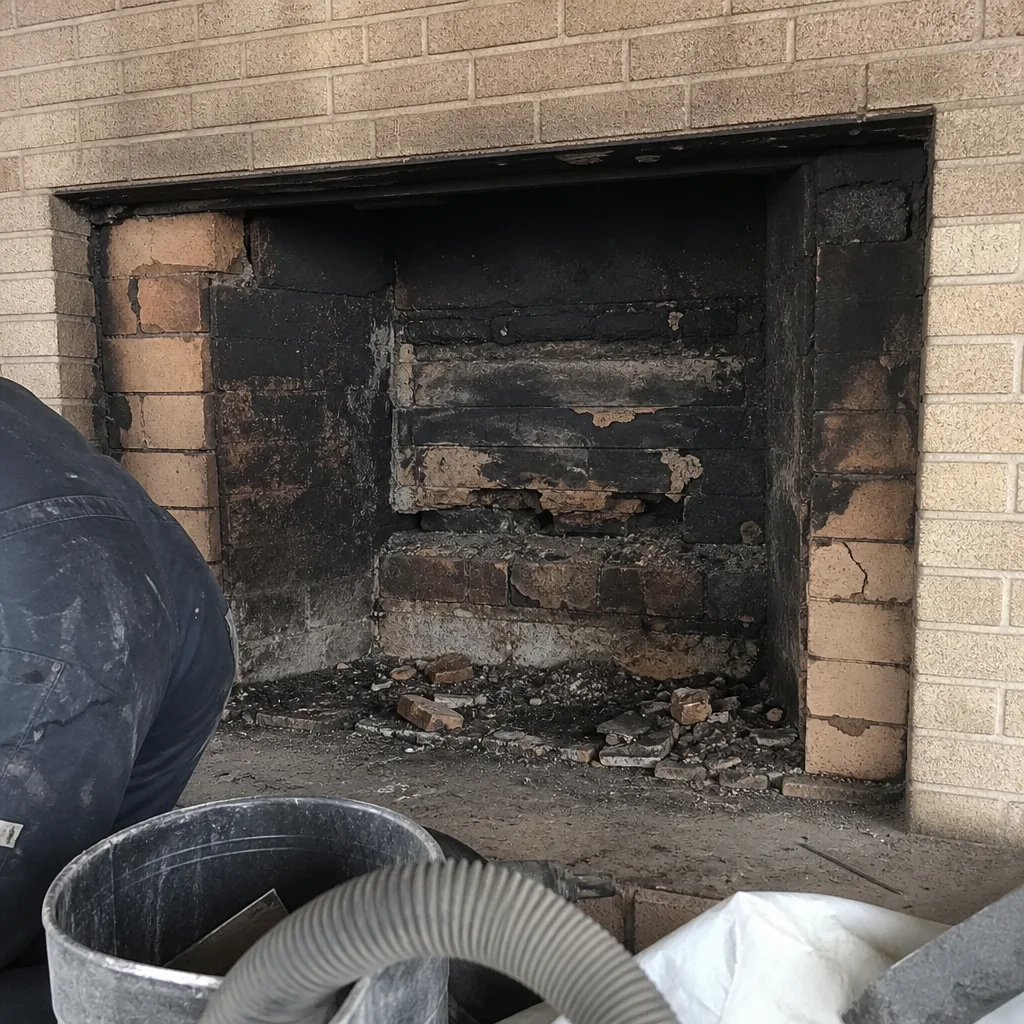 Before
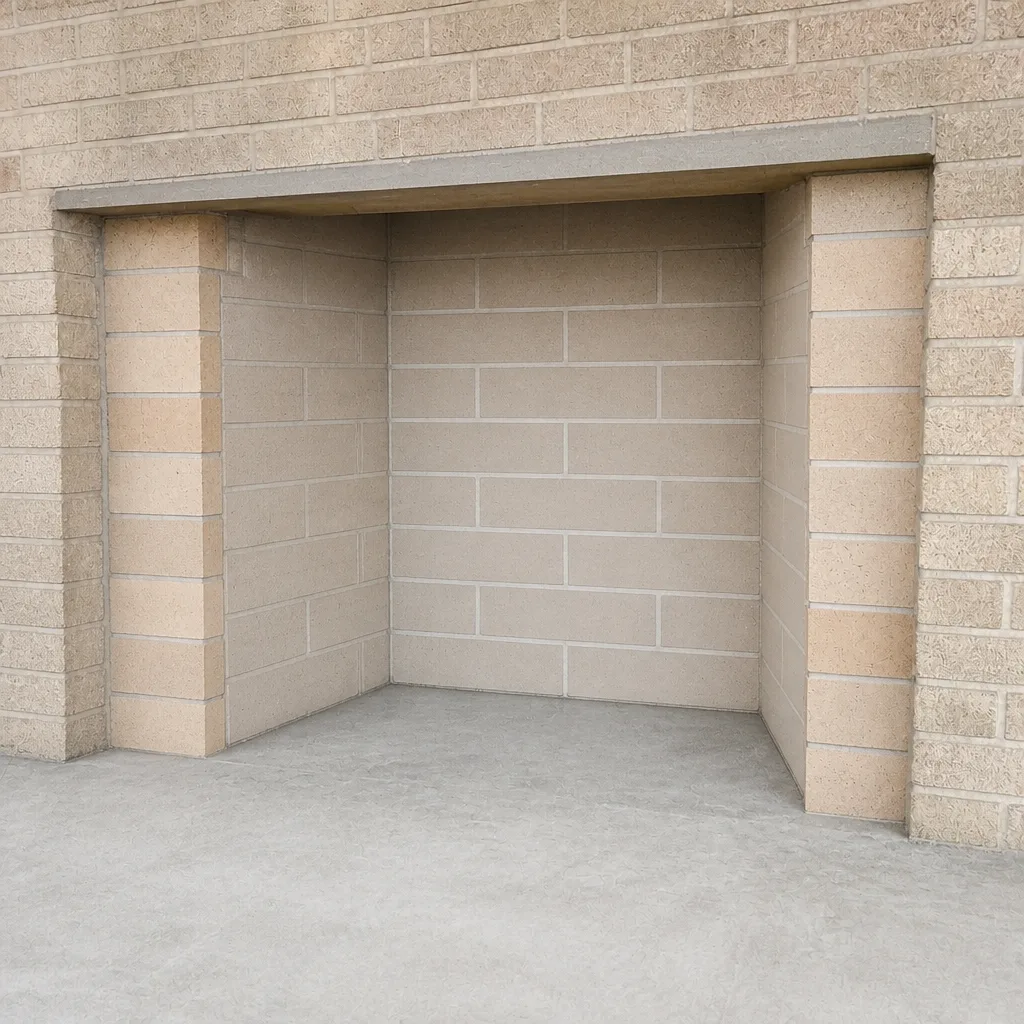 After
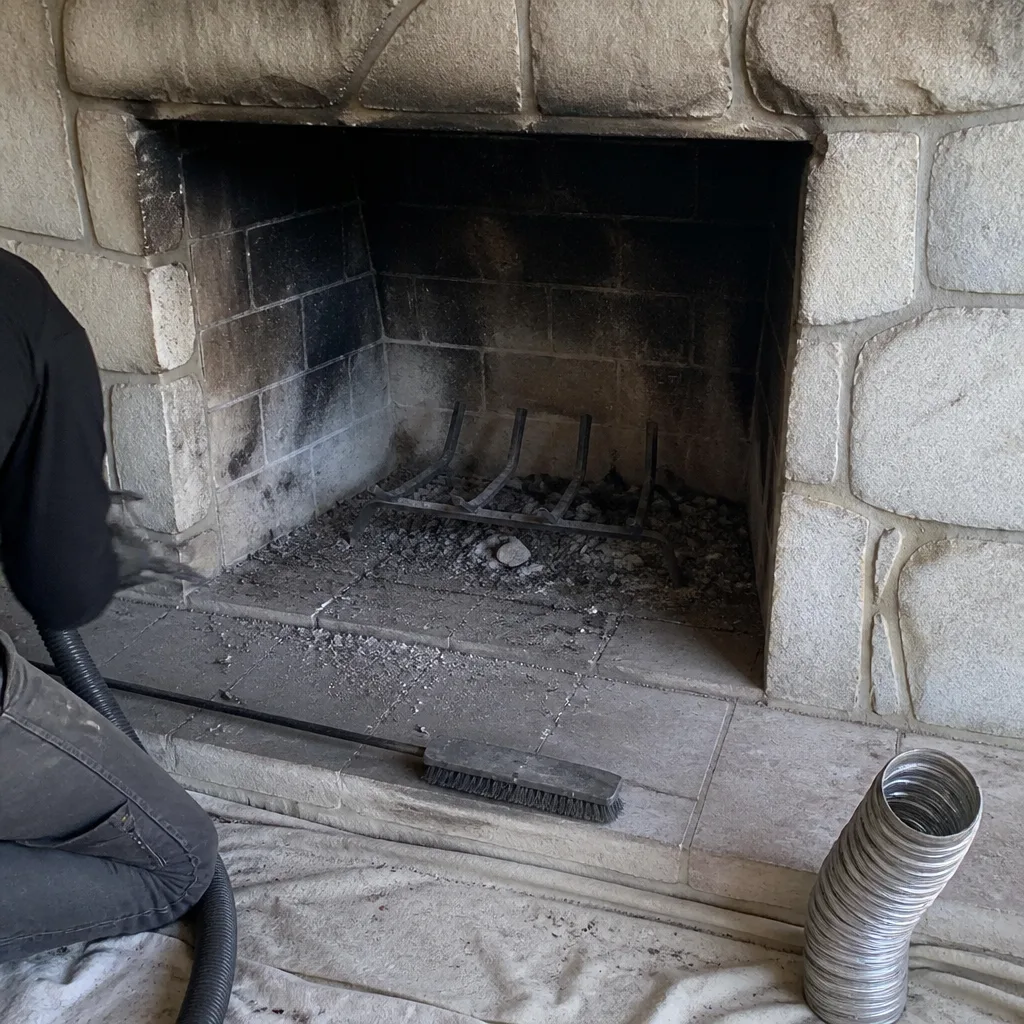 Before
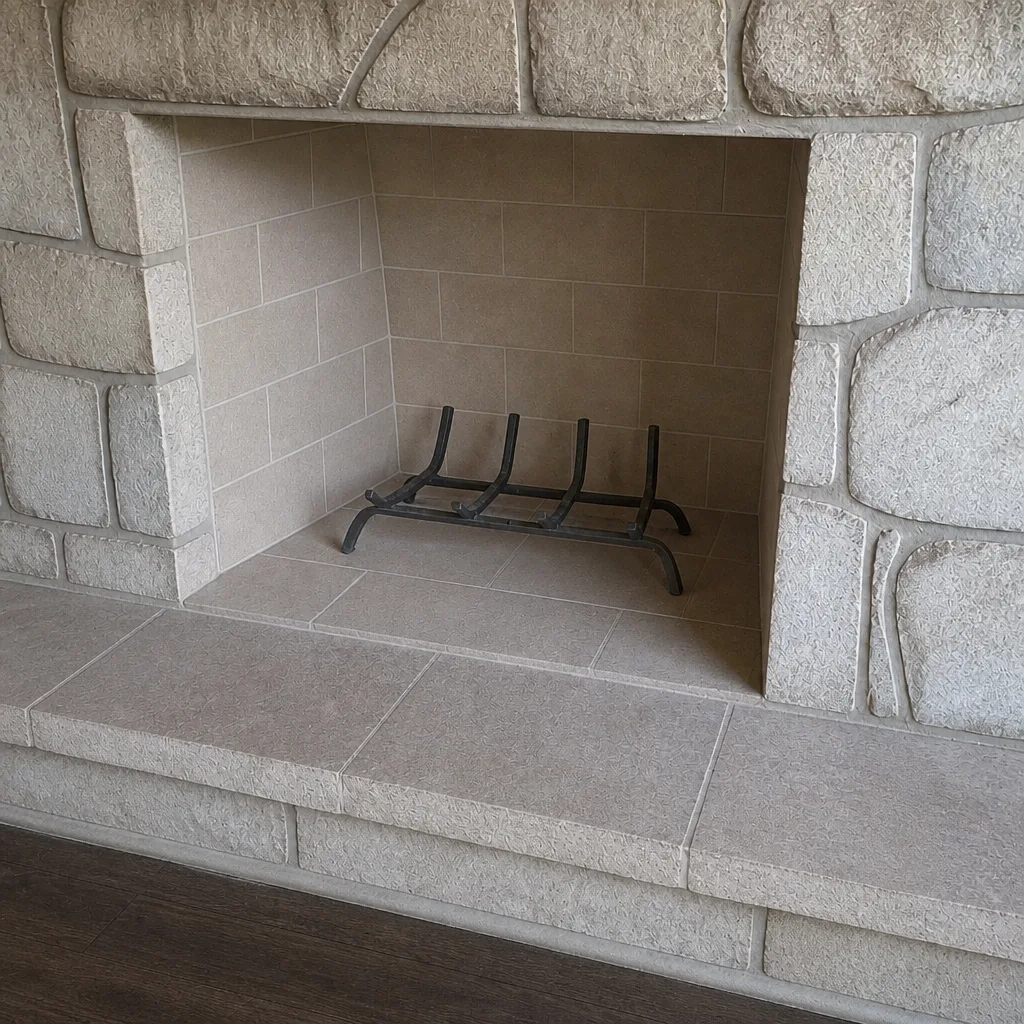 After
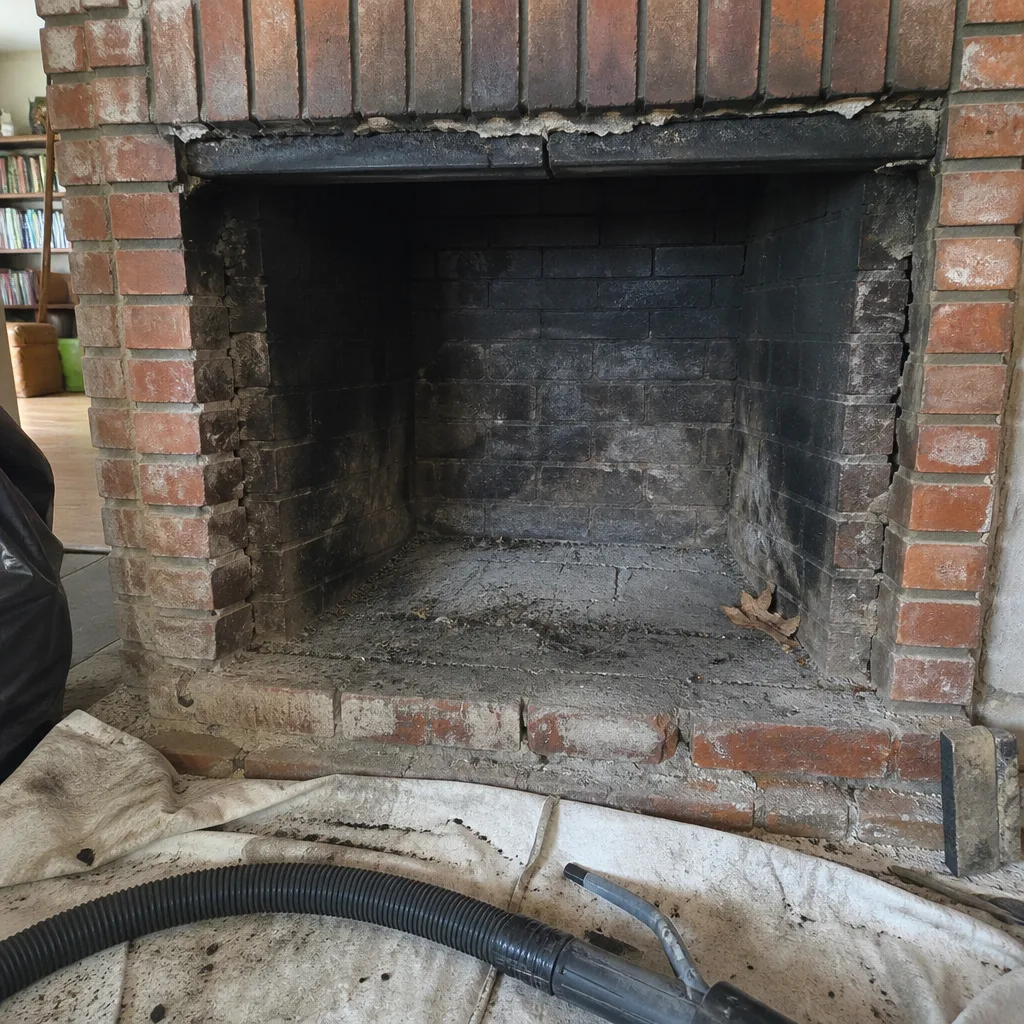 Before
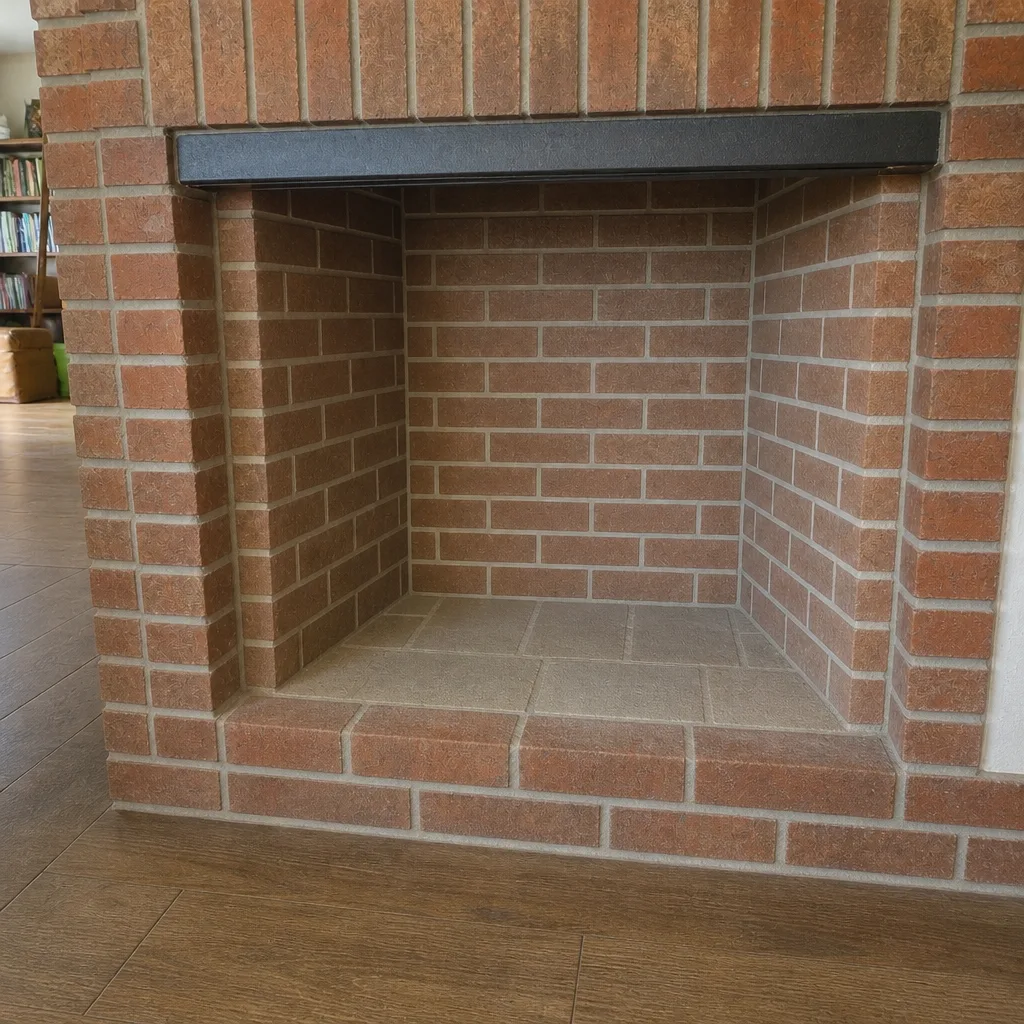 After