
Last updated November 4, 2026
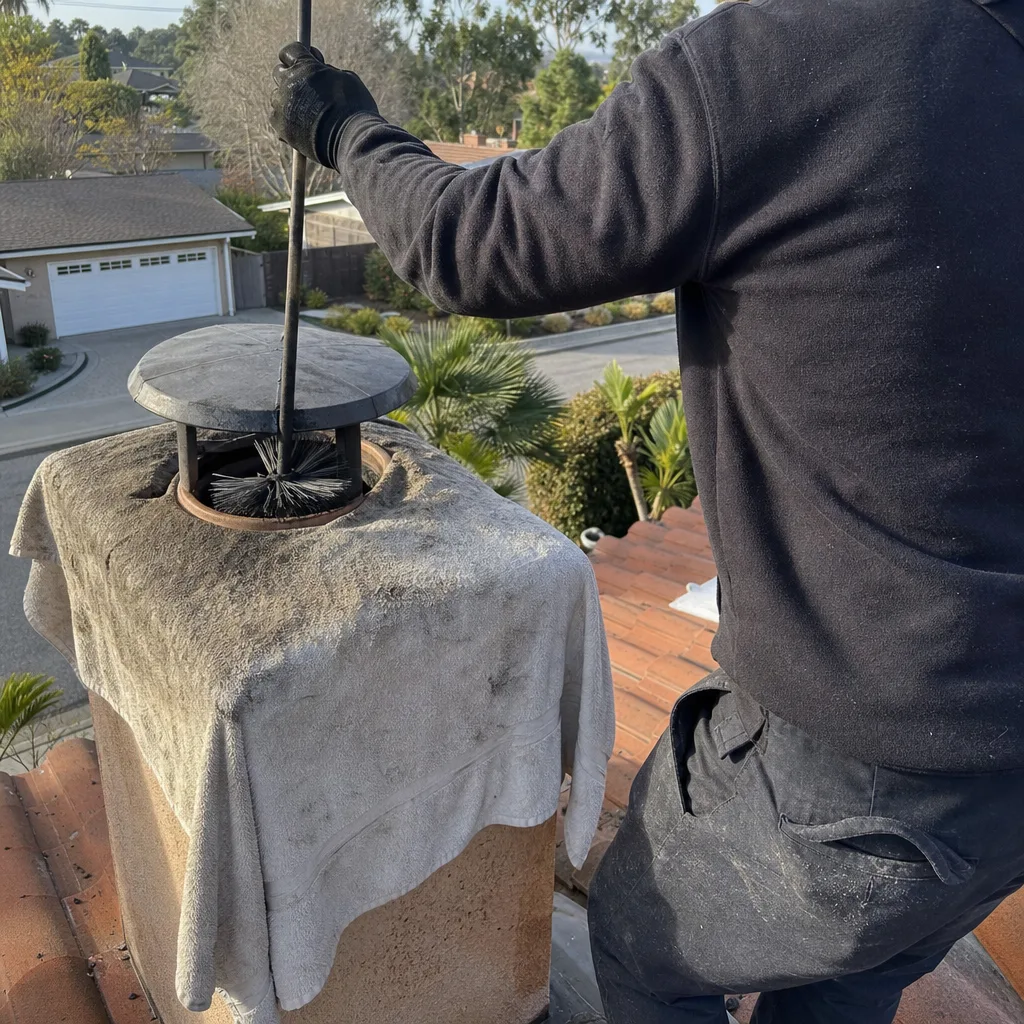
 Sweep & inspection
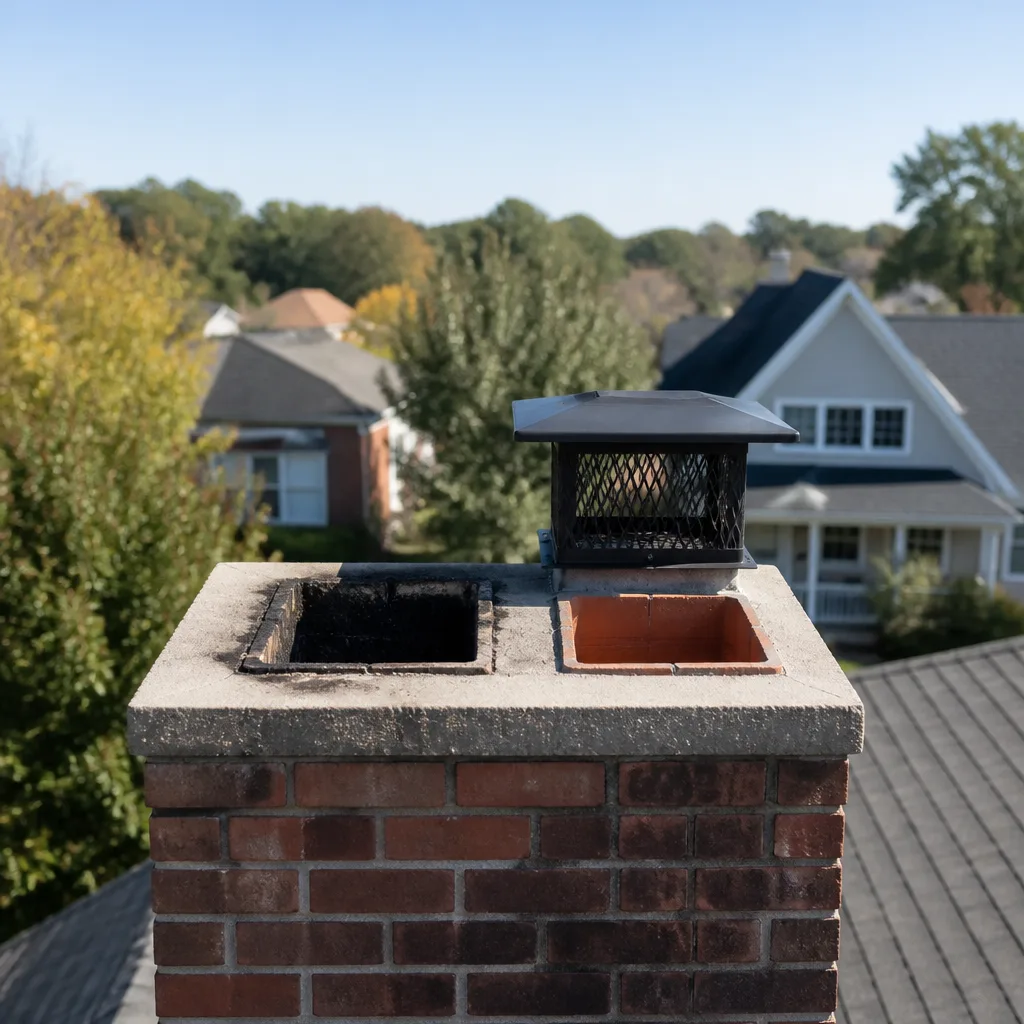
 Caps & crowns
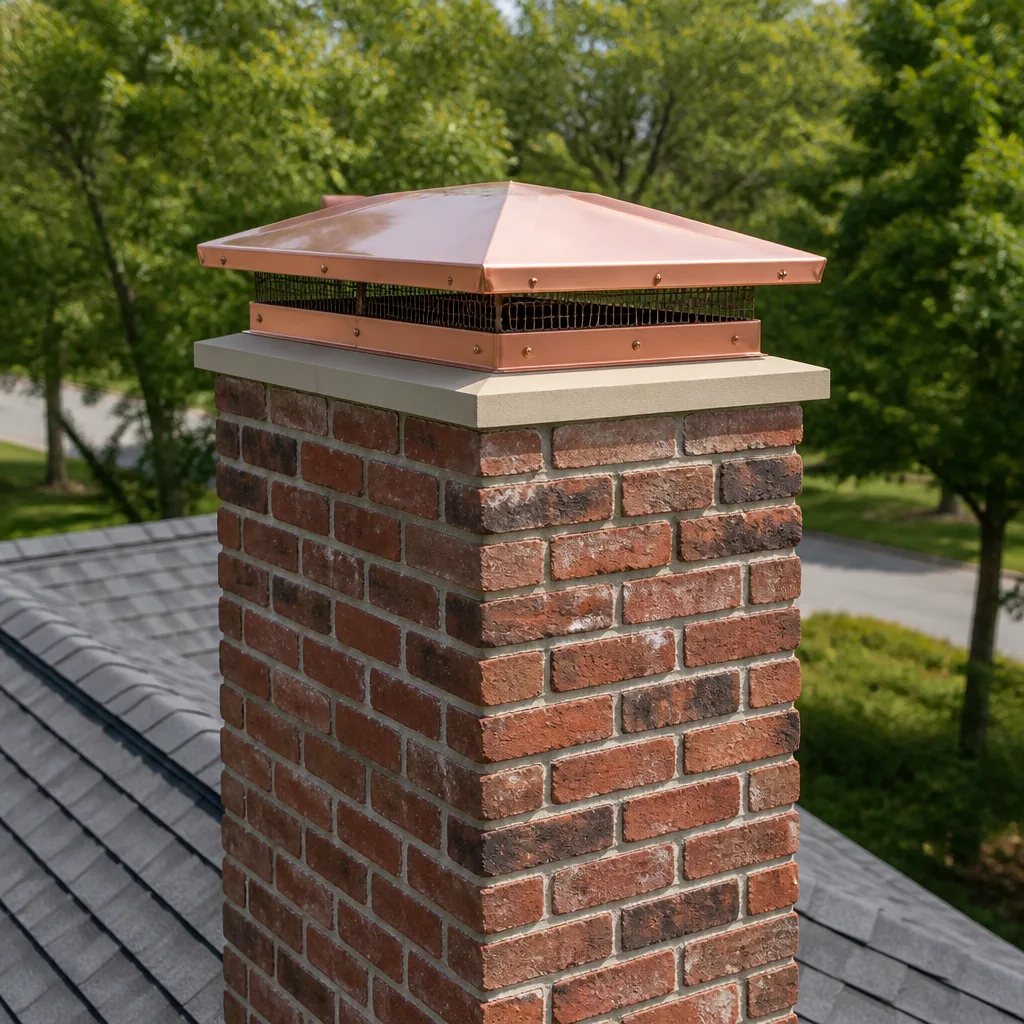
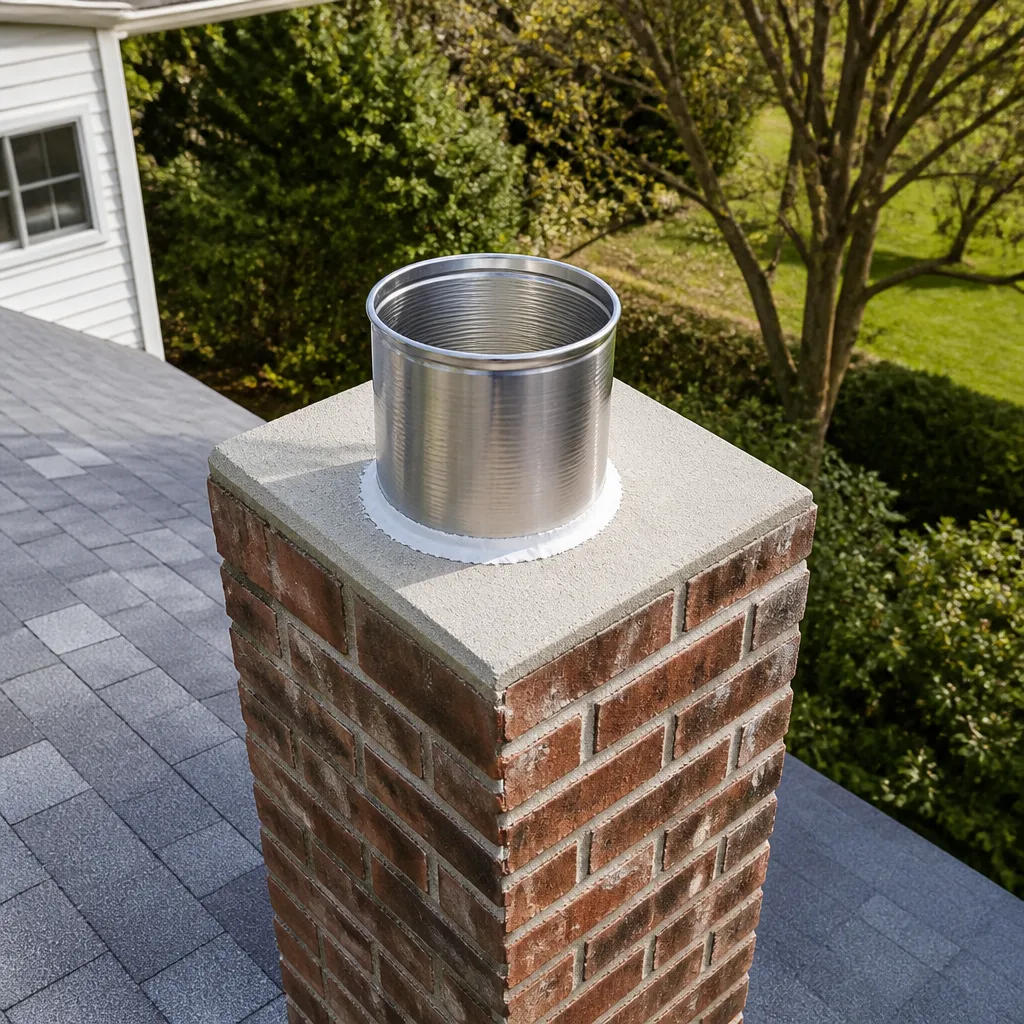 Flue relining
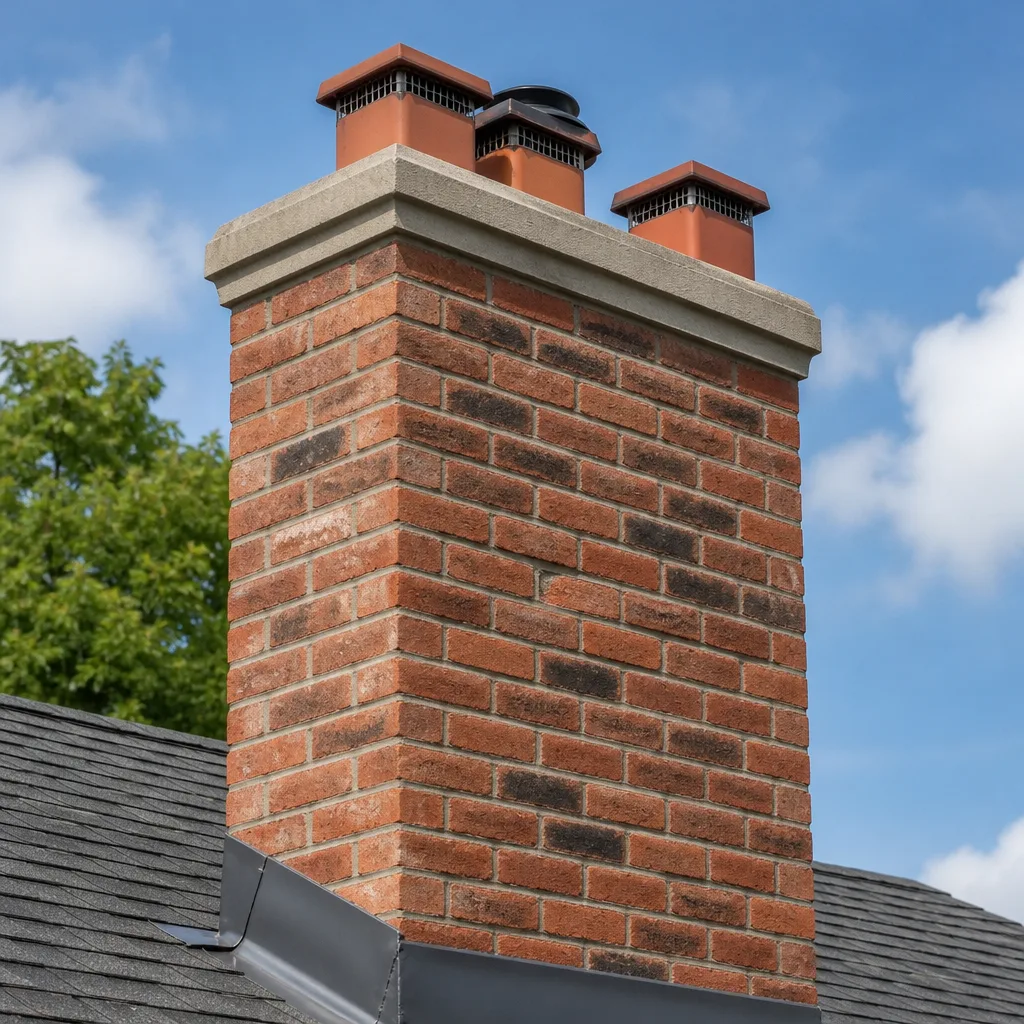 Masonry repair
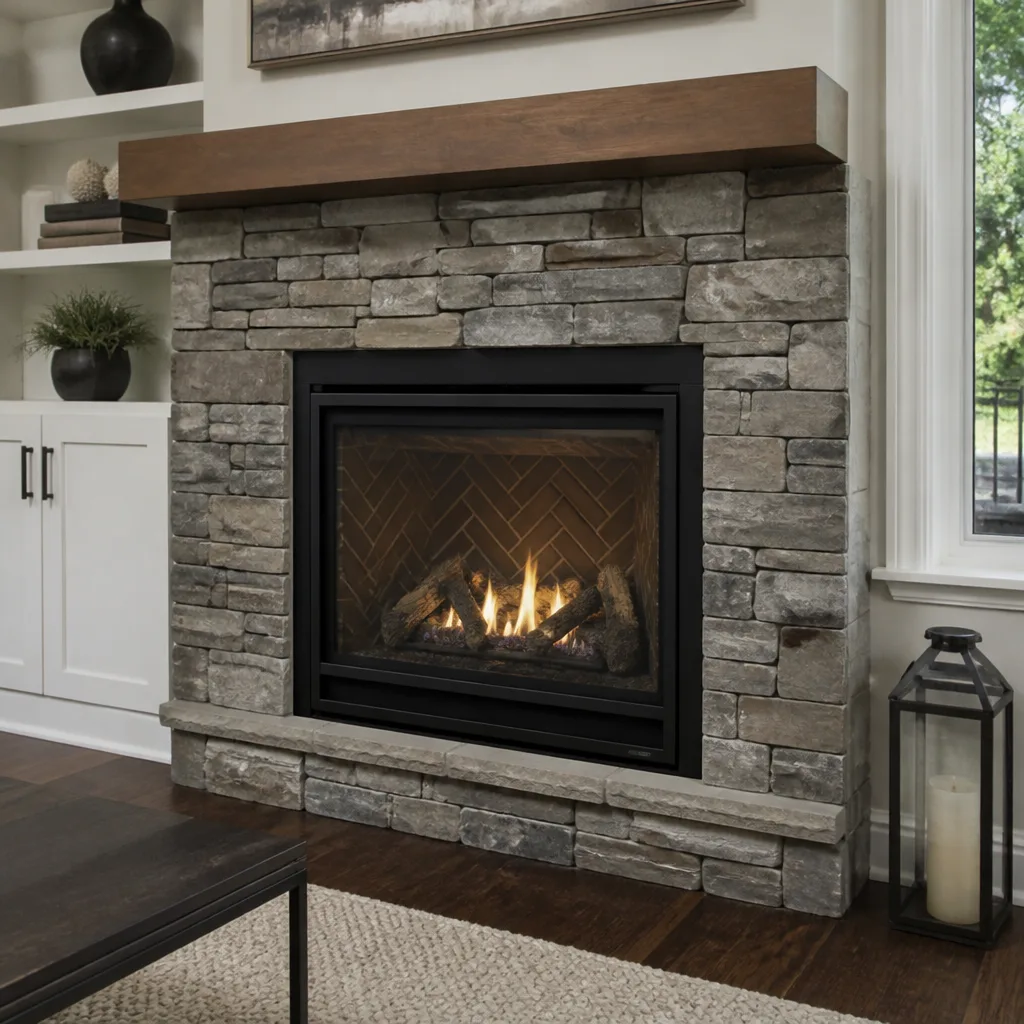 Gas fireplace service
Level 1 sweep and inspection to the NFPA 211 annual standard - flue, crown, cap, and flashing checked and photographed
Chimney sweep logs do not sweep chimneys. They loosen some creosote - which then falls where a brush and vacuum still have to collect it.
Chimney Cleaning Permits, Codes & Inspections in La Mesa, CA: What You Need to Know
Most homeowners in La Mesa assume a chimney cleaning is just a routine maintenance call. It is, until the sweep finds something. The moment a cracked flue liner, spalled brick crown, or compromised firebox shows up, you’ve crossed from maintenance into territory where California building codes start asking questions. What surprises people is not that permits exist. It’s that the chimney sweep who tells you repairs are no big deal and starts quoting liner replacement work without mentioning the city’s building department can leave you holding a financial and legal mess years later. This guide draws the exact line between what needs a permit in La Mesa and what doesn’t, and explains why that line matters more than most people think.
Quick Answer
Routine chimney sweeping and visual inspections do not require a permit in La Mesa or anywhere in San Diego County. Structural repairs, flue relining, crown reconstruction, and firebox repair beyond surface cleaning generally do require a permit under California Building Code and local amendments. The best way to know for sure is to call the City of La Mesa Building Division, describe the exact scope of work, and ask your contractor to show you the pulled permit before any crews arrive.
Styles & brands we work with
- Sweep & inspection
- Caps & crowns
- Flue relining
- Masonry repair
- Gas fireplace service
Table of Contents
- Where the Permit Line Actually Sits
- What California Building Code Section R1003 Governs
- La Mesa vs. San Diego County: Which Jurisdiction Governs Your Address
- Work Types That Always Require a Permit in California
- How NFPA 211 Interacts with California Code
- How to Request a Copy of a Contractor’s Pulled Permit
- Inspections After Major Repair: What Actually Happens
- Common Mistakes to Avoid
- When to Call a Professional
- Frequently Asked Questions
Where the Permit Line Actually Sits
Here’s the straightforward version. A chimney sweep removes creosote and soot from the inside of your flue. That’s maintenance. It’s no different from changing your furnace filter or cleaning your gutters. No permit, no inspection, no notice to the city. The moment work involves removing, replacing, altering, or reconstructing any part of the chimney structure, the conversation changes. La Mesa follows California Building Code, which has specific provisions for masonry chimneys and their liners. When our crew performs a Chimney Cleaning La Mesa service and spots a problem, we tell the homeowner exactly what category the fix falls into before recommending any next step. A cleaning should always include a real inspection. If whoever showed up just ran brushes and left without saying a word about the condition of your flue, you didn’t get a sweep. You got half a job.
What counts as maintenance
These items live on the safe side of the permit line:
- Mechanical sweeping of the flue with wire or poly brushes
- Removal of creosote, soot, and light debris
- Visual inspection with a camera or flashlight
- Minor firebox cleanup that doesn’t involve removing bricks or mortar
- Replacing a damper plate when the frame stays intact
- Cleaning and checking the chimney cap without altering the crown
What counts as permitted work
These items generally put you on the other side:
- Installing a new stainless liner system, including the kind we do with DuraFlex materials
- Rebuilding any portion of the outer masonry structure
- Resurfacing the flue with a product like HeatShield
- Rebuilding the crown from scratch rather than sealing hairline cracks
- Firebox repair that involves removing or replacing firebrick
- Any smoke chamber parging beyond surface-level application
The test is simple: does the work change the physical structure of the chimney? If yes, ask about a permit. If the contractor can’t answer the question clearly, that’s your answer.
What California Building Code Section R1003 Governs
California Building Code Section R1003 is where residential masonry chimneys get their rules. The code addresses how a masonry fireplace and chimney must be built, what a flue liner must be made of, and what clearances to combustible materials are required. It does not say anything about the frequency of sweeping. That’s a maintenance matter, not a construction matter. But when a home in La Mesa gets a new liner or any structural rebuild, the work must comply with R1003 as adopted and amended by the state and the local jurisdiction.
R1003 covers several specific things homeowners rarely think about. It sets limits on wall thickness for masonry chimneys. It requires flue liners to be made of approved materials: fire clay, terra cotta, stainless steel, or a listed cast-in-place product. It addresses the required height of a chimney above the roofline to maintain proper draft and reduce the chance of embers escaping onto combustible roofing. And it spells out the clearance required between the outside of the chimney and any wood framing in the house.
Why should this matter to someone who just wants their fireplace cleaned? Because a sweep is the moment when code violations get found. In our experience, La Mesa homes built before modern code enforcement often have clearances that would never pass today. Old nail plates, drywall touching masonry, framing members too close to a hot flue. None of that gets caught until someone looks. A proper cleaning includes an assessment that holds the current condition up against R1003. When we perform a sweep in a La Mesa home and notice something that looks like a code issue, the homeowner gets told plainly, with a camera reference to back it up.
How R1003 applies to liner work
Any flue liner installed in residential construction must meet the material and installation standards in R1003. That means a stainless liner needs to be UL-listed for the specific fuel type: wood, gas, or oil. The flexible liner systems from DuraFlex are built for exactly this purpose, and they’re what we install when a La Mesa home needs a reline because the original terra cotta has cracked. The critical point for homeowners is that R1003 compliance is not optional just because the liner itself is a manufactured product. The installation, the connection at the appliance or fireplace, and the termination at the top all fall under the same code section. If a contractor says the liner is approved so a permit isn’t needed, that’s wrong. The product listing and the installation are two separate regulatory questions.
La Mesa vs. San Diego County: Which Jurisdiction Governs Your Address
Here’s something that trips up a lot of people in San Diego County. La Mesa is an incorporated city with its own building division. But unincorporated areas west, east, and south of the city, including some neighborhoods that use a La Mesa mailing address, fall under San Diego County’s jurisdiction. The building codes are substantially similar, since both adopt the California Building Code. The difference is in the process, the fee schedule, and the office you actually deal with.
How to find out which one governs your address:
- Look up your address on the City of La Mesa’s official website. If it returns a parcel record, you’re in the city.
- If the city site doesn’t find your parcel, search the San Diego County parcel lookup tool.
- You can also call the City of La Mesa Building Division directly and give them your address. They’ll tell you immediately if you’re in their jurisdiction or need to call the County.
- If you’re in an unincorporated pocket, use the County’s building permit portal and search by address for any existing chimney permits on record.
The jurisdictional question matters because the permitting pathway differs. Errors here waste time. Legitimate contractors who work throughout the region know the boundary lines. One of the quiet indicators of a contractor who actually pulls permits is whether they ask the jurisdictional question before quoting repair work. If they don’t ask, they probably don’t pull.
Work Types That Always Require a Permit in California
Let’s be precise about this, because the line gets blurred by people who want the job. The following work types require a permit in essentially every California jurisdiction, including La Mesa and the surrounding county areas:
1. Flue relining or liner replacement
Whether it’s a rigid stainless system, a flexible liner like the DuraFlex products we install, or a cast-in-place product like HeatShield, changing the liner is a structural modification. A permit is required. The inspector verifies the product listing, the installation method, and the termination. This applies whether the original liner was terra cotta, refractory cement, or another approved material.
2. Crown reconstruction
The crown is the concrete or mortar cap at the top of the chimney. Repairing small cracks with elastomeric sealant is maintenance. Knocking the old crown off and forming a new one is reconstruction, and it requires a permit. The crown is the chimney’s first line of defense against water intrusion in the La Mesa climate, where hot, dry summers and occasional heavy winter rain create a cycle that slowly breaks down cementitious materials.
3. Firebox repair beyond surface cleaning
The firebox is the brick-lined chamber where the fire actually burns. Removing cracked refractory panels or firebrick and replacing them with new material changes the structural fire resistance of the assembly. It’s permitted work. Surface cleaning, minor mortar touch-ups in a couple of brick joints, and sealing hairline cracks are not.
4. Smoke chamber parging beyond surface level
The smoke chamber sits above the firebox and funnels smoke into the flue. Parging it with an insulating refractory mortar, in the way that pairs with HeatShield applications, counts as a structural resurfacing. A permit is required when the chamber is being relined or substantially modified.
5. Rebuilding any section of the outer masonry
If bricks are spalling and large sections of the exterior chimney need to be torn down and relaid, that’s structural work. It’s permitted. This kind of rebuild often happens on older La Mesa homes, where original mortar from mid-century construction has deteriorated after decades of thermal cycling.
How NFPA 211 Interacts with California Code
NFPA 211 is the National Fire Protection Association’s standard for chimneys, fireplaces, vents, and solid fuel-burning appliances. It’s not a law by itself. But California has adopted portions of it by reference, and building officials use it as the inspection standard when evaluating chimney condition. After a major repair or reline, NFPA 211 sets the benchmark for what a Level 2 inspection must include: accessible portions of the flue, the interior surfaces, and the exterior chimney structure.
What this means for a La Mesa homeowner is practical. If your chimney has a structural repair, the permitted scope of work will likely trigger an inspection. That inspector will evaluate the work against code sections derived, in part, from NFPA 211. If your contractor did the work correctly, the inspection passes and you have documentation that your chimney complies with an accepted industry standard. That documentation becomes valuable if an insurance claim ever arises.
NFPA 211 also carries a recommendation that a Level 2 inspection be performed whenever a property is sold or transferred, and whenever a chimney has been subjected to a fire, earthquake, or weather event. That’s a recommendation, not a law in California, but many insurers adopt it as their own underwriting guideline. The interaction between NFPA 211 and the California Building Code means that after a permitted repair, the inspection record becomes the evidence that the standard was actually met. Without a permit, that record doesn’t exist. Which brings us to the insurance conversation.
An insurance adjuster reviewing a chimney fire claim will ask for the maintenance and repair history. If a reline was done and no permit was pulled, the insurer has a documented reason to deny the claim based on unpermitted work. Even if the unpermitted liner was installed correctly, the absence of an inspection record gives the insurer a lever. The permit is not bureaucratic overhead. In a chimney fire claim, it’s the difference between having a record and having an argument.
How to Request a Copy of a Contractor’s Pulled Permit
A homeowner should see the permit before the work starts. This is not distrust. It’s process. A contractor who pulls permits views this request as routine and will happily provide the document. A contractor who balks is telling you something important.
Here’s the step-by-step for La Mesa residents:
- When you get a quote for permitted work, ask the contractor to confirm in writing whether a permit will be pulled and who is responsible for pulling it.
- Before signing, request the permit number or a copy of the application. The contractor can provide this once the permit is issued.
- Once the work begins, you can verify the permit with the City of La Mesa Building Division using your address or the permit number.
- After the final inspection passes, request a copy of the signed inspection record. Keep it with your home files.
- If the contractor suggests you pull the permit as the homeowner, understand the liability difference. In California, whoever pulls the permit is generally the party responsible for the work meeting code. Your contractor should pull it under their license.
Some homeowners worry that asking for a permit makes them seem difficult. It doesn’t. It makes them seem attentive. It’s the kind of request we expect and welcome. When we perform a reline or a HeatShield resurfacing in a La Mesa home, the permit is part of the job quote, not an awkward add-on buried in fine print.
Inspections After Major Repair: What Actually Happens
Once the permit is pulled and the work is done, an inspector from the Building Division schedules a visit. The inspection covers the work that was permitted, not the entire house. The inspector will verify that the liner or repair matches the approved scope, that the products used carry the correct listings, and that clearances and terminations look right. They will not climb your roof and brush your chimney. That’s not what a building inspection is.
If the inspection fails, the contractor fixes the deficiency and schedules a re-inspection. This is normal, and it’s not a sign that the contractor is bad. It’s the process working. What should worry you is a contractor who avoids inspection altogether. The inspection record is your primary evidence that the work was done to code. That record exists independently of the contractor, so it protects you if the contractor later goes out of business or is unresponsive.
For work that didn’t need a permit, there is a different kind of inspection. A proper Level 1 or Level 2 inspection during a routine sweep should produce a written condition report. We believe that report should include photographs, especially if we’re showing a homeowner why a liner needs attention. The camera report is what turns our recommendation into something the homeowner can see and verify. If a chimney company tells you that you need thousands of dollars in work and cannot show you imagery of the specific damage, walk away. The same applies in La Mesa as anywhere else in the county.
Common Mistakes to Avoid
- Assuming a cleaning includes a code compliance review. A sweep removes creosote. A proper service also reports on the condition of the liner, crown, firebox, and clearances. If you didn’t get a written condition report, you didn’t get the full service.
- Paying for a reline without asking about a permit. If a contractor quotes liner replacement and never mentions the City of La Mesa Building Division, that’s a red flag. The permit exists to protect you, not to add cost.
- Pulling the permit yourself as the homeowner without understanding the liability. The person who pulls the permit bears responsibility for compliance. Your contractor should carry that under their license and insurance.
- Filing an insurance claim after a fire with no repair records. Insurance companies ask for maintenance history. A sweep receipt and a written condition report are simple documents that carry real weight. A permit record after a repair carries more.
- Treating water damage as a cosmetic issue. In the La Mesa climate, water that seeps into a cracked crown or deteriorated mortar joints doesn’t just look bad. It accelerates the breakdown of the entire masonry assembly. The repair gets more expensive the longer it’s ignored.
- Choosing a contractor based only on price. A low quote often means no permit, no inspection, and products sourced from big-box shelves rather than professional supply houses. We install DuraFlex liners and use materials sourced through Olympia Chimney and Copperfield because those components meet the code requirements and last in actual service. The same is true for Famco ventilation components on the dryer vent side of the business.
When to Call a Professional
You need a professional when the fireplace has not been swept in two or more years, when you notice flaking brick or crumbling mortar on the exterior chimney, when you smell smoke inside the house after the fire is out, or when you’re buying a home with a chimney and no maintenance records. You also need a professional the moment anyone recommends liner work. Not because the recommendation is wrong. Because that recommendation puts you into permit territory, and you want someone who pulls permits without being asked. Chimney Cleaning La Mesa offers free estimates in La Mesa: call (833) 593-6651. We answer 24/7. Fast dispatch from 7am to 7pm, Sunday through Friday.
Frequently Asked Questions
No. Routine chimney sweeping and visual inspection are maintenance work and do not require a permit from the City of La Mesa or San Diego County. A permit becomes necessary only when the work changes the physical structure, such as relining, crown reconstruction, or firebox repair. Call (833) 593-6651 to schedule a sweep and get a written condition report.
A standard chimney sweep and inspection in La Mesa typically costs between $180 and $340, depending on the size of the flue, the amount of creosote present, and whether any extra access is needed. If the sweep reveals structural damage, the repair quote is separate and set by written estimate. Call (833) 593-6651 for an exact quote: estimates are free.
Yes. Flue relining, whether with a stainless system or a resurfacing product like HeatShield, is structural work regulated under California Building Code Section R1003. A permit and inspection are required in La Mesa and throughout San Diego County. A contractor who says otherwise is wrong.
Search your address on the City of La Mesa’s online parcel lookup. If no record appears, you’re likely in an unincorporated county pocket, even if your mailing address says La Mesa. Call the City of La Mesa Building Division directly and give them your address for a definitive answer.
The National Fire Protection Association recommends a cleaning whenever creosote buildup reaches 1/8 inch or more, and at minimum once per year if the fireplace is used regularly. In a mild climate like La Mesa, the biggest variable is how often you burn and whether you burn properly seasoned wood. A spring sweep after the burning season is a common rhythm.
If unpermitted structural work is discovered after a chimney fire, your insurance company has grounds to deny the claim. The absence of an inspection record leaves you with no evidence that the work met code. The permit fee is small compared to the financial exposure of fighting or losing a fire claim. Call (833) 593-6651 for an exact quote: estimates are free, and we can provide the written estimate before any permit is pulled.
The Bottom Line
Chimney cleaning in La Mesa is usually permit-free maintenance. The moment the conversation turns to liners, crowns, fireboxes, or masonry rebuilds, you’re in a different regulatory world. California Building Code Section R1003 and local amendments set clear standards for what a repaired chimney must look like. The permit process is not bureaucracy for its own sake. It creates the paper trail that stands between you and a denied insurance claim. Know your jurisdiction, ask for the permit before work starts, and don’t trust a repair recommendation that comes without camera evidence you can see for yourself. If you need a dryer vent cleaning alongside your chimney service, one call covers both. Call (833) 593-6651. We answer 24/7. Fast dispatch from 7am to 7pm, Sunday through Friday.
Written by the team at Chimney Cleaning La Mesa, serving La Mesa since 2013.
See the difference
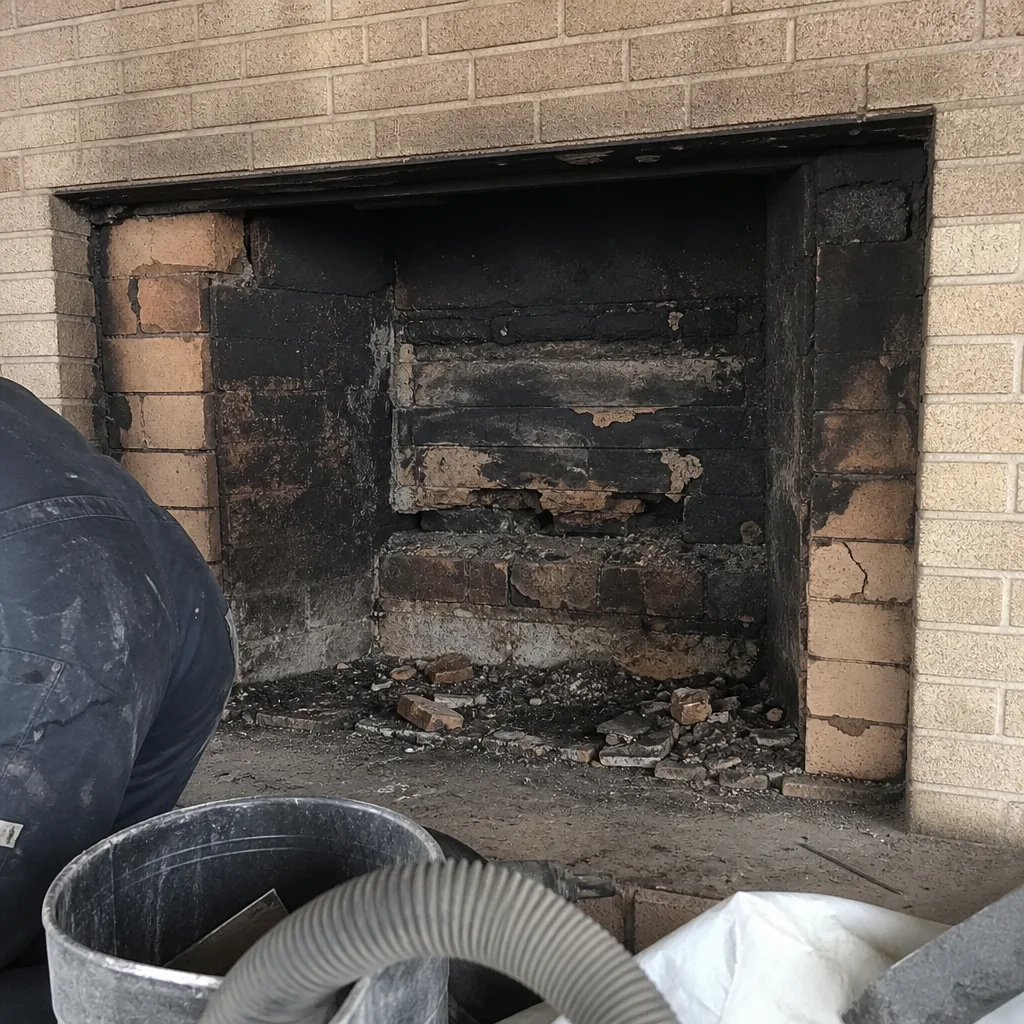 Before
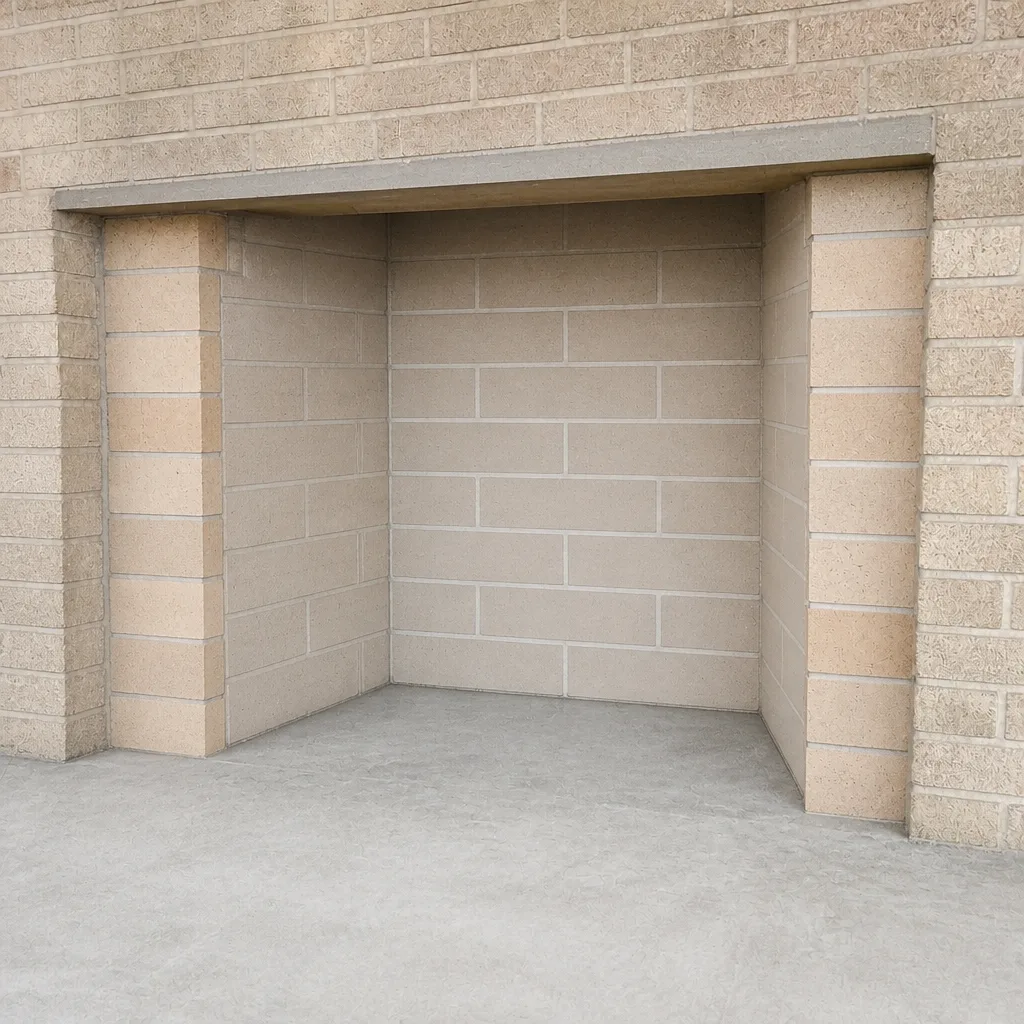 After
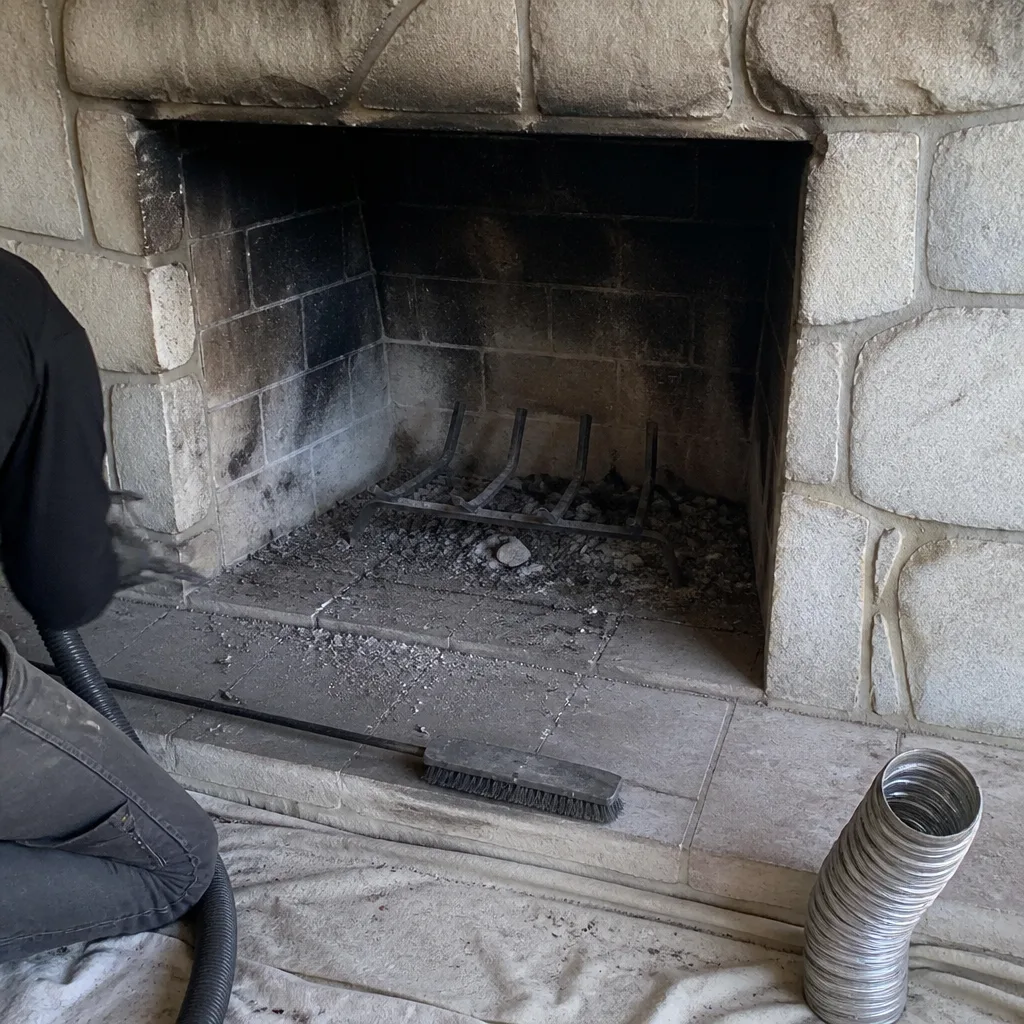 Before
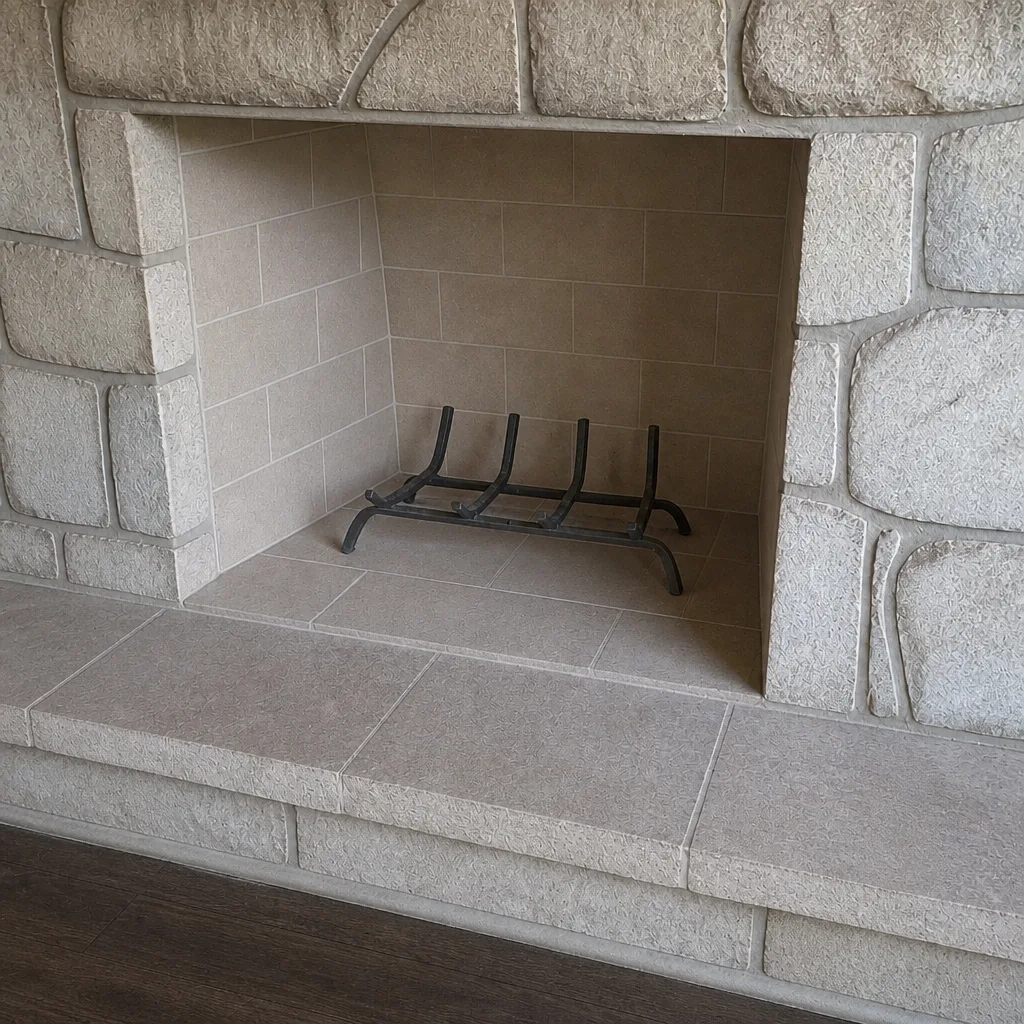 After
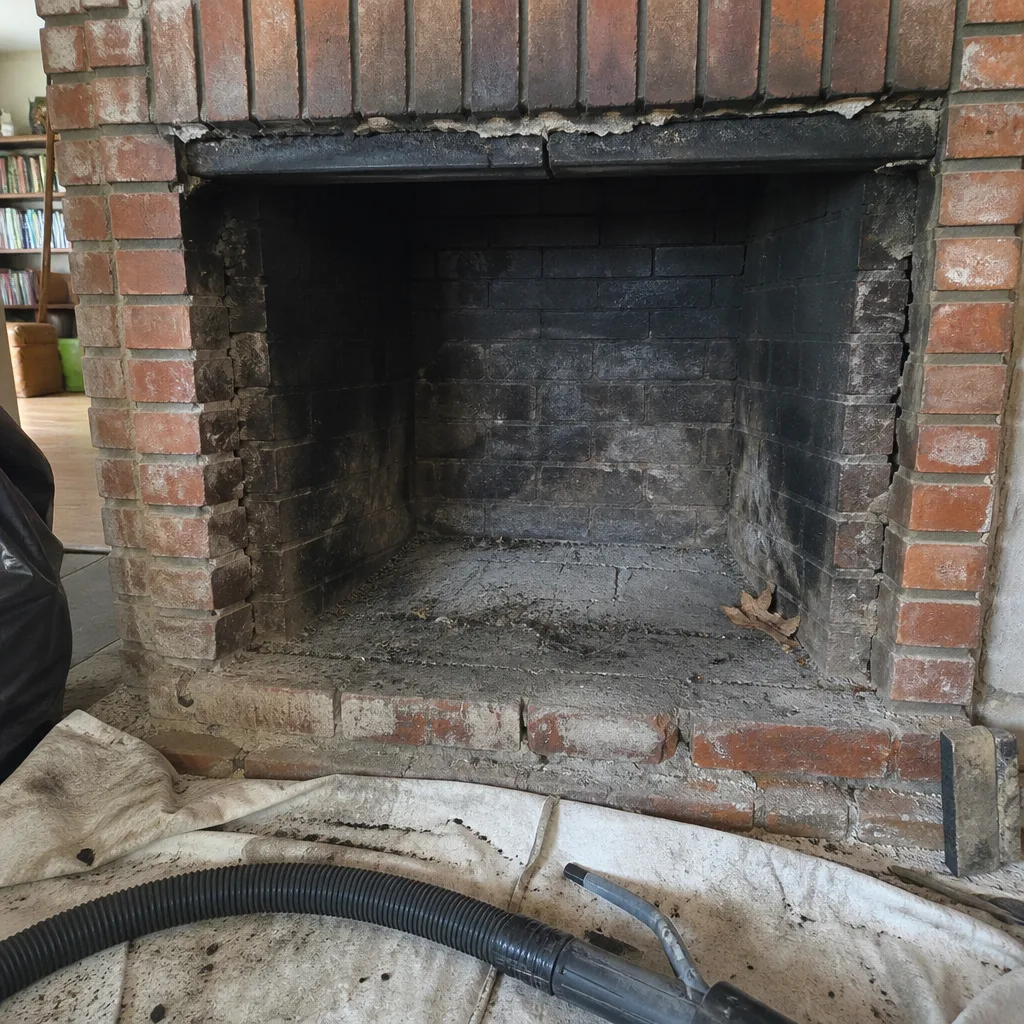 Before
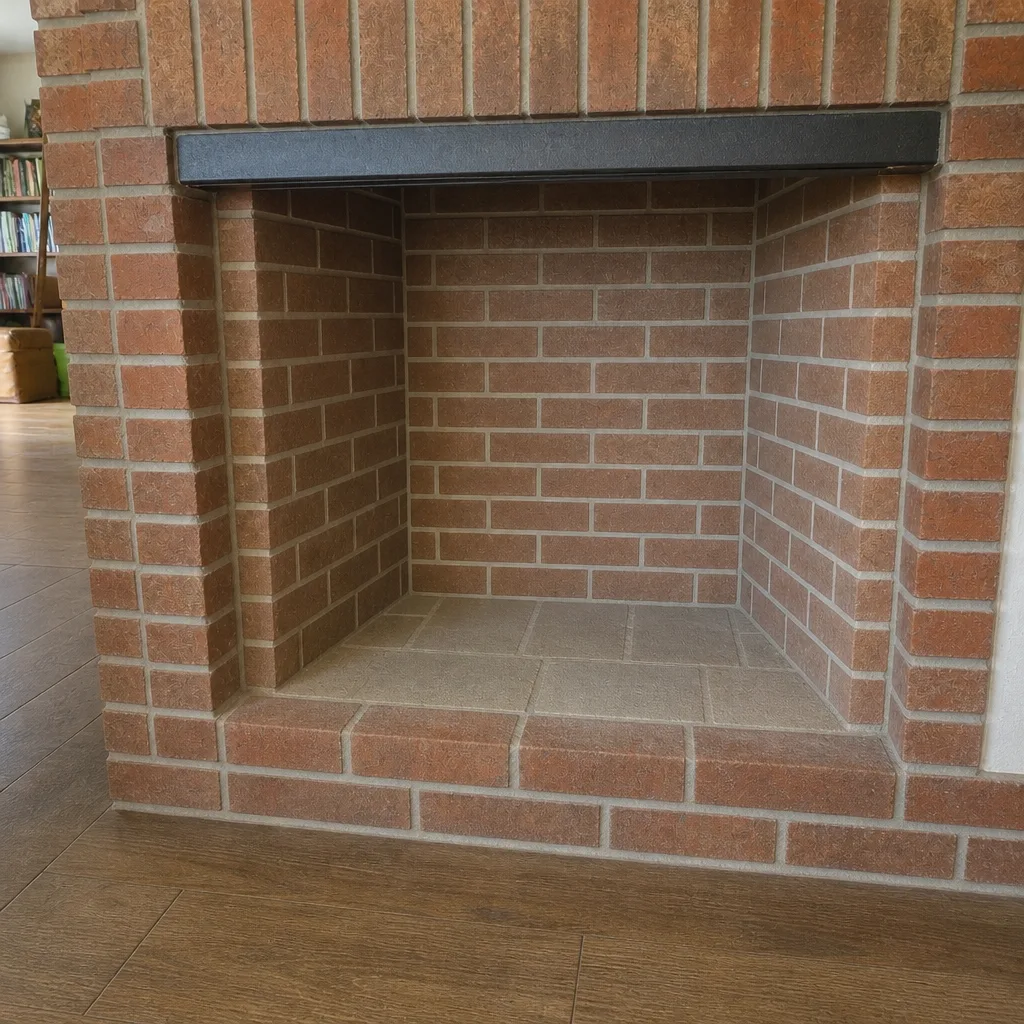 After