
Last updated November 5, 2026
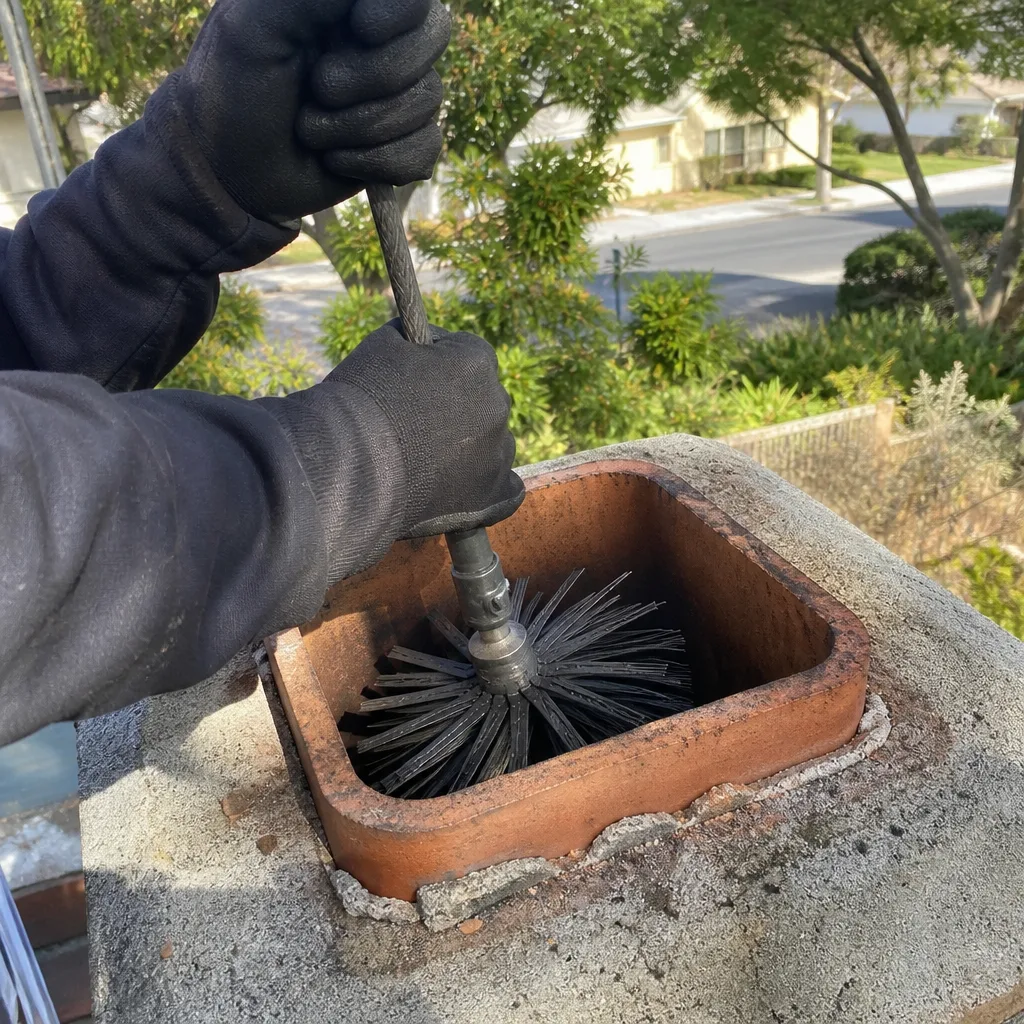
 Sweep & inspection
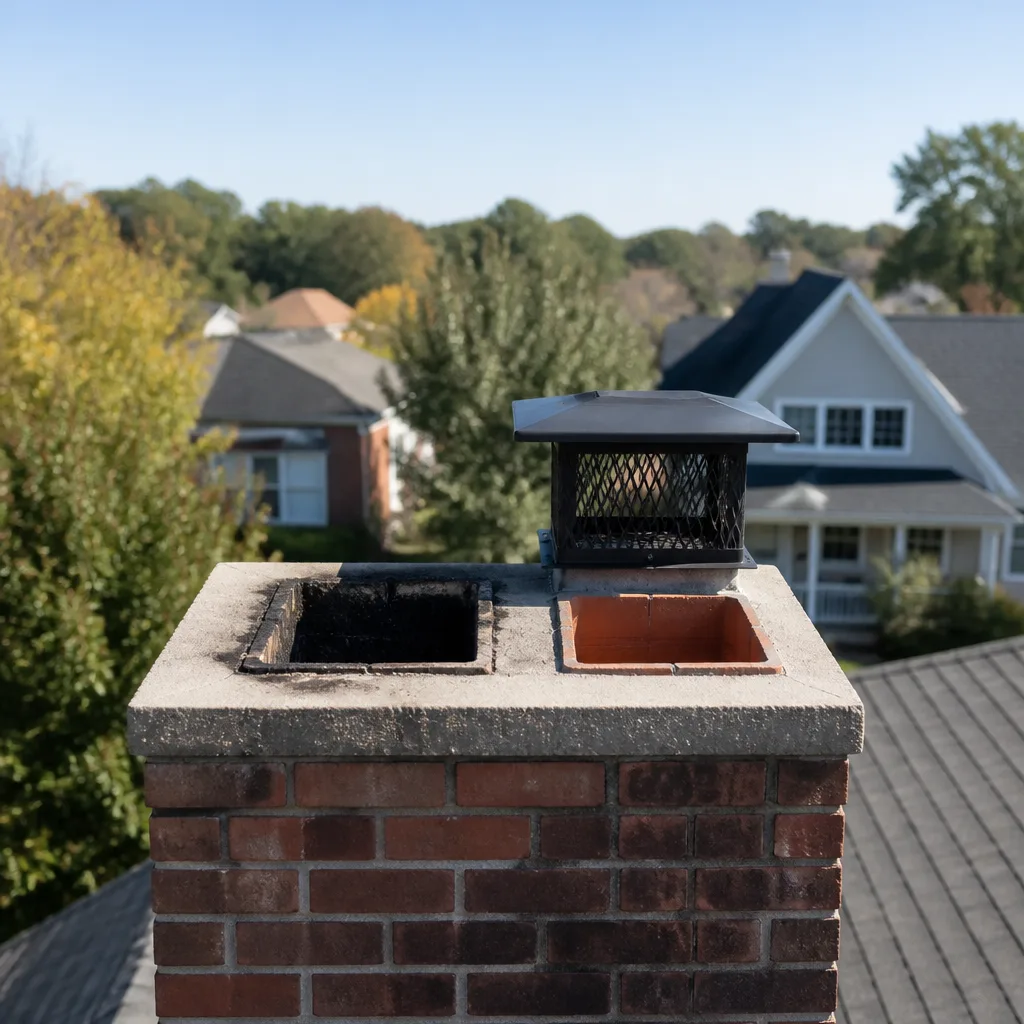
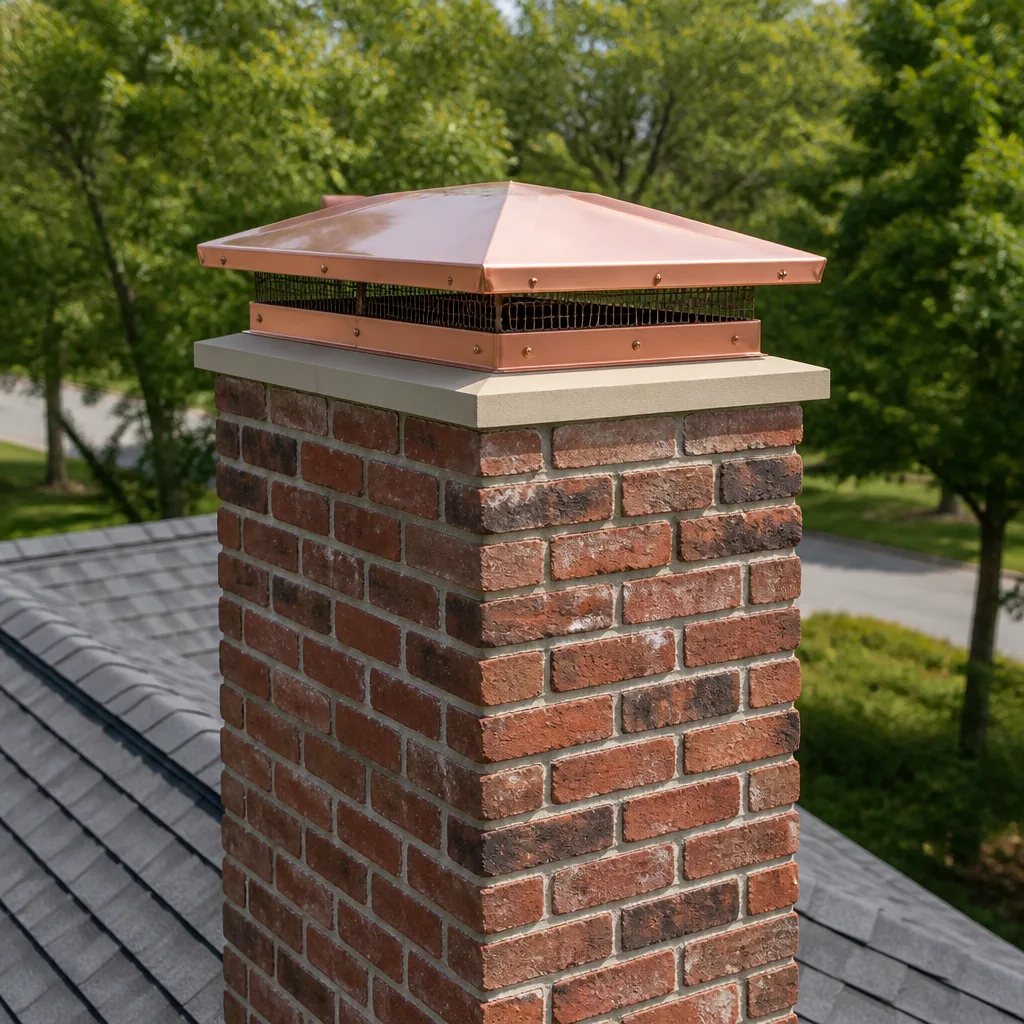 Caps & crowns
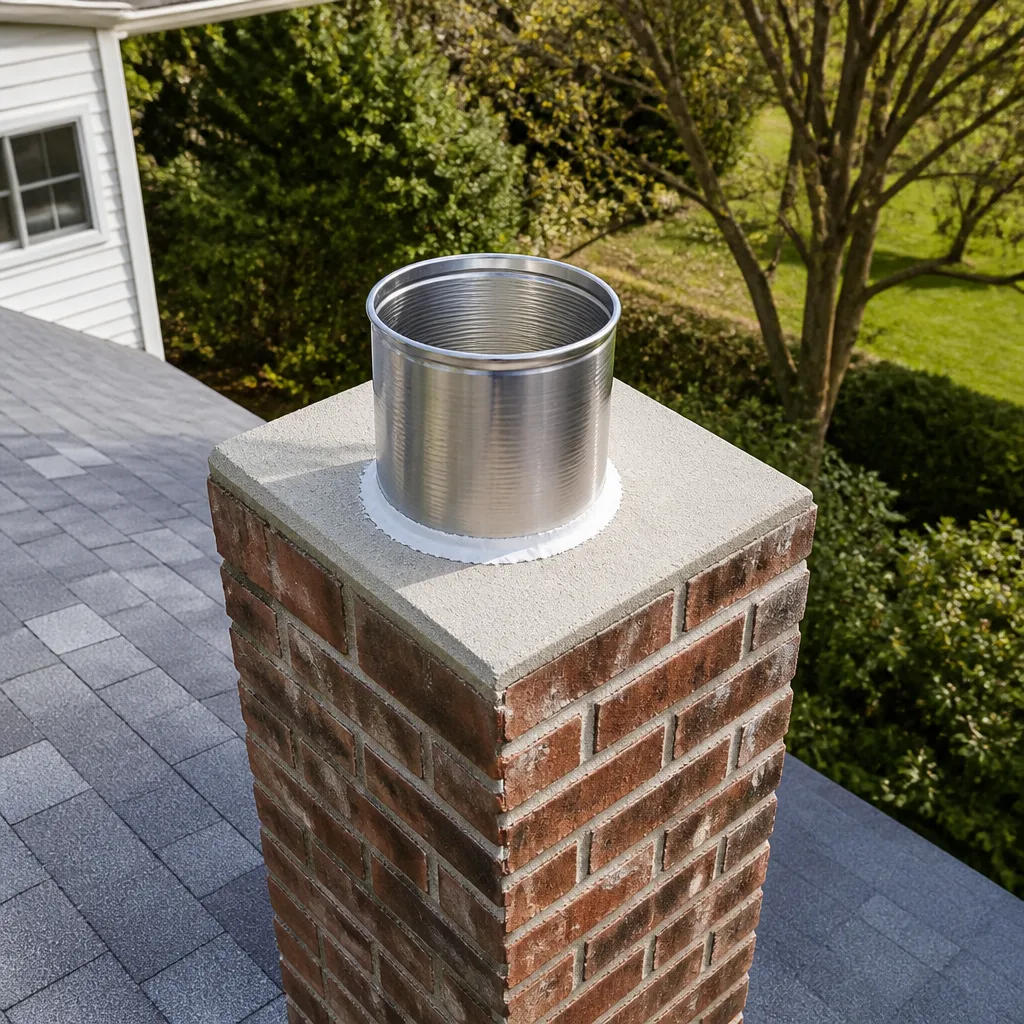 Flue relining
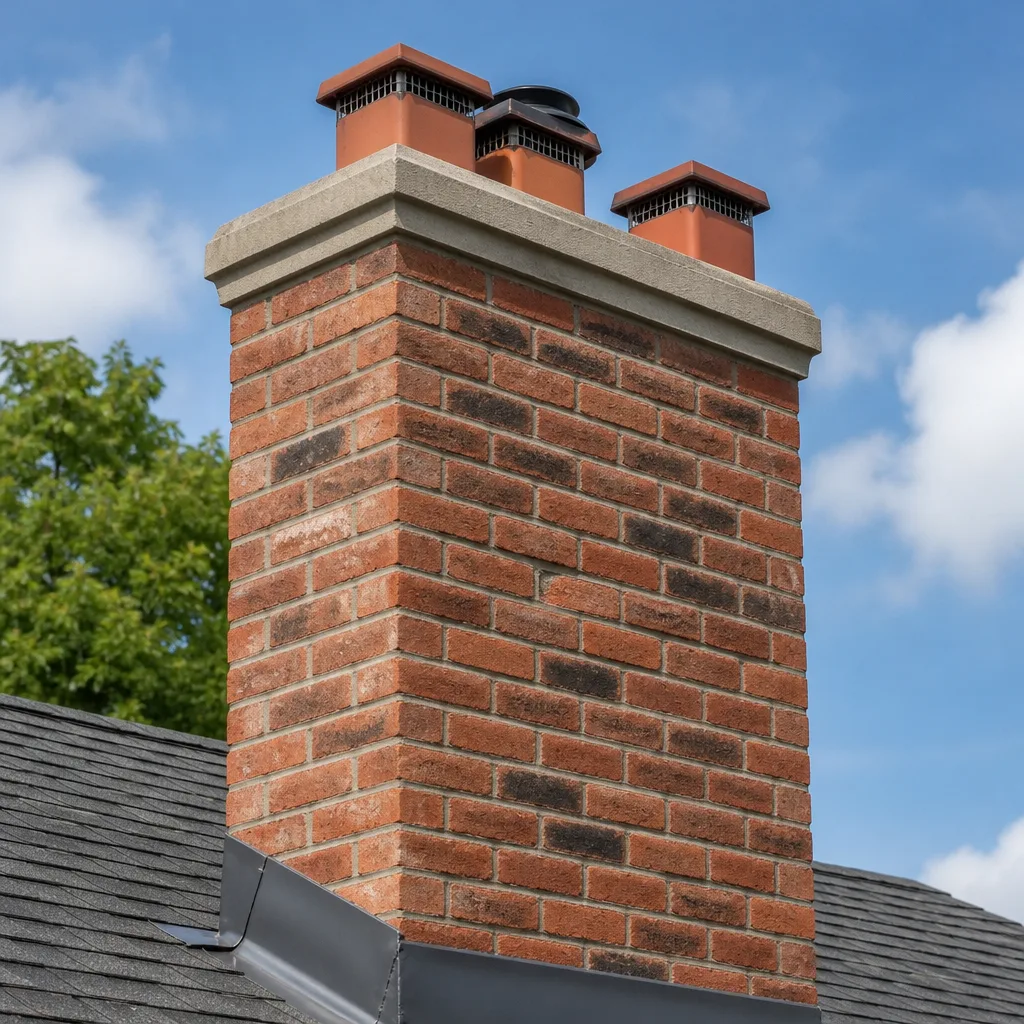 Masonry repair
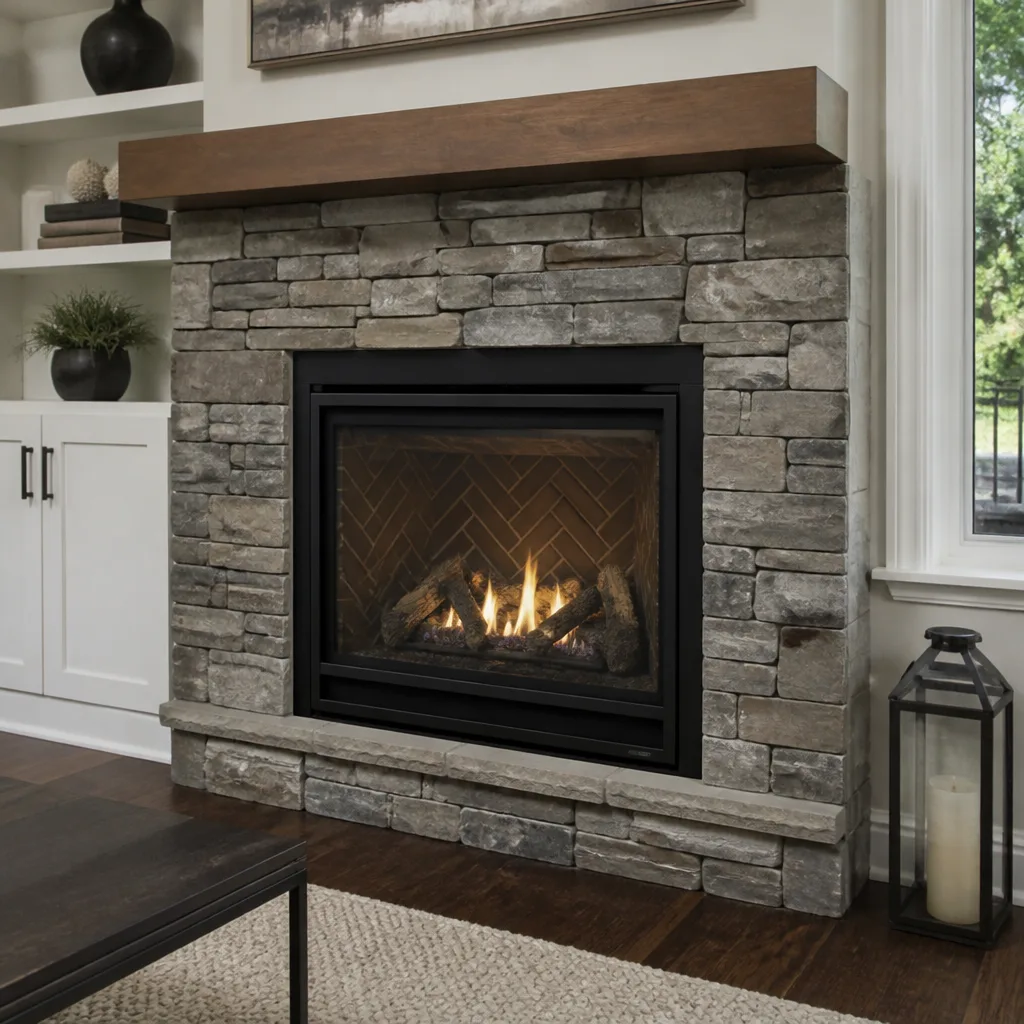 Gas fireplace service
Level 1 sweep and inspection to the NFPA 211 annual standard - flue, crown, cap, and flashing checked and photographed
Chimney sweep logs do not sweep chimneys. They loosen some creosote - which then falls where a brush and vacuum still have to collect it.
Chimney Sweep Maintenance Schedule: What to Do and When
Most homeowners in La Mesa have been handed the same one-line advice: get your chimney swept once a year. It sounds simple, responsible, and easy to follow. The problem is that advice was built for a wood-burning household in a cold climate that runs fires daily from October through March. A La Mesa homeowner who lights gas logs on Christmas morning and a few cool January evenings is operating on a completely different usage pattern, and the maintenance schedule should reflect that. This guide replaces the generic annual checklist with a usage-based system, so you know exactly what to do and when based on how you actually use your fireplace, plus the seasonal triggers specific to our dry, mild climate.
Quick Answer
How often a chimney needs sweeping depends on what you burn and how often you burn it. Gas log fireplaces in La Mesa used seasonally, meaning fewer than 20 burns per year, typically need a sweep and Level 1 inspection every 2 to 3 years. Wood-burning fireplaces used more than a cord of wood per season, or any fireplace that has been through a chimney fire, storm, or change in appliance, should be swept and inspected annually or immediately after the triggering event. Dryer vents need cleaning every 12 to 24 months depending on household size and laundry volume, with the schedule resetting after any visible lint buildup at the exterior vent.
Styles & brands we work with
- Sweep & inspection
- Caps & crowns
- Flue relining
- Masonry repair
- Gas fireplace service
Table of Contents
- The Usage Threshold Chart: When Different Chimneys Need Different Schedules
- Level 1 vs. Level 2 Inspections: Which Schedule Warrants Which
- La Mesa Seasonal Triggers: Santa Ana Winds and Rainy Season Checks
- The Gas Log Fireplace Schedule: Usage-Based, Not Calendar-Based
- The Wood-Burning Fireplace Schedule: What Actually Matters
- Dryer Vent Maintenance: The Ventilation System You Forgot
- Reset Events: What Overrides Your Normal Schedule
- Common Mistakes to Avoid
The Usage Threshold Chart: When Different Chimneys Need Different Schedules
The single most useful shift a homeowner can make is to stop thinking of chimney maintenance as a calendar event and start thinking of it as a usage threshold. A chimney is a ventilation system. Like any system, it wears based on how much work it does, not how many months have passed. Three different fireplaces in the same La Mesa neighborhood can have three completely different maintenance needs because they see three completely different workloads.
Here is a practical threshold chart based on what we see in homes across La Mesa:
Gas Log Fireplaces (Vent-Free or Vented)
- Decorative-only use, fewer than 10 burns per year: Sweep and Level 1 inspection every 3 years.
- Seasonal use, 10 to 30 burns per year: Sweep and Level 1 inspection every 2 years.
- Regular use, more than 30 burns per year: Annual sweep and Level 1 inspection.
Wood-Burning Fireplaces
- Occasional use, under half a cord per season: Annual Level 1 inspection, sweep every 2 years or when creosote reaches 1/8 inch.
- Moderate use, half to one full cord per season: Annual sweep and Level 1 inspection.
- Heavy use, more than one cord per season: Annual sweep and inspection, with a closer look at the flue liner mid-season if you notice any performance changes.
Decorative-Only or Sealed Chimneys
- Never used, fireplace is purely cosmetic: Inspection every 3 to 5 years to check cap, crown, and flashing integrity, especially after rainy seasons. No sweeping needed unless debris or animal entry is found.
These thresholds account for La Mesa’s mild winters. Our fireplaces work seasonally, not daily, which means creosote and soot accumulate more slowly than in colder climates. But the slower accumulation has a downside: homeowners forget about the chimney entirely, and small issues become large ones in the time between inspections. A cap that blows loose after a Santa Ana wind event and goes unnoticed for three years can lead to water damage in the flue, and that is a far more expensive repair than the inspection that would have caught it.
Level 1 vs. Level 2 Inspections: Which Schedule Warrants Which
The chimney industry recognizes three levels of inspection, and knowing the difference helps you understand what a technician is actually doing when they show up. Most routine maintenance calls in La Mesa are Level 1 inspections completed alongside a sweep. Level 2 inspections are reserved for specific circumstances, and knowing those circumstances prevents you from paying for an inspection level you do not need, or worse, skipping one you do.
A Level 1 inspection covers the readily accessible portions of the chimney. The technician examines the flue interior with a light, checks the damper operation, inspects the firebox, and visually confirms the cap and crown are intact from ground level or roof access if safe. This is the standard inspection performed during a routine chimney sweep. It answers the question: is this system still functioning as it was designed to?
A Level 2 inspection is more involved. It includes everything in Level 1 plus access to areas not readily reachable, such as attics, crawlspaces, and roof surfaces. A Level 2 inspection typically includes a video scan of the flue interior, which gives the technician a clear picture of the liner condition from top to bottom. This is the inspection required when something about the system has changed.
Here is when a Level 2 inspection is warranted, regardless of what your normal schedule says:
- You are buying or selling a home in La Mesa, or ownership has just transferred.
- You have changed the appliance connected to the chimney, such as swapping a wood-burning setup for gas logs or installing a new insert.
- You have experienced a chimney fire, even a small one that burned itself out.
- The chimney took structural damage from a storm, earthquake, or falling tree branch.
- You are relining the flue or making any significant repair to the masonry.
The video scan in a Level 2 inspection is the part homeowners find most valuable. It takes the guesswork out of liner condition. Instead of a technician saying “you need a new liner” based on a visual check from below, you get images you can see for yourself. That transparency matters when the repair quote is significant, and it is the standard we apply to every liner recommendation.
La Mesa Seasonal Triggers: Santa Ana Winds and Rainy Season Checks
La Mesa has two seasonal pressure points that affect chimney maintenance, and neither one involves freezing temperatures. Our climate is mild and dry most of the year, but Santa Ana wind events in the fall and the occasional heavy rain systems in winter and early spring create specific maintenance checkpoints that flat-annual-calendar advice never addresses.
After Santa Ana Wind Season
Santa Ana winds are a fact of life in La Mesa from roughly October through February. These sustained high winds push against chimney caps, screens, and any flashing that is already slightly loose. We have seen caps lifted clear off the flue during particularly strong events, and screens that were old and brittle simply tear away. When the cap is gone, the flue is open to rain, birds, rodents, and debris. A chimney that was fine in September can have a serious problem by November without the homeowner ever noticing it.
The practical routine is this: after the first significant Santa Ana event of the season, take a look at your chimney from the ground. If you can see that the cap is missing, bent, or shifted, call for an inspection. If you cannot see the cap clearly from the ground, make sure the annual or biennial inspection on your schedule includes a roof-level cap and crown check. For homeowners on a every-3-year schedule with decorative-only fireplaces, this is the most common way problems go unnoticed. A quick call to schedule an inspection after a major wind event is a reasonable precaution.
After Rainy Season
La Mesa does not get the rainfall of the Pacific Northwest, but the rain we do get lands on thousands of aging masonry chimneys. The chimney crown, which is the concrete or mortar surface that caps the top of the masonry, is the first thing to check after a wet winter. Crowns develop hairline cracks over time, and water seeps into those cracks, then into the chimney structure itself. The damage is cumulative and quiet, showing up years later as spalling brick, stained ceilings, or deteriorated mortar joints.
Flashing, the metal seal where the chimney meets the roofline, is the second post-rain checkpoint. Flashing that has pulled loose or corroded allows water to run straight down the chimney chase and into the ceiling. This is a roof leak that looks like a chimney problem, and it one of the most common repairs we identify in older La Mesa homes. A post-rainy-season inspection of the crown and flashing, even without a full sweep, is a reasonable add-on for any homeowner whose chimney is more than 20 years old.
The Gas Log Fireplace Schedule: Usage-Based, Not Calendar-Based
Gas log fireplaces are the dominant heating source in La Mesa, and they have a different maintenance profile than wood-burning systems. The good news is that gas produces far less creosote than wood, which means less frequent sweeping. The bad news is that “less frequent” gets interpreted by many homeowners as “never,” and that leads to problems that have nothing to do with creosote.
Gas log sets have burners, pilot assemblies, and venting that degrade over time. Dust accumulates on the ceramic logs and burner ports, which affects flame pattern and can cause sooting on the glass or the firebox walls. The soot from a poorly adjusted gas log set is not creosote, but it still builds up in the flue and still needs removal. A vented gas log set burns cleaner than a vent-free unit, but neither is maintenance-free.
Here is a practical gas log maintenance checklist that works for La Mesa:
- Every 2 to 3 years, or every 30 burns, whichever comes first: Full sweep and Level 1 inspection. The sweep removes the fine soot film that gas logs leave behind. The inspection checks burner condition, pilot assembly, damper operation, and venting.
- Annually, before the season starts: A visual check you can do yourself. Light the logs and look at the flame pattern. Healthy gas log flames are blue at the base and yellow at the tips. Deep orange flames, heavy sooting on the glass, or a strong gas odor are all signs that a professional should look at the system.
- After any appliance change: If you switch from vented to vent-free logs, or install an insert, schedule a Level 2 inspection to confirm the flue sizing and condition are correct for the new appliance.
The “one-call” advantage here is that a Chimney Cleaning La Mesa technician can sweep the flue and check the gas log system in a single visit. You do not need a separate gas appliance contractor and a separate sweep. The same crew can confirm the venting is clear and the burner is operating as it should.
The Wood-Burning Fireplace Schedule: What Actually Matters
Wood-burning fireplaces in La Mesa are used differently than their counterparts in colder climates. Few households here burn more than a cord of wood in a season, and many burn considerably less. That changes the maintenance math in your favor, but it does not eliminate the need for a schedule.
The primary concern with wood burning is creosote. Creosote is the byproduct of incomplete wood combustion, and it condenses on the flue walls as the smoke cools on its way up. The amount of creosote produced depends on three factors: how much wood you burn, what kind of wood, and how hot the fire burns. Green or unseasoned wood produces more creosote. Cool, smoldering fires produce more creosote. A homeowner who burns half a cord of well-seasoned oak with properly built fires will have less creosote than someone who burns a full cord of pine with damp logs and a lazy flame.
In practical terms, here is the wood-burning schedule that makes sense for La Mesa:
- Any amount of wood burning, any frequency: Annual Level 1 inspection. The inspection catches creosote buildup, but it also checks for animal entry, flue damage, and damper function, problems that occur whether you burn often or rarely.
- More than half a cord per season: Annual sweep alongside the inspection. At this burn rate, creosote reaches meaningful accumulation within a season, and a sweep is cheap insurance against a chimney fire.
- Less than half a cord per season: Sweep every other year, or when the inspection finds creosote at 1/8 inch or thicker. Between sweeps, watch for any sign of reduced draft or smoke entering the room, both of which indicate buildup.
One note on creosote measurement: 1/8 inch is the industry threshold for cleaning. If a technician tells you that you need a sweep, ask them to show you the thickness. A flat-blade scraper or a camera image should make the buildup visible. That level of transparency is standard in professional chimney work, and any reputable sweep should be willing to show you what they are seeing.
Dryer Vent Maintenance: The Ventilation System You Forgot
Most La Mesa homes have two ventilation systems that exhaust combustion byproducts or particulate out of the living space: the chimney and the dryer vent. Homeowners tend to think about them separately, but they function on the same principle. When the vent is blocked, the system works harder, runs hotter, and poses a risk. A dryer vent cleaning belongs on the same maintenance calendar as your chimney sweep, because both are about keeping air moving safely out of your home.
Dryer vents clog with lint, not creosote, but the failure mode is similar. A restricted vent causes the dryer to run longer, which wastes energy and wears out the appliance. Worse, lint is highly combustible, and a dryer vent clogged with it is a fire hazard. The Consumer Product Safety Commission has documented thousands of dryer fires annually, and the leading cause is lint accumulation in the vent system.
The schedule for dryer vent cleaning depends on household size and laundry volume:
- Household of 1 to 2 people, average laundry: Clean every 2 years.
- Household of 3 to 5 people, average to heavy laundry: Clean every 12 to 18 months.
- Any household with pets, long vent runs, or multiple dryer cycles per day: Clean annually.
You can check the vent yourself between cleanings. Run the dryer and go outside to the exterior vent. You should feel strong airflow exiting the vent. If the flow is weak, or if you see lint accumulating around the vent opening, the system needs attention. A vent that has not been cleaned in years may also show a burning odor during operation, which is a more urgent signal.
The reason we bring up dryer vents in a chimney maintenance guide is simple: the same technician who understands flue dynamics also understands vent airflow. We use Famco and Gelco components in ventilation work, the same professional-trade materials contractors spec, rather than whatever is cheapest on the shelf. That matters because a dryer vent that is properly configured for optimum airflow is safer and more efficient than one that was installed with big-box parts and a best guess.
Reset Events: What Overrides Your Normal Schedule
A usage-based schedule is the right framework for ongoing maintenance, but certain events override the schedule entirely. These are the moments when you stop counting months or burns and simply call for an inspection, because something about the system has changed in a way that routine maintenance does not account for.
New Home Purchase or Sale
If you are buying a home in La Mesa, a Level 2 inspection is the single most valuable chimney service you can commission. Real estate transactions often include a general home inspection, but a general inspector does not have the specialized tools to assess flue liner condition. A Level 2 chimney inspection with video scan is cheap relative to the cost of discovering a cracked liner or a blocked flue after you close. If you are selling, having the inspection done before listing can prevent a last-minute negotiation surprise.
Storm or Seismic Damage
La Mesa does not get snow, but we do get Santa Ana winds strong enough to lift caps and shift flashing, and we live in earthquake country. Any significant shaking or high-wind event is a reason to have the chimney checked. A cracked flue liner after seismic activity is not uncommon, and a cracked liner leaking combustion gases into the wall cavity is a carbon monoxide risk that no amount of routine sweeping would catch.
Appliance Change
Any time you change what is connected to the chimney, the inspection schedule resets. Converting from wood to gas logs, installing a wood stove insert, or upgrading to a more efficient appliance all change the flue dynamics. The correct response is a Level 2 inspection to confirm the existing flue is properly sized and in good enough condition for the new appliance.
Chimney Fire, Even a Small One
If you have experienced any chimney fire, even one you think was small and self-extinguished, the chimney needs a professional inspection before the next use. Chimney fires generate temperatures that can crack flue tiles and compromise mortar joints. A cracked flue liner is invisible from the firebox, and the next fire could be the one that escapes into the wall structure. This is a case where the inspection is non-negotiable.
Animal Entry
Birds, squirrels, and raccoons find chimneys attractive nesting sites. If you hear noises in the chimney, or find nesting material falling into the firebox, the schedule resets. The nest must be removed, the cap or screen that failed must be repaired, and the flue should be inspected for damage caused by the animal’s presence. Ammonia from animal waste is corrosive to metal flue liners, and the damage is cumulative.
Common Mistakes to Avoid
- Skipping maintenance because the fireplace is rarely used. A gas log fireplace used ten times a year still needs periodic inspection. The flue can accumulate debris, the cap can fail, and the gas log burner can soot without regular use. Usage-based does not mean no-maintenance.
- Assuming a gas fireplace never needs sweeping. Gas logs produce soot, and that soot deposits in the flue just as wood creosote does, just more slowly. Skipping the sweep on a vented gas log system leads to the same draft problems as a dirty wood flue.
- Confusing a general home inspection with a chimney inspection. A general home inspector looks at the chimney from the roof and the firebox but does not perform a video scan of the flue interior. The most serious chimney problems live inside that flue, and a general inspection will not find them.
- Waiting until you smell smoke in the house to schedule a sweep. Smoke entering the home during a fire means the draft has already failed. The time to schedule a sweep is before that happens, on the threshold schedule that matches your actual usage.
- Ignoring the dryer vent because it is not a chimney. The dryer vent is a ventilation system with the same failure mode as a dirty flue. Lint accumulation is a fire hazard, and the fix is cheap compared to the damage a dryer fire causes.
- Treating a post-Santa Ana cap check as optional. A missing chimney cap is an open invitation for water, animals, and debris. The cap is the cheapest part of the system to replace and the most expensive to ignore.
- Accepting a liner replacement quote without seeing camera evidence. If a technician tells you the flue liner needs full replacement, ask to see the video. A HeatShield resurfacing application can often restore a damaged liner at a fraction of the cost of full replacement, and you deserve to understand the condition before agreeing to thousands of dollars in work.
See the difference
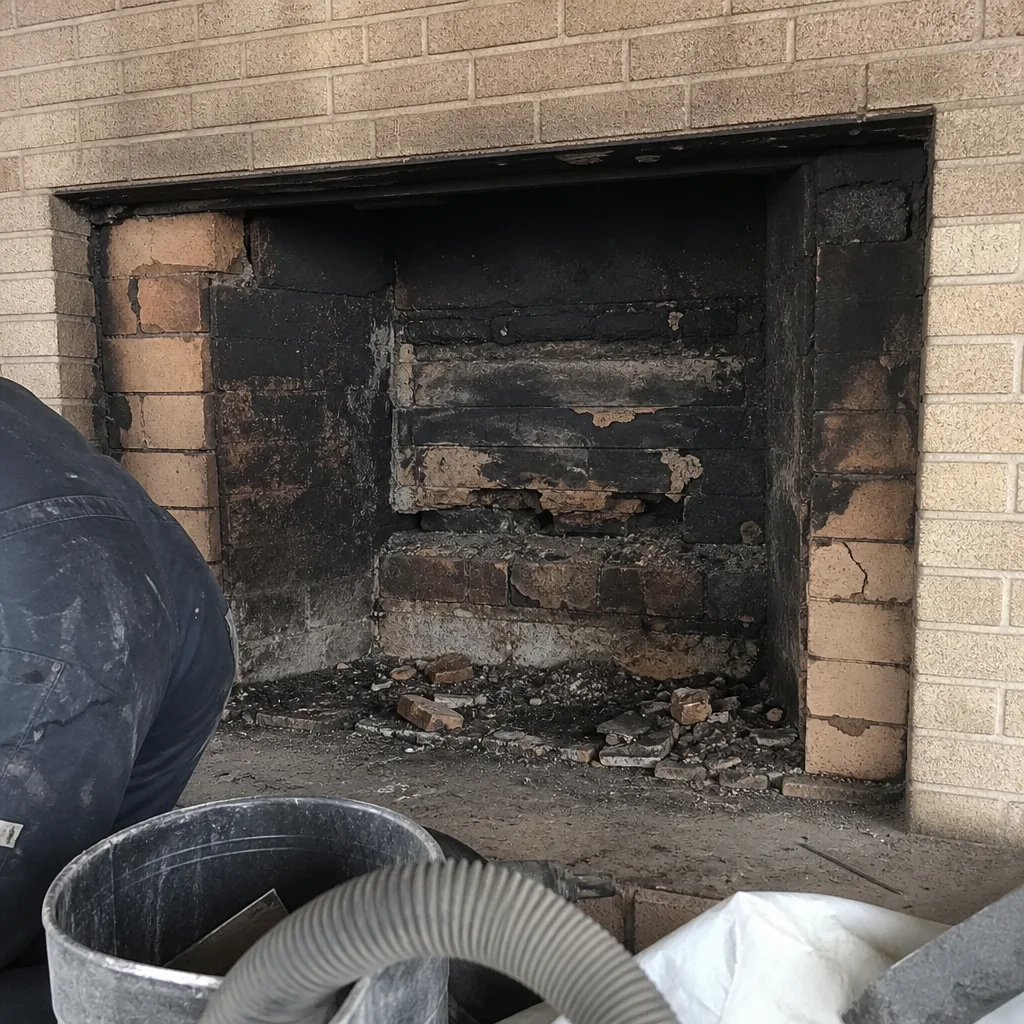 Before
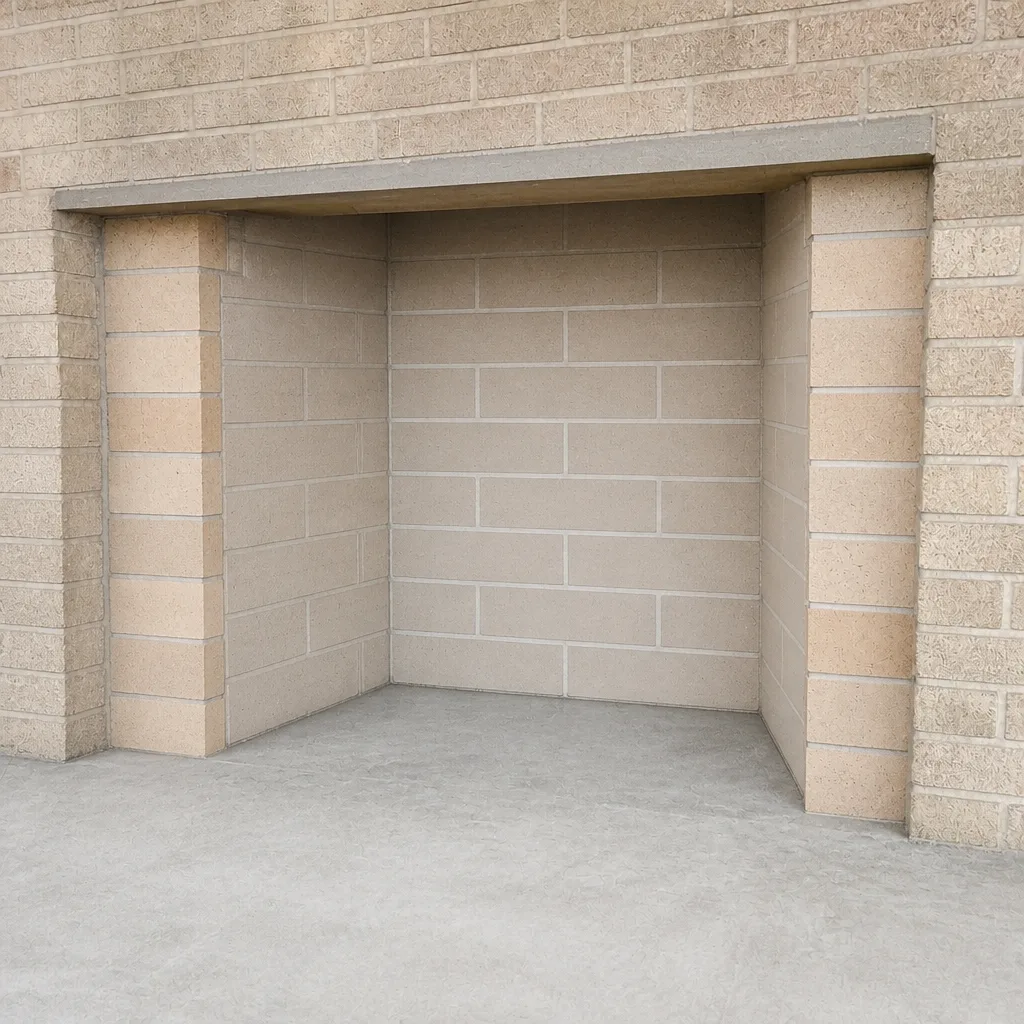 After
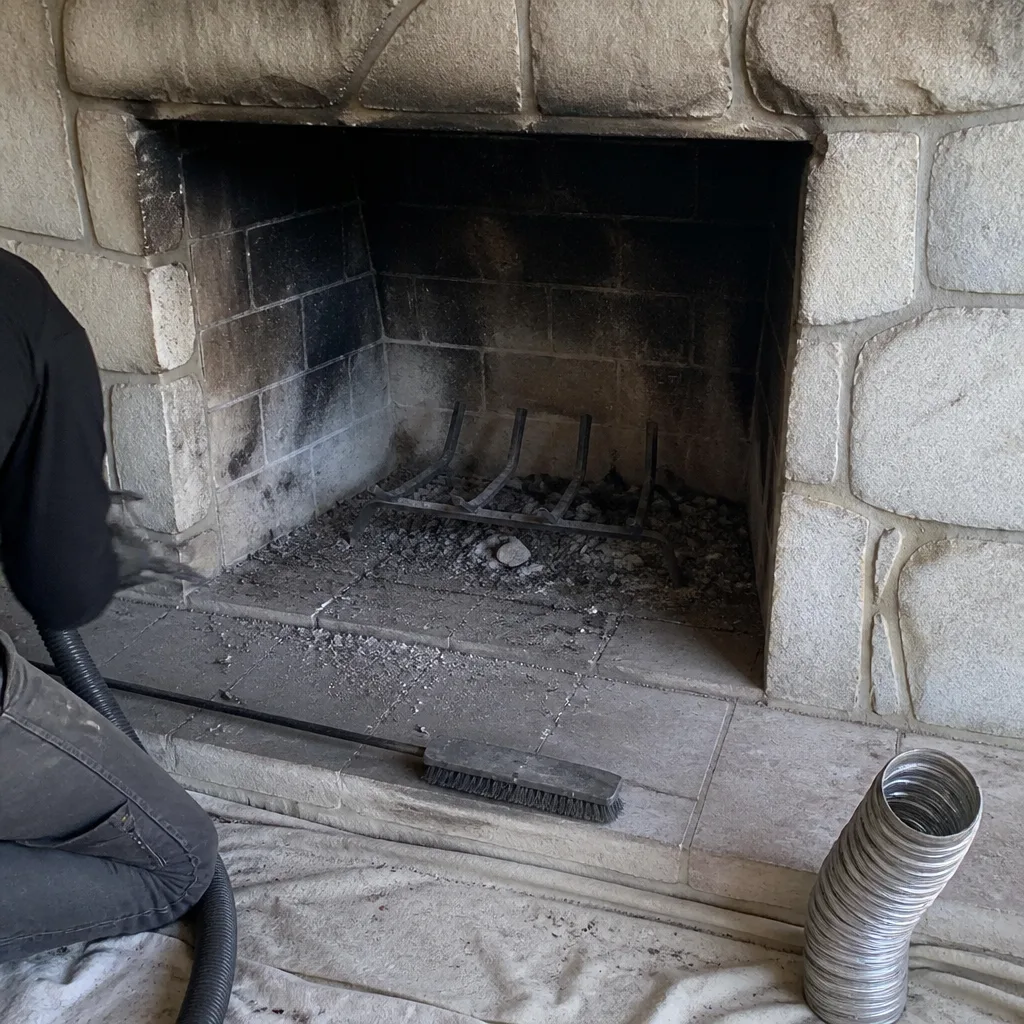 Before
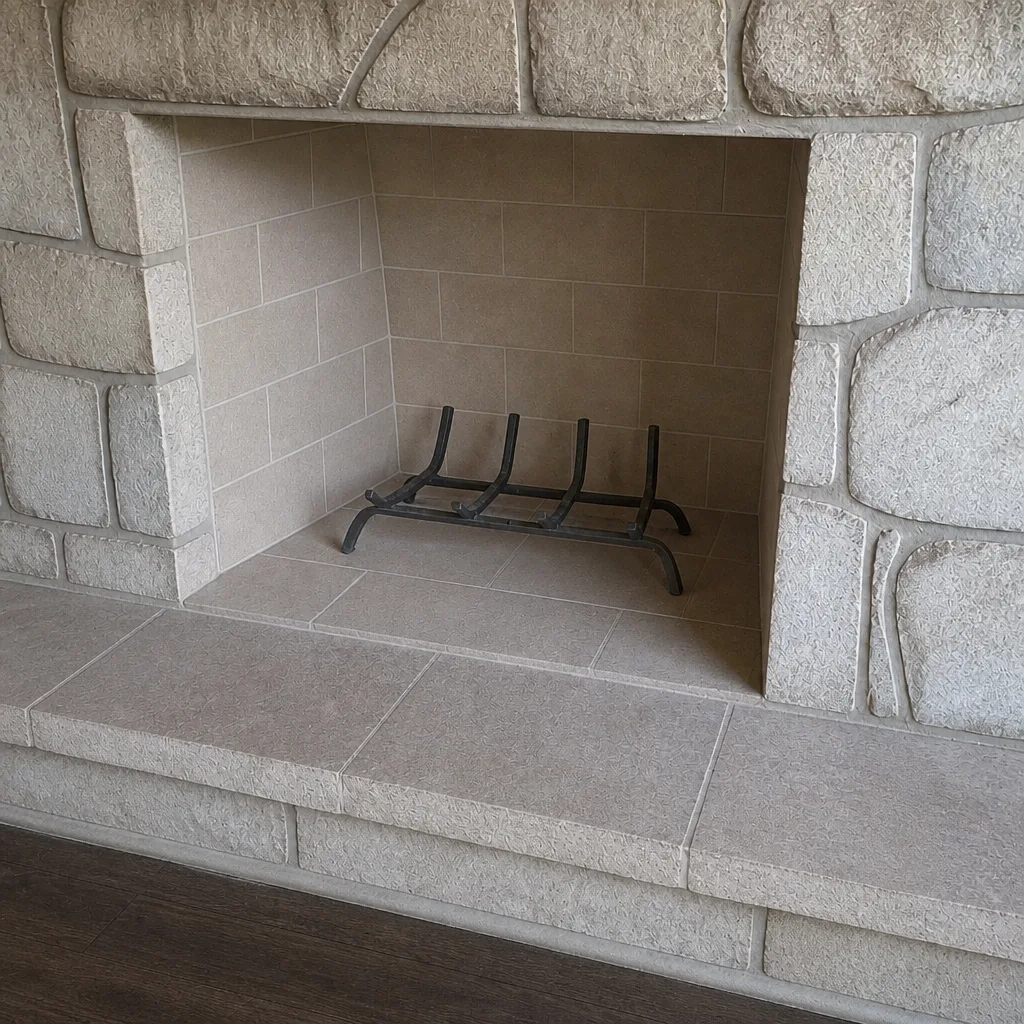 After
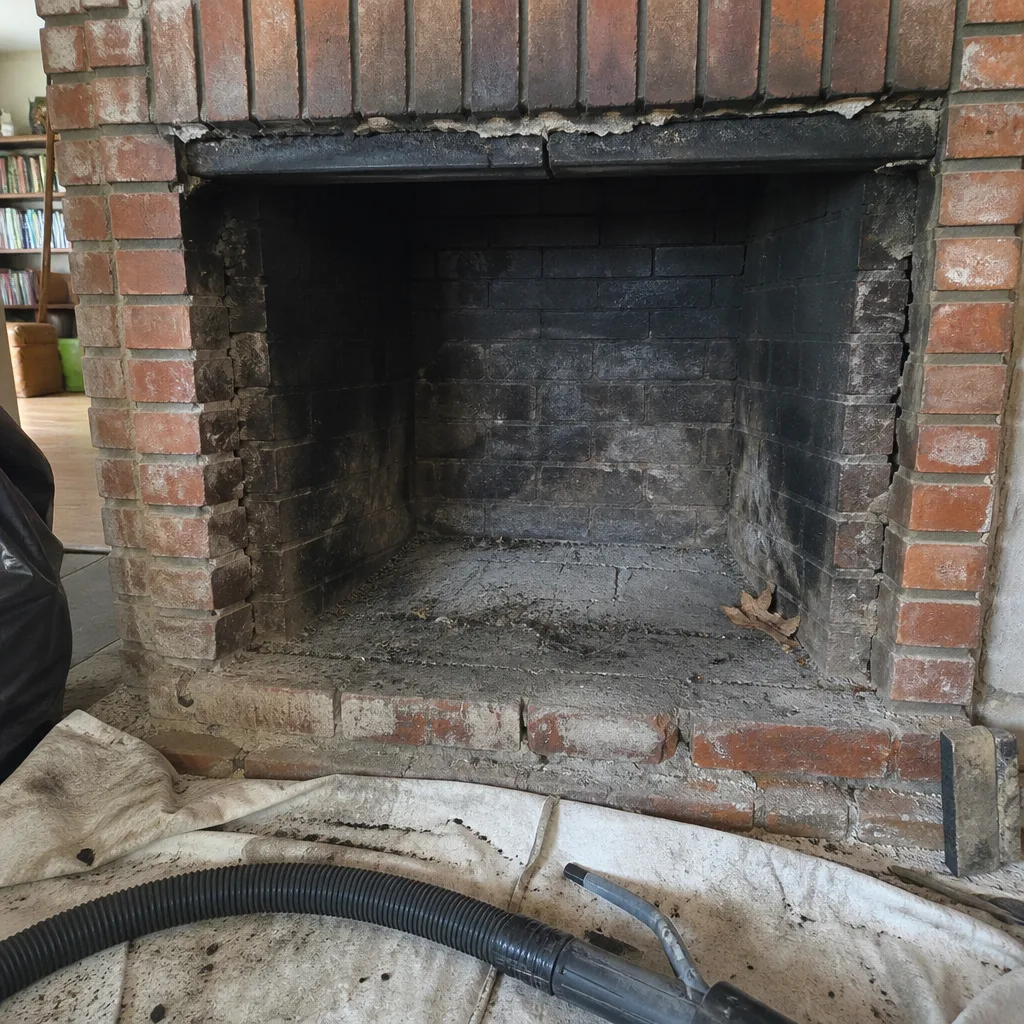 Before
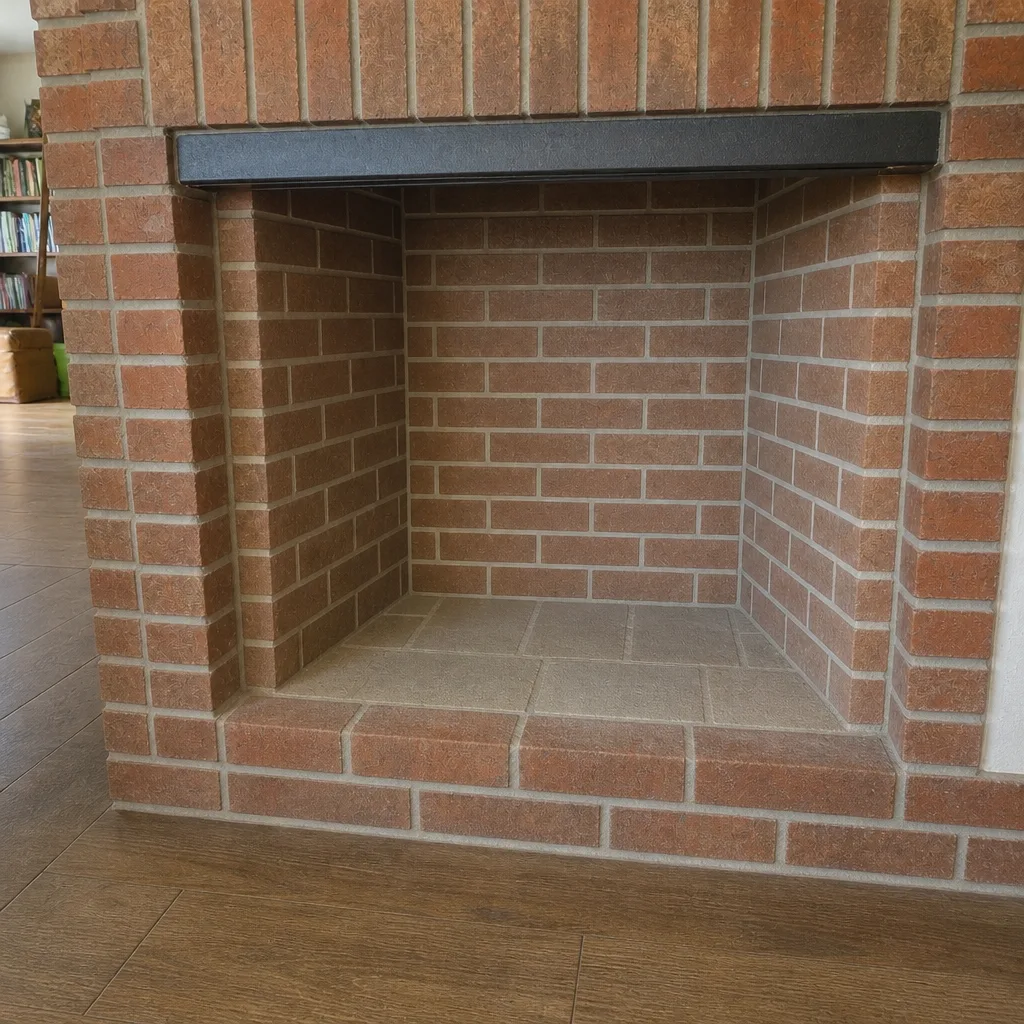 After
When to Call a Professional
There are moments when no schedule applies and the right move is a phone call. If you smell smoke inside the house when the fireplace is running, if you see water stains on the ceiling near the chimney, if you hear animals in the flue, or if you have had any fire event, call a professional immediately. These are not maintenance items. They are active problems that get more expensive the longer they sit. Chimney Cleaning La Mesa offers free estimates in La Mesa and can assess most issues the same day. Call (833) 593-6651. We answer 24/7. Fast dispatch from 7am to 7pm, Sunday through Friday.
Frequently Asked Questions
For gas log fireplaces used seasonally, every 2 to 3 years is typically sufficient. For wood-burning fireplaces used more than half a cord per season, sweep annually. The key variable is usage, not months on the calendar. A decorative-only fireplace may go 3 to 5 years between sweeps, but should still receive regular inspections. Call (833) 593-6651 to schedule a sweep and get a written estimate, free.
Yes. Gas logs produce a fine soot that accumulates in the flue over time, even though it builds up more slowly than wood creosote. The burner assembly itself also collects dust and debris that affects flame quality and can cause sooting. A gas log fireplace used regularly should be swept and inspected every 2 to 3 years.
A Level 1 inspection covers the readily accessible portions of the chimney and is performed during a routine sweep. A Level 2 inspection includes everything in Level 1 plus access to attics, crawlspaces, and rooflines, and typically includes a video scan of the flue interior. Level 2 inspections are warranted after property transfers, appliance changes, chimney fires, or storm damage.
Most households need dryer vent cleaning every 12 to 24 months. Larger households with heavy laundry volume, or homes with long vent runs and pets, should clean annually. A good field check is to feel the airflow at the exterior vent. Weak flow or visible lint buildup means it is time to schedule a cleaning.
Skipping maintenance allows small problems to become large ones. A cracked cap lets water into the flue, which deteriorates the liner. A damaged liner can leak combustion gases into the home, creating a carbon monoxide risk. Creosote that builds up without removal becomes a chimney fire waiting to happen. The longer maintenance is deferred, the more expensive the eventual repair. Call (833) 593-6651 for a free estimate if your chimney has been neglected.
Yes. Sustained high winds can loosen or remove chimney caps, shift flashing, and tear aging screens. After a major Santa Ana event, check your chimney from the ground. If the cap looks damaged or missing, schedule an inspection before the next rain. A missing cap is an open path for water and animals into the flue.
You can extend the interval between sweeps on a usage-based schedule, but you should not eliminate inspections entirely. A rarely-used fireplace can still develop cap damage, animal entry, or liner deterioration from moisture. An inspection every 3 years is a reasonable minimum for decorative-only fireplaces, with more frequent checks after major weather events.
The Bottom Line
The annual-sweep rule was built for cold-climate wood burners, not for La Mesa homeowners running seasonal fires. The schedule that actually protects your home is based on usage thresholds plus inspection triggers: gas log fireplaces every 2 to 3 years, wood-burning fireplaces annually, and every system checked after Santa Ana winds, rainy seasons, seismic events, or any change in the appliance. Dryer vents belong on the same calendar, because they are ventilation systems with the same failure mode. If you have any doubt about the condition of your chimney, the next step is simple. Call (833) 593-6651. We answer 24/7. Fast dispatch from 7am to 7pm, Sunday through Friday.
Written by the team at Chimney Cleaning La Mesa, serving La Mesa since 2013.