
Last updated November 4, 2026
 Sweep & inspection
 Caps & crowns
 Flue relining
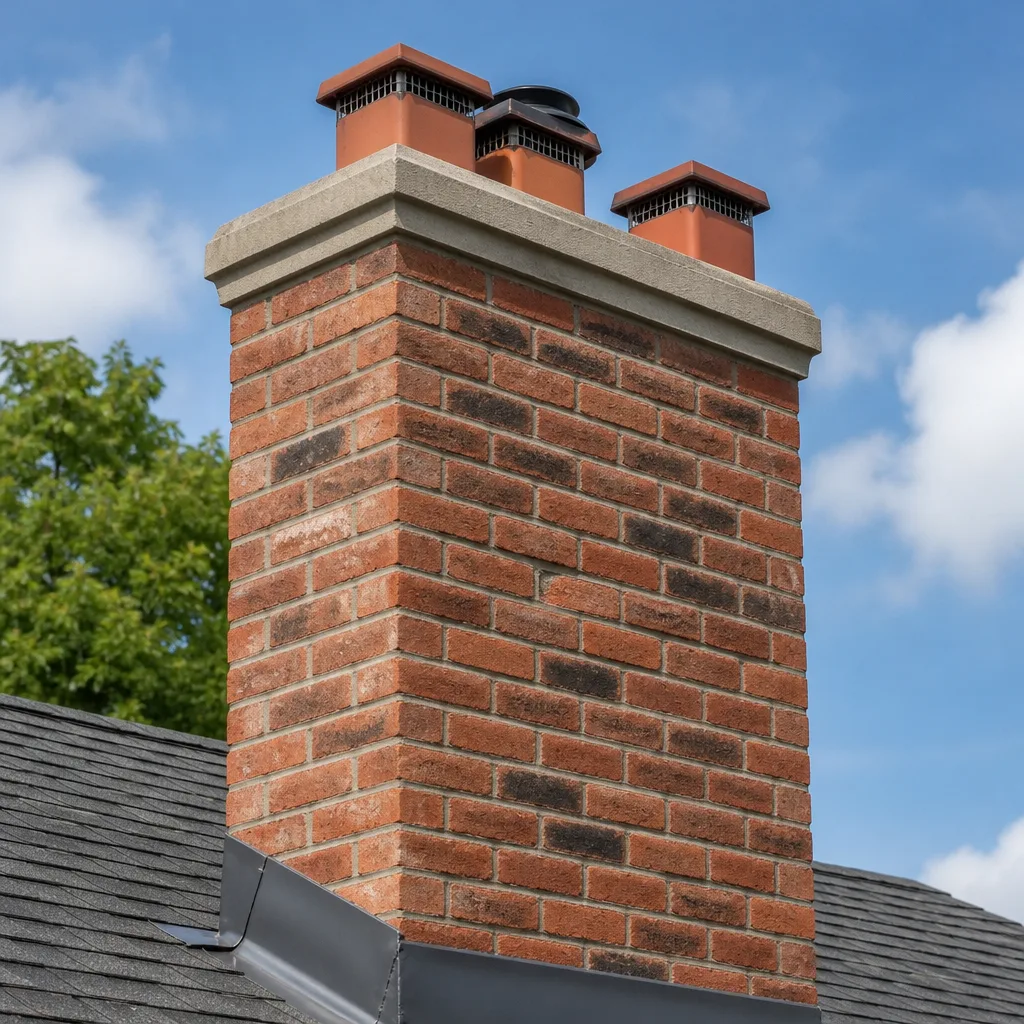 Masonry repair
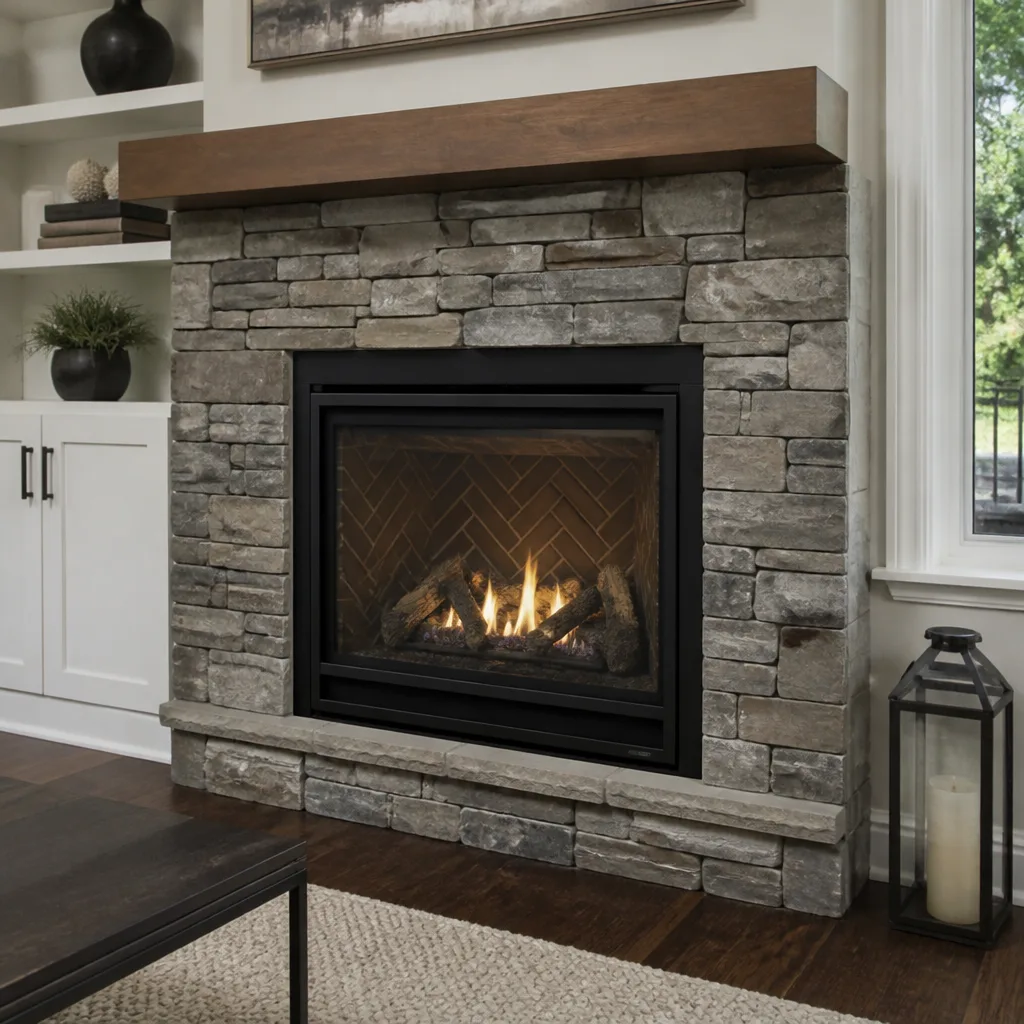 Gas fireplace service
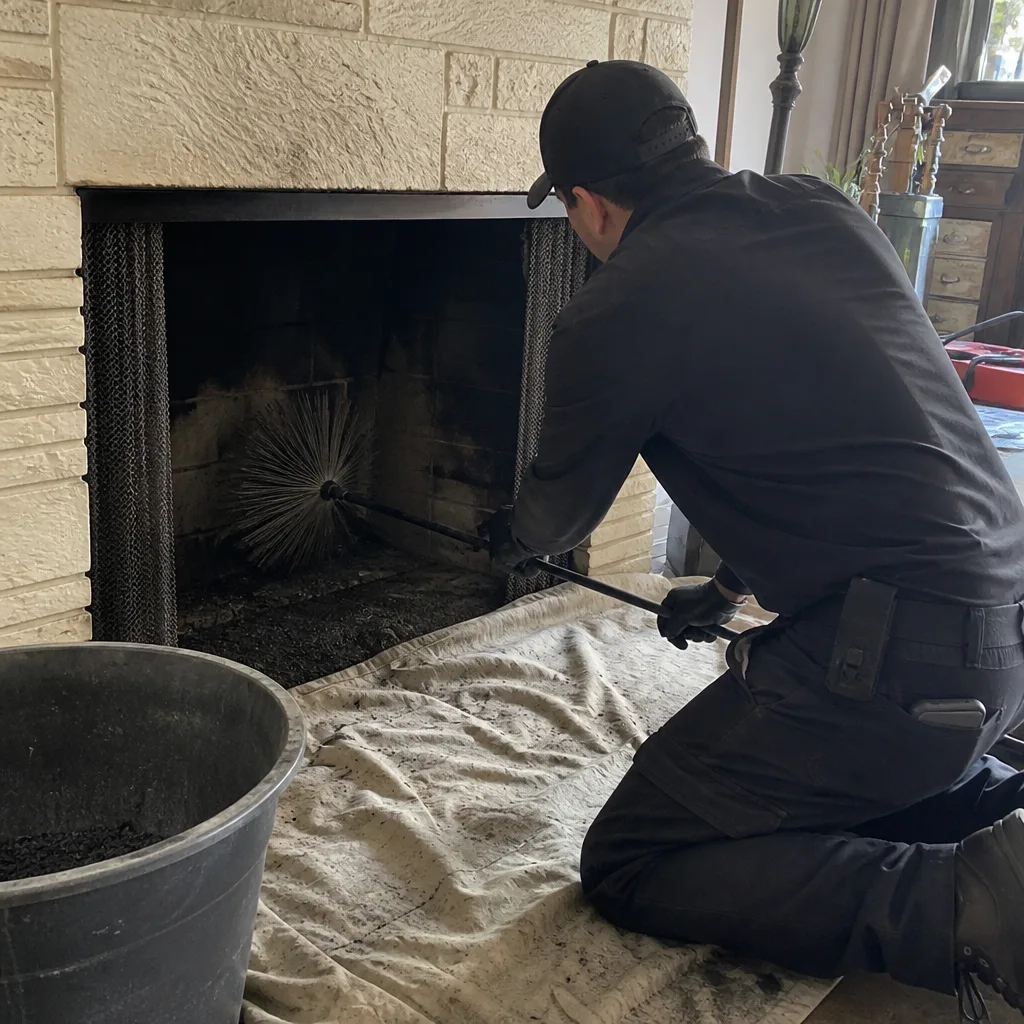
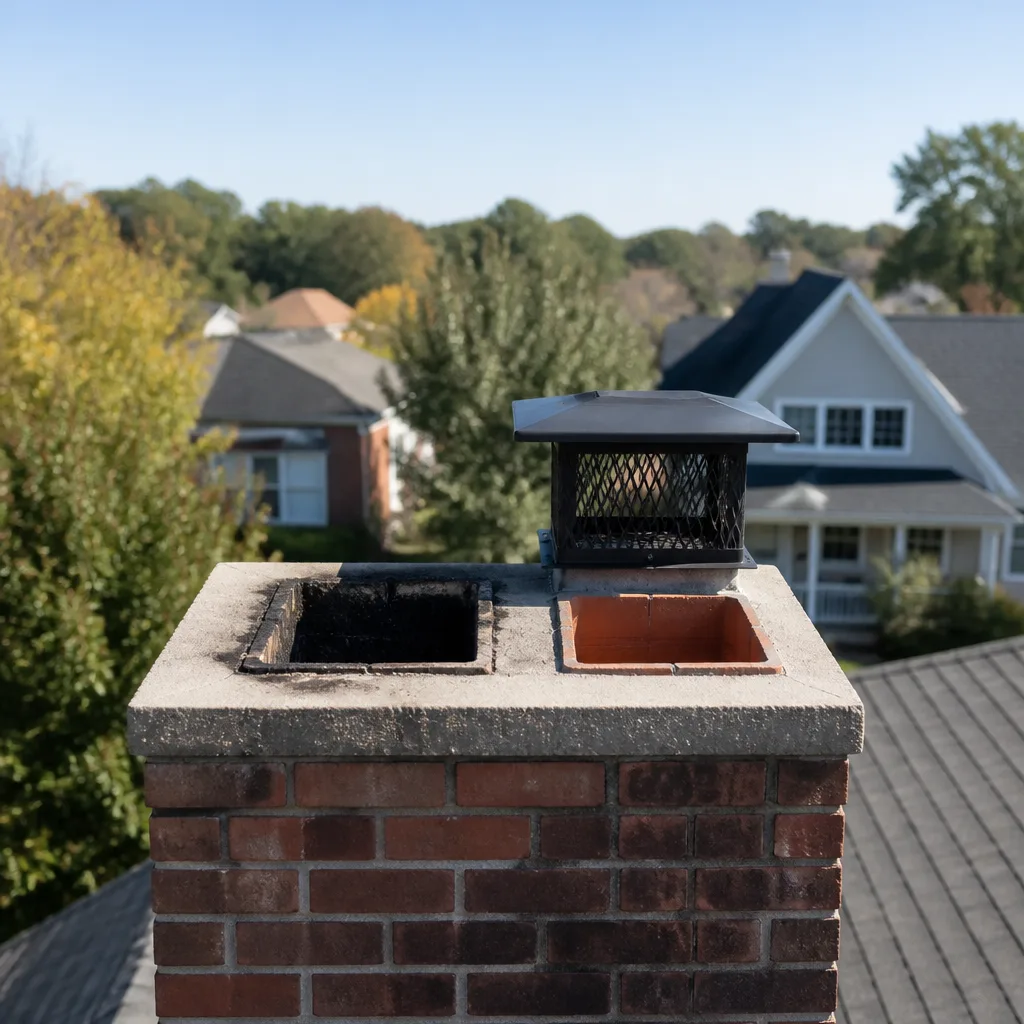
Level 1 sweep and inspection to the NFPA 211 annual standard - flue, crown, cap, and flashing checked and photographed
Chimney sweep logs do not sweep chimneys. They loosen some creosote - which then falls where a brush and vacuum still have to collect it.
DIY vs Professional Chimney Cleaning: The La Mesa Homeowner’s Decision Guide
Here’s the uncomfortable truth most DIY chimney cleaning articles won’t tell you: the brushes sold at big-box stores are designed for exactly one kind of deposit, and it’s not the kind most La Mesa fireplaces actually produce. A homeowner who spends a Saturday running a consumer brush up and down the flue often walks away convinced the job is done. The reality is different. The tar-like glaze those brushes leave behind is still there, still flammable, and still quietly building toward a chimney fire. This guide explains how to tell what you’re actually dealing with, what a brush can and cannot physically remove, and when the DIY conversation is effectively over before it starts. You’ll learn the creosote staging system, the mechanical reason hard deposits resist consumer tools, what to inspect on your own, and what happens when a professional sweep in La Mesa does the job properly.
Quick Answer
DIY chimney cleaning works only for light, fluffy Stage 1 creosote, and it fails against the hard, glazed Stage 2 deposits common in mild-climate fireplaces like those around La Mesa. A professional sweep uses rotary tools and chemical treatments to remove what consumer brushes cannot. The decision comes down to one question: what stage of creosote is in your flue, and can you identify it correctly?
Styles & brands we work with
- Sweep & inspection
- Caps & crowns
- Flue relining
- Masonry repair
- Gas fireplace service
Table of Contents
- The Three Stages of Creosote: What’s Really in Your Flue
- Why La Mesa Fireplaces Build Stage 2 Creosote Faster Than You’d Expect
- The Equipment Gap: Consumer Brushes vs. Professional Rotary Systems
- What a La Mesa Homeowner Can Legitimately DIY
- HEPA Containment and Indoor Air: Why Method Matters
- Documentation, Liability, and What “Clean” Actually Means
- When a Cleaning Reveals Bigger Problems: Liners and Structural Issues
- The Connected System: Your Chimney Isn’t the Only Exhaust You’re Ignoring
The Three Stages of Creosote: What’s Really in Your Flue
Every wood fire produces creosote. That’s not opinion, and it’s not a sign your fireplace is defective. As combustion gases rise through a chimney, they cool and condense on the flue walls, leaving behind a residue that changes character depending on flue temperature, wood type, and how the fire burns. Chimney professionals classify creosote into three stages, and each stage requires a fundamentally different removal approach.
Stage 1 is a fine, sooty powder or light flaky material. It brushes off with modest effort, and this is the stage consumer-grade equipment can legitimately handle. If you burn well-seasoned hardwoods, operate your fireplace with an active flame rather than a smoldering one, and live somewhere with cold winters that drive hot fires, you might stay in Stage 1 territory for a while.
Stage 2 is where things get difficult. The residue becomes a hardened, tar-like glaze that adheres to the flue liner. It looks like blackened sugar or dried molasses, and it does not respond to a wire brush passed through by hand. Removing Stage 2 glazed creosote requires mechanical action: rotary chains, specialized scrapers, or chemical treatment followed by agitation.
Stage 3 is a dense, hardened layer that can resemble candle wax in texture. It has effectively become a fuel lining inside your chimney. At this stage, the risk of chimney fire is significant, and removal often requires chemical breakdown over time followed by aggressive mechanical cleaning, or liner replacement if the damage is severe.
Here’s the key point for the DIY-minded reader: Stage 2 and Stage 3 deposits will not be meaningfully affected by a brush you bought at a hardware store. The physical force required simply isn’t there. And that means the decision tree is shorter than most guides suggest. Identify the creosote stage first. If it’s glazed or hardened, the DIY option isn’t slower or less thorough. It’s functionally unavailable.
In our experience serving La Mesa homeowners, we see far more Stage 2 than Stage 1. The reasons are specific to how fireplaces get used in this climate, and they’re worth understanding before you decide anything else.
Why La Mesa Fireplaces Build Stage 2 Creosote Faster Than You’d Expect
Mild winters change how people burn. A homeowner in Minnesota builds a roaring fire because the outside temperature is below freezing and the fireplace is doing real heating work. A La Mesa homeowner builds a fire on a 55-degree evening because it feels nice. And that difference in burn intensity matters enormously for creosote formation.
When a fire burns hot and strong, flue gases stay warm through their entire journey up the chimney. Condensation happens late or not at all, and creosote deposits remain powdery and manageable, the Stage 1 texture that brushes handle fine.
But a mild-evening fire in a La Mesa home is different. The fire tends to be smaller. The wood may not be seasoned as carefully, because the stakes feel lower. The chimney itself is relatively warm from the home’s ambient temperature, but the fire isn’t producing the blast of heat needed to keep combustion gases in vapor form all the way to the top. Those gases cool in the upper flue, condense, and deposit creosote that dries into a hard glaze. Fire after fire, the layer builds.
There’s a second factor at play too. Older La Mesa homes, especially those with original masonry chimneys, often lack insulated liners. An uninsulated clay tile flue loses heat more quickly than a modern insulated stainless liner, accelerating condensation from the very first season of use. If you’ve owned your home for a few years and have never had the chimney swept, you should assume you’re looking at Stage 2 unless proven otherwise.
This is why we tell homeowners the real question isn’t whether DIY is possible in general. It’s whether DIY is possible for your fireplace, in your house, given how you actually burn. The answer in La Mesa is, more often than not, that the flue has moved past what a consumer brush can address.
The Equipment Gap: Consumer Brushes vs. Professional Rotary Systems
The tool aisle at a hardware store sells you a wire brush on a flexible rod. The professional fleet uses something fundamentally different: rotary cleaning systems driven by a drill or dedicated power head, spinning at high speed, with chains, whips, or abrasive heads that strike the flue wall with hundreds of impacts per minute. The difference is not quality. It’s physics.
A hand brush relies on friction. You push it up and down, and the bristles scrape whatever they touch. For a powder deposit, friction is enough. For Stage 2 glaze, it’s not. The deposit is too hard, and the speed of a hand stroke too slow, to break the bond between creosote and liner. You’re polishing the surface of a problem, not removing it.
Rotary cleaning works on impact. The spinning chains or rigid scrapers hammer the glazed surface, fracturing it into pieces that then fall into the firebox for removal. This is the same mechanical principle behind a hammer drill versus pushing a screw by hand. The motor isn’t a convenience. It’s the mechanism that makes hard-material removal possible at all.
There’s a third layer to the professional toolkit that most homeowners never see: chemical treatments designed for Stage 2 and Stage 3 creosote. Products applied as a spray or powder react with the glaze, softening it so mechanical removal works effectively. This is a two-step process: treat, then agitate, then remove. A hardware-store brush does neither step.
When we sweep a chimney in La Mesa, we’re not just running a brush up the flue and calling it done. We’re selecting the right tool for the deposit stage we find, and that selection process matters more than any single piece of equipment. A homeowner with a brush has one answer. A professional with rotary equipment, chemical treatments, and the training to match them to the situation has a range of answers.
And when the flue needs more than a sweep, the same crew handles it. We work with chimney sweep tools and materials sourced from trade suppliers like Olympia Chimney and Copperfield, the same distributors that stock professional chimney contractors. The equipment difference extends to liner systems too. When a La Mesa chimney has a damaged liner or a flue with complex offsets, a common repair path is a DuraFlex flexible liner installed through the existing masonry. It’s a specialized job, and it starts with recognizing that a sweep revealed a problem a brush can’t solve.
What a La Mesa Homeowner Can Legitimately DIY
This isn’t an argument that homeowners should do nothing. There’s a real and useful category of chimney maintenance that doesn’t require professional training or equipment. Being honest about what’s in that category, and what isn’t, is the whole point of this page.
Here are the tasks that are genuinely reasonable for a homeowner to handle:
- Firebox ash removal. Wait until the fire is completely cold, at least a full day after the last burn. Scoop ash into a metal container with a tight lid, and store it outside away from the house. Ash can hold live embers for days.
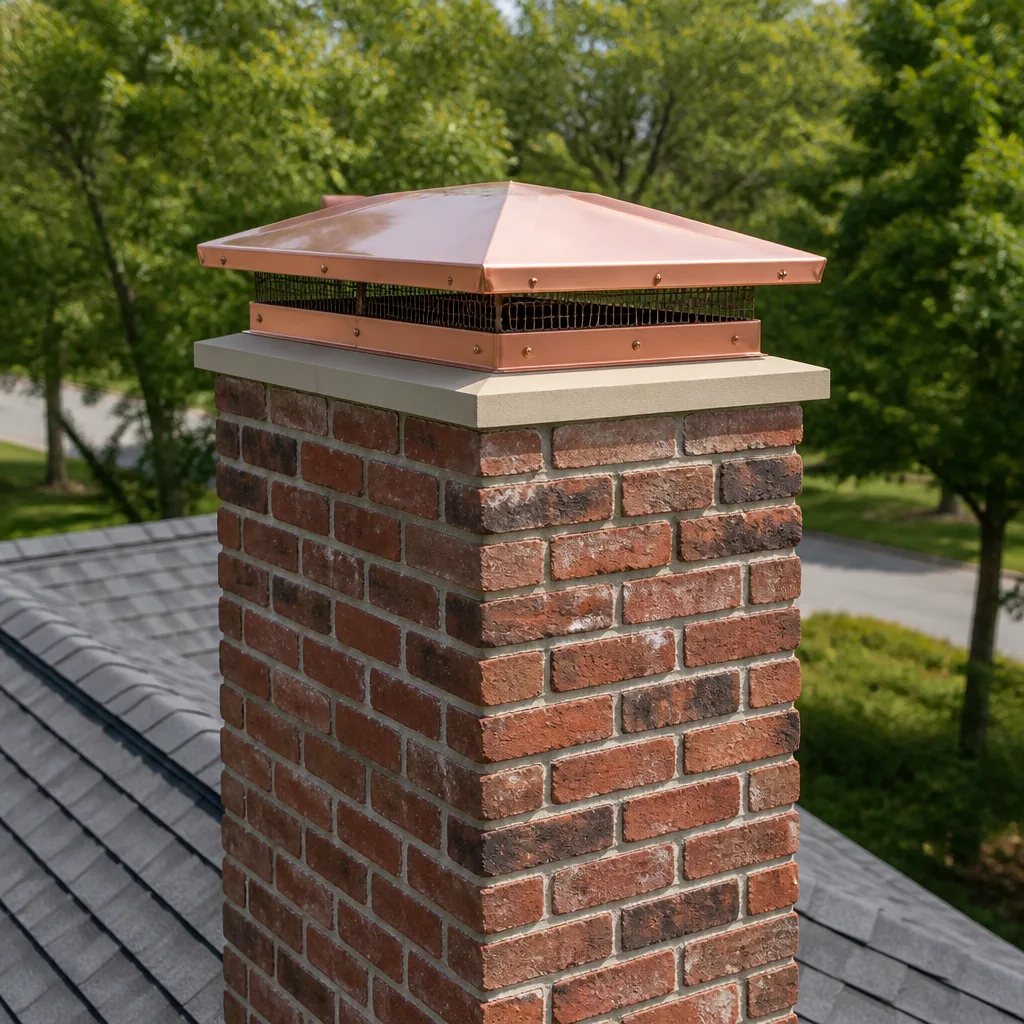
- Visual cap and crown inspection. From the ground with binoculars, or from a ladder only if you’re comfortable with heights, check the chimney cap for rust or blockage. Look at the concrete crown for visible cracks. You’re looking for obvious damage, not making a structural judgment.
- Damper operation testing. Open and close the damper a few times. It should move freely and seal reasonably well when closed. Stiffness or rattling is worth noting when a professional comes out.
- Smoke test in the firebox. Light a rolled piece of newspaper in the fireplace with a window cracked. If smoke draws up easily, the airflow path is functioning. If smoke spills into the room, stop using the fireplace and schedule an inspection.
- Routine visual checks of the firebox interior. Look for cracked brick, deteriorated mortar joints, or a buildup of glossy black material on visible surfaces. These are signposts, not diagnoses.
What you cannot do is remove creosote from a flue you can’t see, evaluate the condition of a liner from the firebox, or document that your chimney is safe to use. Those tasks require access to the full flue length, lights, cameras, and the judgment that comes from looking at hundreds of chimneys. The visual check from your living room tells you something is wrong. It doesn’t tell you what, and it doesn’t fix it.
HEPA Containment and Indoor Air: Why Method Matters
If you’ve ever watched a DIY chimney cleaning video, you’ve probably noticed a pattern. The homeowner sets up plastic sheeting, wears a dust mask, opens windows, and still ends up with a fine layer of soot dust on every surface in the room. Creosote dust is extremely fine. It goes airborne easily, and once it’s airborne, it settles everywhere.
Professional chimney cleaning in La Mesa addresses this with HEPA filtration and containment procedures that aren’t practical to replicate with consumer equipment. We set up a containment zone around the firebox, use negative-pressure vacuums with HEPA filters running during the entire sweep, and remove the accumulated debris through sealed systems rather than letting it drift into the living space.
The practical difference is dramatic. A professional sweep produces a fraction of the airborne particulate that a DIY effort does, because the vacuum system captures dust at the source instead of chasing it after it escapes.
This matters for any household, but it’s a significant quality-of-life issue for homes with:
- Residents with asthma, COPD, or other respiratory conditions
- Young children, whose developing lungs are more sensitive to fine particulate
- Anyone with chemical sensitivities or allergies aggravated by soot and ash
- Homes with carpet, fabric furniture, or open floor plans where dust travels freely
If anyone in your La Mesa home has a condition made worse by airborne irritants, DIY chimney cleaning isn’t just less effective. It’s actively introducing the kind of indoor air pollution you’re probably trying to avoid. The containment systems professionals use exist for a reason, and that reason is visible as soon as you compare the living room before and after.
Documentation, Liability, and What “Clean” Actually Means
Here’s a scenario worth thinking about. A La Mesa homeowner cleans their own chimney, decides it looks fine, and continues using the fireplace. A year later, a chimney fire occurs. The homeowner’s insurance company asks a reasonable question: when was the chimney last professionally inspected and swept?
The honest answer, “I did it myself last year,” is not the answer the insurer wants to hear. Most homeowners’ insurance policies require documented professional maintenance for wood-burning fireplaces. A receipt for brushes from a hardware store doesn’t establish that the chimney was cleaned to any standard. It establishes that brushes were bought.
A professional sweep produces a record: a dated invoice, a service description, and ideally a written condition report noting what was found and what was recommended. That paper trail matters if a claim is ever filed. It shows that a trained professional evaluated the chimney, removed the creosote present at that time, and identified any conditions needing follow-up.
There’s a safety dimension too. A homeowner who has never been trained to identify creosote stages, liner cracks, or clearance-to-combustibles issues is self-certifying that a wood-burning appliance is safe. That’s not a legal liability in the way a contractor’s certification is, but it’s a personal one. If you’re wrong, the consequence lands on your family and your house.
In La Mesa, where older homes make up a meaningful share of the housing stock, we see chimneys that haven’t been professionally inspected in decades. The homeowner often reports the fireplace works fine, right up until a camera inspection shows a liner crack that’s been allowing heat to reach combustible framing for years. “Working fine” and “safe” are not the same state, and telling the difference takes equipment and experience.
When a Cleaning Reveals Bigger Problems: Liners and Structural Issues
One of the strongest arguments for professional cleaning in La Mesa is that a good sweep is also a full condition assessment. The technician isn’t just removing creosote. They’re looking at every accessible surface of the firebox, flue, smoke chamber, cap, and crown. And what they find sometimes changes the scope of the job.
Here’s what commonly turns up during a professional Chimney Cleaning La Mesa service:
- Cracked clay tile liners. Common in older masonry chimneys. Heat and moisture stress cause tiles to crack, and cracked tiles allow heat to reach framing.
- Deteriorated mortar joints. Exposed to heat cycles over decades, mortar crumbles. Gaps open up between tiles.
- Damaged chimney caps. Rust, missing screens, or caps knocked loose. A compromised cap lets in rain and lets out sparks.
- Water staining inside the flue. Evidence of water entry that may indicate crown failure or missing water protection.
Not every problem requires an expensive repair. Some cracked liners can be restored with HeatShield, a resurfacing system that applies a ceramic material directly to the damaged flue, creating a smooth, insulated interior surface without tearing out the original liner. It’s a specialized procedure, and having access to it means a La Mesa homeowner sometimes avoids a full liner replacement that another company might recommend as the only option.
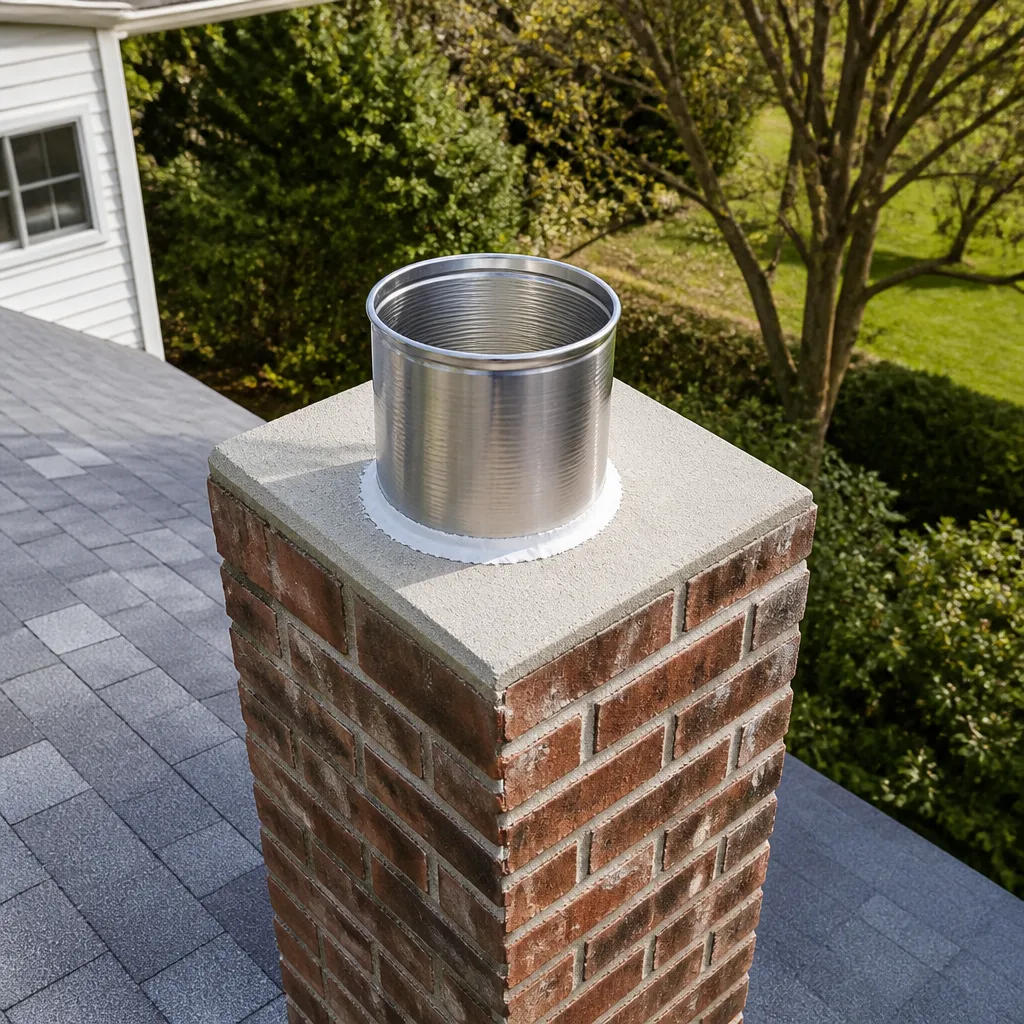
When a liner is beyond restoration, or when an older masonry chimney has offsets that make rigid relining impractical, a DuraFlex flexible liner is the common professional solution. These stainless liners pull through existing flue paths, including twists and turns, and get insulated in place. It’s contractor-grade work, but it’s done by the same crew that performed the sweep, not a referral to a third company.
The connective thread here is that you don’t know what you need until a professional looks. A DIY cleaning tells you nothing about liner condition, because you can’t see the liner. A professional sweep in La Mesa includes that assessment as part of the job.
The Connected System: Your Chimney Isn’t the Only Exhaust You’re Ignoring
Most homes in La Mesa have more than one exhaust system that carries combustion gases or heated air out of the living space. The chimney gets attention in fireplace season. The dryer vent gets ignored for years at a time, because it’s hidden behind the appliance and out of sight.
The physics is similar. Lint builds up in the dryer vent the way creosote builds up in a chimney. Airflow drops. The dryer runs hotter and takes longer to dry clothes. And because lint is highly flammable, the risk profile is the same as a creosote-laden flue: a fire waiting for the right conditions.
The practical argument for handling both systems together is simple. The same team that evaluates your chimney can clean your dryer vent cleaning needs in the same visit. You don’t need to find a separate contractor, schedule a separate appointment, or explain your house’s layout twice. The ventilation system of a home functions as a whole, and maintaining it as a whole makes sense.
We use Famco ventilation components for dryer exhaust work, the same brand professionals use for exhaust terminations and duct transitions. That matters because a dryer vent is not just a tube. Every elbow, transition, and termination point affects airflow, and using parts designed for the application rather than whatever the hardware store had in stock is the difference between a vent that works for years and one that clogs again in six months.
Common Mistakes to Avoid
- Assuming the brush is doing something because creosote is coming down. Some powder always falls, even when the main glaze layer remains. What you see in the firebox isn’t evidence the flue is clean.
- Burning manufactured logs as a substitute for sweeping. Chemical additives in some logs can reduce creosote, but they don’t remove established deposits. A log is not maintenance.
- Using a chimney fire as a “cleaning method.” A chimney fire does burn off creosote, and it can also crack the liner, split the masonry, and spread to the roof structure. The “free cleaning” costs more than any sweep.
- Skipping the visual check on the roof because a ladder is inconvenient. Damage at the crown or cap is invisible from the ground and from inside. Roof-level assessment is part of every legitimate inspection in La Mesa.
- Confusing “the fireplace works” with “the fireplace is safe.” A drafting fire tells you airflow exists. It tells you nothing about liner cracks, creosote thickness, or cap condition.
- Doing the dryer vent at the same time with a different company, months apart. Both systems need attention on a schedule. Combining them in one visit is cheaper in time and gives you one point of contact for ventilation safety.
See the difference
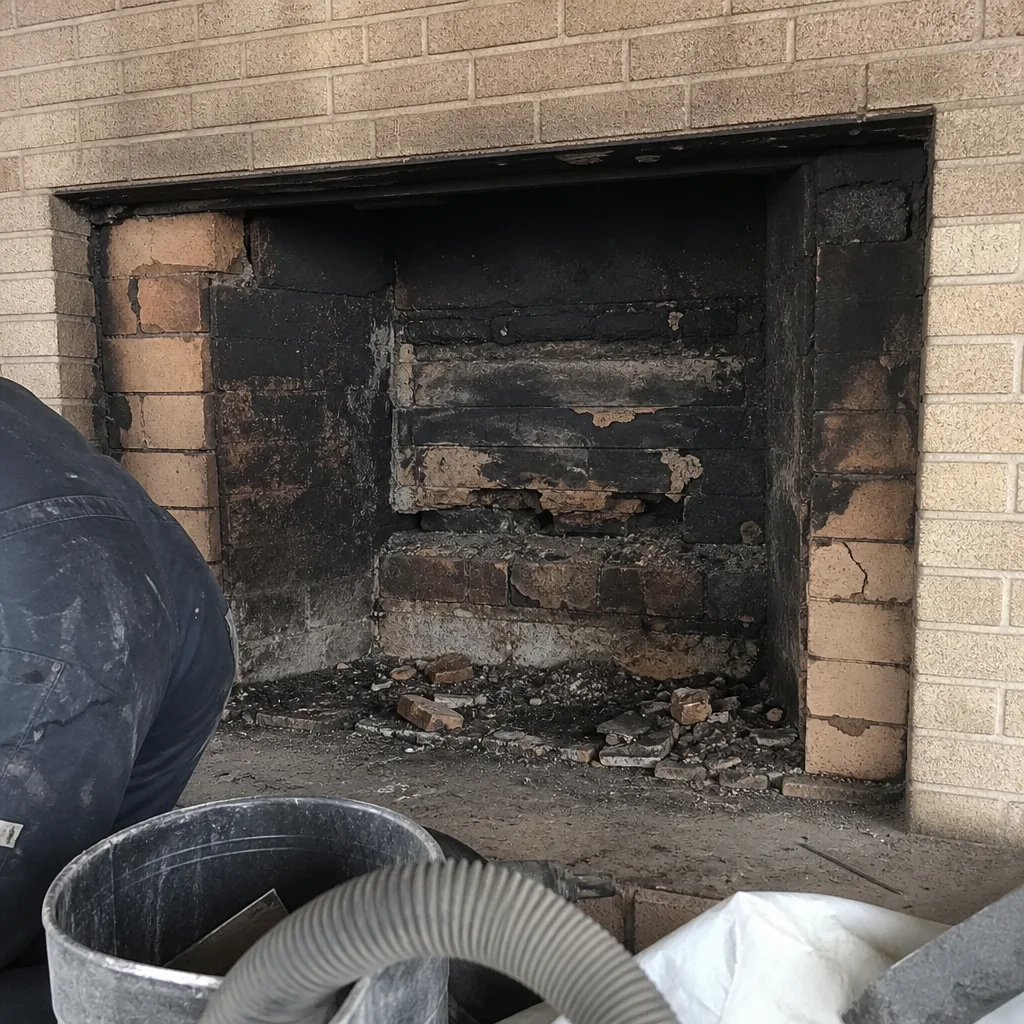 Before
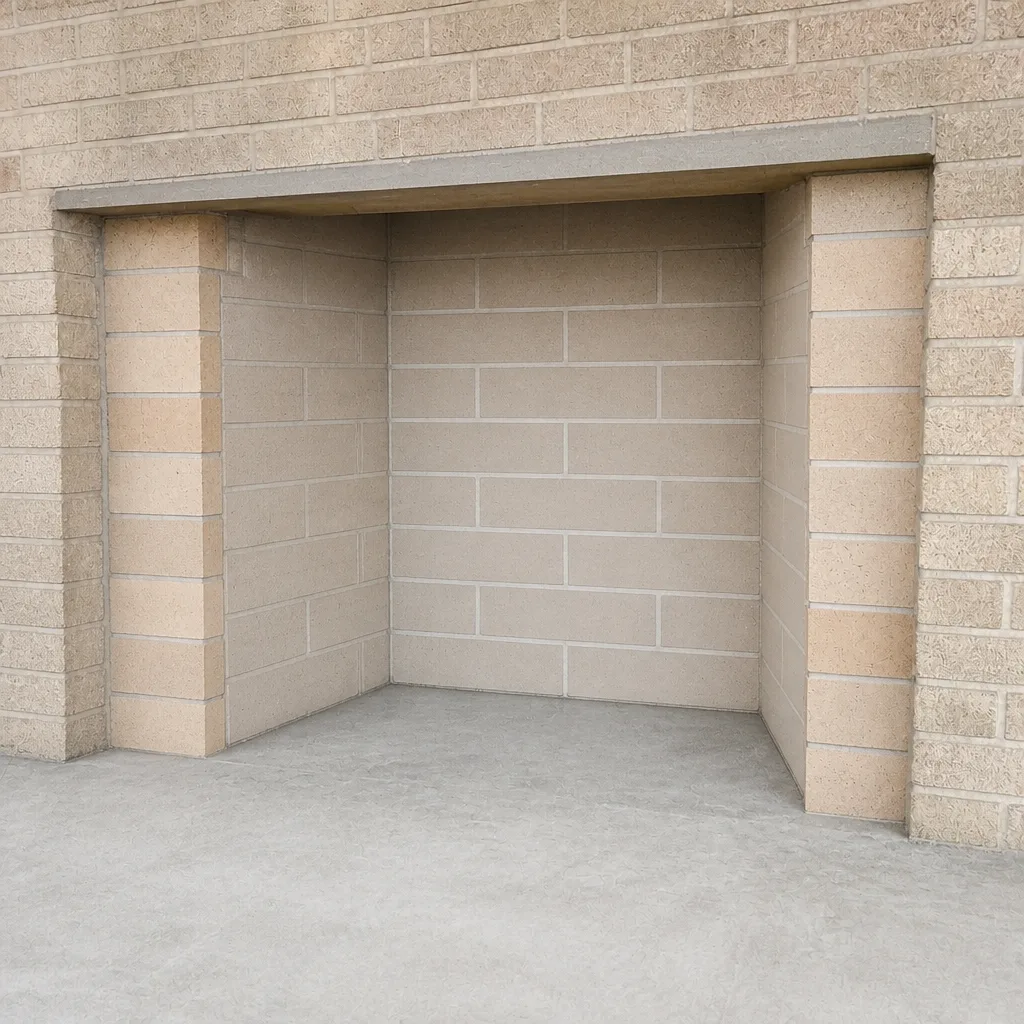 After
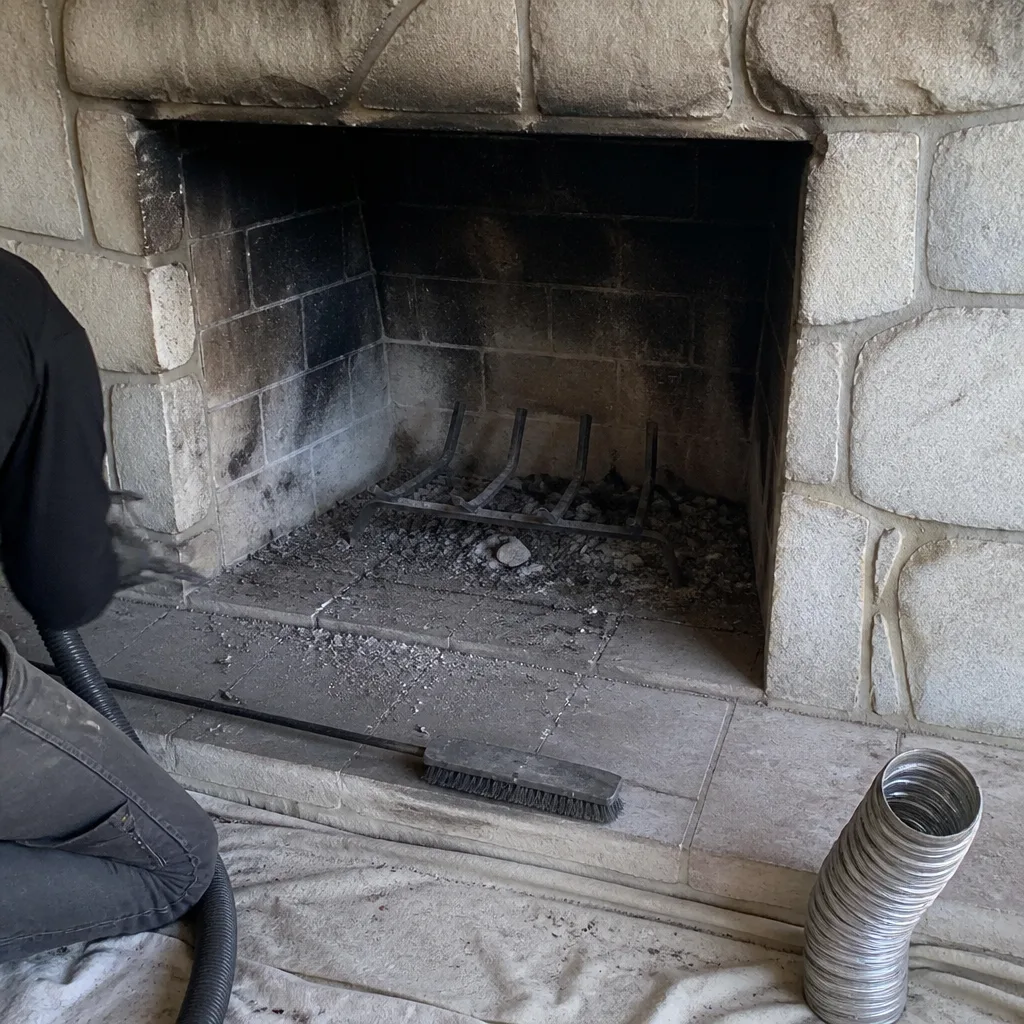 Before
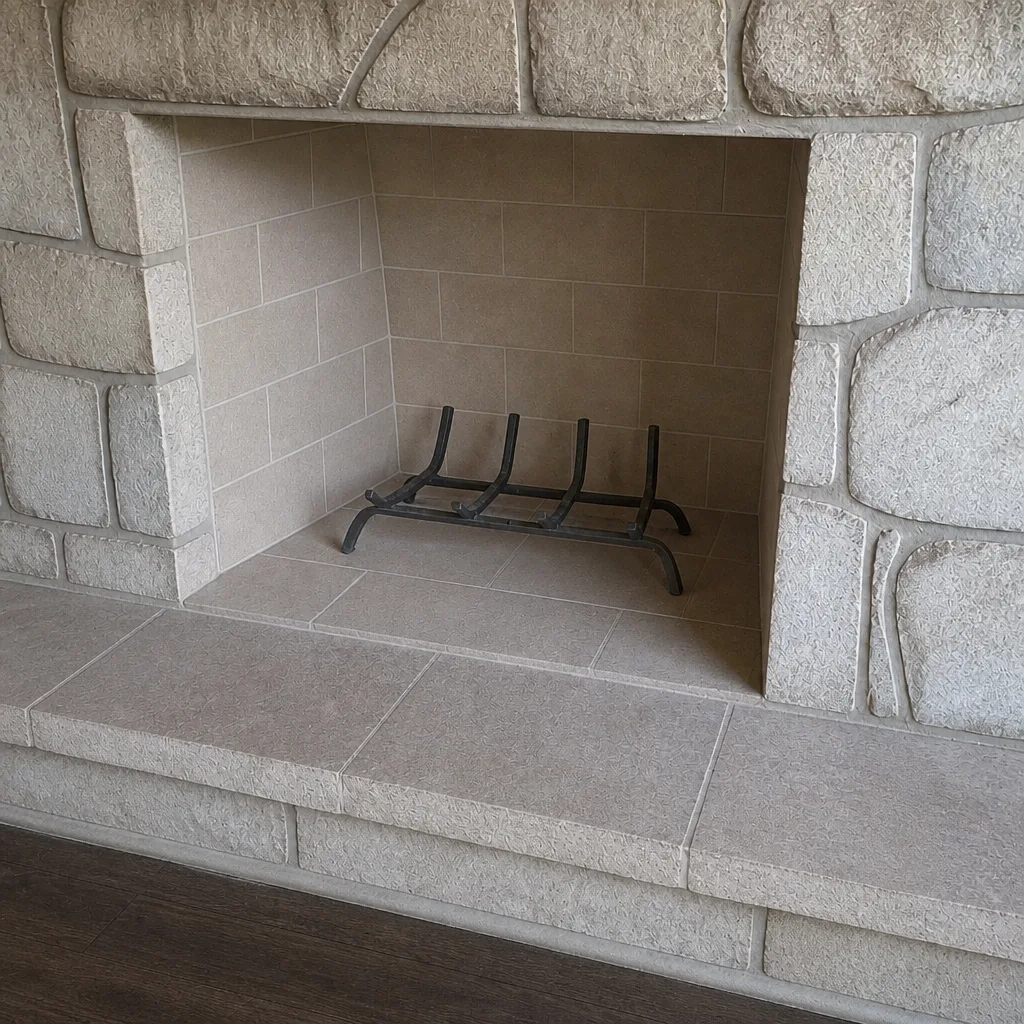 After
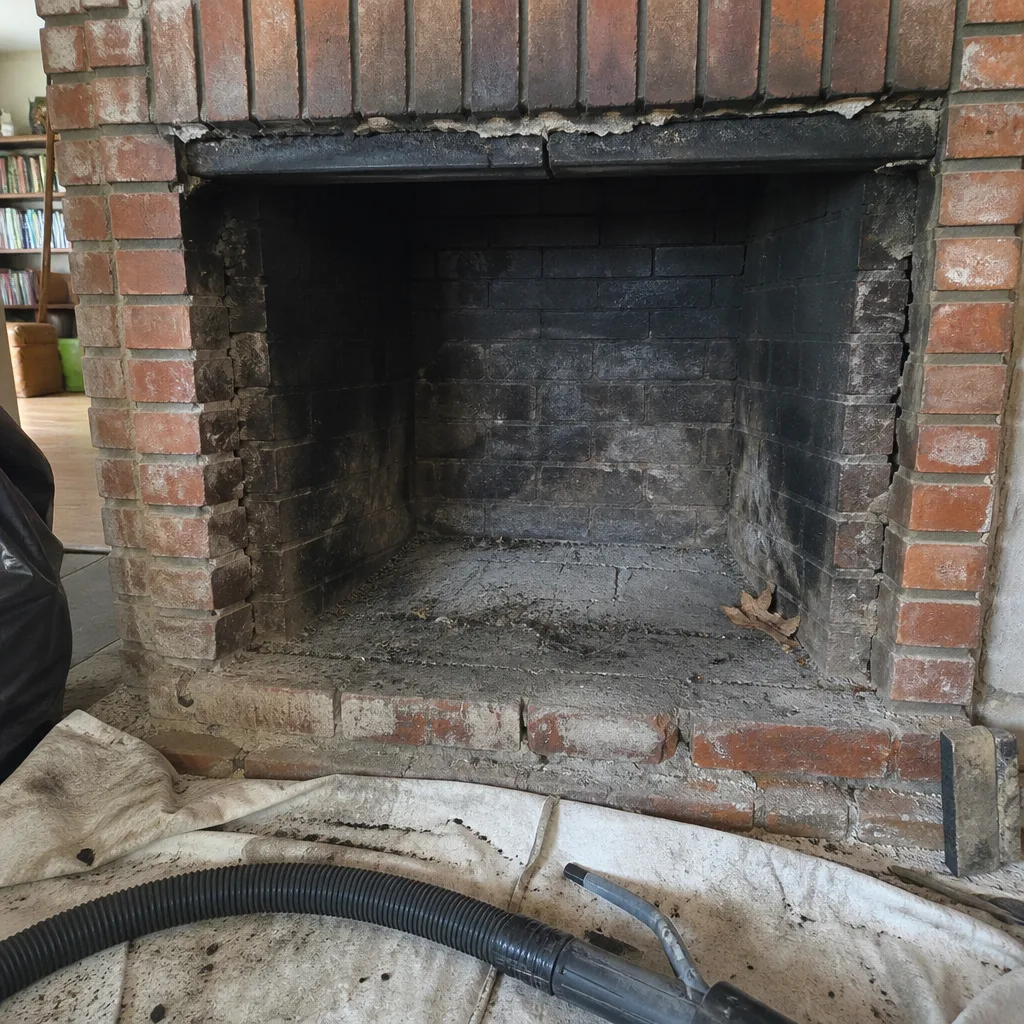 Before
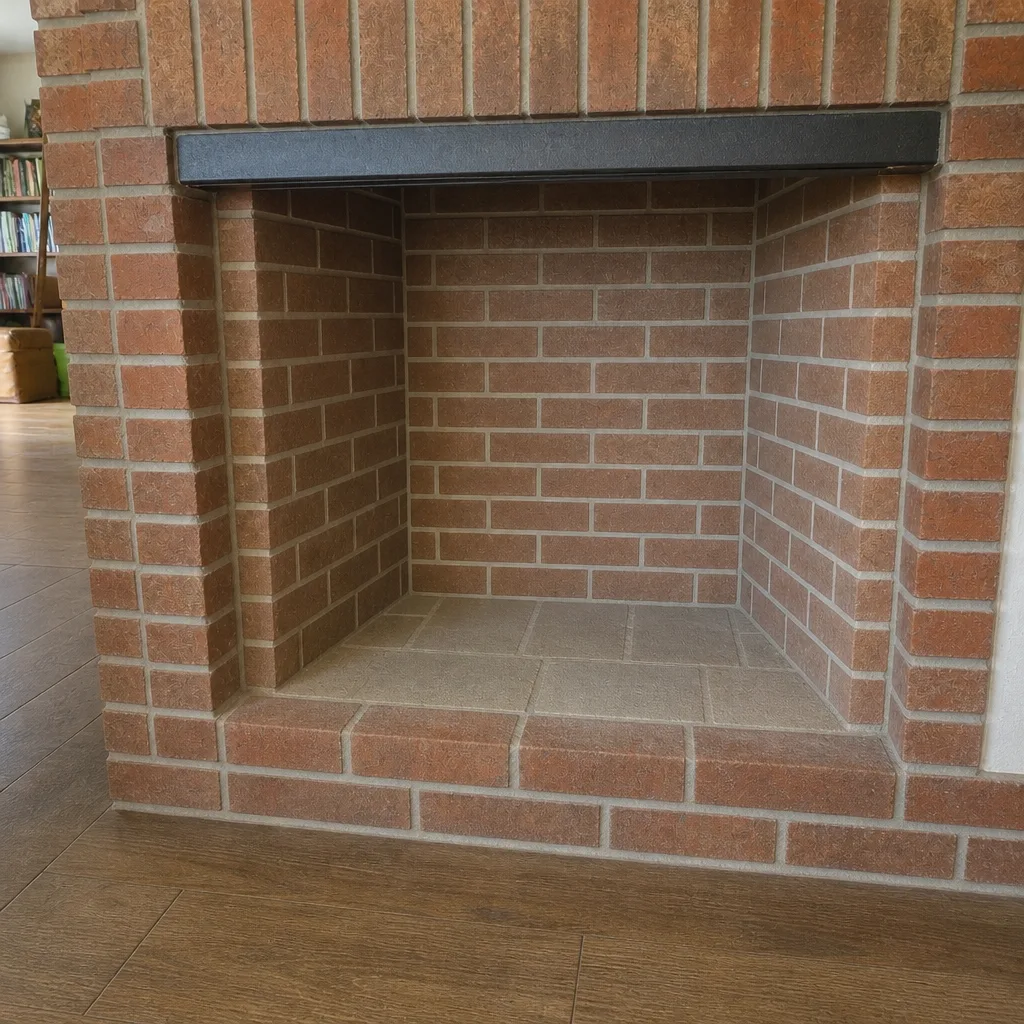 After
When to Call a Professional
You should schedule a professional chimney sweep in La Mesa if your fireplace has been used regularly for a year or more without a professional cleaning. You should also call if you see glossy black deposits on the firebox walls, if the damper won’t open fully, if smoke enters the room during fires, if there’s a persistent campfire-like odor even when the fireplace is cold, or if you’ve purchased a home and have no documentation of prior chimney maintenance. If you use a wood-burning fireplace at all, the default answer is annual professional evaluation. Chimney Cleaning La Mesa offers free estimates for homeowners in La Mesa. Call (833) 593-6651. We answer 24/7. Fast dispatch from 7am to 7pm, Sunday through Friday.
Frequently Asked Questions
You can remove Stage 1 powder creosote with a consumer brush, but most La Mesa fireplaces develop Stage 2 glazed creosote that doesn’t respond to hand brushing. The realistic answer is that DIY cleaning only works if you have a confirmed light-deposit flue, which requires a professional inspection to verify. For a full assessment and cleaning, call (833) 593-6651. We answer 24/7.
Professional chimney cleaning in La Mesa is priced per job based on flue condition, creosote stage, and access factors. The written estimate sets the final price, and the estimate is free. To get an exact quote for your fireplace, call (833) 593-6651.
The National Fire Protection Association standard is annual inspection, with sweeping when creosote reaches 1/8 inch or more. In practice, La Mesa homeowners who use their fireplaces more than a few times per season should plan on annual professional sweeping. Call (833) 593-6651 to schedule. We answer 24/7. Fast dispatch from 7am to 7pm, Sunday through Friday.
Not necessarily. Cracked clay tile liners can often be restored with a resurfacing system like HeatShield, which applies a ceramic coating to the existing flue without demolition. When liner replacement is needed, flexible systems like DuraFlex work well for older masonry chimneys with offsets. A professional inspection determines which option applies to your chimney.
Creosote accumulates, airflow drops, smoke backs up into the living space, and the conditions for a chimney fire develop. Even without a dramatic fire, a neglected chimney can leak carbon monoxide into the home or allow water to enter and deteriorate the masonry. The risks compound with each season of use.
A professional sweep using HEPA containment produces dramatically less indoor dust than a DIY effort. Vacuum systems run throughout the cleaning, and the firebox area is sealed off from the living space. La Mesa homeowners with respiratory conditions or young children should specifically ask about containment before booking. Call (833) 593-6651 with questions.
The Bottom Line
DIY chimney cleaning works in a narrow set of circumstances that most La Mesa homes don’t fit. Mild winters produce Stage 2 glazed creosote, consumer brushes can’t remove Stage 2, and the homeowner who tries anyway ends up with a false sense of safety and a layer of soot dust in the living room. Professional sweeping costs what it costs because it involves rotary tools, chemical treatment when needed, HEPA containment, and a condition assessment that spots liner problems before they become fires. For La Mesa homeowners with wood-burning fireplaces, the decision isn’t really cost versus safety. It’s whether you want the job done, or just want to feel like it’s done. Those are different things.
Written by the team at Chimney Cleaning La Mesa, serving La Mesa since 2013.