
Last updated November 5, 2026
 Sweep & inspection
 Caps & crowns
 Flue relining
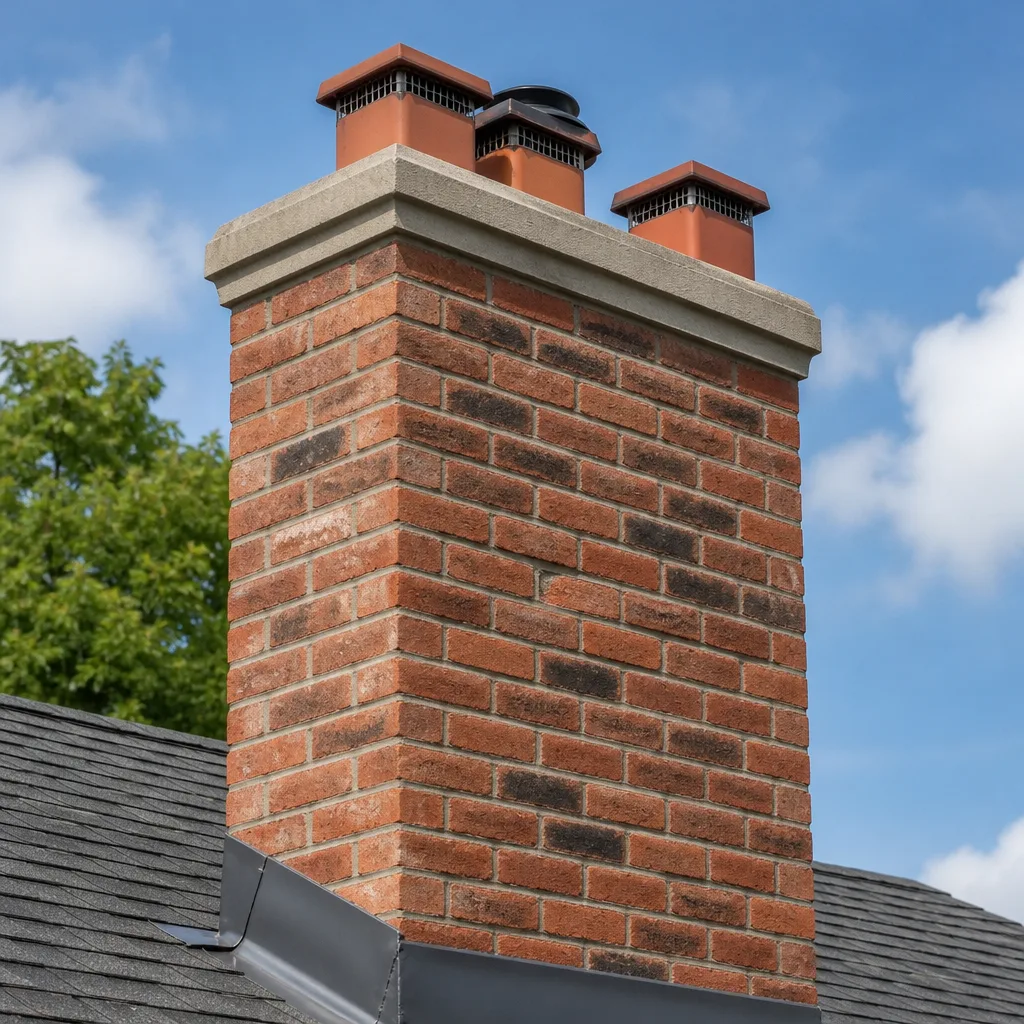 Masonry repair
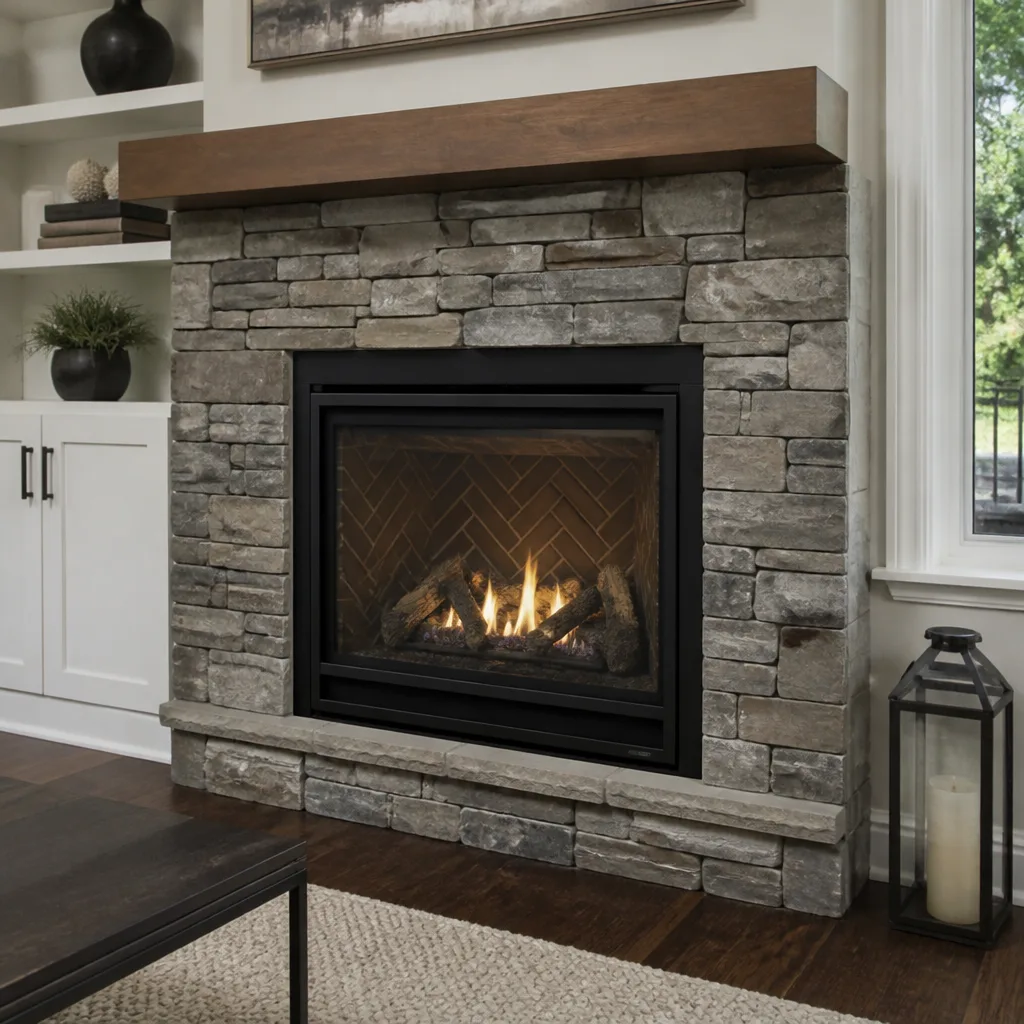 Gas fireplace service
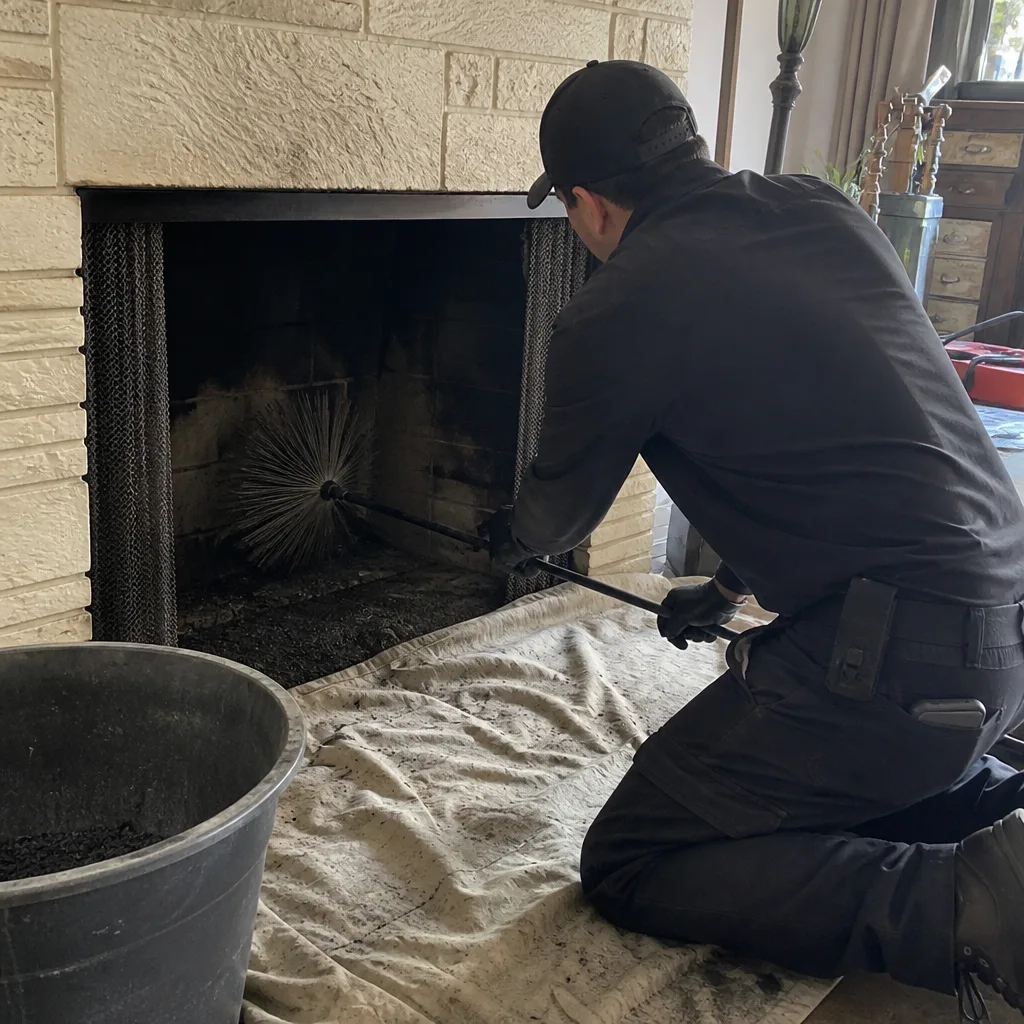
Level 1 sweep and inspection to the NFPA 211 annual standard - flue, crown, cap, and flashing checked and photographed
Chimney sweep logs do not sweep chimneys. They loosen some creosote - which then falls where a brush and vacuum still have to collect it.
Choosing the Right Chimney Cleaning Brand: A Buyer’s Guide for La Mesa
ChimneySaver water repellent and a generic spray-on sealer from a hardware store both carry a label that says they protect masonry, but they do opposite things once they cure. One lets the brick breathe while keeping rain out; the other traps moisture inside the mortar and quietly accelerates the exact spalling and flaking it promised to prevent. The label won’t tell you which is which, and that’s the whole problem with the chimney product market in La Mesa. This guide explains the professional-grade brands that working chimney technicians actually trust, why specific material specs matter more than brand recognition, and what questions to ask before anyone touches your flue.
Styles & brands we work with
- Sweep & inspection
- Caps & crowns
- Flue relining
- Masonry repair
- Gas fireplace service
Quick Answer
The best chimney cleaning and maintenance brands for La Mesa homeowners are the ones working chimney technicians and restoration contractors use daily: Rutland for creosote management and maintenance chemistry, ChimneySaver for vapor-permeable masonry waterproofing, Meeco’s Red Devil for professional creosote removal, and SootEater for rotary cleaning systems. Choosing the right brand means matching the product to the specific problem – a water repellent for masonry protection, a chemical treatment for creosote buildup, or a mechanical tool for removal – rather than buying whatever retail label is on sale. A chimney professional who can name the brands they use and explain the spec they selected for is almost always using contractor-grade materials instead of price-driven substitutes.
Table of Contents
- The Contractor-Tier Brand Stack: Who Makes What
- Vapor Permeability: The Spec That Decides Whether a Sealant Helps or Hurts
- Evaluating Chimney Cap Quality: Gauge, Mesh, and Why It Matters in La Mesa
- Creosote Suppressants vs. Mechanical Removal: What Actually Works
- Questions to Ask Any Chimney Contractor About Products
- How La Mesa’s Climate and Housing Stock Shape Product Choices
- Common Mistakes to Avoid
- When to Call a Professional
- Frequently Asked Questions
- The Bottom Line
The Contractor-Tier Brand Stack: Who Makes What
Walk into a big-box hardware store and you’ll find chimney products from brands you’ve seen on TV commercials. Walk into a specialty chimney supply house, and the shelves look completely different. That second shelf is where working technicians buy their materials, and the brands there are chosen for performance on jobs where a callback means lost money and a damaged reputation.
Here’s the contractor-tier stack and what each name actually specializes in:
- Rutland – The workhorse of chimney maintenance chemistry. Rutland makes creosote treatment products, glass cleaners for fireplace doors, and stove polishes. Their Liquid Creosote Remover is a manganese-based catalyst that alters the chemical structure of creosote so it can be brushed out more easily during the next cleaning. It’s a maintenance tool, not a primary cleaning method, but professionals use it because it works consistently.
- ChimneySaver – The brand technicians reach for when a chimney’s masonry is taking on water and starting to spall. What makes ChimneySaver different from generic sealers is that it’s vapor-permeable, which means it blocks liquid water from entering while allowing water vapor already inside the brick to escape. That one spec is the difference between protecting masonry and destroying it over time.
- Meeco’s Red Devil – This is the family of professional-strength creosote removers that chimney sweeps use on heavily glazed creosote. Creosote has three stages: flaky soot is stage one, crunchy granular deposits are stage two, and the shiny, tar-like glaze that’s the most dangerous is stage three. Meeco’s Red Devil is formulated to attack that stage-three glaze, which a standard brush alone cannot remove safely.
- SootEater – This is a rotary cleaning system that attaches to a drill and uses flexible polymer whips to knock creosote off flue walls. It’s particularly effective on chimneys with difficult geometry or on clay tile liners where a traditional stiff brush can be too aggressive. Many sweeps carry both a brush set and a SootEater, and they choose between them based on what the flue actually looks like.
The point here isn’t that these are the only brands worth considering. It’s that each one earned its place in the contractor market by solving a specific, narrow problem extremely well. When a chimney technician names the brand, it usually means they’ve tested it against alternatives and stuck with what performs. That’s the same reason we carry a focused brand roster including Gelco chimney products and Chimney Cleaning La Mesa materials sourced through Olympia Chimney and Copperfield – we want the product spec to match the job, not the price point.
Vapor Permeability: The Spec That Decides Whether a Sealant Helps or Hurts
Here’s the spec that almost no homeowner knows to ask about, and it’s the one that matters most when protecting a masonry chimney in La Mesa. Vapor permeability is a material’s ability to let water vapor pass through it. Masonry is porous. It absorbs small amounts of moisture from rain, humidity, and the combustion process itself. When that moisture sits inside the brick and mortar, it eventually evaporates outward. A proper masonry water repellent blocks liquid water at the surface but leaves those microscopic pores open enough for vapor to escape.
A film-forming sealer – the kind that feels like paint and promises to “seal” the chimney – does the opposite. It blocks both liquid water and vapor. That means any moisture already in the brick, or any moisture that finds a pinhole or crack, stays trapped inside. Over La Mesa’s mild but occasionally rainy winters, trapped moisture expands and contracts with temperature changes. That pressure slowly breaks down the mortar joints, causing the white staining and flaking that masons call spalling. The sealer was supposed to prevent damage, and instead it became the cause.
ChimneySaver built its reputation on vapor-permeable chemistry. The product repels about 99% of liquid water while letting nearly all water vapor pass through. That’s what professionals mean when they call it a water repellent rather than a sealer. The language matters. A sealer seals. A repellent repels. The difference is what your chimney’s mortar joints will look like in ten years.
If you’re evaluating products yourself, ask for the vapor permeability rating. The good products publish it. The bad ones avoid the question entirely. And if a contractor recommends waterproofing your chimney, ask which product they use and why they chose it. If the answer is “it’s what we’ve always used” rather than a discussion of permeability ratings, that’s a signal worth noting.
Evaluating Chimney Cap Quality: Gauge, Mesh, and Why It Matters in La Mesa
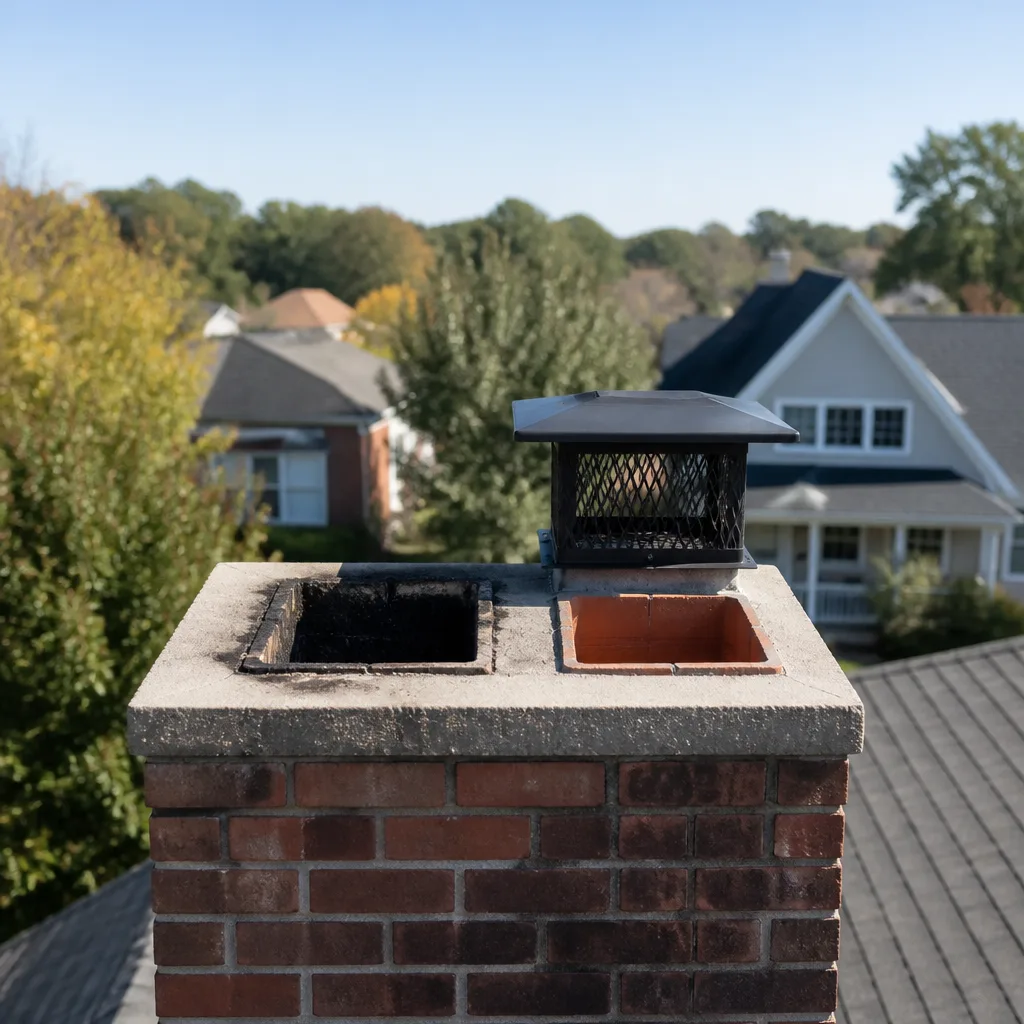
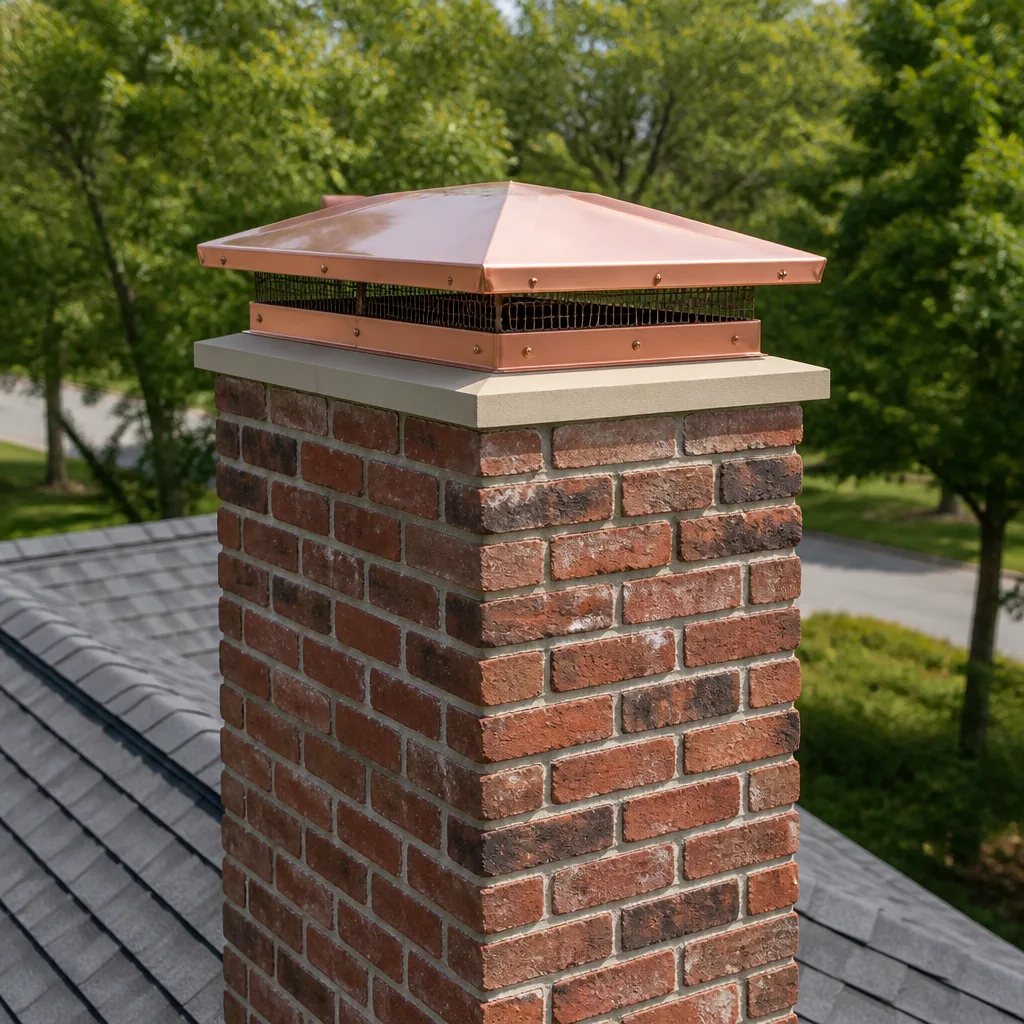
A chimney cap looks like a simple piece of metal, but two caps that look nearly identical in photos can perform completely differently. The specs that matter are the gauge of the metal and the mesh specification, and neither is printed on the box in a way that makes comparison easy.
Metal gauge measures thickness. The higher the gauge number, the thinner the metal. A 24-gauge stainless cap is common on entry-level products. It’s fine for mild environments and light use. A 20-gauge stainless cap uses metal about 25% thicker. It resists denting, lasts longer at the weld points, and holds up far better to the kind of wind-driven debris and occasional branch impacts that happen on older La Mesa properties with mature trees nearby.
Mesh spec matters because the mesh is what keeps animals out and embers in. Cheap caps use mesh with openings too large to block small birds or too fine to function properly under heavy smoke. The industry standard for animal exclusion is roughly 3/4-inch mesh for the outer screen, sometimes paired with a finer inner mesh where spark arrestor function is required. A cap that doesn’t specify its mesh size is usually using whatever was cheapest to source.
Material matters too. Stainless steel is the baseline for anything you want to last more than a few years. Galvanized steel is cheaper, but the galvanized coating breaks down with heat exposure and moisture, and once it’s compromised the cap rusts. In La Mesa’s inland climate, rain is less frequent than coastal San Diego, but when it comes, it often arrives with mineral-heavy dust that accelerates surface wear. Stainless is the standard we recommend, and not just because it’s the professional default – it’s genuinely the better product for a component that sits on top of your chimney in the sun year-round.
If you’re comparing caps, look for products that specify the material, the gauge, and the mesh size. A cap that doesn’t tell you those three things is asking you to buy on appearance, and appearance is the least important attribute of a piece of metal whose job is protecting the flue.
Creosote Suppressants vs. Mechanical Removal: What Actually Works
Creosote forms when wood smoke cools too quickly on its way up the flue, condensing into a residue that sticks to the liner. It’s the primary fuel source for chimney fires, and the reason the National Fire Protection Association recommends annual inspection and cleaning as needed. When homeowners look for a shortcut, they often find chemical products that promise to remove creosote without any brushing. Here’s how those products actually work, and where they legitimately fit.
Rutland Liquid Creosote Remover and similar catalytic products use manganese compounds to react with creosote chemically. What they do is alter the creosote’s structure so that the next mechanical cleaning removes it more easily. They soften the deposits and make them less adhesive. They do not eliminate the need for a sweep, and no product on the market does. If a product claims otherwise, it’s overselling.
Here’s the appropriate sequence for a heavily used fireplace in La Mesa:
- Burning season maintenance – During the months you’re using the fireplace regularly, apply a catalytic treatment like Rutland Liquid Creosote Remover according to the product instructions. This keeps stage-one and stage-two deposits from hardening into the glaze that’s hardest to remove.
- Annual inspection – Before the burning season starts, have the flue inspected. This is when a technician identifies what stage of creosote is present, measures the thickness, and checks for any structural changes since the last cleaning.
- Mechanical cleaning – Based on the inspection, the technician uses either a stiff brush system or a SootEater rotary system to remove the actual deposits. Chemical treatment beforehand makes this step materially easier, but it doesn’t replace it.
- Post-cleaning assessment – After the flue is clean, the technician evaluates the condition of the liner itself. This is when issues like cracked tiles or deteriorated mortar joints get identified, before they become structural problems.
For stage-three glazed creosote, which forms a hard, tar-like coating, Meeco’s Red Devil products are the typical professional choice. This is the condition where chemical softening is most valuable, because the glaze is too hard for a standard brush to remove effectively. But the chemical still needs the mechanical step afterward. The chemical softens, the brush removes. They’re a pair, not alternatives.
Questions to Ask Any Chimney Contractor About Products
A contractor who can’t name the products they use and explain why they chose them is probably buying whatever ships cheapest that week. That doesn’t mean the work will be bad, but it does mean the homeowner is taking a chance on materials that were selected for margin, not performance. Here are the questions that separate a professional who knows their materials from one who doesn’t.
- “What specific water repellent do you use, and what’s its vapor permeability rating?” – If the answer is a brand name plus a spec, that’s a good sign. If it’s “we use a quality sealer,” that’s a red flag. A professional who does masonry protection work knows that vapor permeability is the whole game, and they can talk about it.
- “Which creosote treatment products do you recommend, and when do you use them versus mechanical cleaning?” – This tells you whether they understand the maintenance-versus-removal distinction. A technician who says chemicals alone can clean a flue is either inexperienced or dishonest.
- “What gauge and mesh spec are the caps you install?” – If they don’t know, they haven’t thought about it, and that means their supplier made the choice for them. Stainless steel, 20-gauge, and a specific mesh size are the numbers you want to hear, or at least a discussion of why they choose what they choose.
- “What liner systems do you work with?” – This is where the difference between a cleaning-only service and a full-scope chimney company shows up. We install and work with DuraFlex flexible chimney liner systems, and we’re certified to apply HeatShield flue-liner resurfacing. A company that only sweeps and points you elsewhere when a liner problem appears is fine if all you need is a sweep, but if the inspection uncovers something bigger, you want a crew that can handle the repair without a referral.
- “Do you handle dryer vents too?” – It seems unrelated, but a company that treats chimney and dryer vent exhaust as separate specialties probably doesn’t think about your home’s ventilation as a system. A dryer vent cleaning is the same core problem – combustion exhaust and lint accumulation in a vent that needs to move air – just in a different pipe. We handle both, and we source Famco ventilation components for exhaust systems beyond the chimney. One call covers your chimney and your dryer vent.
Here’s a final product test: ask the contractor to name three brands they use. If they can name them quickly, with confidence, and explain what each one is for, you’re talking to a professional who has thought about materials. If they hesitate or say something like “we just use whatever the supply house has,” that’s an honest answer, but it’s not the answer you want when the component being installed protects your home from fire and carbon monoxide.
How La Mesa’s Climate and Housing Stock Shape Product Choices
La Mesa sits inland enough that the marine layer usually burns off by mid-morning, and the climate lands in that semi-arid zone where mild winters mean fireplaces get used inconsistently. That inconsistency matters. A chimney that sits idle for months at a time between fires accumulates deposits differently than one in a colder climate that sees daily use all winter. Creosote layers build, then dry, then get a new layer on top. The result is a stratified deposit that’s more varied than what technicians see in colder markets, and it sometimes requires a combination of chemical treatment and mechanical removal to address properly.
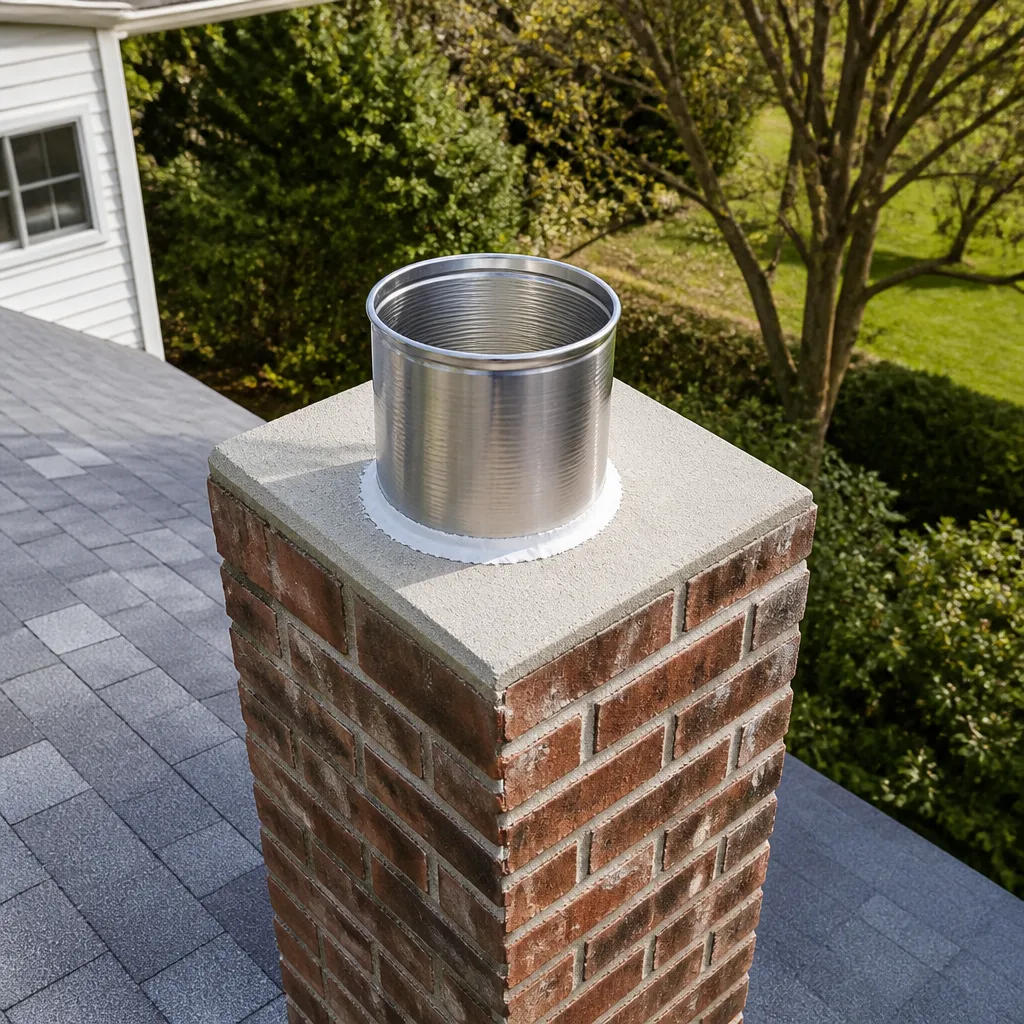
The age of La Mesa’s housing stock also shapes product decisions. Many homes in neighborhoods like the Village area and the older streets off La Mesa Boulevard date from the 1950s and 1960s. Those chimneys were built with clay tile liners and masonry construction that’s now 60 to 70 years old. Clay tile liners crack over decades of heating and cooling cycles, and once a crack appears, it becomes a path for heat and combustion gases to reach the surrounding structure. That’s where liner work becomes relevant. DuraFlex flexible liner systems exist precisely for this situation – older masonry chimneys where a rigid liner won’t fit cleanly and the existing clay tile has deteriorated. HeatShield is the resurfacing option, restoring the existing liner rather than replacing it. Both are professional-trade brands, and both are in our toolkit for exactly the La Mesa chimneys that need them.
Masonry waterproofing in this climate has a different urgency than in wetter regions, but it still matters. La Mesa gets enough rain to wet the brick, and the bigger issue is the sun. Brick and mortar expand as they heat and contract as they cool, every single day. That thermal cycling is gentler than a hard freeze, but it’s relentless. Over decades, it opens tiny surface cracks that let moisture penetrate deeper. A vapor-permeable repellent like ChimneySaver addresses this without the trap-moisture risk of a film-forming sealer. It’s cheap insurance compared to a full rebuild, and it’s the right product for the specific wear pattern this climate produces.
One more local consideration: La Mesa’s urban tree canopy, particularly in the older residential streets, means more leaves, pine needles, and organic debris landing on roofs. A chimney cap with proper mesh isn’t just about embers and animals – it’s also the first line of defense against that debris finding its way into the flue. The cap spec conversation in the section above applies here with extra force.
Common Mistakes to Avoid
- Buying a “chimney sealer” instead of a vapor-permeable water repellent. Film-forming sealers trap moisture inside the masonry, which accelerates spalling and mortar deterioration. That’s the one mistake that turns a maintenance product into a damage product, and it’s completely avoidable by checking the vapor permeability spec before buying. We recommend ChimneySaver for this exact reason.
- Assuming a creosote treatment product replaces a cleaning. Chemical products like Rutland Liquid Creosote Remover are maintenance tools that make the next mechanical cleaning more effective. They are not a substitute for actually removing the deposits. Anyone who represents them as a cleaning alternative is either misinformed or misleading you.
- Choosing a chimney cap by price or appearance instead of material gauge and mesh spec. A 24-gauge cap from a generic brand and a 20-gauge stainless cap from a specialty manufacturer look nearly identical in an online product photo. The difference shows up in year three or four, when the cheaper cap starts to rust at the welds and the mesh warps. Know the specs before you buy.
- Not asking whether the contractor handles liner issues before booking a cleaning. A routine chimney sweep sometimes uncovers a cracked liner or deteriorated masonry that needs attention before the chimney is safe to use. If the company you hired only cleans and refers, you’re starting the search over with a dangerous flue. Ask upfront whether the crew handles repairs in-house.
- Treating the dryer vent as a separate, less urgent problem. Lint accumulation in a dryer vent is a combustion-exhaust problem, and a marginal one at that. A company that treats it with the same seriousness as the chimney, using proper ventilation components like Famco products, is thinking about your house as a ventilation system rather than a list of separate jobs.
- Using generic hardware-store brushes and rods for DIY cleaning. The cheap rod set that seems like a savings can scratch the flue liner, come apart inside the chimney, or simply fail to do the job because the brush head is the wrong size or stiffness for your flue. Professional tools like the SootEater system and properly sized brush sets exist because they work reliably across thousands of flues. A homeowner’s one-time attempt that goes wrong costs more than the professional cleaning would have.
- Paying for a sweep without asking what products and methods will be used. Not all sweeps are equal. Some companies do exactly the minimum and charge the same price as a thorough cleaning that includes chemical treatment and a proper camera inspection. The questions in this guide are designed to identify which kind of company you’re talking to before they’re on your roof.
When to Call a Professional
Some chimney problems announce themselves with a chimney fire or a visible crack, but most don’t. The situations that genuinely require a professional are the quiet ones: a stain appearing on the ceiling near the chimney chase, a musty smell when the fireplace isn’t in use, an unusual amount of smoke backing into the room under specific wind conditions, or a dryer that’s suddenly taking two cycles to dry a normal load. Any of these can indicate a liner issue, a masonry problem, or a blocked vent, and none of them will be solved by a retail product.
If you haven’t had the chimney inspected in over a year, or if you’ve never had it inspected since moving in, that’s the starting point. Chimney Cleaning La Mesa offers free estimates in La Mesa. Call (833) 593-6651. We answer 24/7. Fast dispatch from 7am to 7pm, Sunday through Friday.
Frequently Asked Questions
The best products for La Mesa homeowners are the contractor-grade brands working technicians use: Rutland for creosote maintenance chemistry, ChimneySaver for vapor-permeable masonry protection, Meeco’s Red Devil for heavy creosote treatment, and SootEater for rotary mechanical cleaning. The most important factor is matching the product to the specific problem rather than buying a general-purpose retail product. Call (833) 593-6651 for a free estimate if you’re not sure what your chimney actually needs.
No. Creosote remover products like Rutland Liquid Creosote Remover soften and alter the chemical structure of creosote, making it easier to remove during the next mechanical cleaning, but they do not eliminate the deposits themselves. A professional sweep with proper brush or rotary tools is still required. Call (833) 593-6651 to schedule an inspection and cleaning.
A sealer forms a film that blocks both liquid water and water vapor, trapping moisture inside the masonry. A water repellent like ChimneySaver blocks liquid water while allowing water vapor to escape, which is the behavior that protects brick and mortar from spalling over time. The vapor permeability spec is the deciding factor. Call (833) 593-6651 if you’re considering masonry waterproofing and want a product recommendation based on inspection.
Chimney cap replacement costs vary based on the cap’s material, gauge, and whether any custom fitting is required for your flue configuration. Stainless steel caps with proper mesh specs cost more than galvanized alternatives, but they last significantly longer and protect the flue better. The best way to get an accurate price is to have the chimney measured and the cap spec matched to your specific situation. Call (833) 593-6651 for a free estimate.
The National Fire Protection Association recommends annual inspection and cleaning as needed. In La Mesa’s mild climate, where fireplaces are used seasonally rather than daily, an annual inspection before burning season is a sensible baseline, with cleaning scheduled based on how much creosote has actually accumulated. Fireplaces used frequently throughout the winter may need more frequent attention. Call (833) 593-6651 to schedule an inspection.
Look for a company that can name the specific brands and products they use and explain why they chose them, that handles liner issues and repairs in-house rather than referring them elsewhere, and that treats the dryer vent as part of the same ventilation system as the chimney. A contractor who can’t answer basic product questions is likely using whatever materials were cheapest to source. Call (833) 593-6651 for a free estimate from a company that names its brands because it stands behind them.
Yes, but only with the right product. La Mesa gets enough rain to wet the brick, and the daily thermal cycling of hot sun and cool nights slowly opens surface cracks that let moisture in. A vapor-permeable repellent like ChimneySaver protects against this without trapping moisture. A film-forming sealer makes the problem worse. The product choice matters more than the decision to waterproof at all. Call (833) 593-6651 to discuss whether your chimney would benefit.
The Bottom Line
The chimney product market splits into two tiers: professional-grade brands built for contractors who stake their reputation on every job, and retail-label products engineered to hit a price point on a shelf. For La Mesa homeowners, knowing which brands occupy which tier is the difference between a chimney that gets properly maintained for decades and one that accumulates hidden damage from the wrong sealer or the wrong cap spec. The brands that matter – Rutland, ChimneySaver, Meeco’s Red Devil, SootEater, plus the trade materials like DuraFlex liners, HeatShield resurfacing, and component brands like Gelco, Olympia Chimney, Famco, and Copperfield – are all identifiable by the same quality: they solve one narrow problem exceptionally well. When you ask a contractor to name their products and explain their choices, you find out fast whether you’re paying for that level of care or for a generic service at a professional price. The questions are free to ask. The estimate is free too. Sweep, inspect, repair – handled by the same crew.
Call (833) 593-6651. We answer 24/7. Fast dispatch from 7am to 7pm, Sunday through Friday.
Written by the team at Chimney Cleaning La Mesa, serving La Mesa since 2013.
See the difference
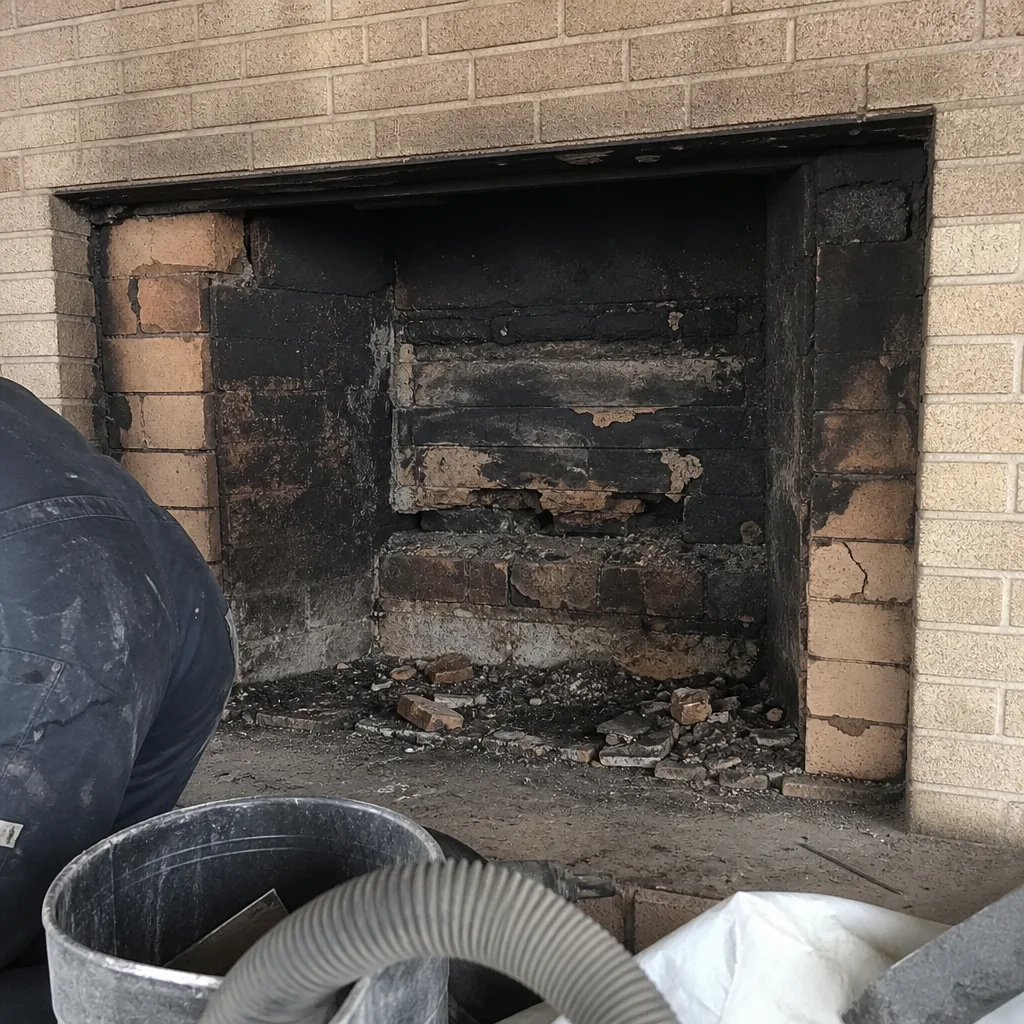 Before
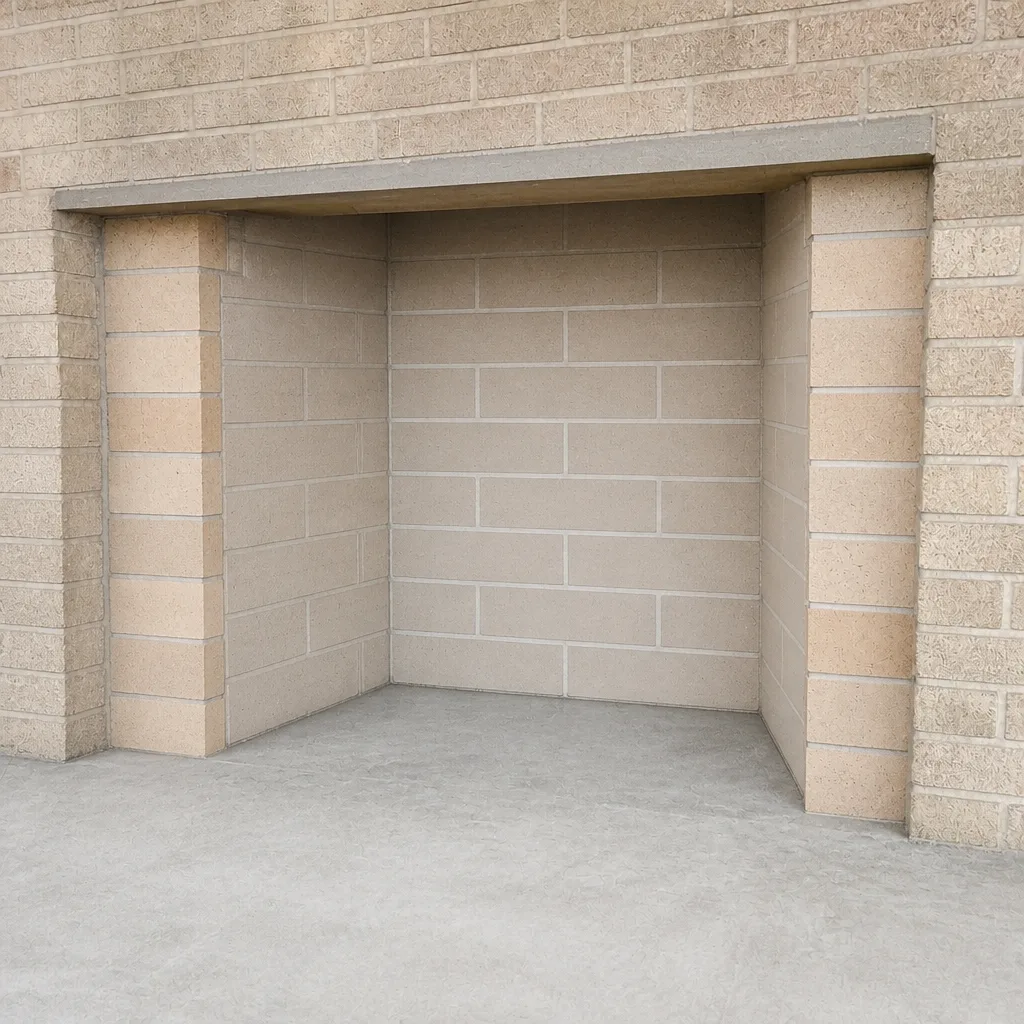 After
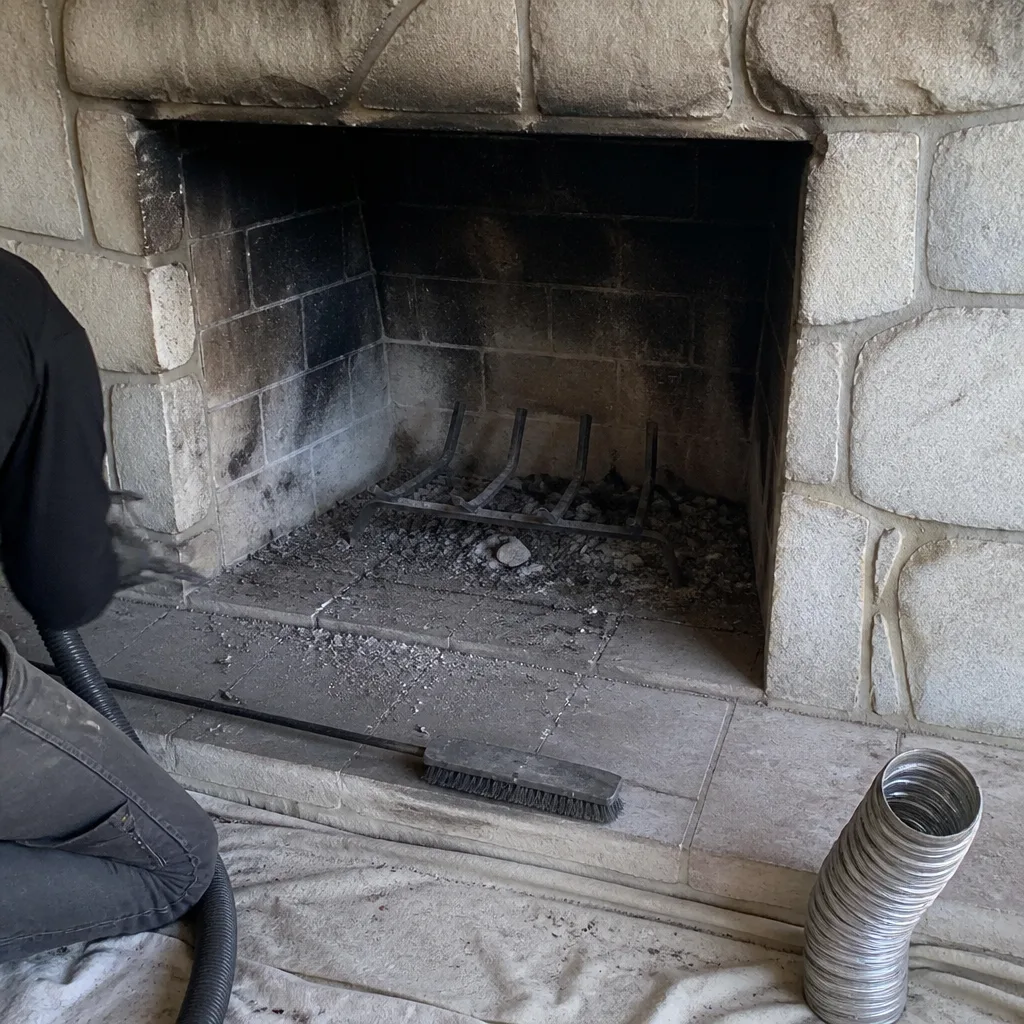 Before
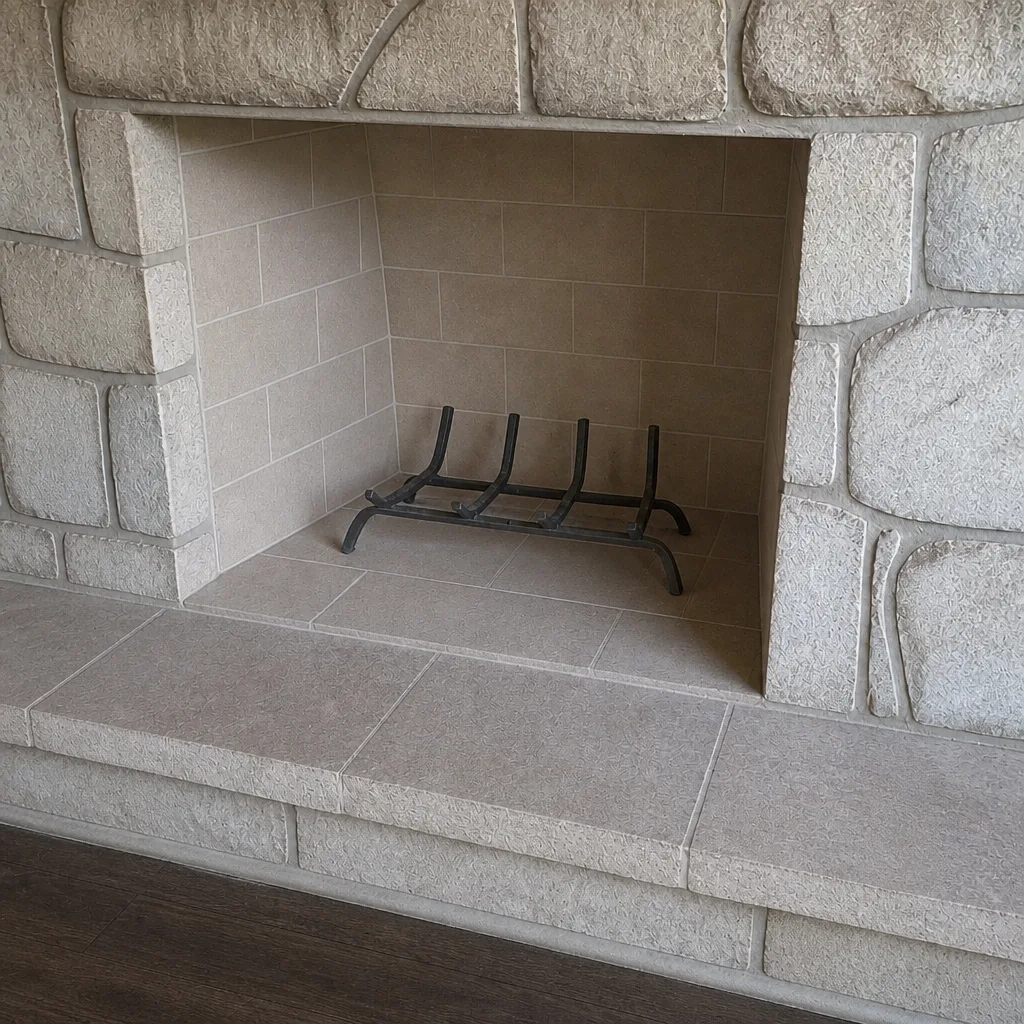 After
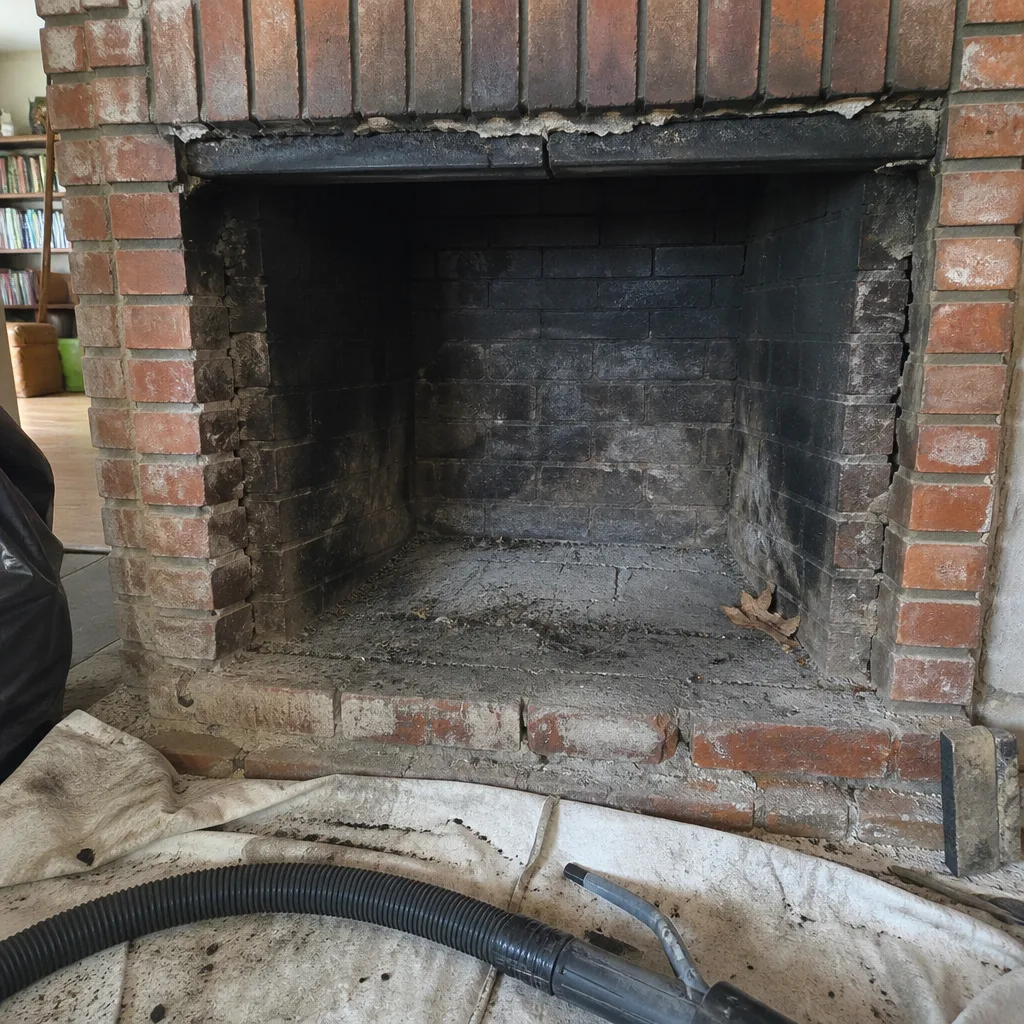 Before
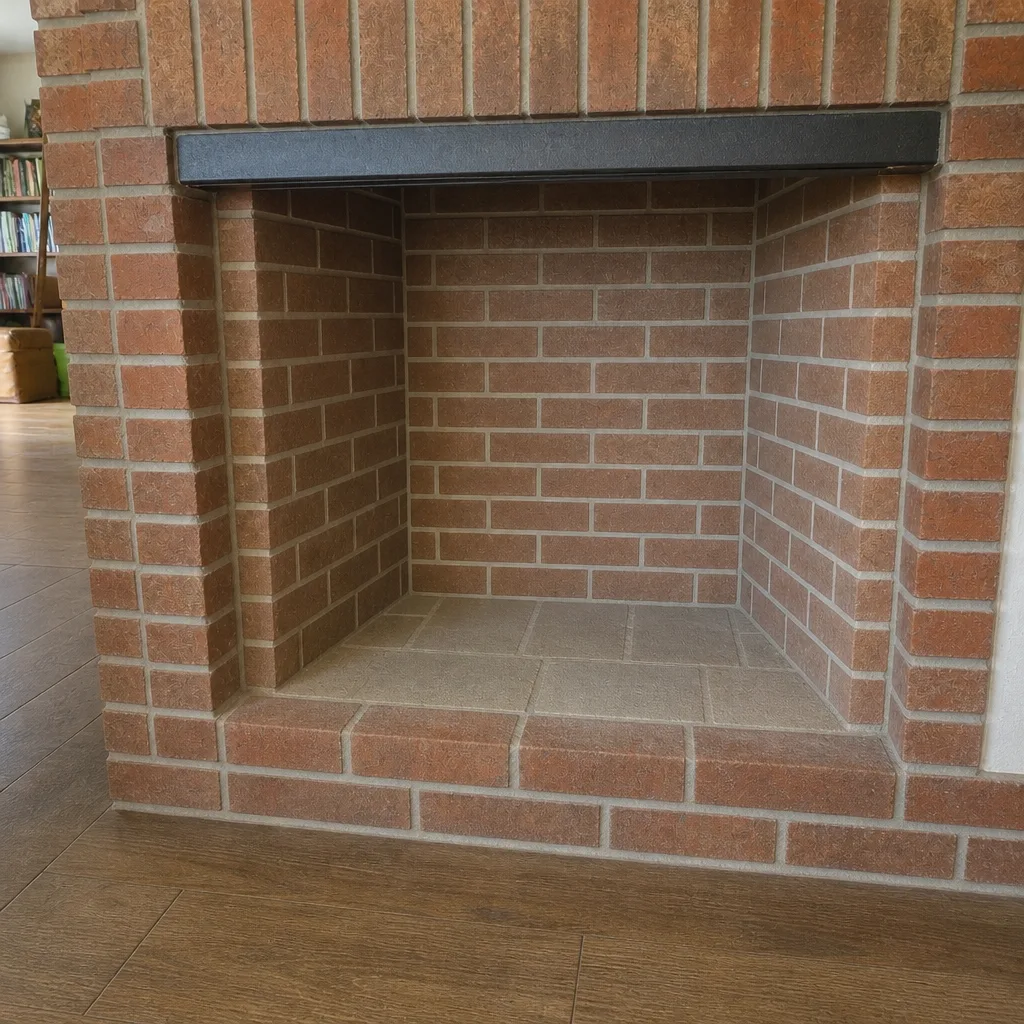 After