
Last updated November 5, 2026
 Sweep & inspection
 Caps & crowns
 Flue relining
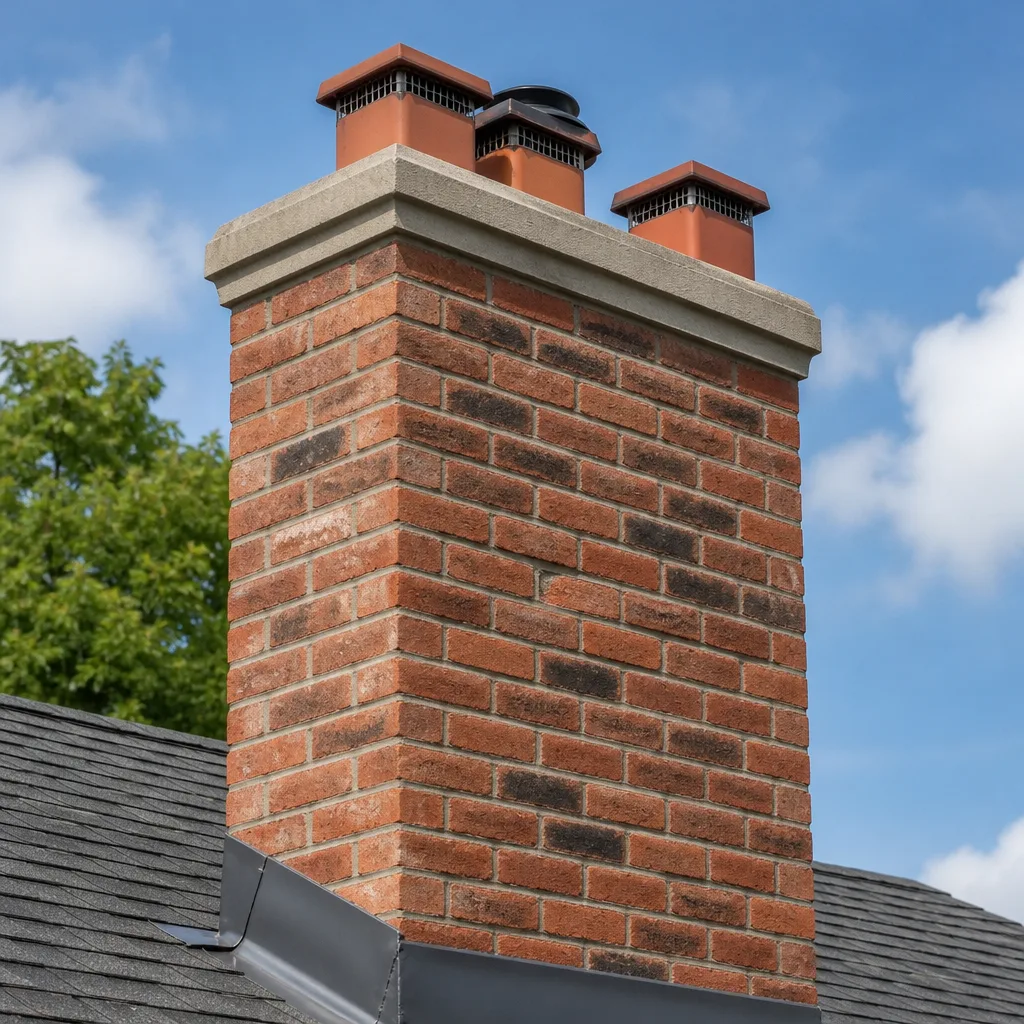 Masonry repair
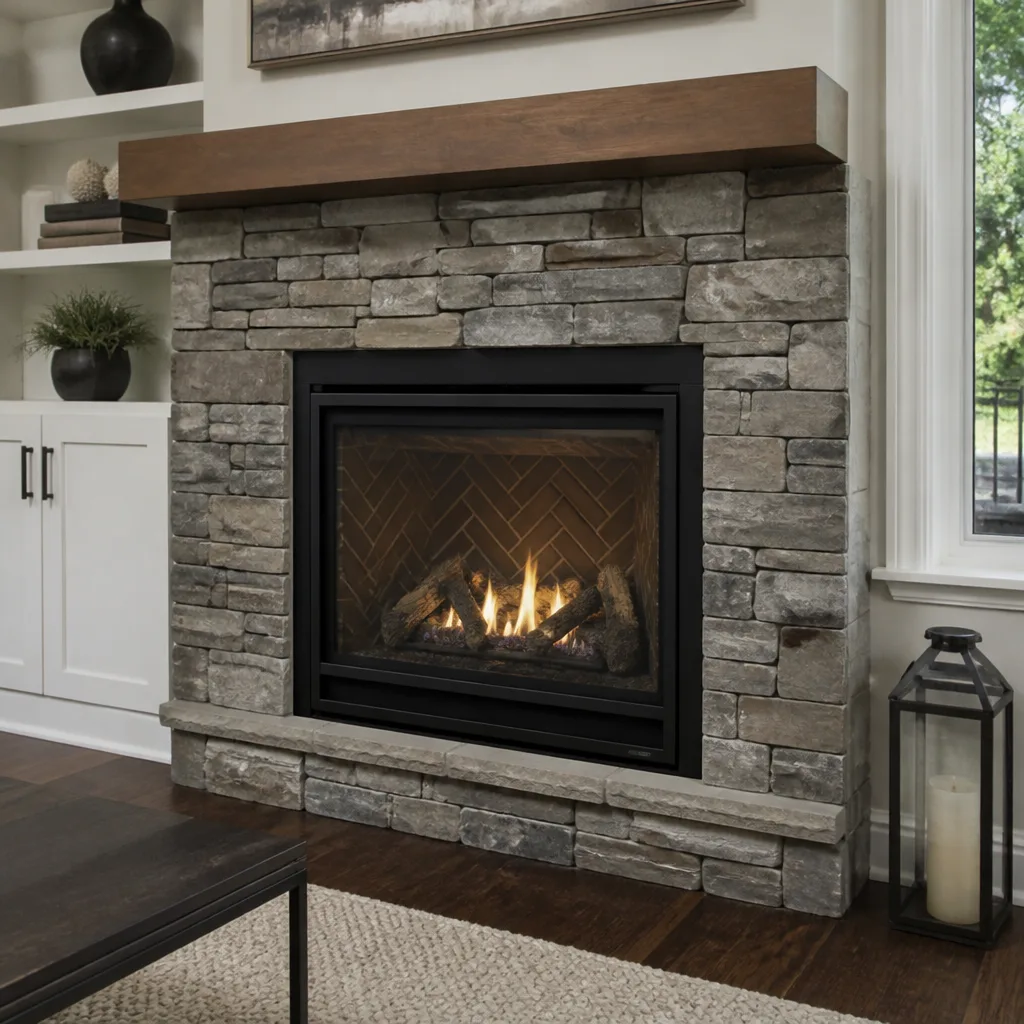 Gas fireplace service
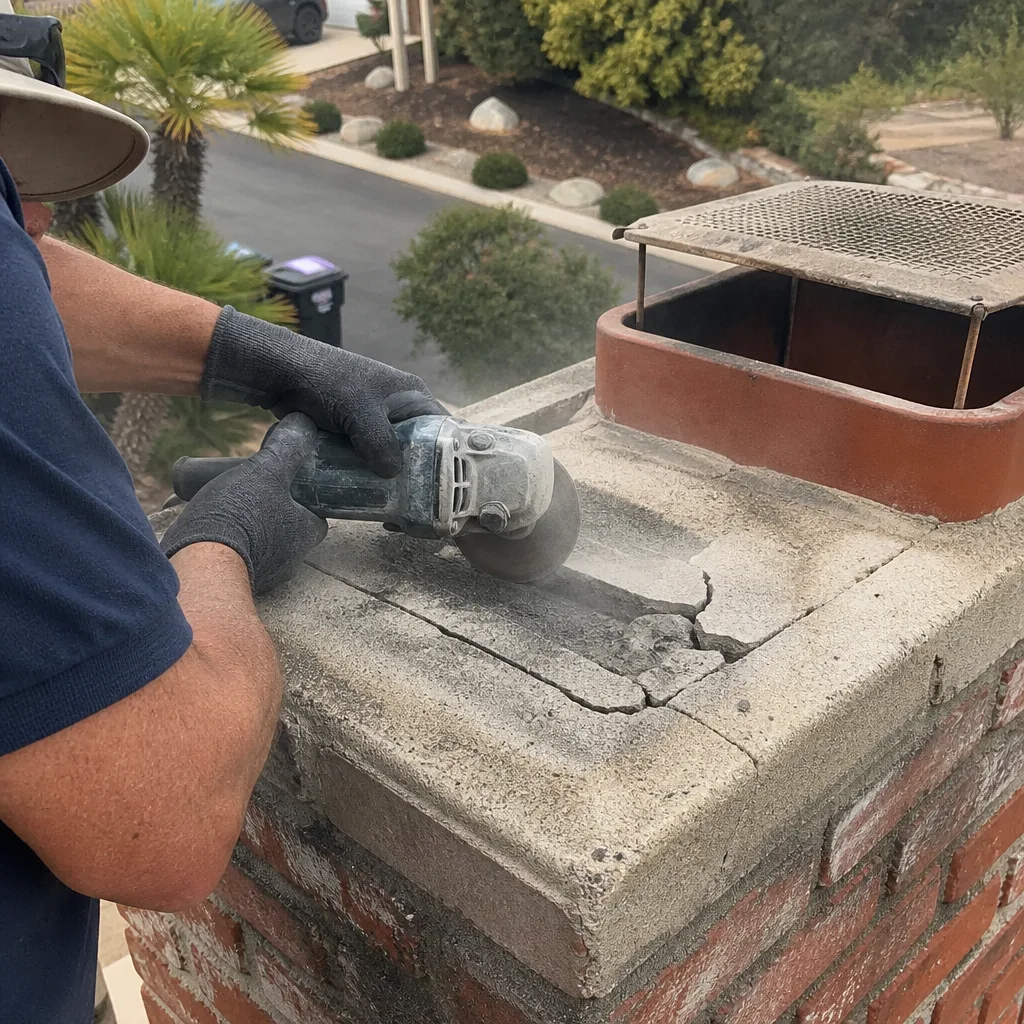
Level 1 sweep and inspection to the NFPA 211 annual standard - flue, crown, cap, and flashing checked and photographed
Chimney sweep logs do not sweep chimneys. They loosen some creosote - which then falls where a brush and vacuum still have to collect it.
The Complete Guide to Chimney Cleaning in La Mesa
Most La Mesa homeowners burn fewer than 15 fires a year, and that modest usage pattern is exactly what makes fireplace maintenance in this city quietly deceptive. Infrequent, low-temperature fires don’t burn off the byproducts of combustion the way a roaring nightly fire does in a cold-climate home. Instead, they deposit a dense, tar-like glaze inside the flue that’s far harder to remove than the fluffy gray ash most people picture when they hear the words chimney sweep. This guide explains why Mediterranean-climate fireplaces need a different standard of care, what a proper cleaning in La Mesa actually involves, and how to evaluate the condition of a flue you can’t see.
Quick Answer
Chimney cleaning in La Mesa typically involves a mechanical sweep of the flue to remove creosote and soot, followed by a visual inspection of the firebox, damper, and liner. Because La Mesa’s mild winters produce low-frequency, low-temperature burning, local chimneys often accumulate Stage 2 and Stage 3 glazed creosote, which requires rotary tools rather than a standard wire brush. A proper cleaning also includes a Level 1 or Level 2 inspection to catch hidden issues like cracked flue tiles or degraded mortar joints before they become fire or carbon monoxide hazards.
Styles & brands we work with
- Sweep & inspection
- Caps & crowns
- Flue relining
- Masonry repair
- Gas fireplace service
Table of Contents
- Why La Mesa’s Climate Creates a Different Kind of Creosote
- The Three Stages of Creosote and Why They Matter Here
- Chimney Cleaning Methods: What Actually Removes Glazed Creosote
- Level 1 vs. Level 2 Inspections: What a La Mesa Home Needs
- How Marine Layer Humidity Affects Flue Liners Over Time
- The Chimney and Dryer Vent Connection: A Whole-Home Ventilation Audit
- What to Expect During a Professional Chimney Cleaning
- Common Mistakes to Avoid
- When to Call a Professional
- Frequently Asked Questions
Why La Mesa’s Climate Creates a Different Kind of Creosote
La Mesa sits in a sweet spot of San Diego County that gets warm summers, mild winters, and just enough cool evenings to make a fireplace appealing from November through March. That’s the problem, in a sense. A fireplace that gets lit once or twice a month never reaches the sustained high temperatures that keep creosote from forming in the first place. Low-temperature fires, especially with hardwoods that haven’t fully seasoned, produce smoke that condenses quickly on the cooler walls of the flue. In a cold-climate house where the fire burns hot for hours every night, much of that creosote gets baked off by subsequent fires. In La Mesa, it stays put and bakes slowly, forming a hard, glossy coating that’s chemically a different animal from the flaky Stage 1 material.
The practical takeaway is this: a La Mesa fireplace that’s only used from Thanksgiving to Valentine’s Day can have more hazardous creosote buildup than a heavily used fireplace in Minnesota. It’s counterintuitive, and it’s why we tell homeowners here not to judge chimney health by how often they light a fire. An occasional-use fireplace is often the one that needs the most aggressive mechanical cleaning.
The Three Stages of Creosote and Why They Matter Here
Creosote isn’t a single substance. It forms through three distinct stages, each requiring different tools and techniques to remove. Knowing which stage you’re dealing with is the difference between a routine sweep and a job that calls for rotary equipment.
Stage 1: Flaky Soot and Light Dust
This is what most people expect. It’s a fine, dark, powdery residue that brushes off easily with a standard chimney brush. In La Mesa, Stage 1 is most common in fireplaces that burn well-seasoned wood at decent temperatures, or in flues that were just cleaned last season. A standard brush-and-rod sweep handles this stage without issue.
Stage 2: Crunchy, Granular Tar
Stage 2 creosote looks like burnt sugar. It’s harder, more crystalline, and doesn’t fully yield to a wire brush alone. This stage is everywhere in La Mesa because it’s the natural result of moderate-temperature fires, which is precisely what the mild climate encourages. Removing Stage 2 typically requires a rotary loop system or a stiffer brush with more aggressive scraping action.
Stage 3: Glazed, Tar-Like Coating
Stage 3 is the dangerous one. It’s a hard, shiny, porcelain-like layer of condensed tar that can cake the flue walls several inches thick in severe cases. Stage 3 creosote burns like candle wax once it ignites, and it’s the primary fuel source for chimney fires. This is what infrequent low-temperature burning in a mild climate produces faster than almost any other pattern. Once it’s present, a standard brush does almost nothing. You need rotary chains, a specialized creosote-removing formula, and often multiple passes to break it down.
In our work, we plan cleanup around the actual stage present, not a one-size-fits-all brush pass. That’s why we carry a full range of professional-grade supplies from distributors like Olympia Chimney and Copperfield, rather than whatever ships cheapest from a big-box shelf.
Chimney Cleaning Methods: What Actually Removes Glazed Creosote
The right cleaning method depends on what’s in the flue. Here’s how the standard approaches compare for a La Mesa fireplace.
- Wire Brush Sweep (Manual or Rod-Driven). This is the traditional method, and it works well for Stage 1 and light Stage 2 deposits. A stiff wire brush sized to the flue is pushed and pulled through the entire length of the chimney to knock debris loose. It’s the foundation of any sweep.
- Rotary Loop System (SootEater-Style Tools). Rotary systems attach flexible polymer rods to a drill, spinning loops at high speed to scrape the flue walls. They’re far more effective on Stage 2 and light Stage 3 creosote than a static brush, because the spinning action breaks up hardened tar rather than just skimming over it. For the glazed deposits common in La Mesa’s infrequent-use fireplaces, a rotary system is often the only thing that saves the day.
- Chemical Creosote Modifiers. These are powders or sprays applied during or after a fire that chemically alter creosote, making it more brittle and easier to brush away. They’re a helpful complement to mechanical cleaning, especially for Stage 3 glazing, but they are not a substitute for an actual sweep. We stock Gelco’s professional creosote treatment line for exactly these situations, because it’s made for contractors who deal with hardened deposits regularly.
- Rotary Chains with Chemical Pre-Treatment. For severe Stage 3 glazing, the sequence matters. A chemical treatment is applied first to soften the tar across several firing cycles, then a rotary chain system is run through the flue to break the glazing loose. This two-stage approach is sometimes the only way to restore a heavily glazed flue without relining the chimney.
The critical point for La Mesa homeowners is this: if a previous sweep was done with a basic brush and the fireplace has been used intermittently since, there’s a real chance that glazed creosote remains. That’s not an indictment of the previous cleaner; it’s a function of what intermittent low-temperature burning leaves behind. A thorough follow-up may need rotary tools, and it’s worth asking about that specifically.
Level 1 vs. Level 2 Inspections: What a La Mesa Home Needs
Chimney inspections fall into three levels, and knowing the difference helps you understand what you’re paying for. For most La Mesa homeowners, the distinction between Level 1 and Level 2 is the one that matters.
Level 1 Inspection
A Level 1 inspection is what accompanies a routine sweep. The technician examines the readily accessible portions of the chimney interior and exterior: firebox, damper, visible flue surfaces, and the basic condition of the chimney crown and cap. There’s no special access equipment, no video scanning. It’s appropriate when the chimney is in its same general condition as the previous year and the fireplace is being used in the same way. In La Mesa, that describes most homes with a well-maintained fireplace and no known issues.
Level 2 Inspection
A Level 2 inspection goes further. It includes everything in Level 1 plus a video scan of the flue interior, often using a camera system that documents every inch of the liner. Level 2 is required by industry standard when there’s been a change to the system: a new appliance, a change of fuel, a chimney fire, an earthquake, a change in ownership, or a long period of abandonment. San Diego County’s seismic activity makes the earthquake rationale especially relevant. A Level 2 inspection is also just a smart idea for any older La Mesa home with a masonry chimney that hasn’t been deeply examined in years, because you get a visual record of cracked flue tiles, deteriorated mortar, or hidden animal nests that no surface check can reveal.
Level 3 Inspection
Level 3 involves opening up part of the chimney structure: removing a section of wall, crown, or flue liner to access concealed areas. It’s reserved for cases where a serious problem is suspected and can’t be diagnosed by video alone. Most homeowners will never need a Level 3.
When we perform a chimney cleaning, the standard sweep includes a Level 1 inspection as part of the service. If anything we see suggests hidden damage – a stuck damper, unusual draft behavior, evidence of water intrusion – we’ll recommend a Level 2 with a camera. The goal is not to upsell; it’s to give you eyes on a system you can’t safely inspect yourself.
How Marine Layer Humidity Affects Flue Liners Over Time
La Mesa’s position in eastern San Diego County means it gets a real marine layer influence, with morning fog and cool, damp air rolling in from the coast. That moisture doesn’t stay outside. It settles into chimneys, particularly masonry chimneys with any existing micro-cracks or porous brick. The result is slow, persistent water intrusion that degrades mortar joints and accelerates flue liner wear even when the fireplace isn’t being used.
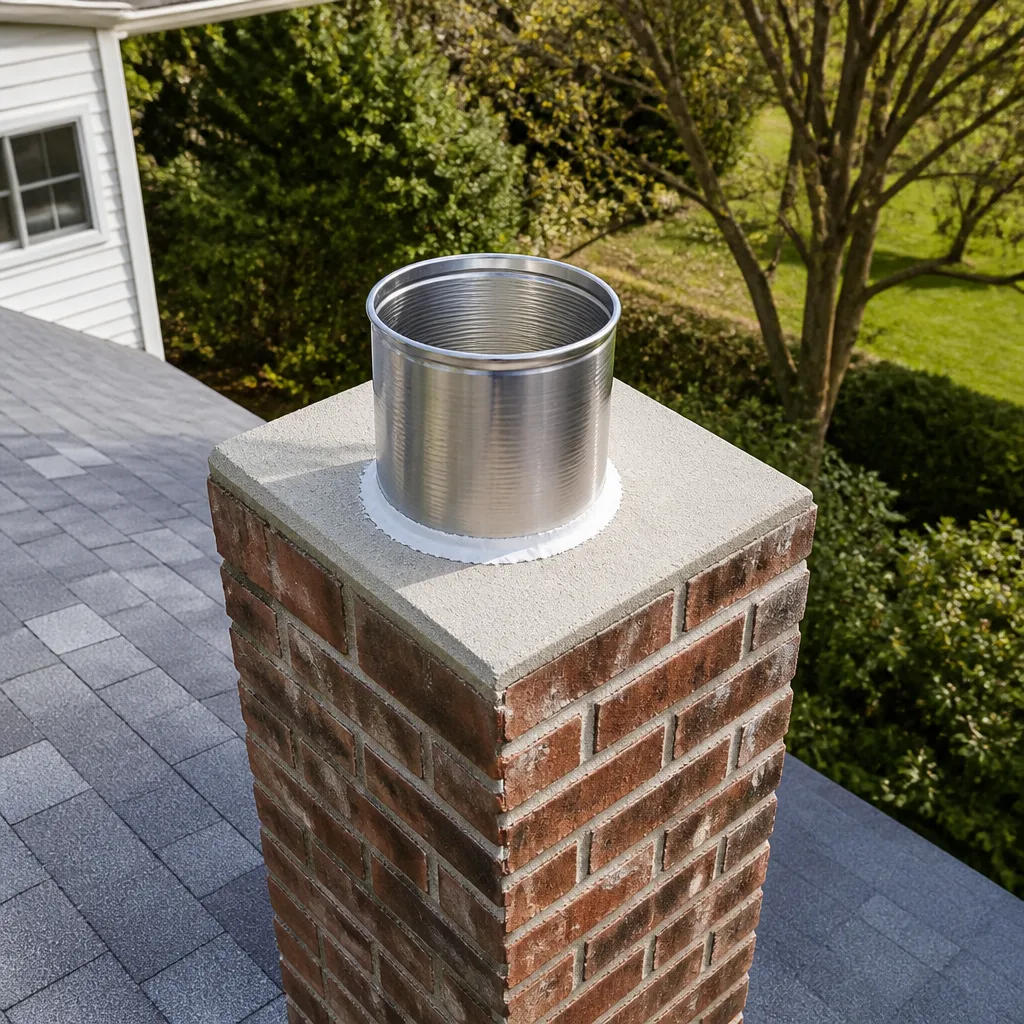
The mechanism is straightforward. Moisture penetrates the chimney crown or cap, seeps into the flue, and reacts with creosote deposits to form an acidic compound that eats away at clay flue tiles and mortar. In an older La Mesa home with a 40-year-old masonry chimney, small amounts of daily fog add up to significant deterioration over the years. Prefab or factory-built chimneys have stainless steel liners that resist corrosion better, but they’re still not immune to water entry through a compromised chase cover.
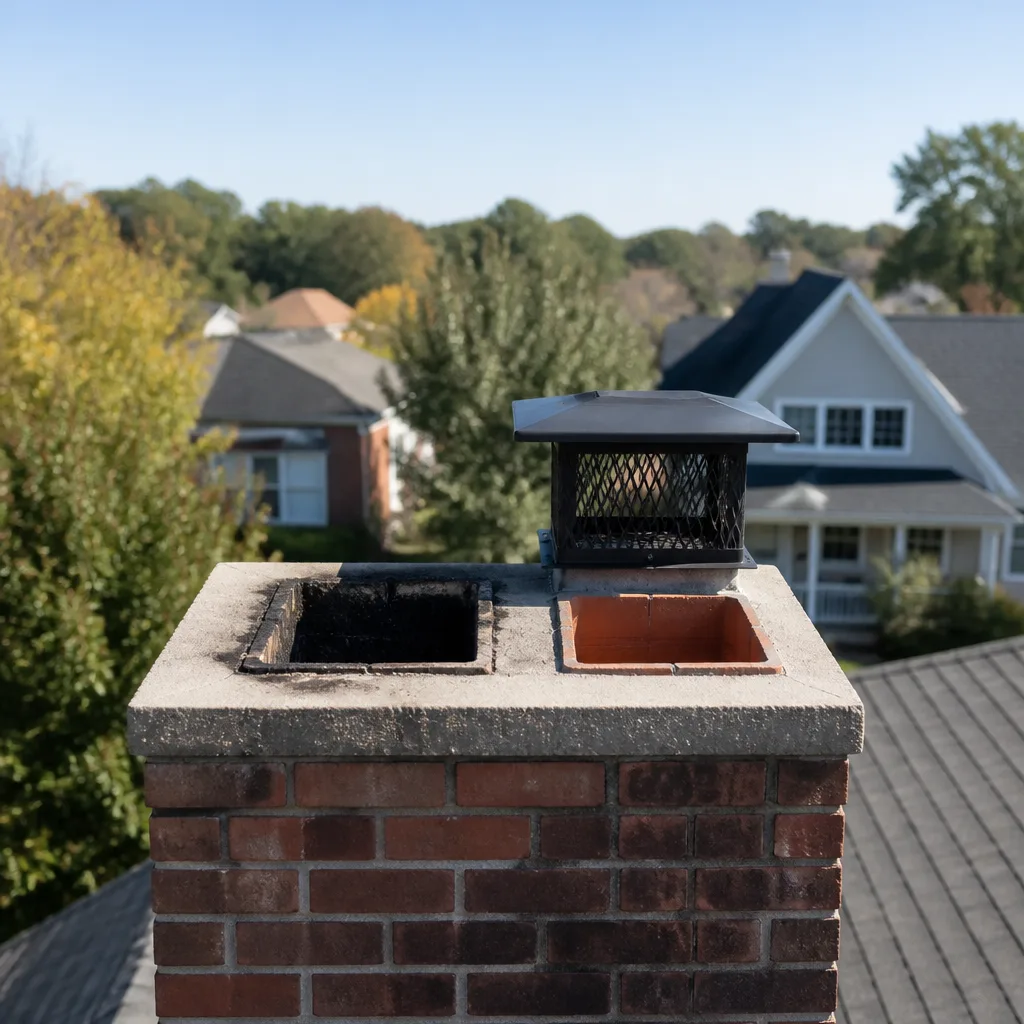
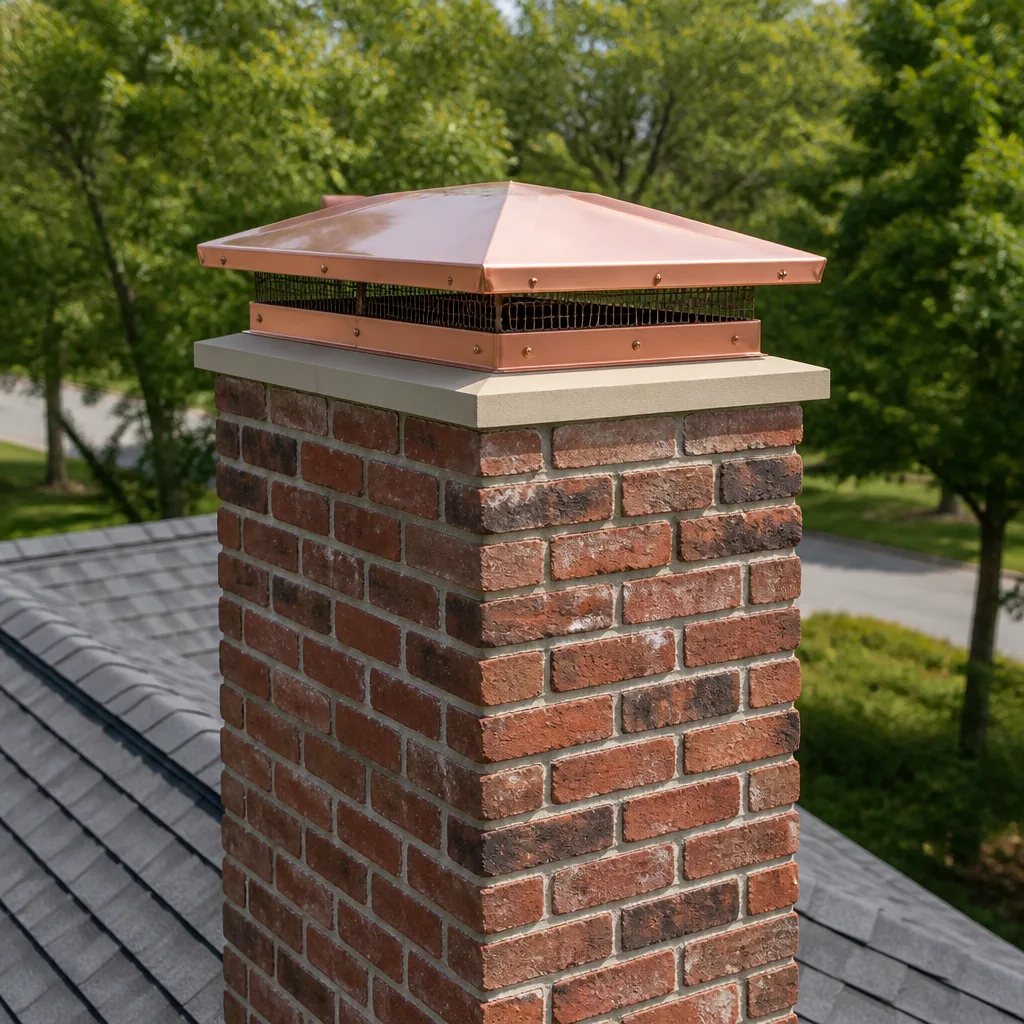
The takeaway: a chimney that looks fine from the outside may have significant liner degradation from years of moisture exposure. The only way to know is to have it inspected, and the only way to slow the damage is to address water intrusion at the source: a proper chimney cap, crown repair, and sometimes a polyurethane crown sealer applied by a professional.
The Chimney and Dryer Vent Connection: A Whole-Home Ventilation Audit
Chimney safety and dryer vent cleaning seem like separate chores, but they’re both part of the same household exhaust system. Homes in La Mesa have a particular relationship with lint, because the warm, dry summers create static-prone conditions that generate more lint than typical coastal properties. When a dryer vent clogs, it doesn’t just slow drying times. It forces the dryer to work hotter, which accelerates motor wear and creates fire risk. That same house may also have a chimney with damaged venting, and the two systems interact in important ways.
Think about it as a whole-home ventilation audit. A clogged dryer vent increases interior humidity and pushes lint particles into the air. A chimney with a draft problem pulls that air back into the living space, transporting lint into the fireplace throat and smoke chamber. The combination degrades indoor air quality and makes both systems work harder. It’s why we handle dryer vents and chimneys under one roof rather than pointing homeowners to a separate vendor. The same professional-grade materials we trust for chimneys – including Famco ventilation components for the venting side – apply directly to a full-ventilation assessment.
The principle is simple: you can’t fully assess a home’s ventilation safety by looking at only one exhaust path. The chimney and the dryer vent are both part of how your house breathes, and in La Mesa’s mild-but-humid climate, they both deserve regular inspection.
What to Expect During a Professional Chimney Cleaning
A professional chimney cleaning in La Mesa follows a consistent sequence, whether it’s a straightforward sweep or a deeper cleaning involving rotary tools. Here’s what a typical appointment looks like.
- Interior and Exterior Assessment. Before any cleaning starts, the technician examines the firebox, damper, chimney cap, crown, and chase cover. Any signs of water damage, animal entry, or structural movement get noted and shown to the homeowner.
- Work Area Protection. Drop cloths are laid across the hearth and surrounding floor. The intention is to leave the room cleaner than it was found.
- Mechanical Sweep. Using a brush or rotary loop matched to the flue size and creosote stage, the technician works the entire length of the chimney. For hardened deposits, a rotary system with chemical pre-treatment may be used.
- Flue Inspection. Once the flue is clean enough, the technician performs the assessment described above – Level 1 by default, Level 2 if warranted. Debris, creosote, and structural issues are photographed or video-captured for the homeowner’s records.
- Cleanup and Report. The hearth is wiped down, debris is removed, and the technician walks the homeowner through what was found. Any recommended follow-up work is explained in plain terms, with no pressure.
The entire process for a standard cleaning takes between 45 and 90 minutes. A chimney with heavy glazed creosote may take longer; a chimney with no deposits at all may take less. What matters is that you’re left with a clear picture of your chimney’s condition, not just a brush pass.
Common Mistakes to Avoid
- Assuming infrequent use means no cleaning needed. This is the most common error we see among La Mesa homeowners, and it’s also the most dangerous. Low-frequency fires produce stubborn creosote that traditional advice doesn’t account for.
- Using store-bought creosote logs as a substitute for sweeping. Those products chemically alter some creosote, but they don’t remove deposits. A log can’t replace a mechanical sweep, and relying on it leaves hardened deposits in place.
- Cleaning only the visual firebox area. A shiny firebox means nothing if the flue above it is glazed. The fire risk is in the flue, not the firebox.
- Skipping the inspection portion of a sweep. Some homeowners think a chimney sweep is just a brush pass. In reality, the inspection is as important as the cleaning. A clean chimney with a cracked flue tile is still a hazard.
- Ignoring an unusual draft or smoke smell. A persistent smoke smell inside the house or a fireplace that draws poorly may indicate a clogged flue, a bird nest, or a liner problem. These don’t resolve themselves, and waiting often makes repair more expensive.
- Failing to address water intrusion at the cap or crown. In La Mesa’s marine-layer climate, water entry is a primary driver of long-term chimney damage. A cracked crown or missing cap may seem cosmetic, but it accelerates liner and mortar deterioration every year.
- Hiring a chimney cleaner who doesn’t inspect the whole system. A thorough professional checks the firebox, flue, damper, cap, and crown, and can recommend a Level 2 inspection if needed. If a sweep includes no inspection at all, you’re not getting the service you need.
When to Call a Professional
Call a professional if you haven’t had your chimney swept in the past year, if you burn any fires at all during the mild La Mesa winter season, or if you notice any of these signs: a persistent smoky smell inside, slow draft, visible dark glaze on the damper or firebox walls, or flaking brick on the chimney exterior. If you’ve just purchased a home in La Mesa, schedule a Level 2 inspection as part of your move-in due diligence. Chimney Cleaning La Mesa offers free estimates in La Mesa – call (833) 593-6651 to book one.
Frequently Asked Questions
Even with only a handful of fires per season, an annual inspection is the right benchmark, and a sweep should follow when creosote accumulation reaches 1/8 inch or more. Because La Mesa’s infrequent, low-temperature burning creates dense creosote quickly, once a year is not too cautious for any fireplace used at all. If you use the fireplace fewer than five times a year, an inspection may be sufficient without a full sweep, but don’t skip the check. Call (833) 593-6651 for a free estimate on a sweep and inspection.
Yes, because mild-climate fireplaces create the densest creosote. Low-temperature, low-frequency fires produce tar-like glazing that a cold-climate chimney burns off through daily use. La Mesa homeowners who skip cleaning on the assumption that “we don’t use it much” are often the ones with the most serious deposits.
In La Mesa, a standard chimney sweep and Level 1 inspection typically ranges from $150 to $300 depending on the flue size, accessibility, and creosote stage. Heavier glazing or a rotary tool requirement can push that higher. The written estimate sets the final price, and we never charge a separate fee for the estimate. Call (833) 593-6651 for an exact quote.
You generally can’t tell by looking without a mirror or camera, and even then it’s easy to mistake appearance unless you know what to look for. Warning signs include a dark, shiny coating visible on the damper or upper firebox walls, a persistent acrid smell, or slow draft. If you suspect glazing, a professional inspection with a camera will confirm it quickly.
You can, but the result depends on what’s in the flue. A standard brush from a hardware store will handle light Stage 1 soot, but it will not remove glazed creosote, and climbing onto a La Mesa roof without proper tie-offs and flue access knowledge is a real hazard. We recommend leaving it to a trained professional who carries the right rotary equipment.
Yes. Both systems share responsibility for removing household exhaust and combustion byproducts from the home. A clogged dryer vent raises indoor humidity and forces circulating air to pull through whatever path it can, including a sluggish chimney flue. Addressing both together preserves the performance and safety of the whole ventilation system. Our service line covers Chimney Cleaning La Mesa and dryer vent work in one visit – call (833) 593-6651.
The Bottom Line
Chimney cleaning in La Mesa is not a “one brush pass and done” service. The city’s mild Mediterranean climate creates a deceptively dangerous combination: low-frequency use and low-temperature fires that produce dense, glazed creosote faster than most homeowners expect. A proper cleaning requires knowing which stage of creosote is present, using the right mechanical method for that stage, and pairing the sweep with a real inspection, not just a quick look. Add marine-layer humidity, and you have a strong case for annual checks and water-aware maintenance. The best way to protect your home is to have a professional assess what’s actually in your flue. We serve La Mesa and can provide a free written estimate for any chimney or dryer vent service we offer.
Written by the team at Chimney Cleaning La Mesa, serving La Mesa since 2013.
See the difference
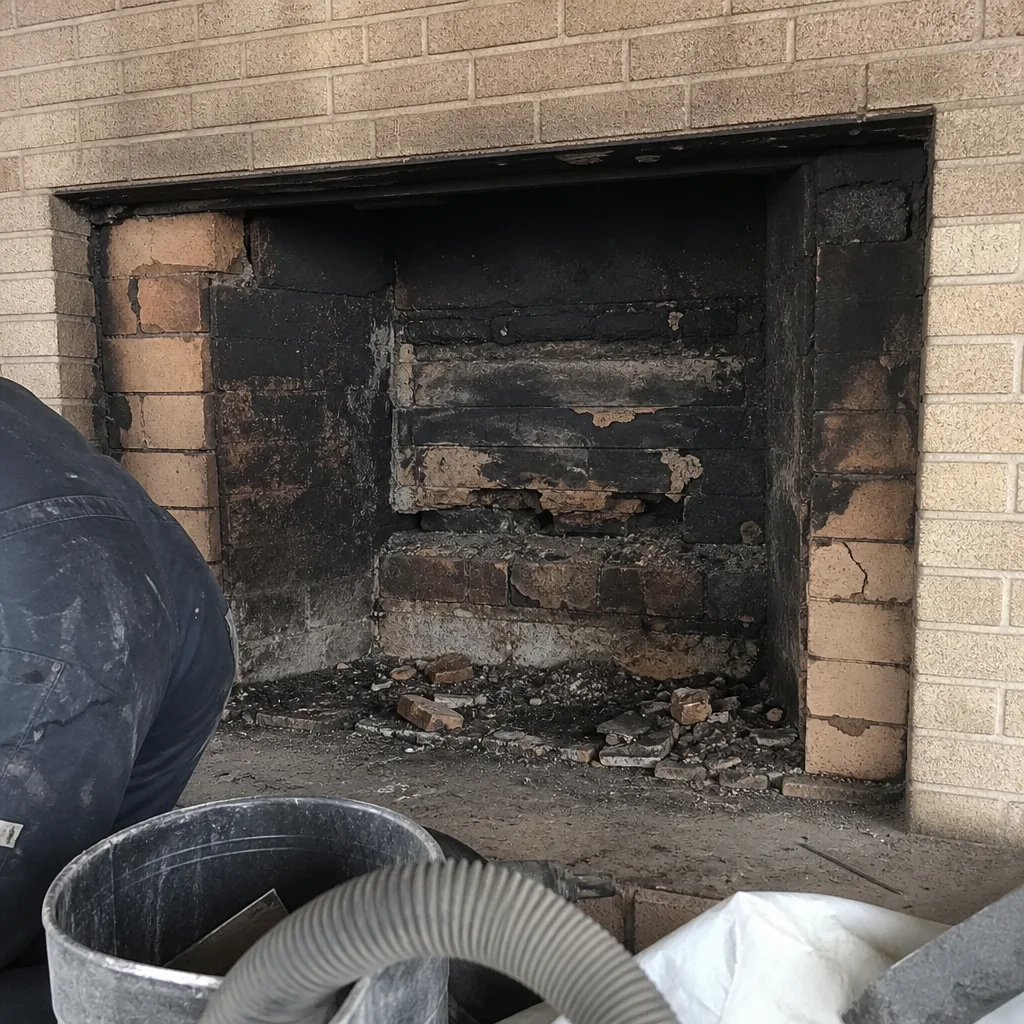 Before
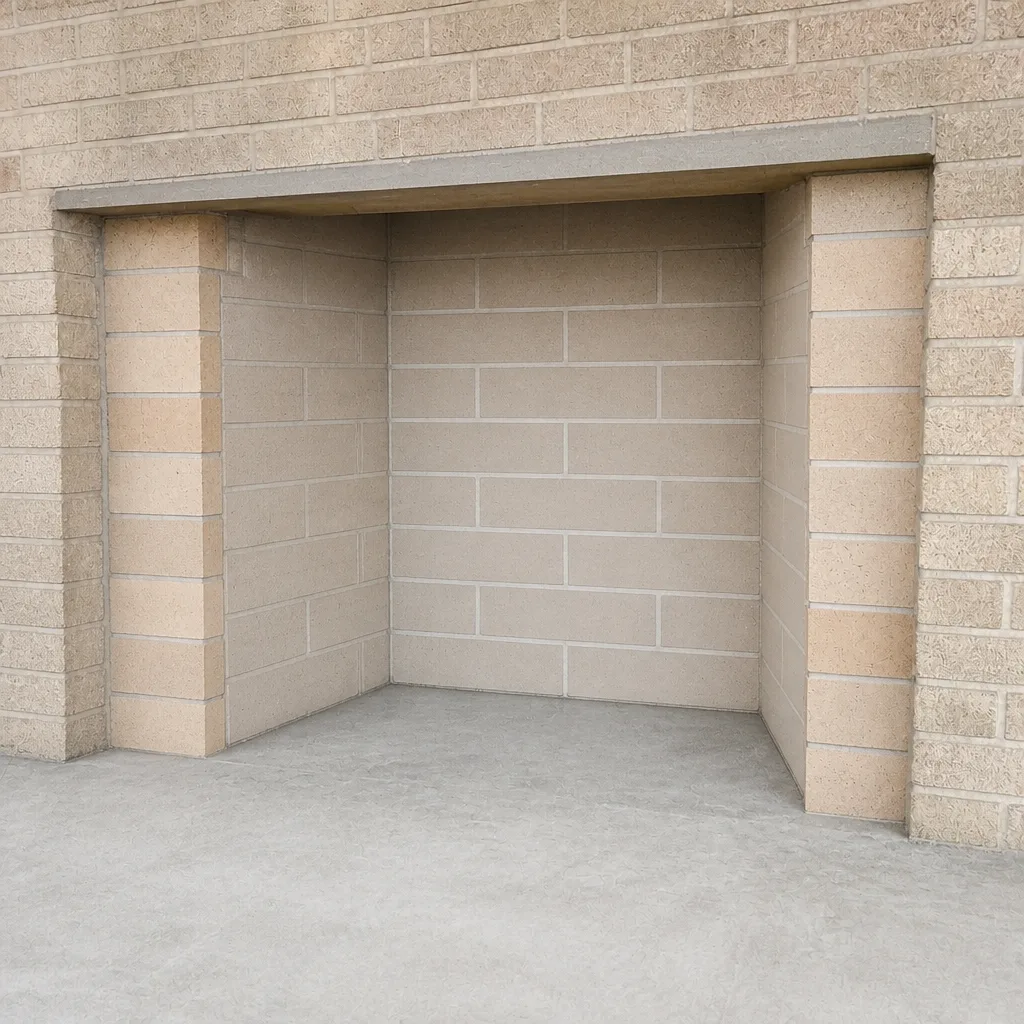 After
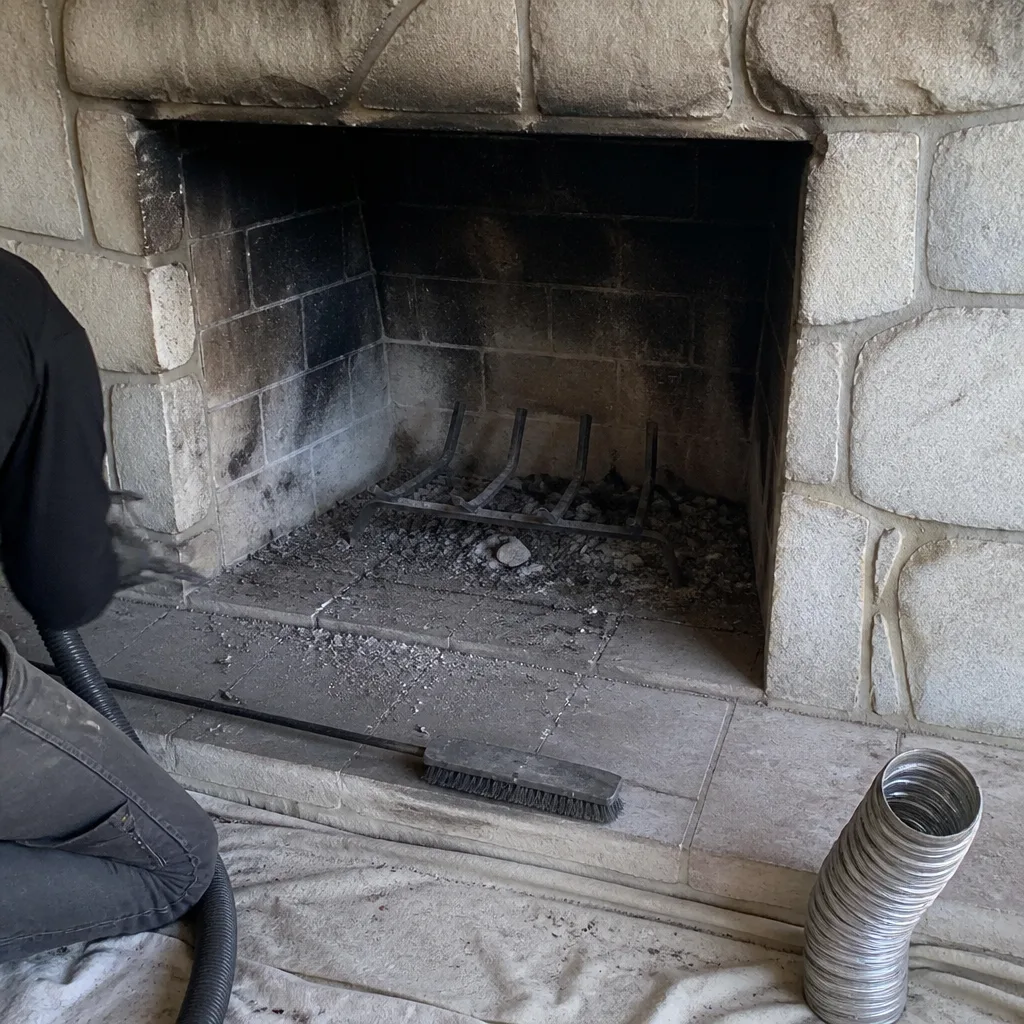 Before
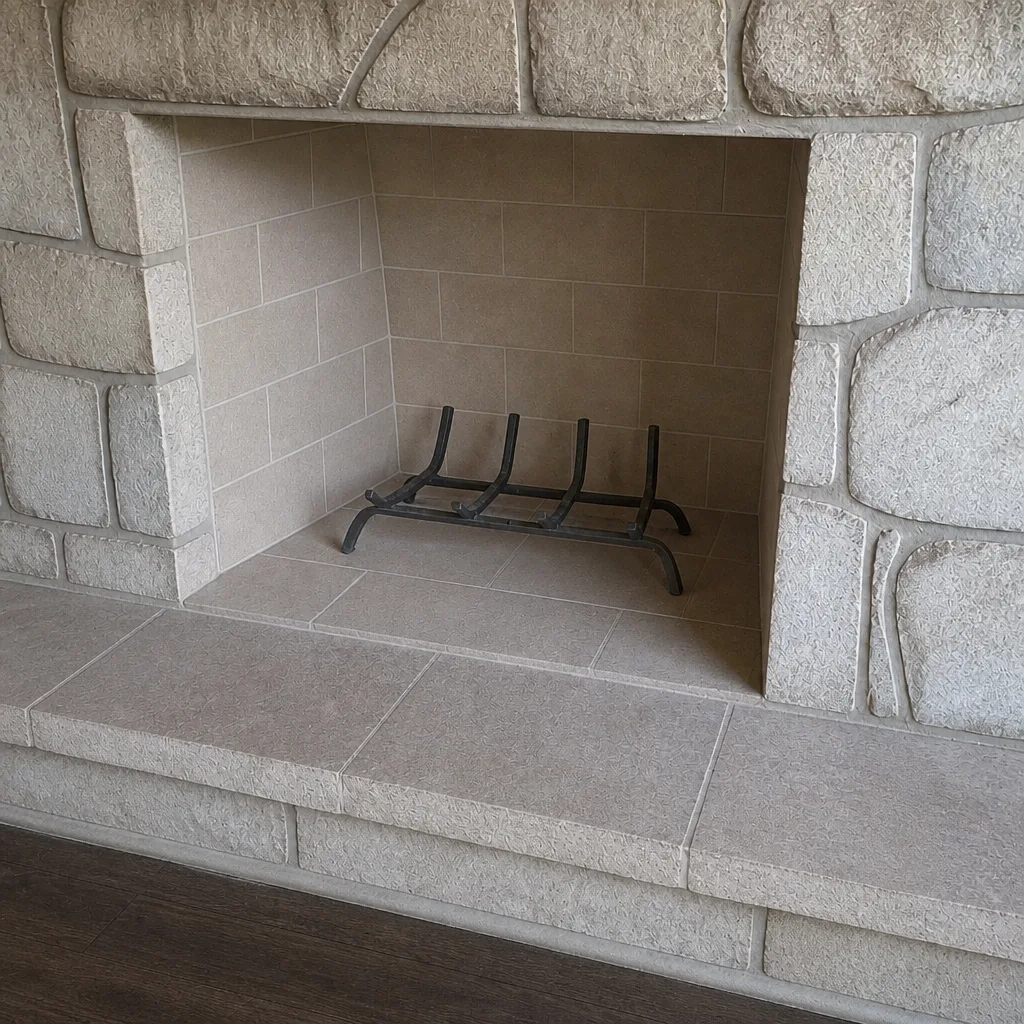 After
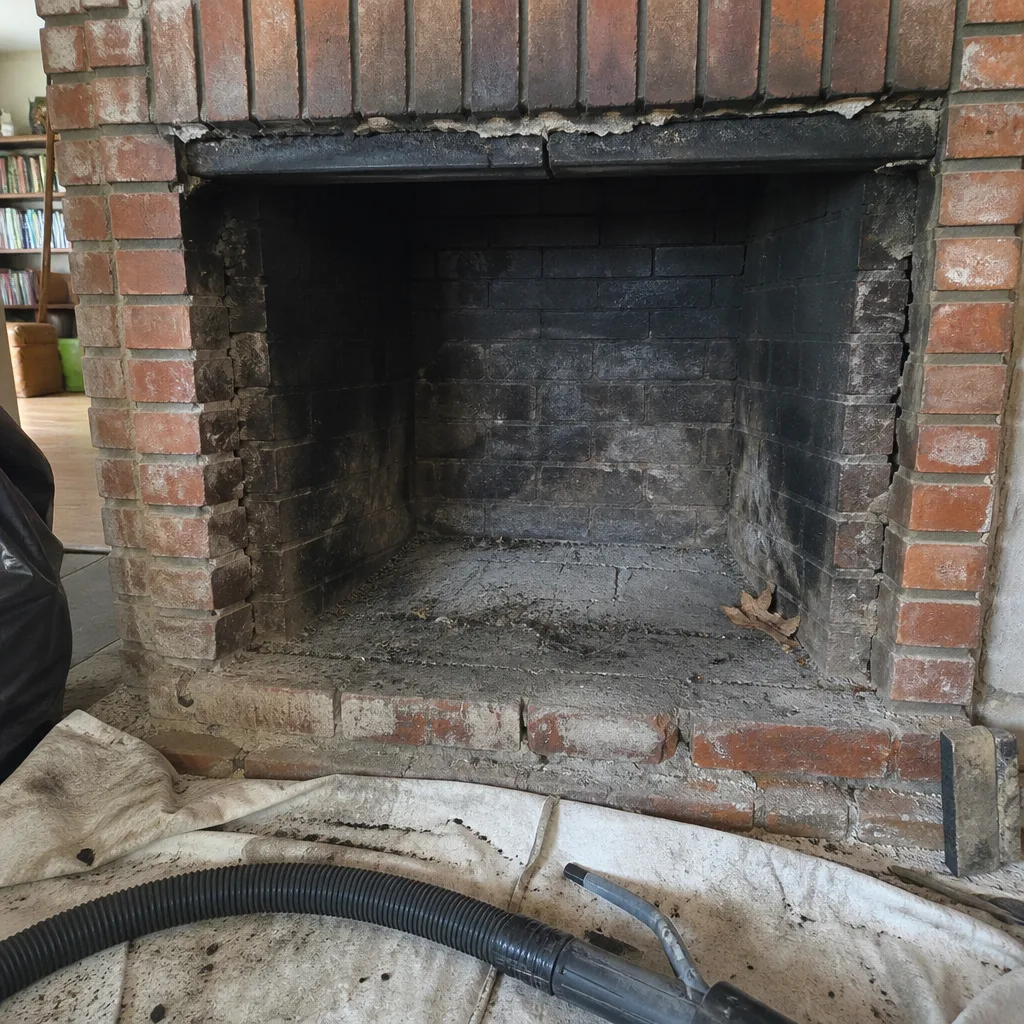 Before
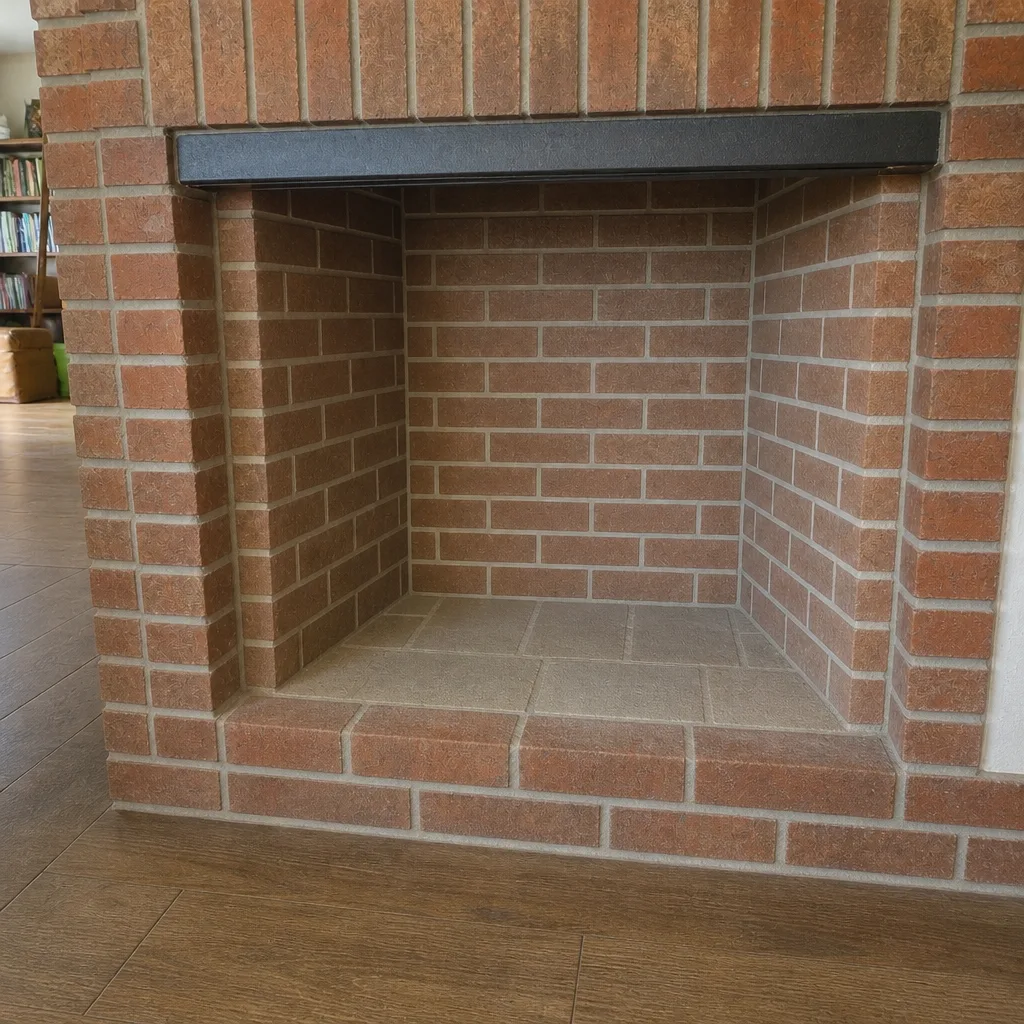 After