
Last updated November 5, 2026
 Sweep & inspection
 Caps & crowns
 Flue relining
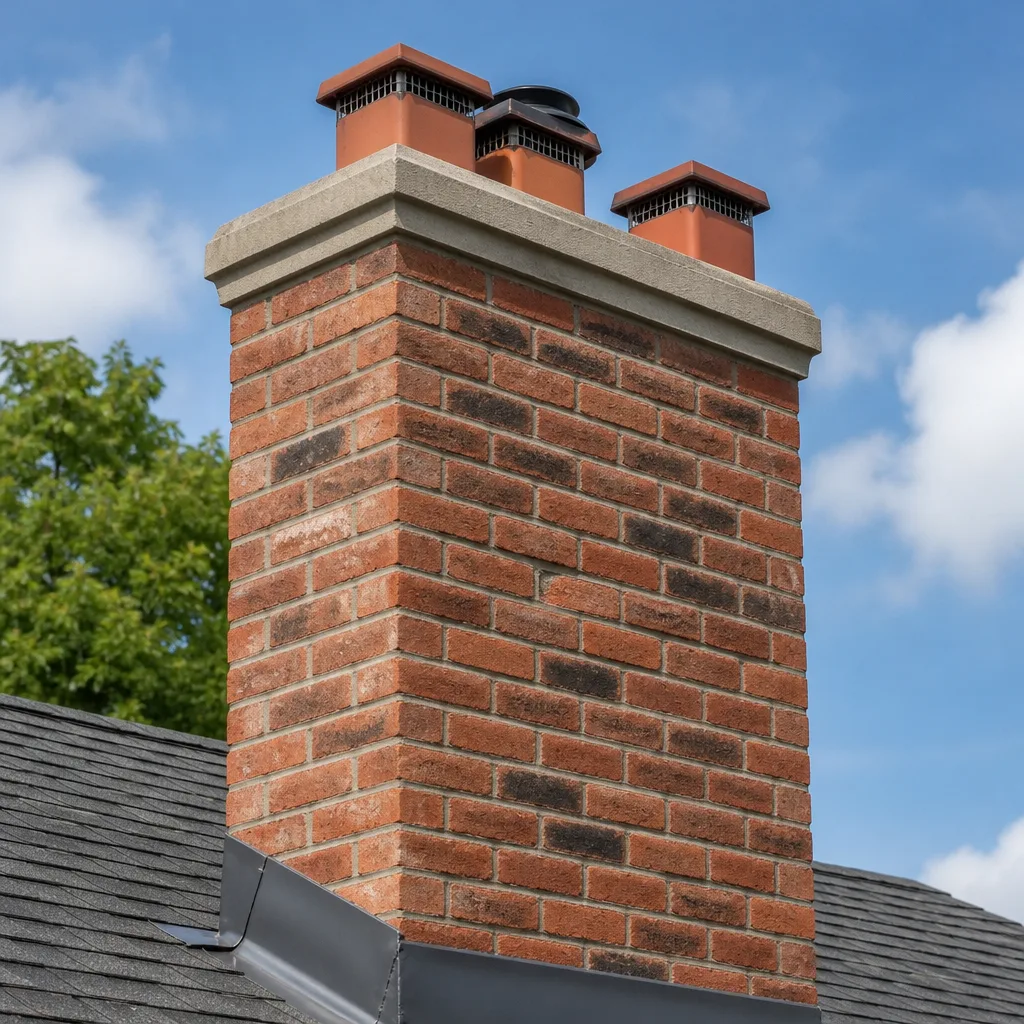 Masonry repair
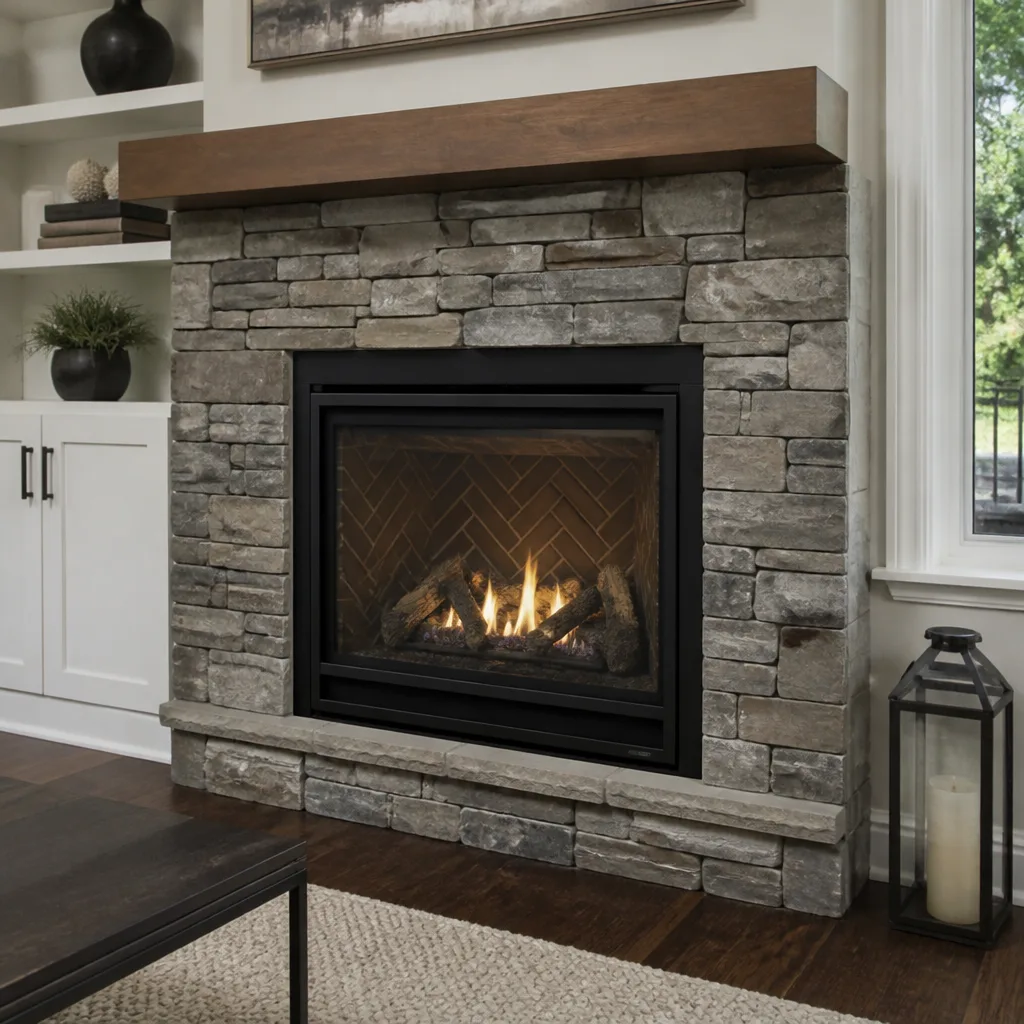 Gas fireplace service
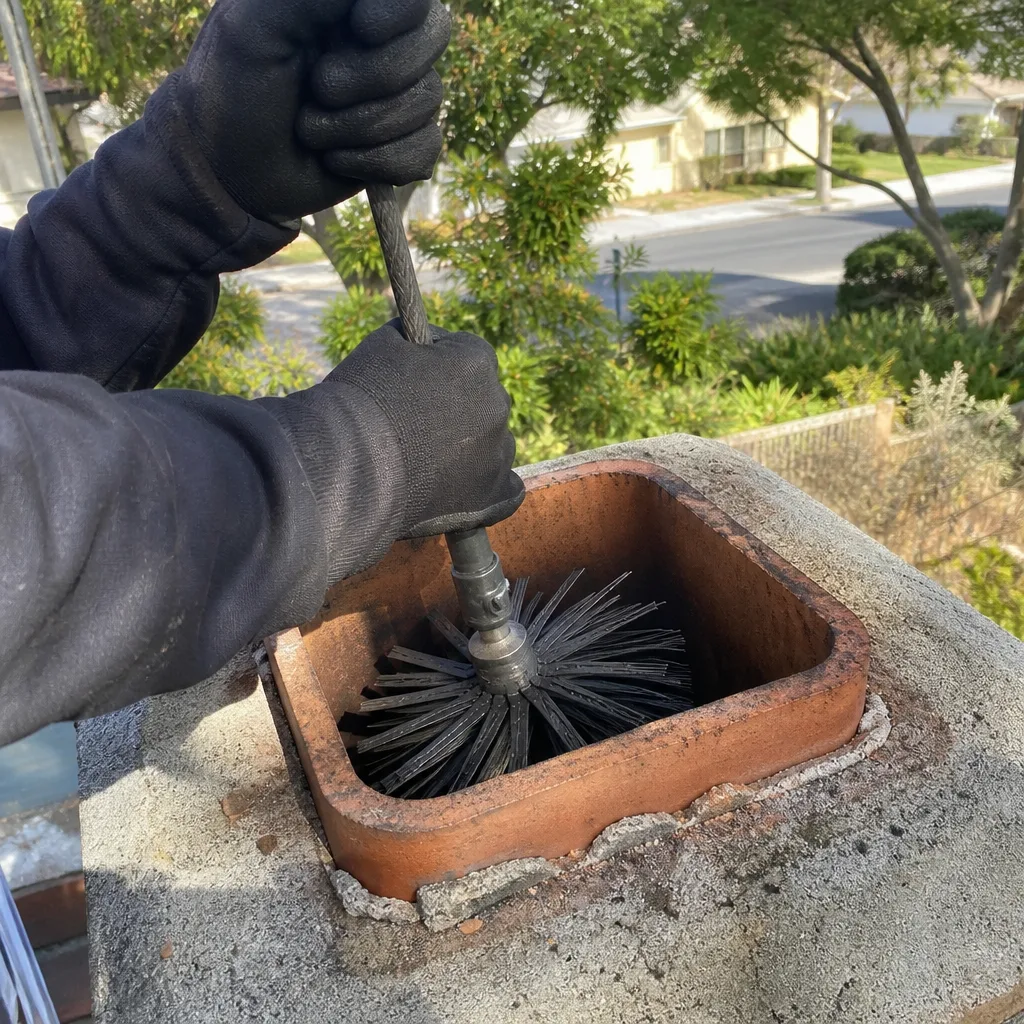
Level 1 sweep and inspection to the NFPA 211 annual standard - flue, crown, cap, and flashing checked and photographed
Chimney sweep logs do not sweep chimneys. They loosen some creosote - which then falls where a brush and vacuum still have to collect it.
Chimney Sweep Maintenance Checklist for La Mesa Homeowners
Most La Mesa homeowners skip the single most important item on any chimney checklist: inspecting the chase cover for UV warping. Our high-elevation sun beats down on galvanized and stainless steel covers year-round, and a warped cover does more than let rain in. During Santa Ana conditions, wind-driven embers can find their way back into the flue through the same gap. This guide walks you through what actually fails on San Diego County chimneys, how to check each point yourself, what requires professional eyes, and how to document everything for your insurance file.
Quick Answer
A complete chimney maintenance checklist for La Mesa homes includes inspecting the chase cover and cap for sun damage and debris, checking mortar joints and flashing for seismic cracks, clearing Santa Ana wind-blown debris from the flue, verifying the spark arrestor is intact before high-wind fire season, and confirming the damper opens and closes fully. We recommend a professional chimney sweep at least once per burning season, plus a visual self-check after any significant earthquake or extended high-wind event.
Styles & brands we work with
- Sweep & inspection
- Caps & crowns
- Flue relining
- Masonry repair
- Gas fireplace service
Table of Contents
- Chase Cover and Cap Inspection
- Santa Ana Wind Preparation
- Seismic Damage Checks for Masonry Chimneys
- Visual Interior Checks You Can Do Safely
- Service Intervals: Prefab vs. Masonry
- Insurance Documentation and Maintenance Logs
- Common Mistakes to Avoid
- When to Call a Professional
Chase Cover and Cap Inspection
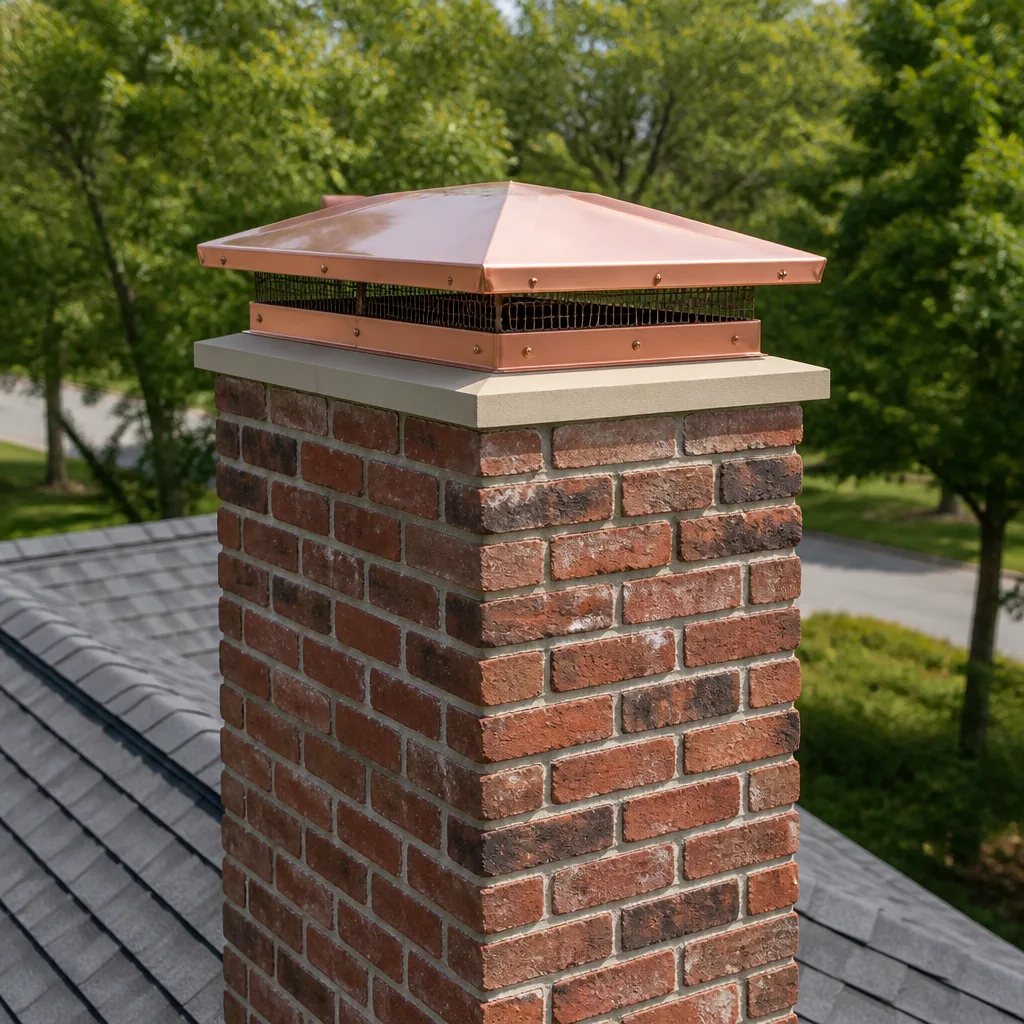
The chase cover is the flat metal lid that seals the top of a prefabricated chimney chase. On most La Mesa homes built after 1980, it’s a galvanized or stainless steel panel sitting over a wood-framed enclosure. The cap sits on top of the flue pipe itself, and its job is keeping rain, animals, and debris out while letting smoke escape. Both components live in direct sun for 300-plus days a year, and UV exposure degrades metal faster than most homeowners expect.
What to check from the ground with binoculars or a zoom camera:
- Warping or oil-canning on the chase cover. If the metal looks wavy or shows visible deflection, it has been heat-cycled and sun-baked enough to lose its original shape. A warped cover pulls away from the chase at the edges.
- Rust staining at screw points or seams. Galvanized covers rust where the coating has worn thin. The rust streaks running down the chase exterior tell you where water is already getting in.
- Cracks in the cap’s mesh or crown. A hairline crack in a masonry crown or a tear in the cap mesh is an entry point for embers. During Santa Ana season, this is a fire hazard, not a cosmetic issue.
- Debris wedged between the cap and chase cover. Eucalyptus bark, palm fronds, and pine needles from local landscaping all end up on rooftops. Anything sitting against the cap restricts airflow and holds moisture against the metal.
If you spot warping from the ground, have the cover replaced before the next burn. A technician can fabricate a new stainless cover to the chase dimensions, and it’s a far cheaper fix than replacing water-damaged framing inside the chase. When we replace covers on La Mesa homes, we use materials sourced from Olympia Chimney because their stainless stock holds up to San Diego sun better than thinner big-box galvanized.
Santa Ana Wind Preparation
Santa Ana winds hit La Mesa with hot, dry air that drops relative humidity into single digits and sustains gusts strong enough to strip loose roofing. For a chimney, these conditions create two problems: wind-driven embers from any nearby ignition source, and wind-driven debris packing into flues that face the prevailing gusts. A chimney that was clean in October can have a flue full of dry leaves by late November.
Before high-wind fire season, run through this sequence:
- Inspect the spark arrestor mesh. California code requires a spark arrestor with openings between 3/8 and 5/8 inch on wood-burning chimneys. If the mesh is torn, dented, or missing a section, replace it. This is not a suggestion; it’s the first line of defense against ember escape.
- Clear the crown and cap area. Remove leaves, bark, and any dead insects or nests sitting around the flue opening. On La Mesa hillsides, eucalyptus bark peels in long strips that catch wind easily and wedge into cap gaps.
- Check the damper seal. A strong Santa Ana creates negative pressure inside the flue. If the throat damper doesn’t seat fully, you’ll feel warm air drafting down into the living room on hot windy days, and smoke will roll back during a fire. Test the damper handle for full open and close range.
- Verify the chase cover is screwed down tight. High winds find loose fasteners quickly. A loose cover rattles at the roof line, and once it shifts, the gap lets in both embers and rain.
We’ve inspected chimneys in La Mesa after Santa Ana events where the flue looked like someone had stuffed it with tumbleweed. The debris was wind-packed, dry as paper, and sitting directly above a warm smoke shelf. A spark reaching that mass is the entire reason the pre-wind checklist exists.
Seismic Damage Checks for Masonry Chimneys
La Mesa sits in earthquake country, and older masonry chimneys are the most vulnerable structural component of any home during shaking. The mortar joints between bricks absorb seismic energy by cracking, spalling, or simply letting go. Even small quakes – magnitude 3 or 4, the kind you feel but don’t report to insurance – can leave hairline cracks that open into water pathways and flue gas leaks within two years. The problem is cumulative, not immediate.
After any noticeable earthquake, check these three zones from the ground and from a ladder if you can access the roof safely:
- Mortar joint hairline cracks. Run your eyes up the visible face of the chimney, following joint lines. A crack wider than a credit card edge anywhere above the roofline means the mortar has failed at that point. It may be cosmetic today, but the same crack lets rain soak the brick, and wet brick erodes faster in our hot-dry-then-rainy seasonal cycles.
- Crown integrity. The crown is the concrete slab that caps the top of a masonry chimney. After shaking, look for a crack running across the crown surface, especially around the flue tile. A crown crack channels water directly into the chimney structure, and once water is inside, any next freeze (rare here, but temperature swings still expand wet mortar) widens it.
- Flashing separation. Where the chimney meets the roof line, check the metal flashing for lifted edges, torn sections, or missing sealant. Shaking breaks the bond between flashing and mortar. A separated flashing lets roof water run straight down the chimney chase, and in La Mesa’s brief but intense winter rain, that means drywall staining and framing rot fast.
If you find cracks in the crown or major mortar separation, have it repaired before the next rain. We can apply HeatShield resurfacing to cracked flue tiles during the same visit, restoring the interior passage without a full rebuild. For the exterior masonry, we assess whether tuckpointing or crown rebuilding is the right scope.
Visual Interior Checks You Can Do Safely
You can assess a lot about your chimney’s interior condition with a flashlight and a fireplace glove. You’re not performing a full inspection – that requires a camera and professional training – but you’re looking for clear red flags that mean a sweep and Level 2 inspection should happen before anything else.
Here’s the safe sequence, and what disqualifies you from continuing:
- Open the damper fully. If it’s stuck, rusted open, or the handle feels loose, stop and call us. A damper that won’t operate is a sign of heat damage or water intrusion, not something you should force.
- Shine a bright flashlight up the flue from the firebox. Look for: a white or gray powdery deposit thicker than 1/8 inch on the flue wall (that’s creosote, and it’s fuel); bricks or tiles that look out of alignment; any light visible through cracks in the flue wall.
- Check the smoke shelf and damper frame. Sweep the light along the shelf above the damper. Debris, animal droppings, or dead leaves sitting there mean the cap or chase cover has a gap somewhere.
- Look at the firebox walls and floor. Hairline cracks in firebrick are normal and not urgent. However, if you can fit a nickel into any crack, or if a brick shifts when you press it, that’s structural. Stop and call.
Anything beyond this – an unknown stain inside the flue, a smell you can’t explain, smoke backing up during your test burn – means you need a camera inspection. Don’t guess at it. We run a camera through every flue we sweep, and you see the footage yourself before we recommend any repair. That transparency is the main thing that separates a legitimate maintenance visit from a sales pitch.
Service Intervals: Prefab vs. Masonry
Not every La Mesa chimney needs the same maintenance schedule. The two most common fireplace types in this area are factory-built prefab metal fireplaces (brands like Heat & Glo and Majestic) and traditional site-built masonry fireplaces. They fail in different ways and need different service intervals.
Factory-built prefab metal fireplaces. The manufacturer’s warranty and installation manual spells out the service schedule, and for most Heat & Glo and Majestic units, that means an inspection after every 40 to 50 fires or once per burning season, whichever comes first. The vent pipe sections are double-wall stainless with an air gap; creosote forms inside the inner pipe and is much harder to see from the firebox. The manual typically requires specific clearance distances and forbids burning anything the unit wasn’t listed for. If you don’t have the manual, the unit’s rating plate (on a metal tag inside the firebox or behind the lower grille) lists the model number you’ll need to look up the exact schedule.
Traditional masonry fireplaces. The National Fire Protection Association standard – the same one most local code enforcement and insurance companies reference – says chimneys should be swept when visible creosote reaches 1/8 inch thick. In practical terms, for a La Mesa homeowner burning seasoned oak in winter and spring, that’s once per year at minimum. A masonry chimney that runs all winter without a sweep builds glaze-grade creosote on the upper flue walls where the smoke cools fastest.
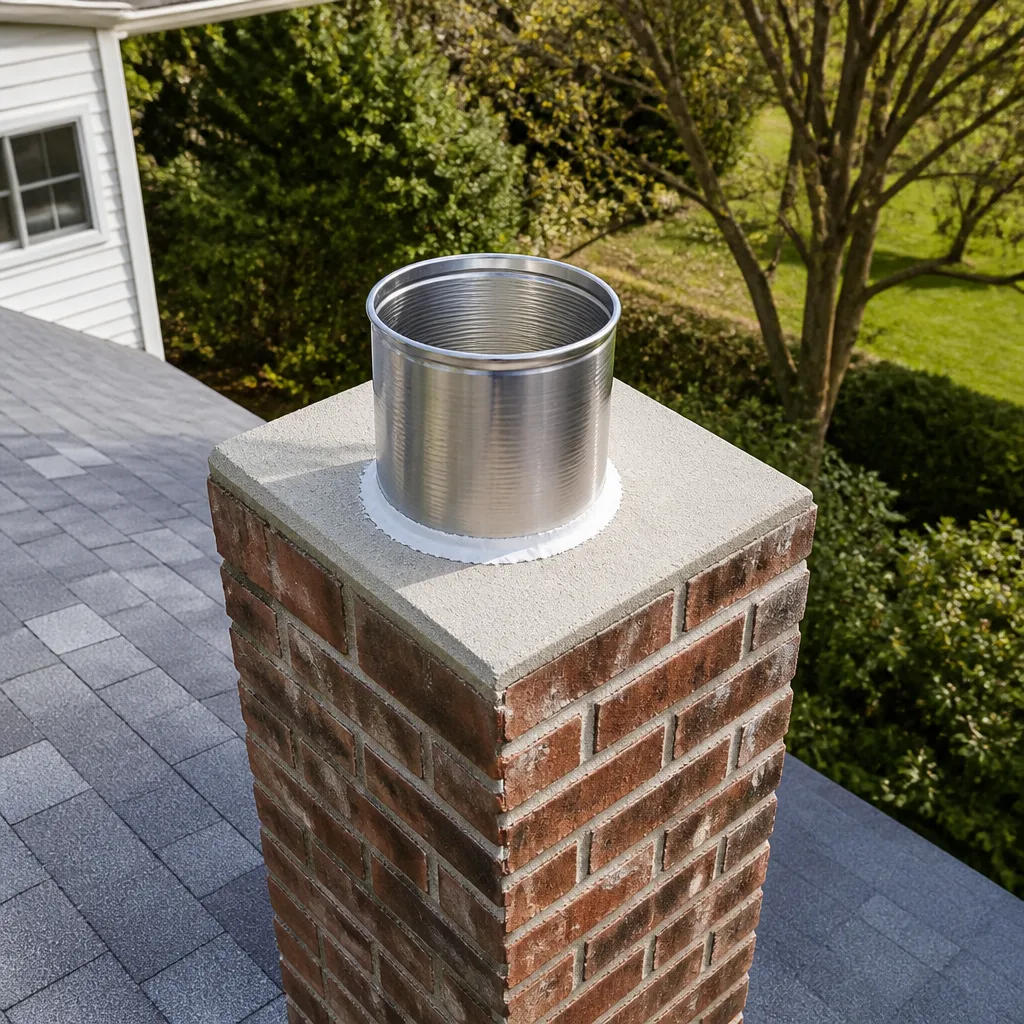
If you’re not sure which type you have: a prefab unit has a metal chimney pipe visible above the roof, usually with a round cap. A masonry chimney is brick or stone all the way up, with a flat concrete crown. Homes built in the La Mesa hills before 1980 are more likely to have masonry; post-1980 tracts lean prefab. We service both, and our techs know the maintenance schedules for the common Heat & Glo and Majestic models installed across San Diego County.
Insurance Documentation and Maintenance Logs
Homeowner’s insurance policies don’t uniformly require chimney sweep documentation, but plenty of carriers ask for proof of maintenance after a chimney fire or water damage claim. What matters is not that you keep a log – it’s that you can show a dated record of professional inspection and cleaning that matches a reasonable maintenance interval for your chimney type.
Here’s how to track it so your file actually holds up:
- Keep the written inspection report from every sweep. A proper sweep report includes the date, the condition findings, any creosote thickness measurements, and photos from the interior camera if available. This is what an adjuster wants to see, not a handwritten note.
- Log your own visual checks between service visits. A simple notebook entry with the date and what you saw (or a photo on your phone) shows you weren’t negligent. If you did a Santa Ana pre-check and cleared debris, write it down.
- Save receipts for any repair work. A replaced chase cover, tuckpointing, crown repair, or HeatShield resurfacing should all have a dated invoice. If you later file for water damage, that invoice proves the chimney wasn’t neglected.
- Note which fireplace gets which fuel. If you burn oak only, write it down. If you sometimes burn pine or construction lumber, stop doing that – it creates faster creosote buildup – and note the switch back to hardwoods.
If you’re listing your home for sale, this same log becomes part of your disclosure file. A chimney with a maintenance history sells faster in La Mesa than one with an unknown interior, especially to buyers from out of state who’ve never dealt with a fireplace before. We can walk you through what a complete record looks like during our Chimney Cleaning La Mesa service visit.
Common Mistakes to Avoid
- Assuming a clean-looking firebox means a clean flue. The firebox gets hot enough to burn off deposits near the bottom, while the upper flue stays cooler and collects creosote. You can’t see the most dangerous part of your chimney from the hearth.
- Skipping the spark arrestor because “the cap looks fine.” La Mesa homes near open space or canyon ridges sit close to tinder-dry vegetation in Santa Ana season. A torn spark arrestor is a fire risk your neighbors don’t need you to take.
- Burning pine because it’s cheap and available. Pine produces a high resin content and forms creosote faster than oak. If you must burn pine, plan for more frequent sweeping, not the same annual schedule.
- Ignoring mortar cracks because “it’s a small crack.” Every crack in La Mesa’s heat-dry-rain cycle gets a little wider each season. The mortar crack you see from the yard is a water entry point you’ll pay much more to fix after a wet winter.
- Putting off a prefab fireplace inspection because it “seems fine.” A Heat & Glo or Majestic unit can hide a restricted vent pipe behind its firebox with almost no visible warning until smoke backs up or the burn becomes inefficient. The manufacturer’s schedule exists for a reason.
- Assuming the previous owner had it swept. In a hot real estate market, chimneys often drop off the inspection list entirely. If you just bought a home in La Mesa, get a camera inspection on the flue before your first fire, regardless of what the disclosure said.
- Using a general handyman for chimney work. A chimney sweep is a specialized trade, especially for liner and chase cover work. We use Gelco chimney products and DuraFlex liner systems, materials a general contractor typically can’t source, and the difference shows in how the repair ages.
When to Call a Professional
Call us if any of these apply: you see creosote thicker than 1/8 inch inside the flue, your fire smokes back into the room, the damper won’t operate, you find animals or significant debris in the flue, there are visible cracks in the masonry crown or mortar joints, the chase cover is warped or rusted, or you haven’t had a camera inspection in over two years. Also call if you notice your dryer vent cleaning situation has been ignored for years – lint-clogged vents and chimney flues share the same roof, and we handle both in one visit. La Mesa homeowners with older masonry chimneys should especially prioritize an inspection after any seismic activity. Chimney Cleaning La Mesa offers free estimates in La Mesa – call (833) 593-6651. We answer 24/7. Fast dispatch from 7am to 7pm, Sunday through Friday.
See the difference
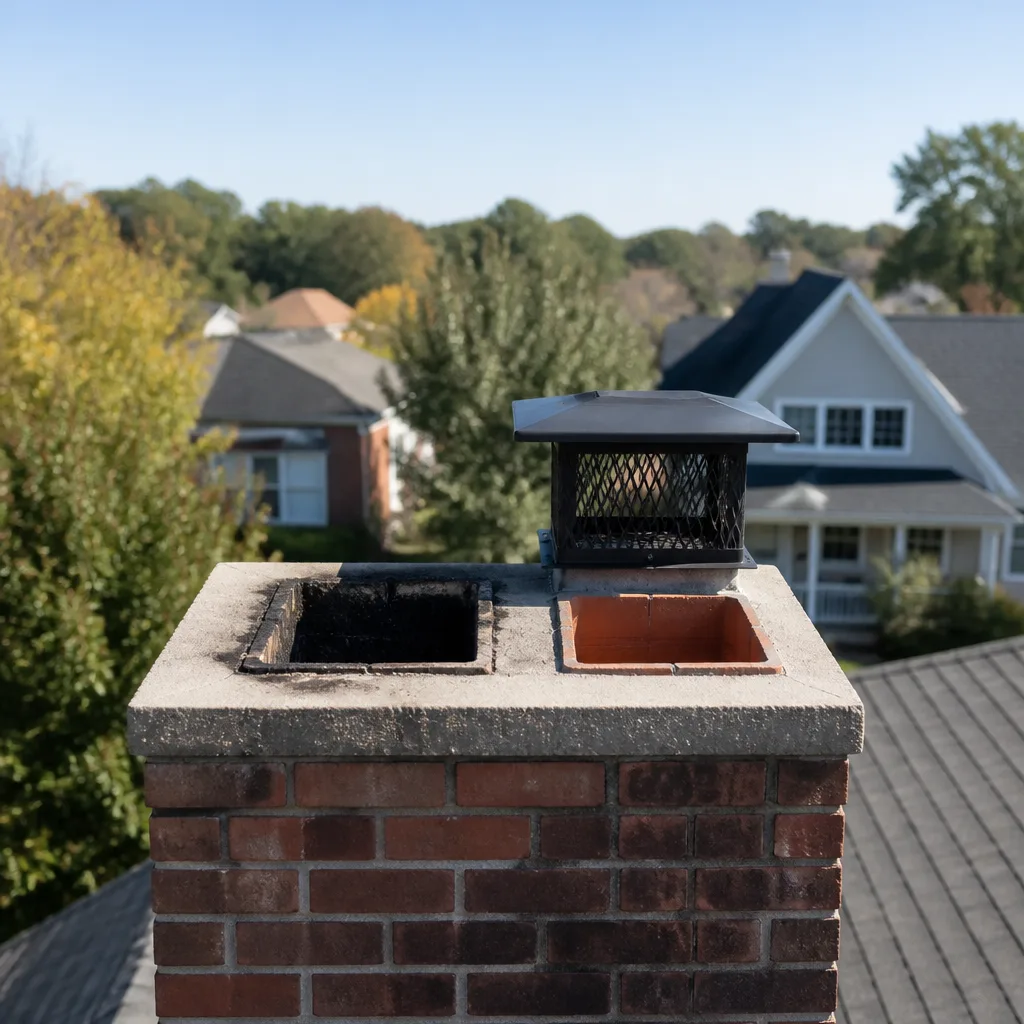
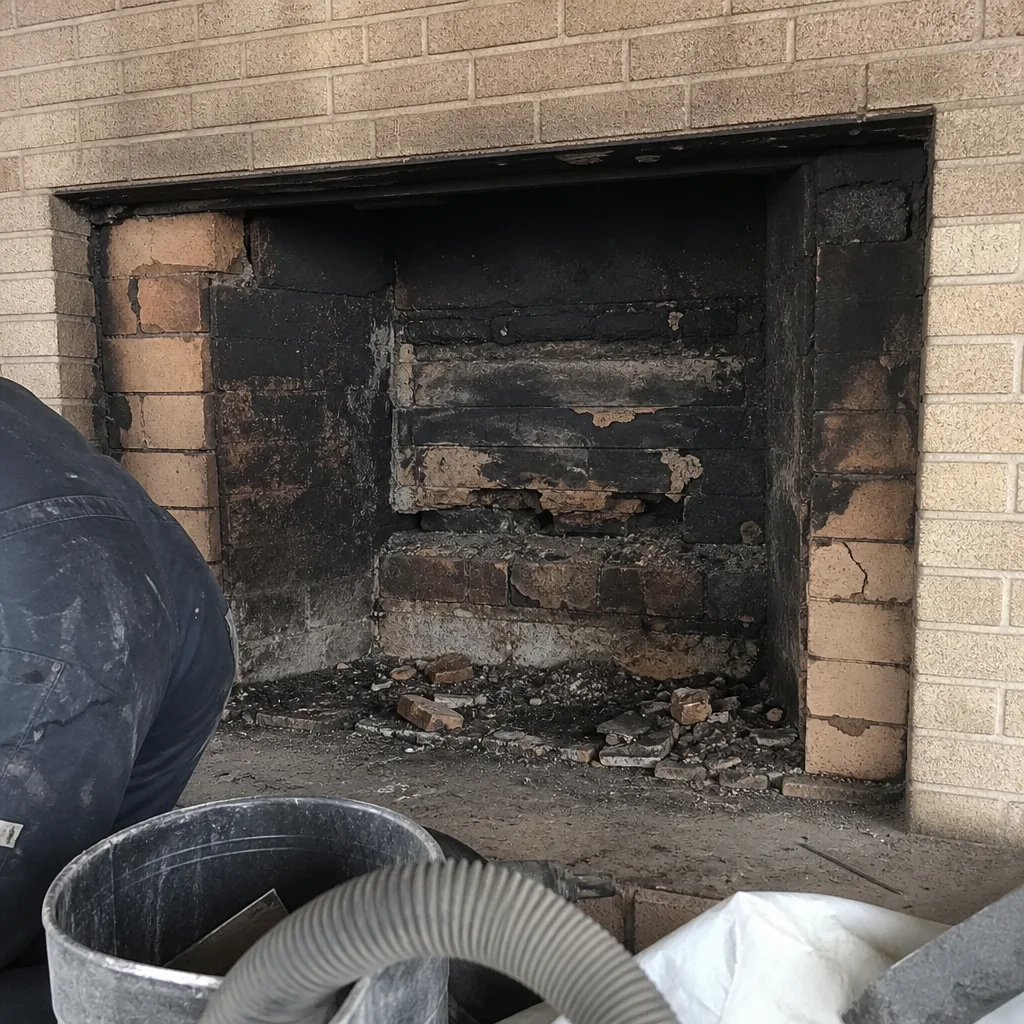 Before
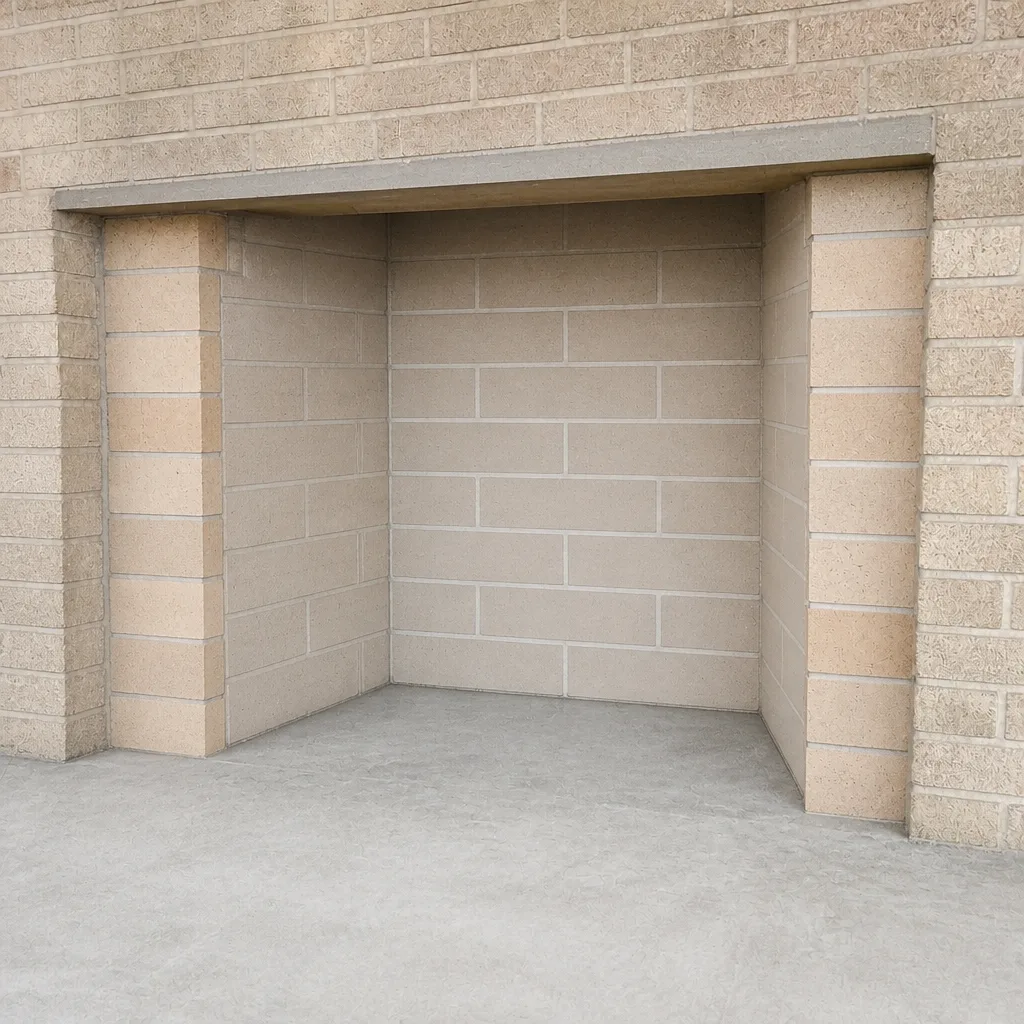 After
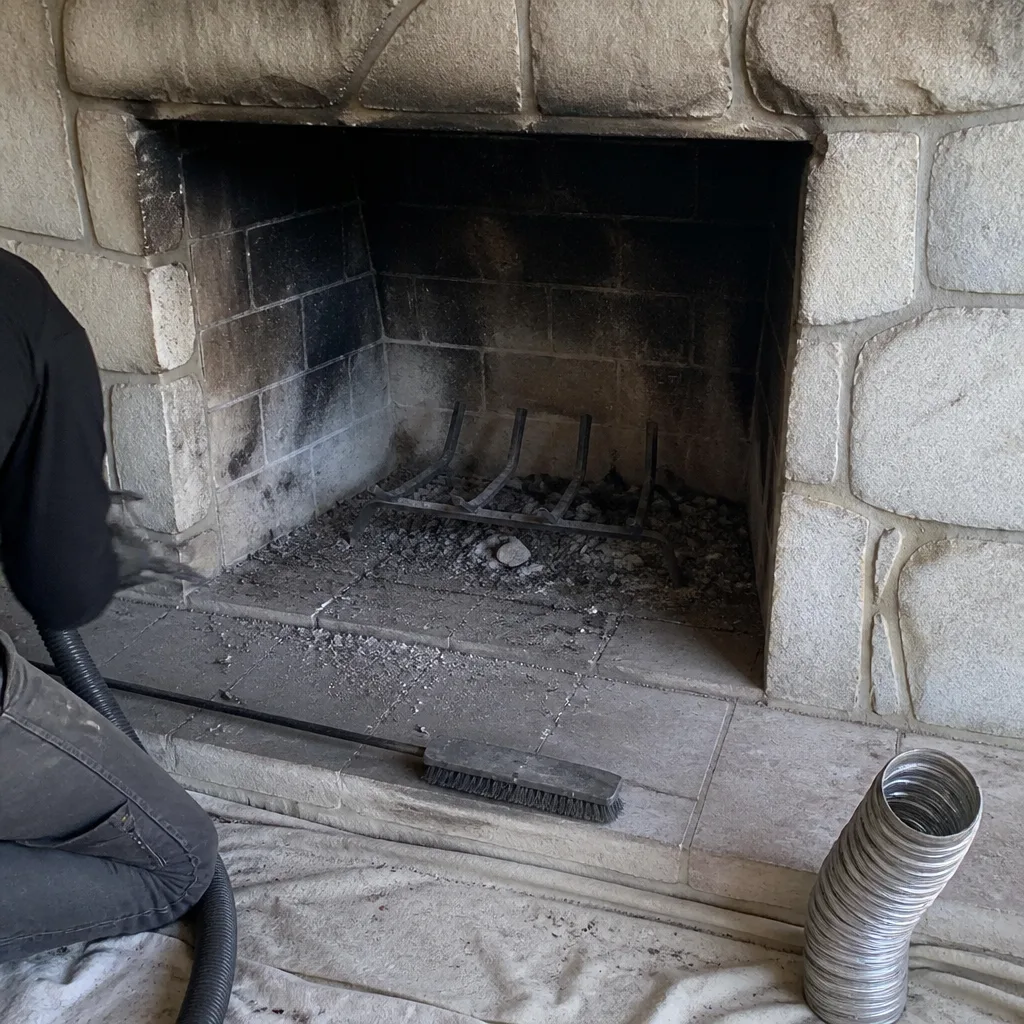 Before
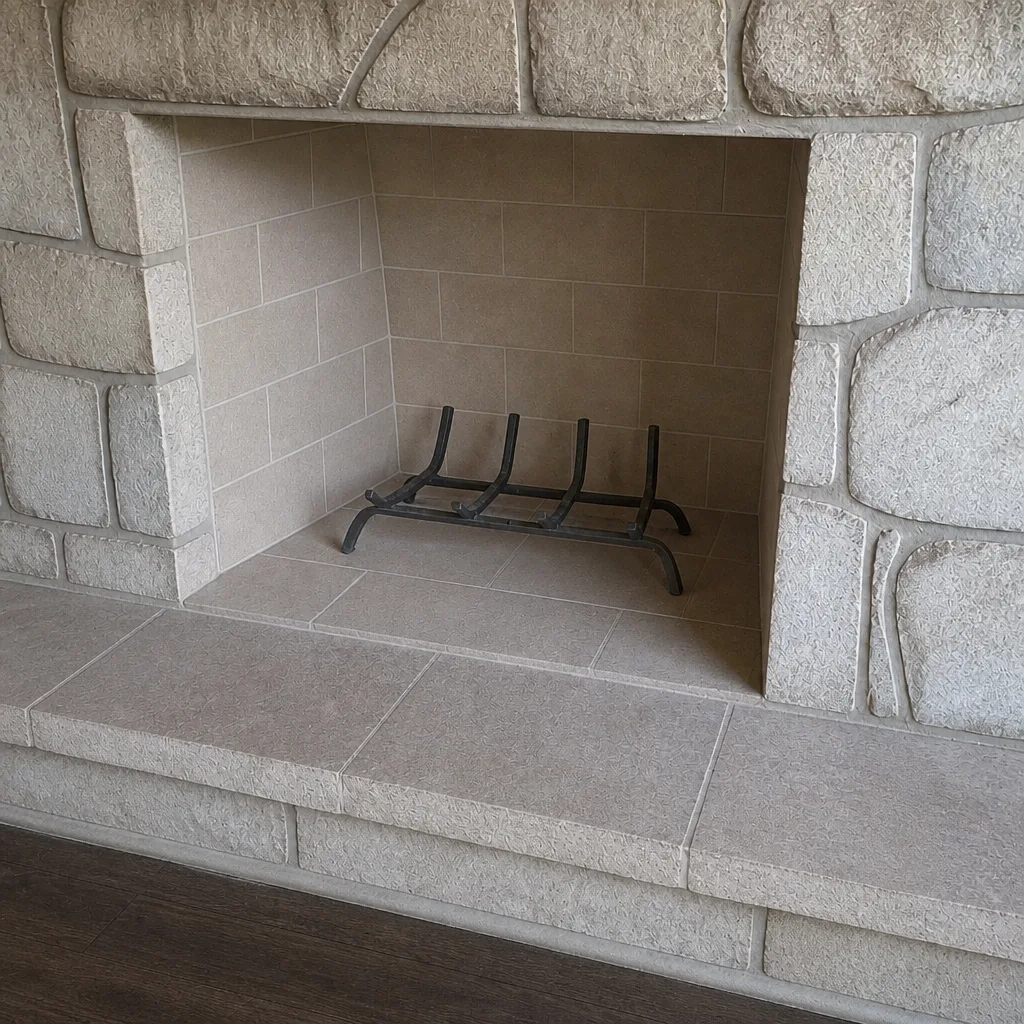 After
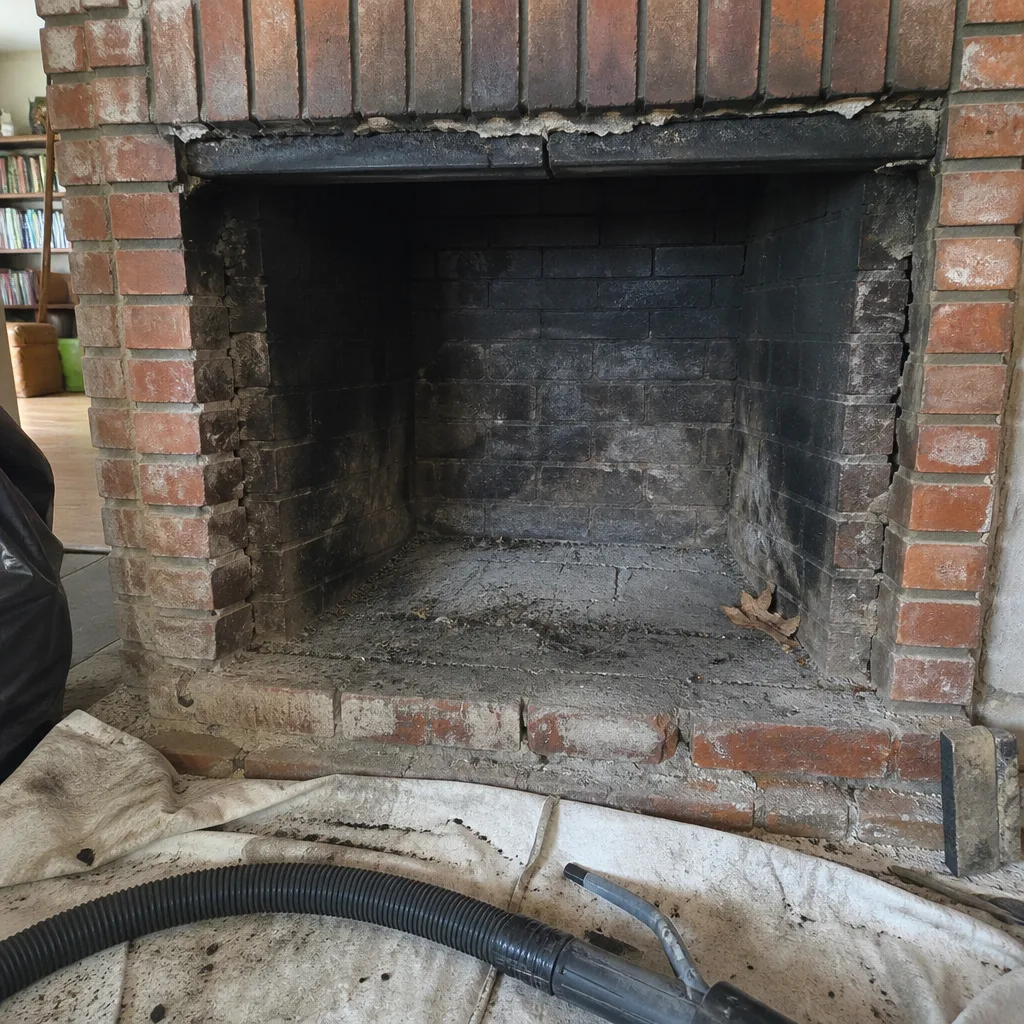 Before
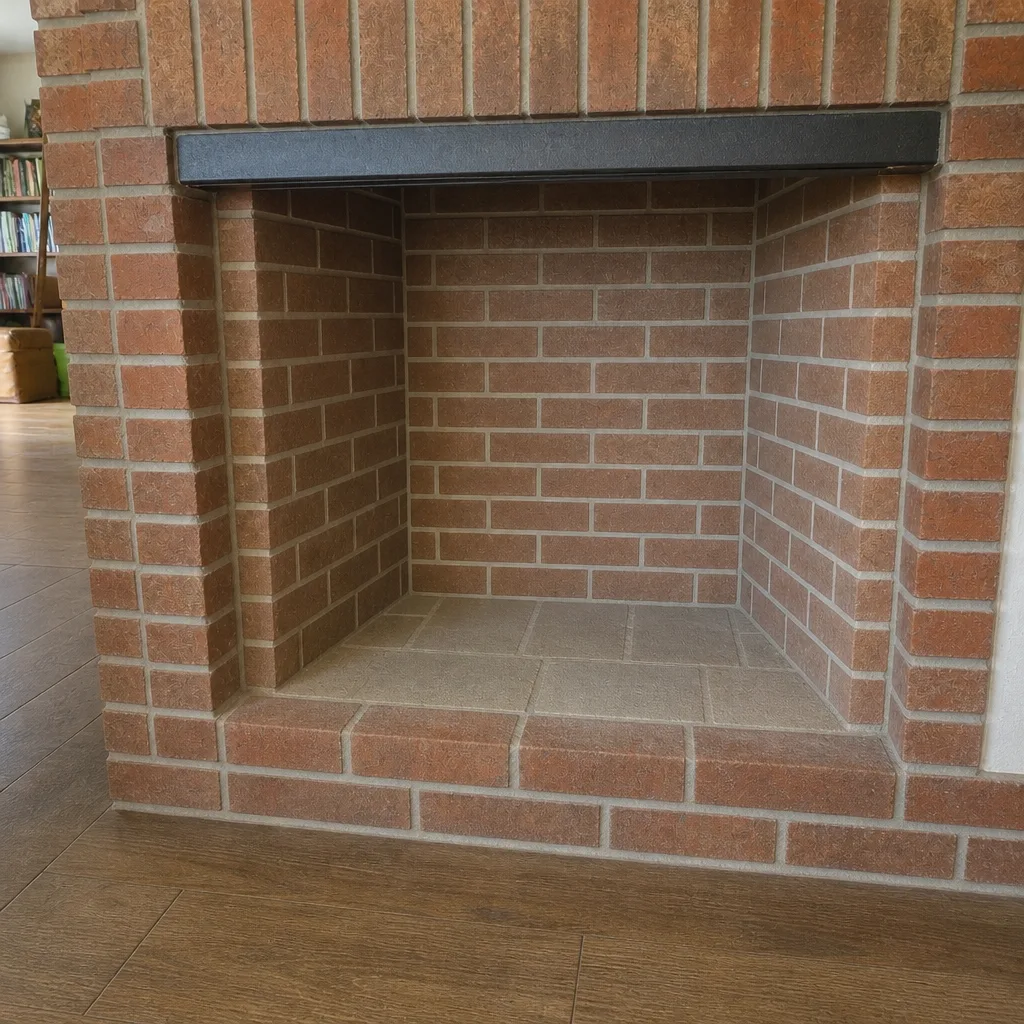 After
Frequently Asked Questions
For a wood-burning masonry chimney in La Mesa, once per burning season is the minimum, and more often if you burn pine or leave the damper open frequently. Factory-built prefab fireplaces (Heat & Glo, Majestic) follow a manufacturer-recommended interval, typically after every 40 to 50 burns or once per year, whichever comes first. The fire risk of skipping a season is high; creosote builds quickly in our dry Santa Ana conditions. Call (833) 593-6651 to schedule a sweep – estimates are free.
A chimney sweep removes creosote and debris from the full flue length using rotary brushes and rods, then vacuums the firebox, smoke shelf, and damper area. We follow that with a camera inspection of the interior flue walls and a visual check of the cap, crown, flashing, and chase cover. Any findings get reported to you with the footage, and if we find damage, we discuss repair scope only after you’ve seen the evidence.
Yes, wood-burning chimneys in California must have a spark arrestor with openings sized between 3/8 and 5/8 inch at the flue termination point. If your spark arrestor is missing, torn, or has holes larger than 5/8 inch across, replace it before your next burn. This is both a code requirement and a practical fire safety measure relevant to La Mesa’s proximity to canyon and hillside vegetation.
You can perform a basic visual check of the firebox, damper, and lower flue with a flashlight, and you can inspect the cap and chase cover from the ground with binoculars. However, you cannot see the upper flue interior or assess creosote thickness without a professional camera system. If your self-check reveals any of the red flags in this guide – stuck damper, visible flue cracks, smoke in the room, or unusual debris – call for a professional inspection before using the fireplace.
A standard chimney sweep in La Mesa typically runs between $180 and $350, depending on the flue height, the amount of creosote, and whether the cap requires cleaning or minor adjustment. If we find liner damage that needs HeatShield resurfacing or a full DuraFlex reline, we’ll show you the camera footage and provide a written estimate before proceeding. Call (833) 593-6651 for a free quote – the written estimate sets the final price.
Not always. A cracked flue tile is a genuine safety problem because it allows heat and combustion gases to leak through the chimney structure, but the fix isn’t automatically a full relining. HeatShield resurfacing can repair cracked tiles in many cases, restoring a continuous, sealed flue passage for less cost than removing the old tiles and installing a new liner system. If the damage is too extensive or the chimney has complex offsets, a DuraFlex flexible liner may be the right solution. We evaluate each case on camera evidence, not a preset upsell.
The Bottom Line
A La Mesa chimney faces three recurring threats: UV-degraded metal at the top, seismic stress in the masonry, and Santa Ana wind debris packing the flue. The maintenance checklist that matters most for this climate starts with the chase cover and spark arrestor, then works downward through mortar joints, damper function, and interior creosote. Track everything in a dated log, keep your receipts, and schedule a professional sweep once per burning season at minimum. If you’ve been checking off a generic maintenance list from a home improvement site, it’s time to replace it with one built for how chimneys actually fail in San Diego County. Call (833) 593-6651 for a free estimate. We answer 24/7. Fast dispatch from 7am to 7pm, Sunday through Friday.
Written by the team at Chimney Cleaning La Mesa, serving La Mesa since 2013.