
Last updated November 4, 2026
 Sweep & inspection
 Caps & crowns
 Flue relining
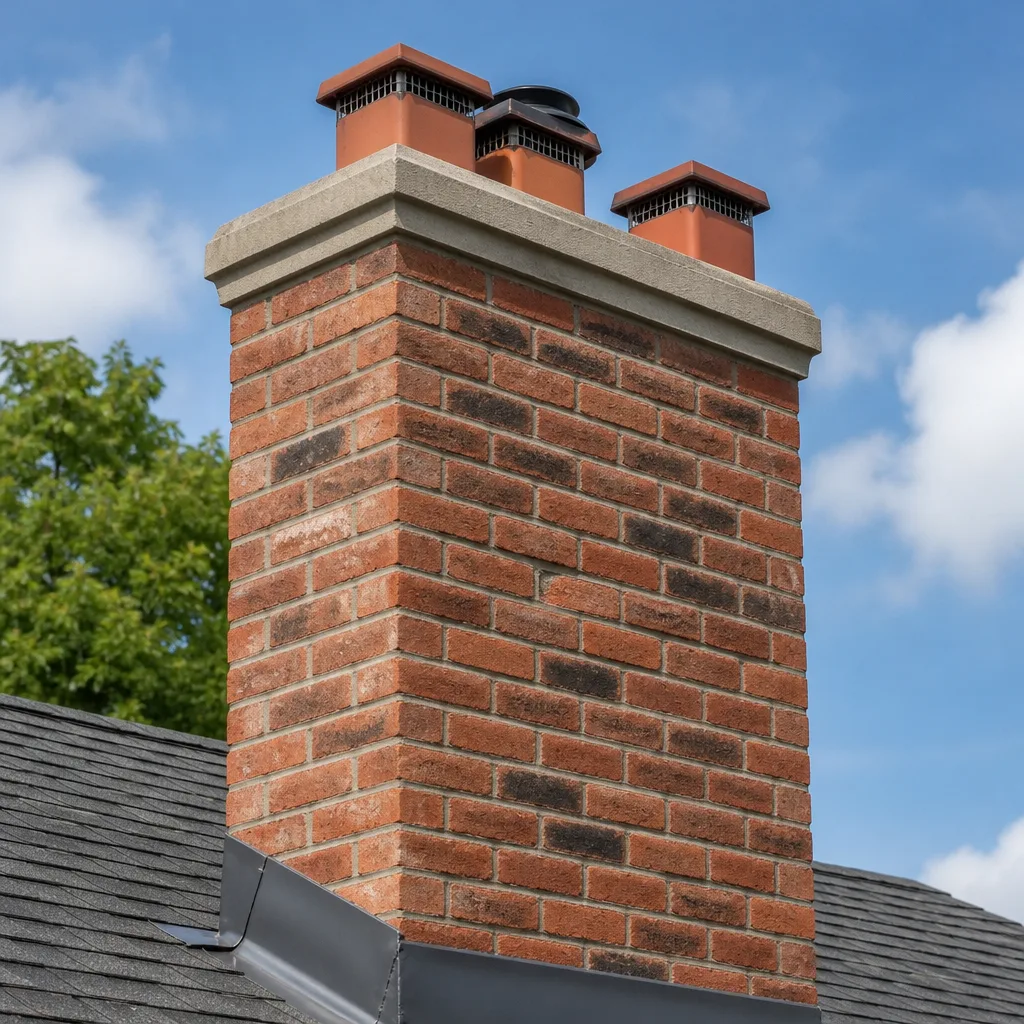 Masonry repair
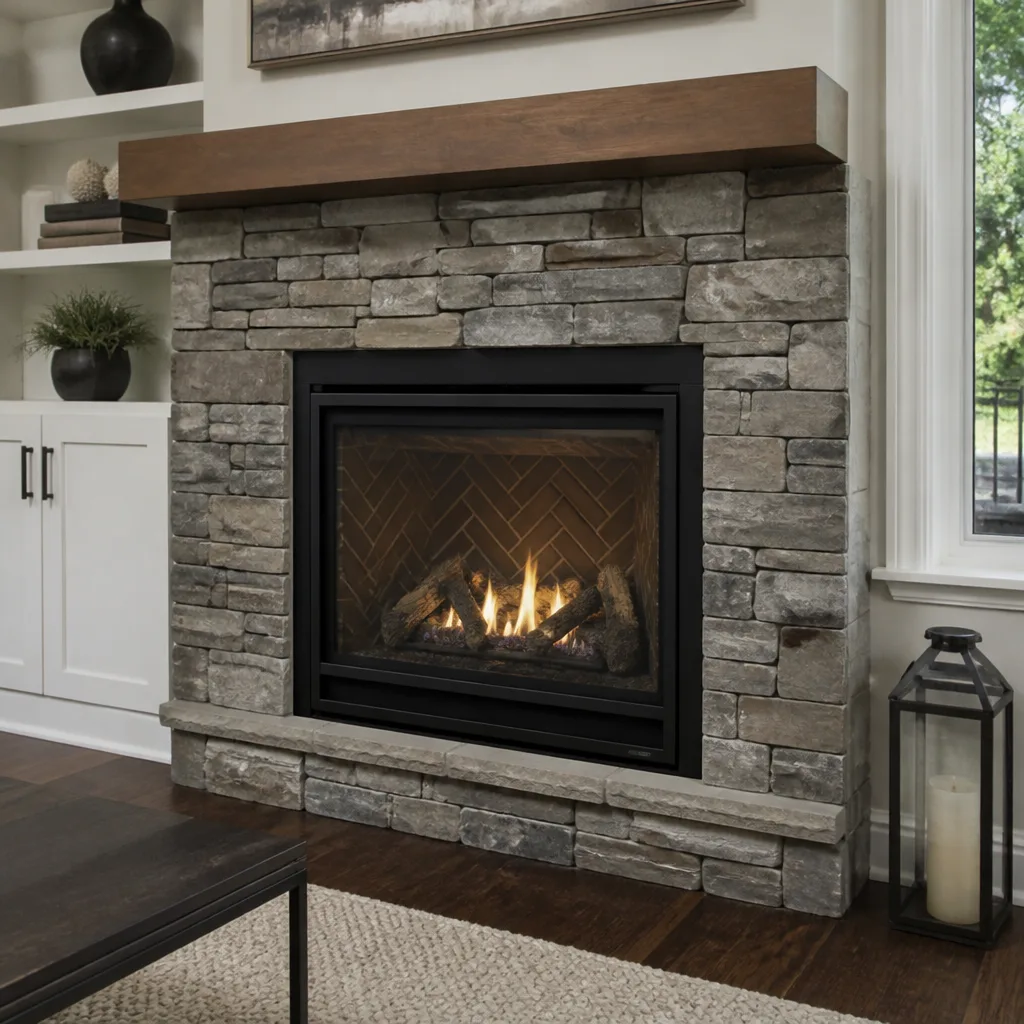 Gas fireplace service
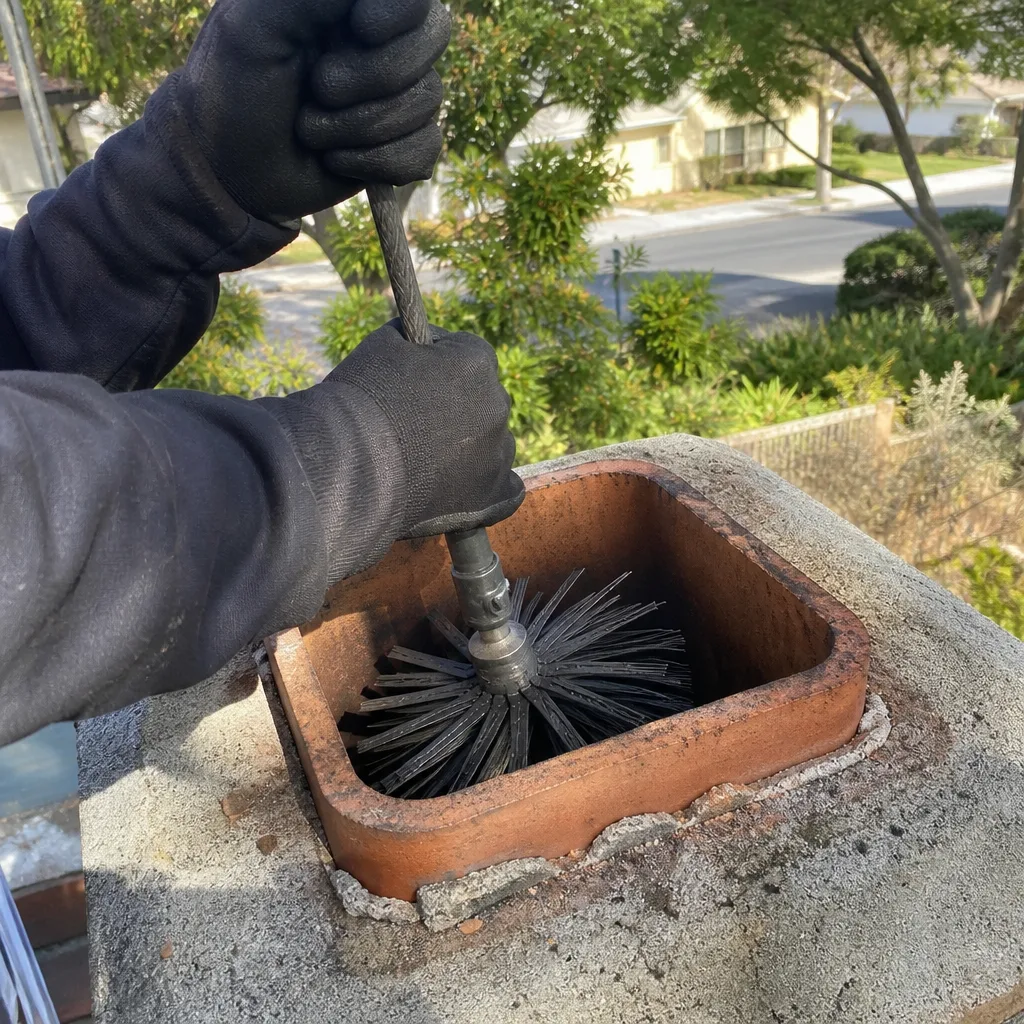
Level 1 sweep and inspection to the NFPA 211 annual standard - flue, crown, cap, and flashing checked and photographed
Chimney sweep logs do not sweep chimneys. They loosen some creosote - which then falls where a brush and vacuum still have to collect it.
Chimney Sweep Troubleshooting in La Mesa: Common Problems and How to Fix Them
Smoke backing into your living room isn’t always a dirty flue. In La Mesa’s mild climate, where fireplaces sit unused from March through November, the more likely culprit is a cold, depressurized flue that has been idle since last February. Sweeping it won’t fix that. Most chimney problems homeowners blame on “needing a sweep” are actually diagnostic red flags for specific structural or draft failures. This guide decodes the symptoms La Mesa chimneys show most often, so you can tell the difference between a $200 cleaning and a $2,000 liner issue before you pay for the wrong fix.
Quick Answer
Chimney problems in La Mesa generally fall into two categories: creosote buildup (a fuel problem) and draft or pressure failure (a ventilation problem). Smoke backing into the room on a mild day usually points to draft failure, not a dirty flue. Black, shiny residue on the flue walls points to creosote buildup. A chimney sweep with a camera inspection can tell you which one you’re dealing with in a single visit, and the fix for one is not the fix for the other.
Styles & brands we work with
- Sweep & inspection
- Caps & crowns
- Flue relining
- Masonry repair
- Gas fireplace service
Table of Contents
- Creosote Buildup vs. Draft Failure: Two Different Problems
- Why La Mesa’s Low-Fire-Use Season Changes the Diagnostics
- Smoke Backing Into the Room: The Cold-Flue Downdraft
- Efflorescence and Spalling on Stucco Chimneys
- Animal Intrusion: Sounds, Odors, and Debris
- Visual Inspection vs. Level 2 Camera Scan: When Each Is Enough
- Step-by-Step: Troubleshooting a Smoky Fireplace
- Liner Damage: When a Sweep Reveals Something Bigger
Creosote Buildup vs. Draft Failure: Two Different Problems
The first diagnostic split in chimney troubleshooting is this: is the problem fuel residue or air movement? They produce overlapping symptoms but require completely different fixes. A homeowner who conflates the two often pays for a sweep when the real issue is a liner or cap problem, or vice versa.
Creosote buildup is a combustion byproduct. When wood smoke cools too quickly inside the flue, the unburned particles condense on the flue walls. Over time this forms a sticky, tar-like layer that can be brown, black, or shiny and glazed. The symptoms of heavy creosote are usually a fireplace that seems to work fine but has a strong, acrid odor when not in use, reduced draft that gets worse over months, and dark, flaking debris falling into the firebox after a storm or a windy day.
Draft failure is an air-pressure problem. The chimney is, at its core, a column of air that needs to rise. If the air inside the flue is colder than the air in the room, or if the house is sealed tightly and competing exhaust fans are pulling air down the flue, smoke has nowhere to go but back into the living room. The symptoms are immediate and situational: smoke only on mild days, smoke when the kitchen exhaust fan runs, smoke for the first ten minutes of a fire that then clears.
Here’s the practical distinction:
- Creosote symptoms build gradually over months and are present even when the fireplace is cold. The smell is oily or smoky.
- Draft failure symptoms appear suddenly, are tied to weather or house conditions, and often vanish once a fire gets hot or a window opens.
A professional chimney sweep checks both in the same visit. The sweep itself removes the fuel load. A draft test and visual check of the cap, damper, and flue path then isolates the air-pressure issue. In our experience, La Mesa homes with original 1960s and 1970s fireplaces show both problems at once more often than either one alone.
Why La Mesa’s Low-Fire-Use Season Changes the Diagnostics
La Mesa gets cold enough for fires maybe thirty or forty nights a year, nearly all of them between December and February. The rest of the year, the fireplace sits unused. That long idle stretch changes what goes wrong and how it presents.
When a fireplace is used regularly through a cold winter, creosote deposits tend to be dry and flaky, the kind that sweep out easily. But in La Mesa, where fires are sporadic and the flue stays cool between uses, the creosote that forms is often the glazed, tar-like variety. It forms because the smoke cools fast in a flue that never retains heat from consistent use. Glazed creosote is harder to remove, more flammable, and gives off a stronger odor in warm weather. A homeowner might light their first fire in November and immediately notice the smell they forgot about in March. That smell is often not the firewood. It is the creosote warming up.
The same usage pattern causes the cold-flue downdraft. A flue that has not been heated since February is the same temperature as the outside air. On a mild La Mesa evening, the air outside can be sixty degrees and the air inside the house seventy. The flue column, cold and heavy, wants to sink. Lighting a fire fights that sinking column for the first ten or fifteen minutes, and if the house has a strong bathroom fan, a running kitchen hood, or a closed-up floor plan, the fire loses. The smoke spills into the room.
None of this means the chimney is “broken.” It means the chimney is behaving the way a cold, unused flue behaves in a mild climate. The fix is often a simple priming process: warm the flue with a rolled newspaper torch held up near the damper for a minute before lighting the main fire, and crack a window in the same room. If the smoke clears and stays clear, you have your answer. If it does not, the next step is a camera scan to look for a restriction or a liner problem.
Smoke Backing Into the Room: The Cold-Flue Downdraft
Cold-flue downdraft is the single most common smoke complaint we hear in La Mesa, and it is the one least often solved by a sweep. The mechanism is simple. Cold air inside the chimney is denser than the warm air inside the house. When you open the damper and light a fire, that cold column resists the rising smoke. Meanwhile, the house itself may be under negative pressure from exhaust fans or from being built tight. The result is smoke that spills from the top of the firebox opening and hangs near the ceiling.
Here is how to test whether you are dealing with a cold-flue downdraft or something else:
- Open a window in the fire room before you light the fire. This equalizes pressure between inside and outside, giving the flue a fighting chance.
- Prime the flue. Roll a few sheets of newspaper into a torch, light it, and hold it up inside the firebox near the open damper. You are not lighting the fire yet. You are warming the column of air in the flue. You will often feel the direction of air movement reverse within thirty seconds.
- Light the fire with dry, seasoned wood. Wet or green wood makes more smoke and less heat, which drags the process out.
- Watch the smoke path for the first five minutes. If it clears and the fire draws well, you had a cold flue, not a dirty one.
If the smoke still backs in after priming and with a window open, the cause is usually mechanical, not seasonal. A damper that does not open fully, a flue restricted by creosote, a bird nest, a failed cap, or a liner with separated tiles can all mimic the same symptom. That is when a camera scan earns its cost. It shows you the inside of the flue in real time and rules out the structural causes one by one.
Efflorescence and Spalling on Stucco Chimneys
La Mesa has a lot of stucco-clad homes, and stucco chimneys have a diagnostic signature all their own. The first sign of water intrusion is usually efflorescence, the white, chalky mineral deposit that appears on the face of the chimney chase. It is not mold and it is not a structural crack by itself. It is dissolved salts carried to the surface by water migrating through the masonry. Where you see efflorescence, water has already entered the chimney system somewhere above it.
Spalling is the next stage. Spalling is the flaking, pitting, or popping off of the stucco or brick face itself. Water trapped in the masonry expands and contracts with temperature changes, and over repeated cycles the surface loses its bond and begins to shed. In La Mesa’s mild winters, this is not a freeze-thaw problem. It is a slow, steady saturation problem driven by rain, morning dampness, and poor water management at the top of the structure.
Troubleshooting efflorescence and spalling means answering one question: where is the water coming in? The usual suspects, in order of likelihood:
- A cracked or missing chimney cap. Water pours straight down the flue and soaks the masonry from inside.
- Failed or missing crown mortar. The crown is the sloped concrete cap that sheds water off the top of the chimney. When it cracks, water follows the crack into the chase.
- Improper flashing at the roofline. Water running down the roof hits the chimney and wicks behind the stucco.
- Porous stucco with no sealing. Stucco is water-resistant, not waterproof. Years of exposure can saturate it.
The fix is never just painting over the stain. You have to stop the water at the source. That means inspecting the cap, crown, and flashing, repairing what has failed, and then addressing the cosmetic surface. If the spalling has gone deep, the affected stucco or brick may need to be cut out and re-pointed. Left alone, the damage works its way inward and eventually compromises the flue structure itself.
Animal Intrusion: Sounds, Odors, and Debris
An unused chimney in La Mesa is an open invitation. Birds, squirrels, and raccoons find their way into flues that lack a proper cap or have a damaged spark arrestor screen. The symptoms are usually unmistakable, but homeowners sometimes attribute them to something else entirely.
You might hear scratching, fluttering, or chittering sounds from the fireplace area in the early morning or evening. You might notice a strong, musky odor that gets worse on warm days. You might see twigs, leaves, or nesting debris falling into the firebox when you open the damper. In the worst case, an animal dies in the flue and the smell becomes overwhelming.
Here is the troubleshooting sequence:
- Identify the sound pattern. Birds are active at dawn and sound like flapping or peeping. Squirrels are more active in the morning and sound like scratching or scampering. Raccoons are nocturnal and heavy, with thumping and growling sounds.
- Do not start a fire. Burning out a nest or an animal is dangerous, and it can crack a liner. It also leaves the remains behind, which is a smell no sweep can simply brush away.
- Shine a flashlight up the flue with the damper open. You may see nesting material, the animal itself, or nothing at all. If you see nothing but the smell persists, the animal may be in the smoke shelf or behind the damper.
- Call for a professional inspection. The animal has to be removed, the nest has to be cleared, and the flue needs to be checked for damage and creosote bonding to the nest material.
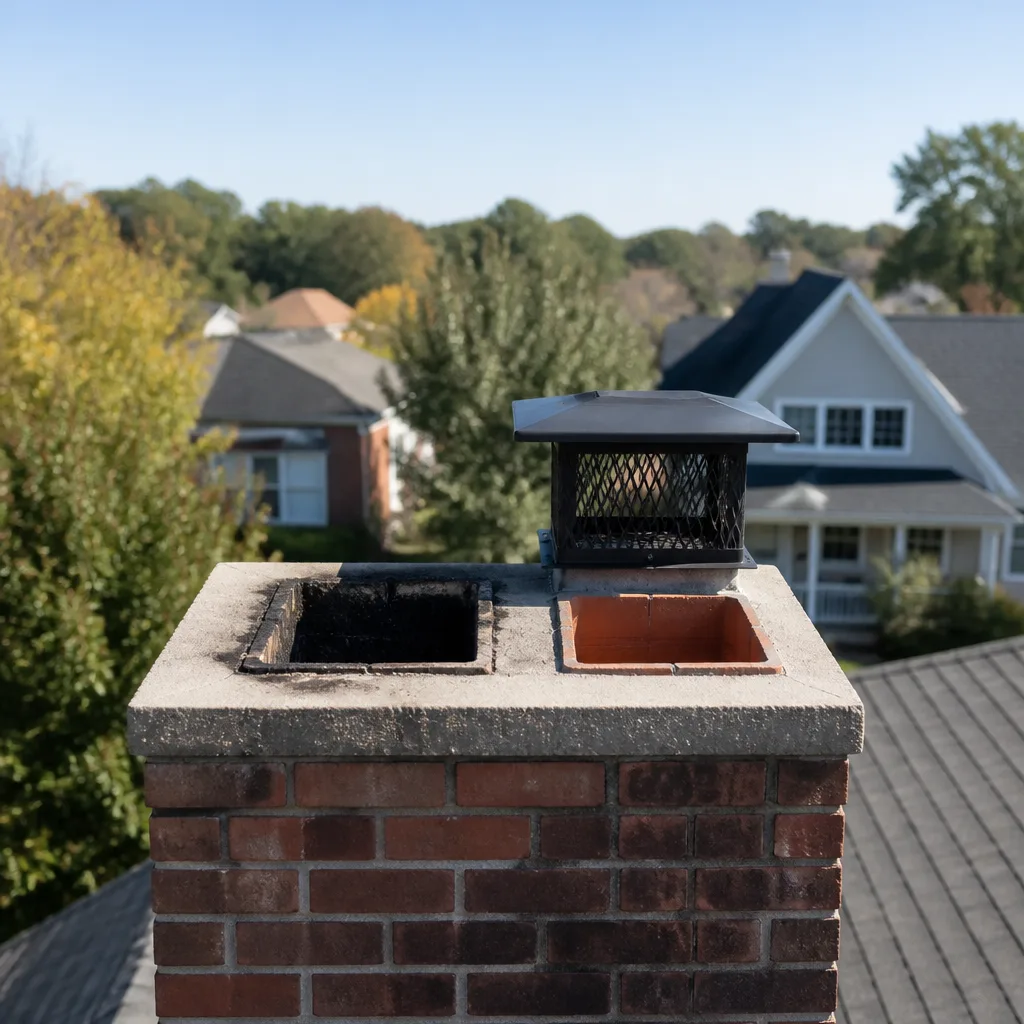
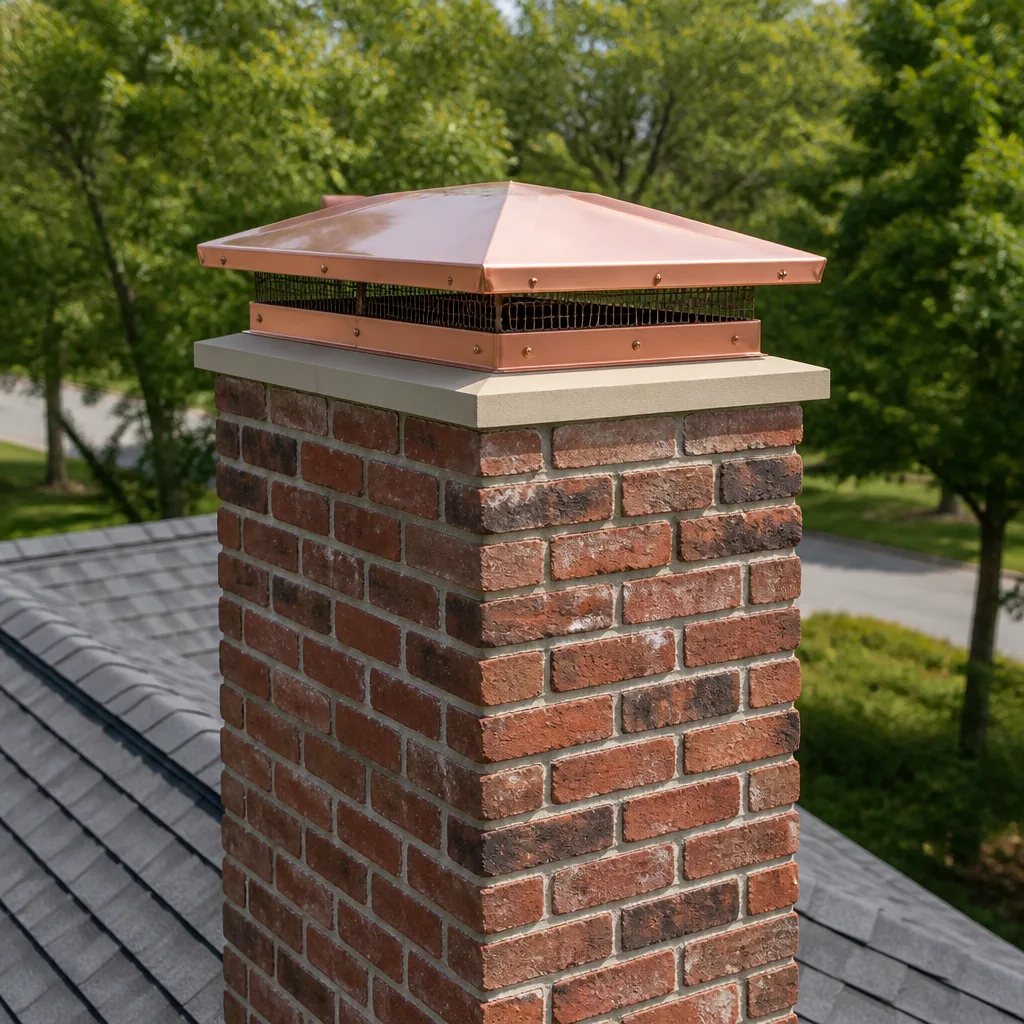
The long-term fix is always a proper cap. A correctly sized chimney cap with a stainless spark arrestor screen keeps animals out while allowing full draft. We work with Copperfield and Olympia Chimney cap and termination products for this reason. They are built for the trade, not the big-box shelf, and they come in the sizes and screen gauges that actually fit older La Mesa flues without restricting airflow.
Visual Inspection vs. Level 2 Camera Scan: When Each Is Enough
Not every chimney problem needs a camera scan. But some absolutely do, and knowing which situation you are in prevents spending money on the wrong test or missing a problem that costs far more to fix later.
A visual inspection is what most people think of as a basic sweep visit. The technician looks at the firebox, damper, cap, crown, and as much of the flue interior as is visible from the top and bottom. It is the right tool when the symptom is obvious: heavy creosote, a missing cap, visible spalling, a strong odor from a dirty flue, or a routine annual cleaning that has not been done in a few years.
A Level 2 camera scan is a flue-camera run through the entire length of the chimney, top to bottom. The camera shows cracked flue tiles, separated joints, gaps in the mortar, hidden creosote glazing, and liner damage that a direct line of sight cannot reach. It is the right tool in these situations:
- After an animal intrusion. You need to know whether the nest affected the flue or the animal damaged the liner.
- When smoke backs in and priming doesn’t fix it. The restriction could be anywhere along the flue path.
- Before buying a home in La Mesa. A seller’s disclosure rarely includes chimney liner condition, and many older homes here have original terracotta liners that have deteriorated.
- After any kind of chimney fire, even a small one. A chimney fire can crack tiles and open the flue to the surrounding structure. You will not see that from the top.
- When there is efflorescence or water staining. The camera often shows the internal entry point that the exterior crack suggests.
In our experience, La Mesa homeowners with fireplaces built before the 1990s benefit from a camera scan more than they expect. The terracotta liners in those chimneys are now decades old, and the mild climate has let water and idle periods do slow, invisible damage. A camera scan is the only way to see it before it becomes a smoke or fire problem.
Step-by-Step: Troubleshooting a Smoky Fireplace
If you are standing in front of a smoky fireplace in La Mesa and want a methodical path to the answer, this is the order we work through. It moves from the easiest, cheapest possibilities to the ones that require a professional.
- Open a window in the fire room. This neutralizes the negative-pressure problem, which is common in newer, tighter La Mesa homes with central HVAC running.
- Check the damper. Is it fully open? A damper that has slipped off its track or is only half open will choke the draft from the start.
- Prime the flue with a newspaper torch. Hold the lit paper near the open damper for one minute. You are testing whether the flue column can reverse from downward to upward. If it reverses, you are on track.
- Light the fire with dry wood. Not construction scraps, not pine that has been sitting in the yard, not wood from the last renter. Dry, split hardwood.
- Watch the first ten minutes. If the smoke clears and the fire draws, you solved it. If it still spills, go to step six.
- Turn off competing exhaust. Kitchen hood, bathroom fans, the clothes dryer. If any of these are running, they pull air out of the house and compete with the chimney. If the smoke clears when they shut off, you have a house-pressure problem, not a chimney problem.
- Call for a professional evaluation. If the smoke persists after all of that, the restriction is likely physical: glazed creosote, a nest, a damaged liner, or a broken cap. This is when a chimney sweep with a camera is the right call.
One more note for La Mesa specifically. If your fireplace has a glass door set, and the smoke appears only when the doors are open, the issue may be the firebox opening ratio. Some older La Mesa fireplaces were built with openings too large for their flue size. The quick workaround is to keep the doors open only slightly during startup, then open them fully once the flue is hot and drafting. If that works, you have a sizing mismatch, not a blockage.
Liner Damage: When a Sweep Reveals Something Bigger
Sometimes a routine sweep turns up something a brush cannot fix. Flue liner damage is the big one. The liner is the inner wall of the chimney, the surface that contains the heat and the corrosive byproducts of combustion. When it fails, the chimney is no longer safe to use, and the fix is structural, not cosmetic.
La Mesa chimneys in older homes often have the original terracotta clay liners. These liners were standard for decades, and they did their job well, but they degrade. Hairline cracks form, gaps open at the joints, and in some cases the tiles shift or collapse. The problem is that clay liners are not flexible. They cannot absorb the thermal expansion of repeated heating and cooling, and once cracked, they let heat and gases reach the masonry structure behind them.
There are two main repair paths. The first is resurfacing, which rebuilds the interior of the existing liner using a ceramic coating applied inside the flue. We are certified to apply HeatShield, a flue-liner resurfacing material recognized by the chimney industry. When the underlying structure is sound but the liner surface is cracked or pitted, HeatShield can restore the liner without a full teardown. It is often the difference between a repair bill and a replacement bill.
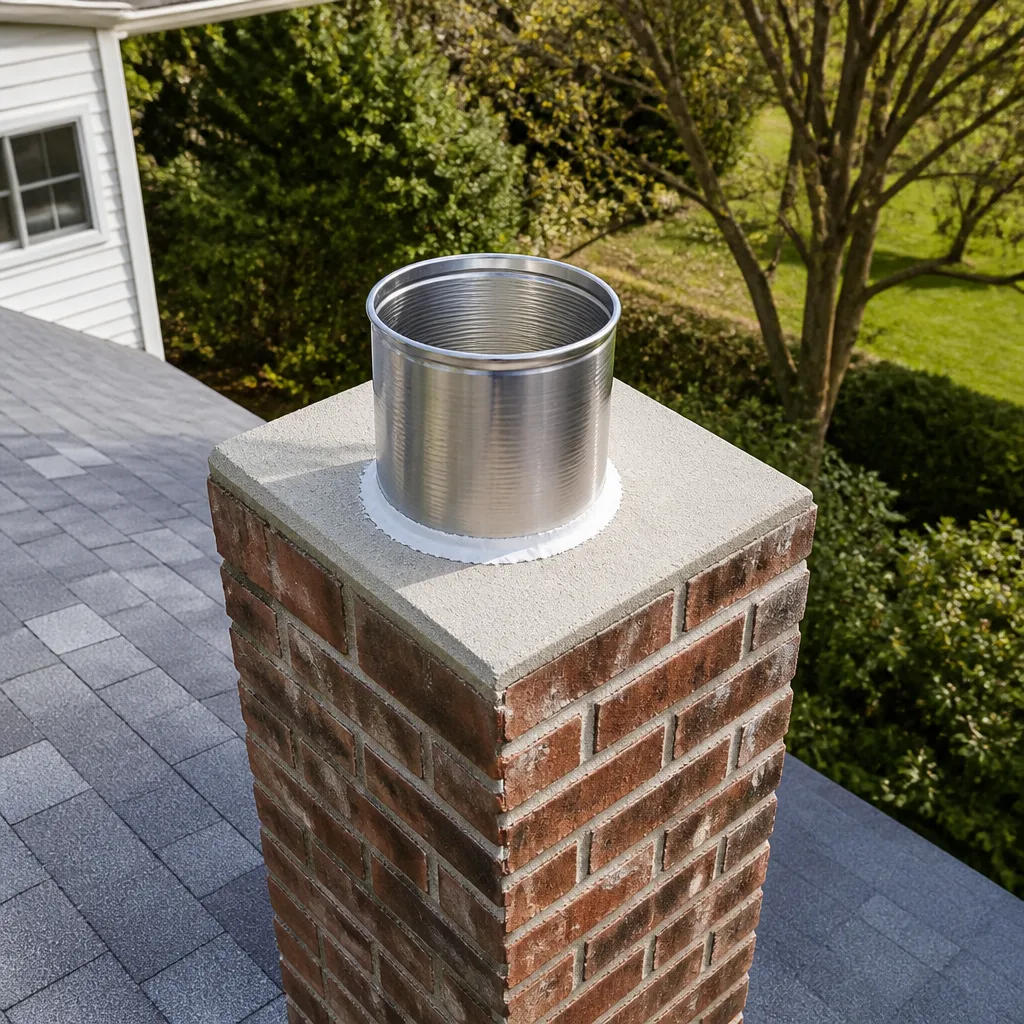
The second path is a full liner replacement. For chimneys with complex offsets, older masonry, or damage that resurfacing cannot address, we use DuraFlex flexible liner systems. DuraFlex liners are built from a continuous, flexible stainless steel alloy that bends through the flue’s existing shape and provides a new, structurally independent liner inside the old one. It is the right tool for chimneys that could not accept a rigid liner system, and it gives older La Mesa homes a safe flue without rebuilding the entire chimney.
A liner problem is not something to put off. A cracked liner means combustion gases, including carbon monoxide, have a path into the house structure. And a chimney with a failed liner is a fire risk to the framing around it. The good news is that “liner damage” is not automatically a full replacement anymore. Resurfacing and flexible liners have changed the options. But you only know which one applies after someone has looked at the inside of the flue with a camera.
Common Mistakes to Avoid
- Paying for a sweep when the problem is draft. A cold-flue downdraft feels like a dirty chimney, but sweeping does nothing for it. Test with a window and a priming torch first.
- Ignoring efflorescence as “just a stain.” Efflorescence is the chimney’s way of telling you water is already inside. The earlier you catch it, the smaller the repair.
- Burning a nest out. Starting a fire to clear an animal nest is dangerous and leaves residue behind. Remove the animal and nest, then clean and inspect.
- Skipping the camera scan on a pre-1990 La Mesa home. The original clay liners in these chimneys are at the age where problems are expected. Buying a home without a camera look at the flue is a gamble.
- Using wet or scrap wood and blaming the chimney. Green wood makes smoke that even a perfect flue struggles to move. Use dry, seasoned hardwood.
- Painting over spalling stucco. Sealing the surface without fixing the water entry traps moisture and accelerates the damage.
- Running the dryer while troubleshooting a fireplace. A clothes dryer is a powerful exhaust fan. It can create the negative pressure that pulls smoke back into the room, and you will chase your tail looking for a chimney problem that is actually a house-pressure problem.
See the difference
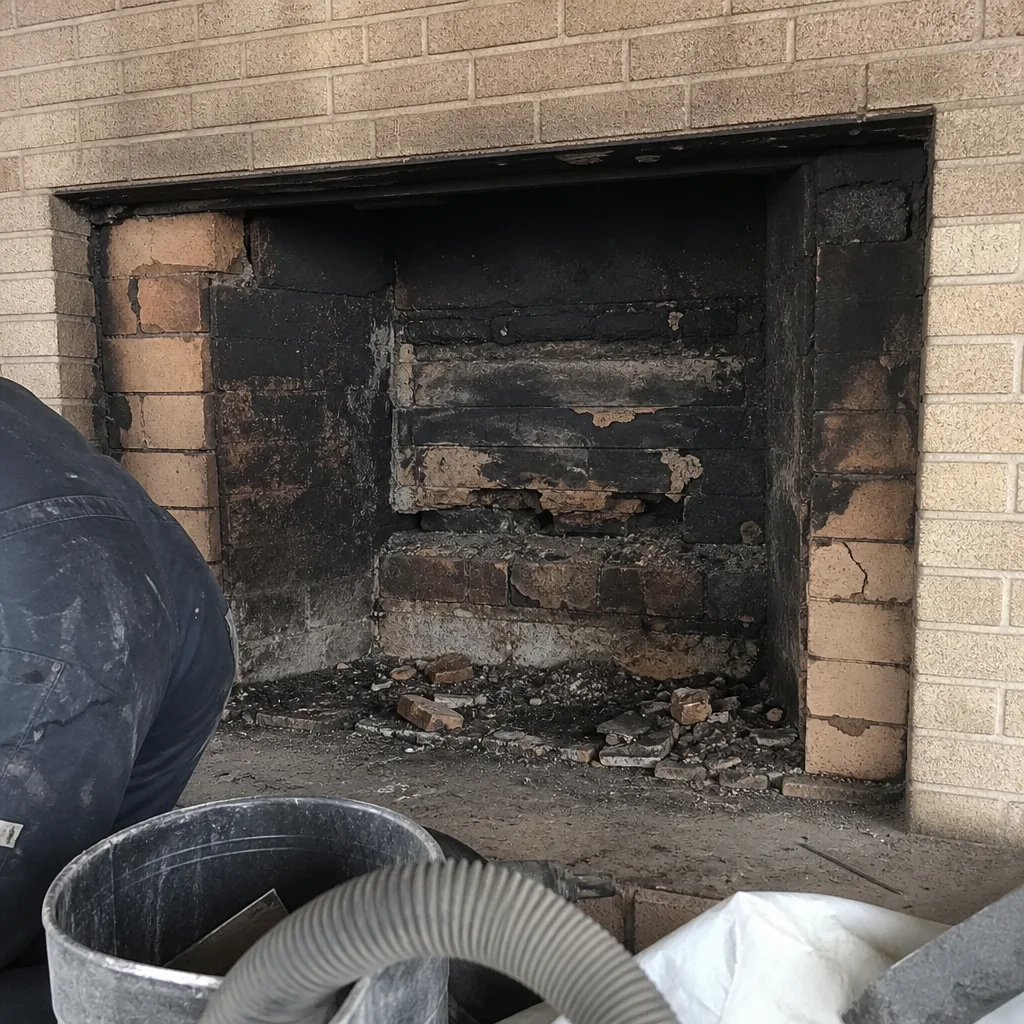 Before
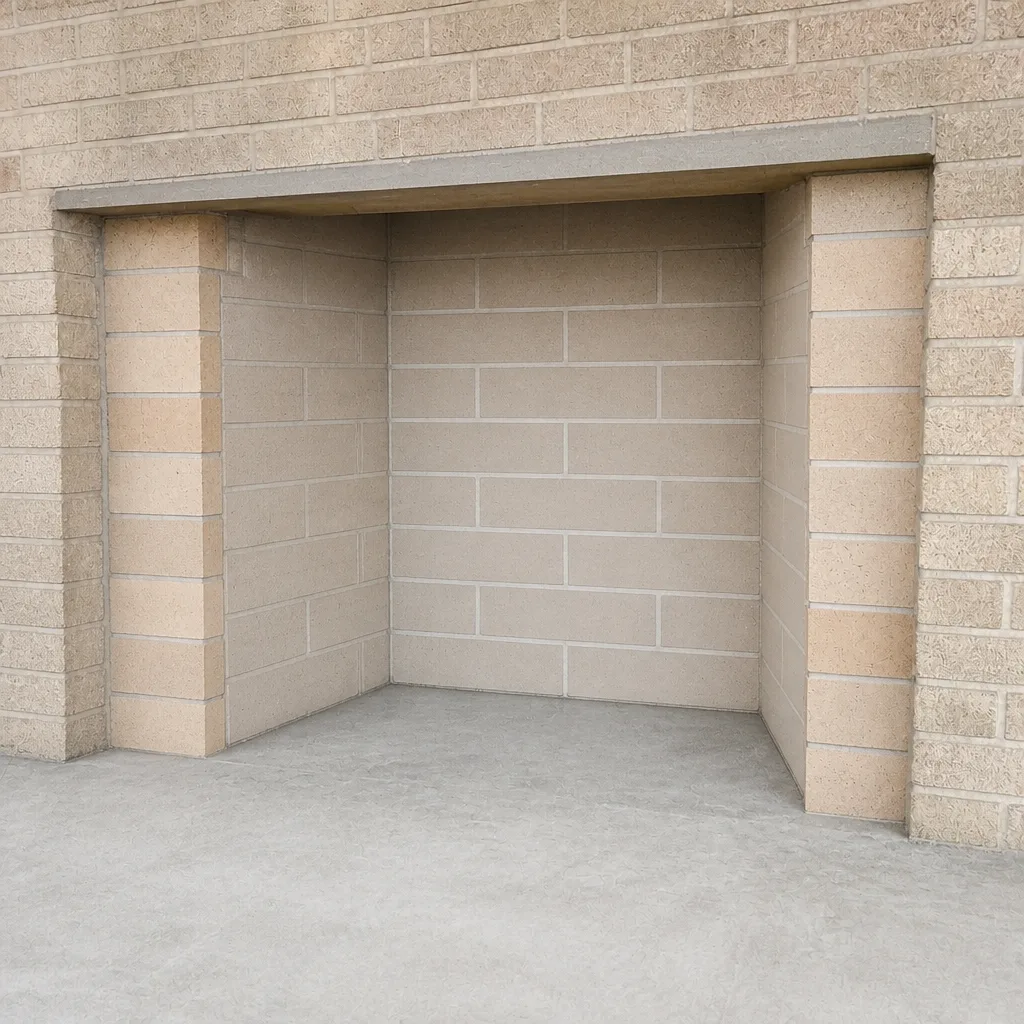 After
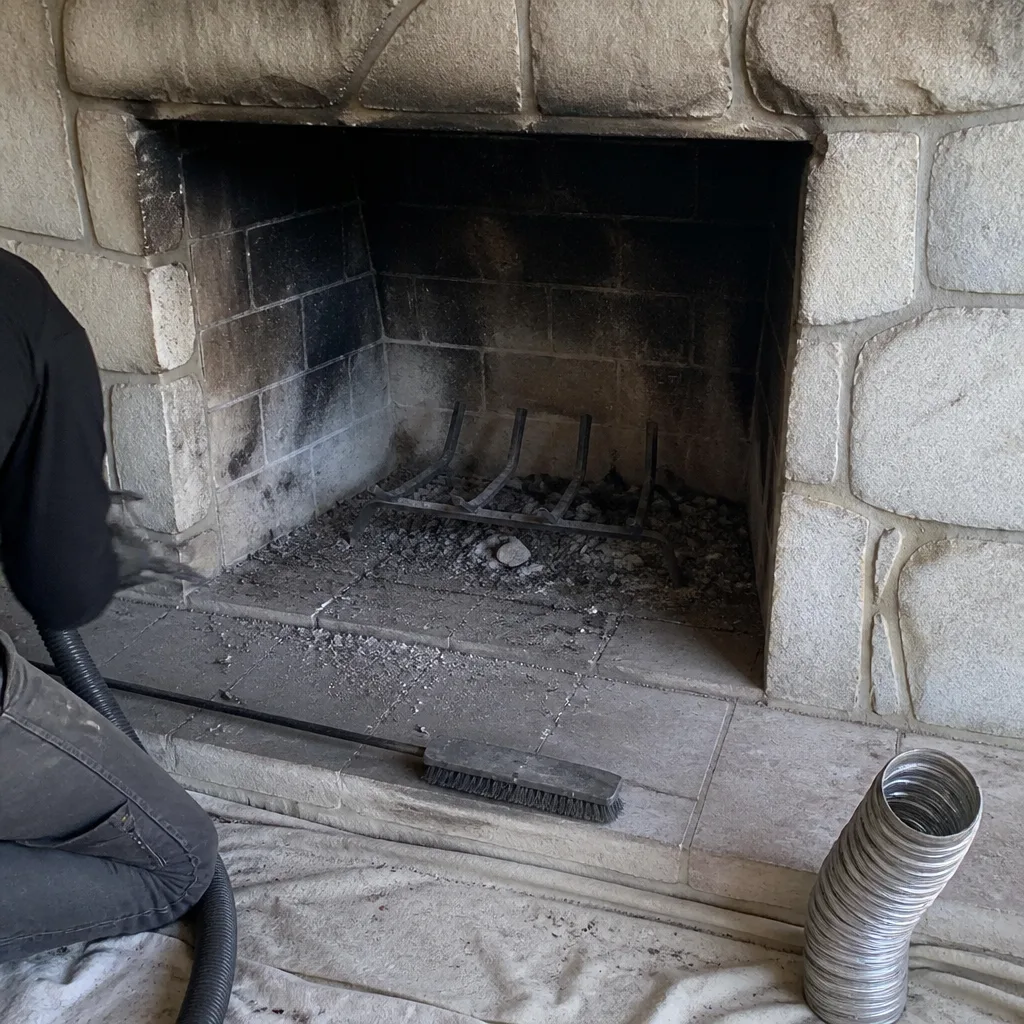 Before
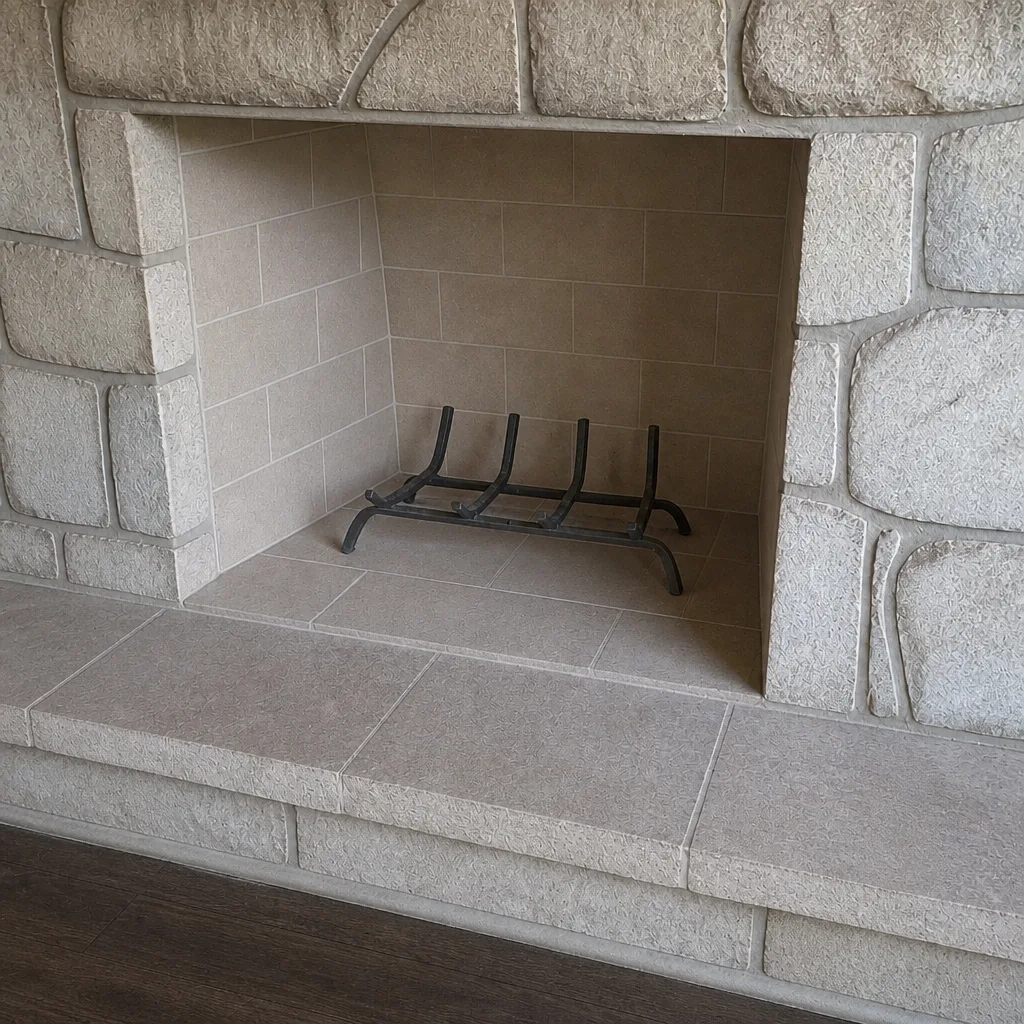 After
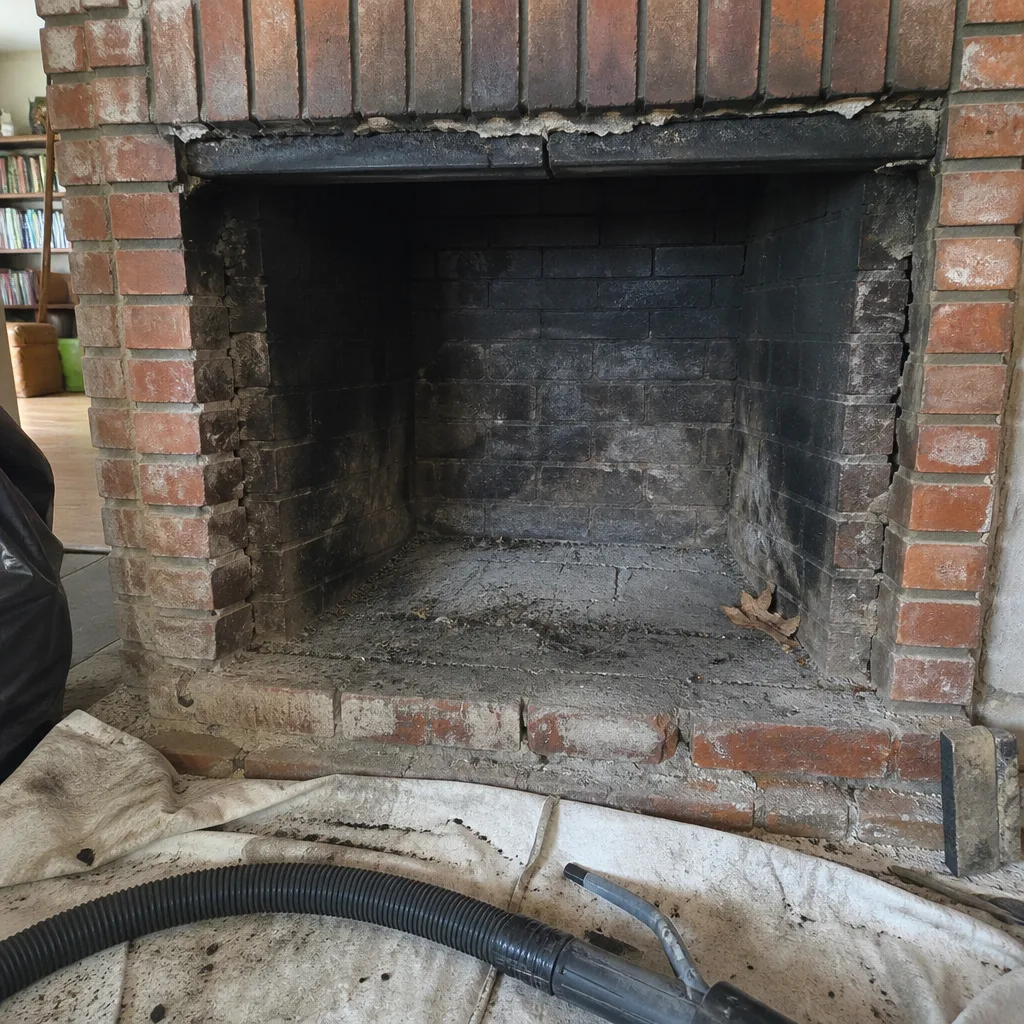 Before
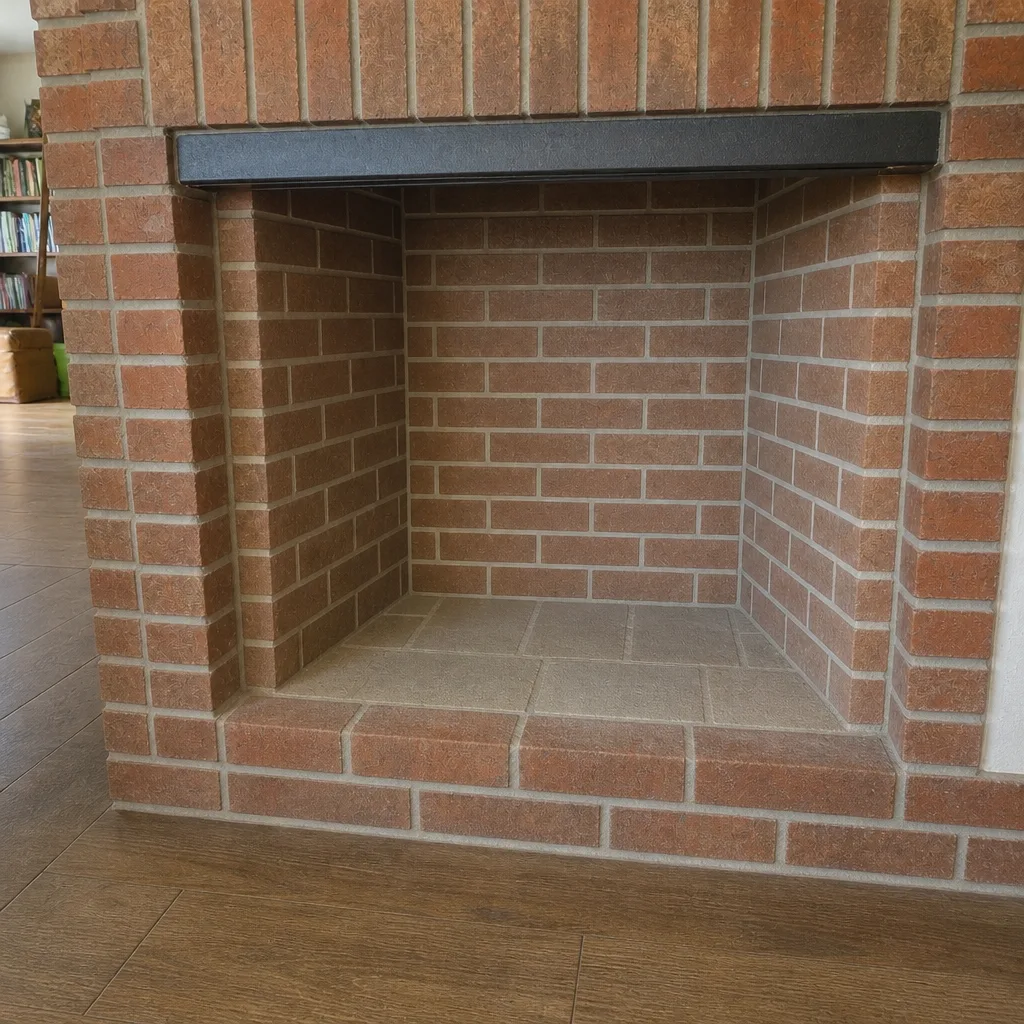 After
When to Call a Professional
Call a professional when the smoke does not clear after you have opened a window, primed the flue, and turned off competing exhaust. Call when you hear animals in the chimney, when the smell of creosote fills the house on warm days, when efflorescence appears on the exterior, or when a home inspection flags the chimney before a sale. Any of these means the problem is beyond a brush and a flashlight. Chimney Cleaning La Mesa offers free estimates in La Mesa. Call (833) 593-6651. We answer 24/7. Fast dispatch from 7am to 7pm, Sunday through Friday. And if your dryer vent has been ignored for years, this is the same call that covers dryer vent cleaning too.
Frequently Asked Questions
A standard chimney sweep in La Mesa typically runs between $180 and $340 depending on the flue condition, access, and whether a camera scan is included. That is an estimated range. The written estimate sets the final price, and the estimate is free. Call (833) 593-6651 for an exact quote for your chimney.
Not necessarily. A cracked liner can often be restored with HeatShield resurfacing if the underlying flue structure is sound. The appropriate fix depends on the extent and location of the damage, which a camera scan shows. Replacement with a DuraFlex flexible liner is the route when resurfacing is not viable, but it is not the automatic first answer.
The industry standard is once a year for fireplaces used regularly. In La Mesa, where many fireplaces get light seasonal use, an annual sweep still matters because the long idle period allows creosote to become glazed and animals to move in during the off-season. Once a year, before the first fire, is the right rhythm here.
Creosote continues to build, and glazed creosote is flammable. A chimney fire can crack the liner and spread into the surrounding structure before you know it is happening. Skipping the sweep also means missing cap damage, animal intrusion, and early-stage efflorescence that is cheaper to fix now than later. The sweep is also the moment the flue gets looked at by someone who knows what early trouble looks like.
Warm weather heats the creosote deposits inside the flue, releasing an oily, smoky odor that drops into the house. High humidity makes it worse. The fix is a professional sweep to remove the creosote, and sometimes a chimney cap to keep downdrafts from carrying the smell in.
No. Do not start a fire until the animal is removed, the nest is cleared, and the flue is inspected. Burning a nest risks a chimney fire and leaves the animal remains behind. The flue also needs to be checked for damage before it is safe to use again.
The Bottom Line
Chimney troubleshooting in La Mesa is about reading the symptom correctly before reaching for a fix. Smoke on a mild day is usually draft failure, not dirt. A summer odor is creosote warming up. A white stain on stucco is water already inside. A scratching sound is a missing cap. The professional answer is a sweep that includes a real inspection, not a quick brush and a bill. From Chimney Cleaning La Mesa to the rest of La Mesa, the chimneys that last are the ones that get looked at properly once a year. Call (833) 593-6651 for a free estimate. We answer 24/7. Fast dispatch from 7am to 7pm, Sunday through Friday.
Written by the team at Chimney Cleaning La Mesa, serving La Mesa since 2013.